Plizio Visual Lab
Tabriz
ℹ️Practical info — Tabriz
▾
🌤 Weather — 5 days
📍 Nearby
Sights nearby
💡 Tips
- The historic bazaar is massive and labyrinthine; download an offline map or memorize a prominent gate so you don't get lost.
- Dress modestly in accordance with Iranian laws: women must wear a headscarf (hijab) and men should avoid wearing shorts.
- Visit the Blue Mosque in the late afternoon when the slanted sunlight beautifully illuminates the remaining blue mosaic tiles.
- Taxis often don't have working meters; always agree on the fare before getting in, or use the local ride-hailing app Snapp.
🍽 Food
Giant meatballs stuffed with nuts, plums, and berries. Look for traditional restaurants near El Goli Park or the bazaar.
The classic rice and kebab dish. Try it at the historic food stalls hidden deep inside the Grand Bazaar.
A local almond-based cookie similar to a macaroon. You can find these sweet treats in the many confectioneries downtown.
🛍 Shopping · 🧘 Quiet spots
Head to the Mozaffarieh Timcheh inside the Grand Bazaar to admire (or buy) the finest world-renowned hand-knotted rugs.
Tabriz is famous in Iran for high-quality leather shoes; check out the dedicated shoe section of the bazaar.
Pistachios, dates, and walnuts are excellent. Look for the spice and nut shops along the edges of the bazaar.
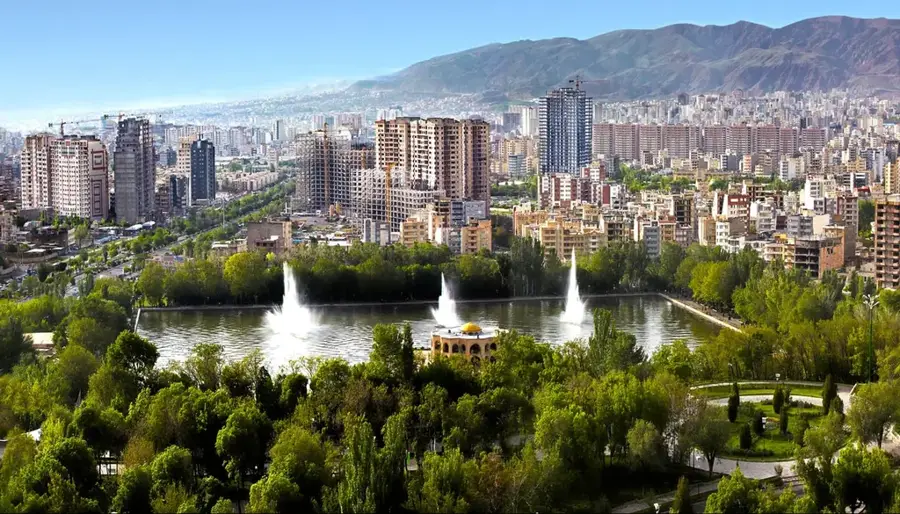
A large, historic park with an artificial lake in the center. First-rate for an evening walk when locals come out to relax.
Take the cable car or hike up to escape the city noise and enjoy a panoramic view over Tabriz.
Water temperature…
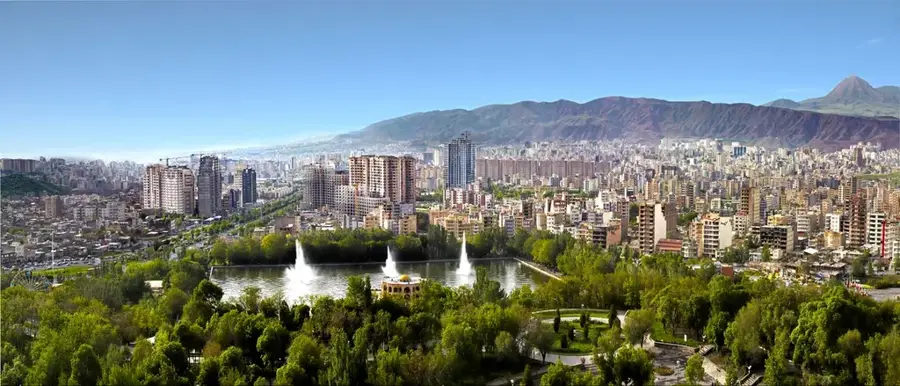
Tabriz, the historic capital of East Azerbaijan Province in northwestern Iran, is a powerhouse of trade, industry, and Azerbaijani culture. Situated in a valley north of the Sahand volcano, Tabriz has historically been the most important gateway between Iran and the Western world due to its strategic position on the Silk Road. The city has served as the capital of Iran under various dynasties, most notably the Ilkhanates and the Safavids. Its crown jewel is the Historic Bazaar Complex of Tabriz, a UNESCO World Heritage site and one of the oldest and largest covered bazaars in the world, renowned for its striking vaulted brick architecture and specialized sections for carpets, spices, and jewelry. Tabriz is famously known as the 'City of Firsts' because it was the site of Iran's first printing press, modern school, municipality, and fire station, reflecting its historical role as a center of modernization. Among its architectural wonders is the Blue Mosque (Masjed-e Kabud), built in 1465, which despite seismic damage still showcases some of the most exquisite blue faience tilework in Islamic art. The predominantly Azeri-Turkish speaking population has fostered a unique cultural identity, evidenced in the city's robust literary tradition and world-class cuisine, including the famous giant meatballs known as Koofteh Tabrizi. Economically, Tabriz is a major industrial hub, home to massive heavy-machinery factories and a thriving petrochemical sector, yet it remains the undisputed global capital of hand-knotted silk carpets. El-Goli Park, with its central pavilion and large artificial lake, is the city's premier recreational space and a remnant of royal gardening traditions. With a cold semi-arid climate, Tabriz experiences harsh winters and mild summers, creating a landscape of contrasts. As a vital link to Turkey and the Caucasus, Tabriz remains an essential commercial and political bastion, embodying the resilient and entrepreneurial spirit of northwestern Iran.
- Location: Iran
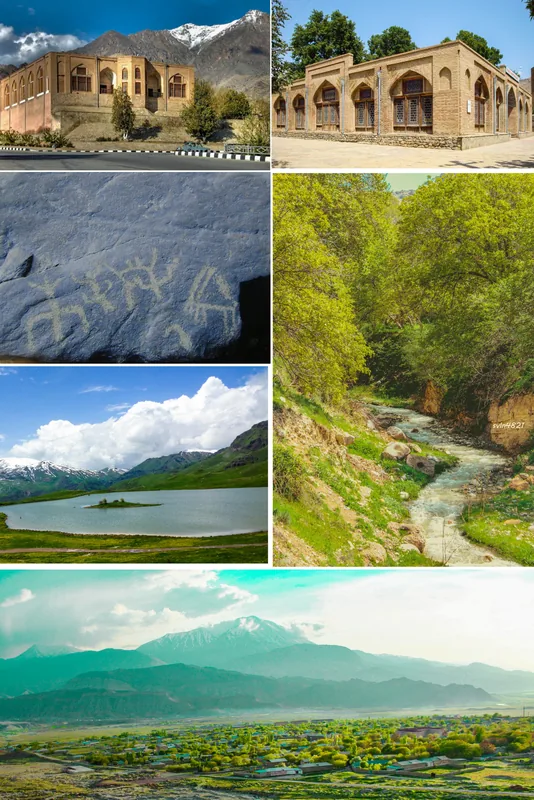
- Top sights: Haj Aqababa Mosque · Eynali Mosque · Mountain Lake
- Population: ~1.424.641 (2024)
Best time to visit & climate
The most pleasant time to visit is Jun–Aug.
| Jan | Feb | Mar | Apr | May | Jun | Jul | Aug | Sep | Oct | Nov | Dec | |
|---|---|---|---|---|---|---|---|---|---|---|---|---|
| Avg °C | -3 | -2 | 3 | 8 | 14 | 19 | 23 | 23 | 18 | 11 | 3 | -2 |
| Rain mm | 18 | 21 | 28 | 44 | 31 | 11 | 7 | 4 | 6 | 21 | 26 | 20 |
Geography
Facts
- Tabriz was the capital of the Ilkhanate under Abaqa Khan.
- The Historic Bazaar of Tabriz is a UNESCO World Heritage site since 2010.
- Known as the 'City of Firsts' for introducing modern institutions to Iran.
- The Blue Mosque's construction was ordered by Jahan Shah of Kara Koyunlu.
- Tabriz is the hub of Iran's automotive and tractor manufacturing industry.
- The city's climate is cold semi-arid with winter temperatures below -10°C.
- El-Goli (formerly Shah-Goli) is the city's most famous public park.
- Tabriz is world-renowned for its fine silk and wool carpets.
Explore nearby
Notable places around
Route planner — Car & Motorhome
Where do you start? We build the route here, with stops and country notes along the way.
© OpenStreetMap contributors · OpenRouteService
Sights in the town Tabriz (3)
Frequently asked questions
What makes Tabriz historically important?
What is the highlight of the bazaar?
What is the climate like in Tabriz?
What should one eat?
Are there day trips?
Tabriz: where is it located?
Tabriz: what is there to see?
Tabriz: when is the best time to visit?
Tabriz: why is it worth visiting?

History & landmarks
Nature
More places