Plizio Visual Lab

Lahijan Tea Plantations
Plizio editorial teamData Sources
Agriculture
—°7
Lahijan Tea Plantations (Iran)

Weather…

The emerald green tea plantations of Lahijan, situated on the slopes of the Alborz Mountains in Gilan province, form the heart of Iranian tea production. The history of tea cultivation in this region dates back to 1899, when Iranian diplomat Kashef Al Saltaneh smuggled tea saplings from India, finding well-suited conditions due to the warm, humid climate and acidic soil. Today, terraced tea gardens dominate the landscape and serve as a pillar of the local economy. The most highly prized harvest, the spring cut, begins in May. Alongside the fields, Lahijan's cityscape is defined by historical tea processing factories where fresh leaves are fermented and dried. A dedicated tea museum, housed in the founder's mausoleum, extensively details the evolution of this agricultural tradition.

Best time to visit & climate

The most pleasant time to visit is May–Jul.

JanFebMarAprMayJunJulAugSepOctNovDec
Avg °C3491318212323201695
Rain mm797775612326375111417014994

📋 Practical info

🏭
What is this place?
These beautiful terraced hills form the historic and undisputed center of Iran's thriving tea cultivation industry. The expansive green fields provide the crucial agricultural backbone for the nation's deeply ingrained daily tea-drinking culture.
🚪
Visiting
Visitors are generally welcome to walk along the designated paths weaving through the lively green plantation terraces. You can typically freely explore the scenic hillsides and often visit local museums dedicated to the rich history of Persian tea.
👀
Where to view it
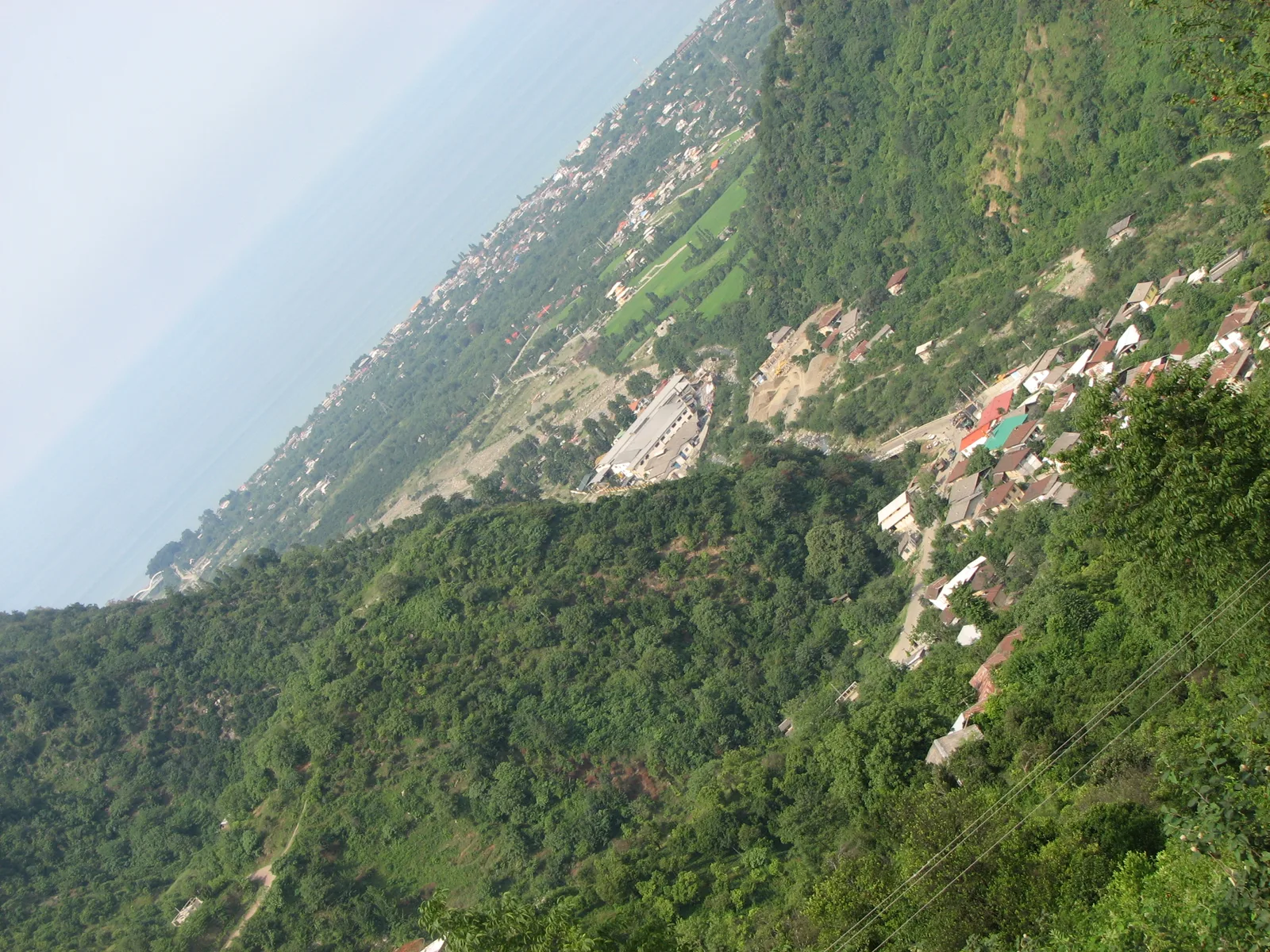
Riding the local cable car up into the surrounding mountains provides a sweeping aerial view directly over the manicured tea fields. The high vantage points offer striking panoramic perspectives stretching toward the distant Caspian Sea.
🧺
Local products
Naturally, premium locally harvested black and green teas are the absolute must-buy items in every surrounding shop. Traditional Iranian cookies, specifically designed to accompany a warm cup, are also widely sold throughout the bustling local markets.
📆
Active season
The lush fields are most animated and visually remarkable during the spring harvest season when picking activity is at its absolute peak. Summer months remain brilliantly green and attract large crowds of domestic tourists seeking cooler mountain air.
Nearby
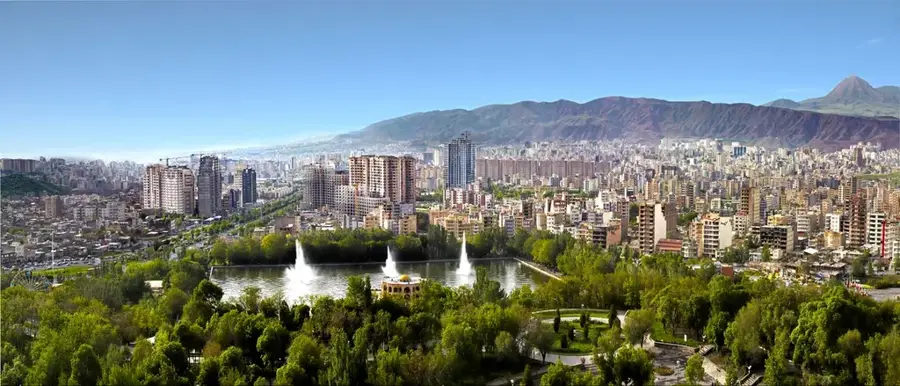
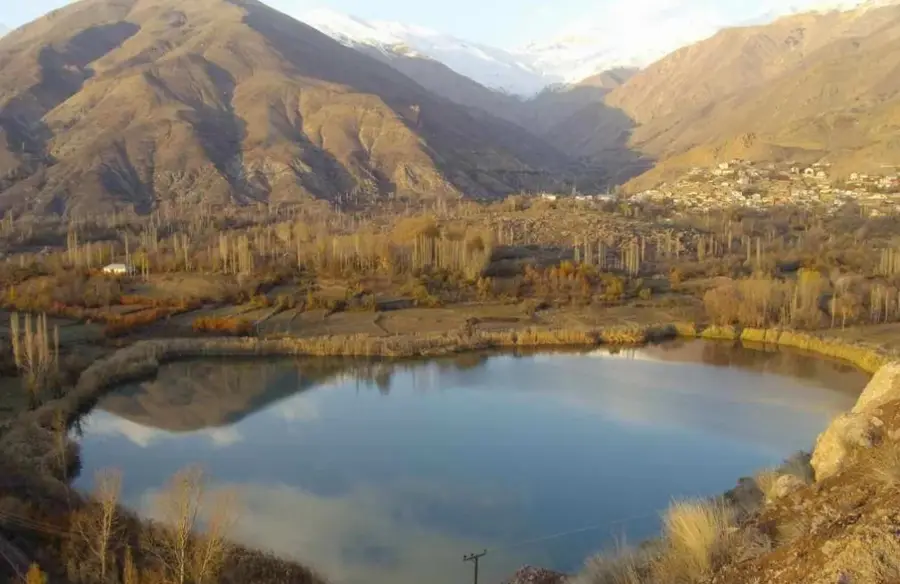
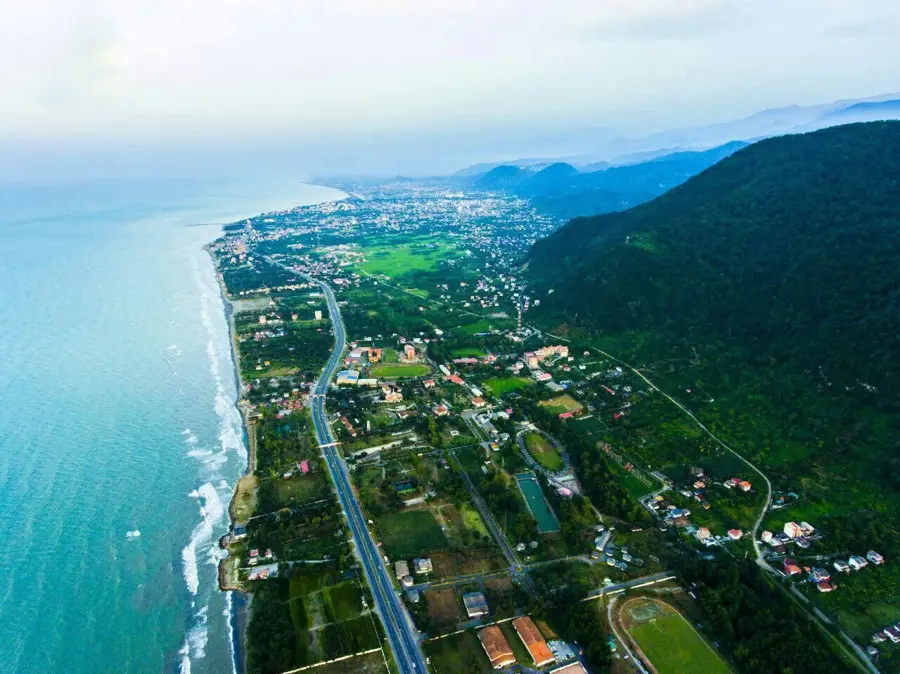
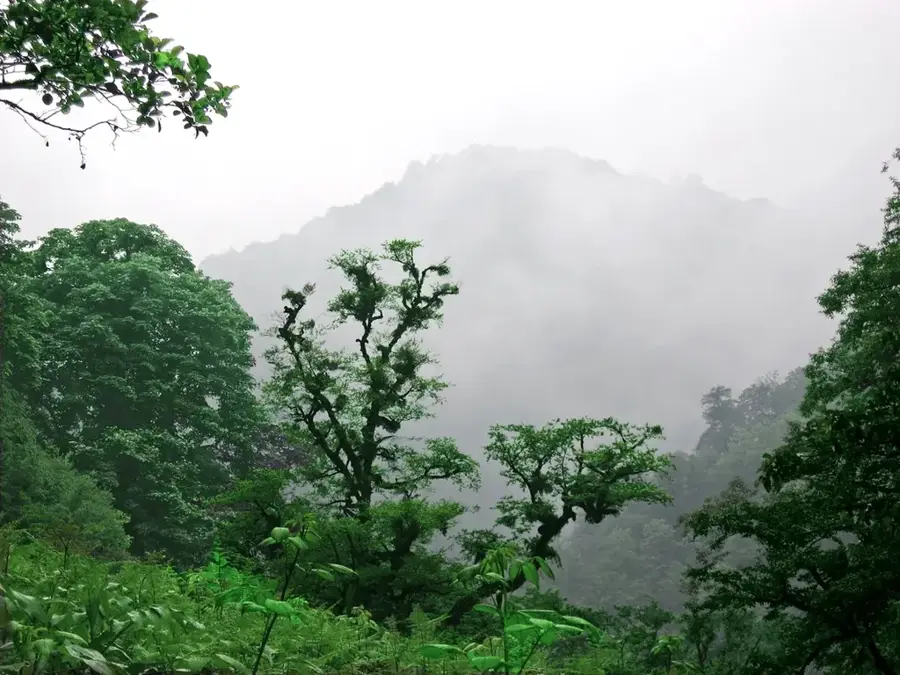
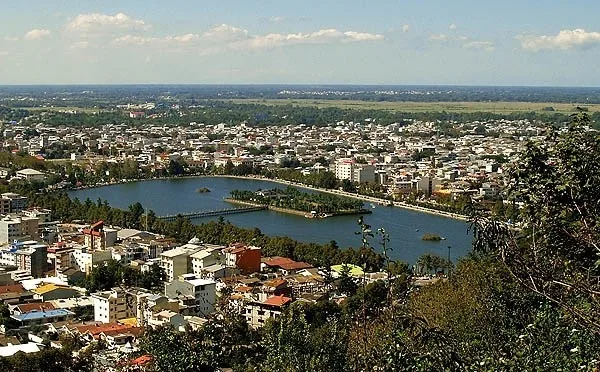
A relaxed stroll through the tea fields pairs perfectly with an afternoon relaxing by the photogenic Lahijan Pool right in the city center. Many visitors also take time to explore the beautiful forested hillsides cascading down toward the nearby coast.

Geography

Coordinates
37.19900, 50.01200

Facts

  • The first tea plantations in Lahijan were established in the year 1899.
  • The area dedicated to tea cultivation in Gilan province reaches 30,000 hectares.
  • Iran's annual tea production averages between 20,000 and 30,000 tons.
  • The highest-quality first spring harvest takes place during the month of May.
  • More than 50 tea processing factories operate in and around Lahijan.
  • The Tea Museum is housed in the mausoleum of founder Kashef Al Saltaneh.

Explore nearby

Notable places around
Route planner — Car & Motorhome

Where do you start? We build the route here, with stops and country notes along the way.

Vehicle
Only stops with (optional):

© OpenStreetMap contributors · OpenRouteService

Sights in the town Lahijan Tea Plantations (7)

Golshan Bathe🏺 historical

A traditional Qajar-era bathhouse in Lahijan, now serving as a monument to local cultural history.

Lahijan📍 landmark

The city of Lahijan is the center of Iranian tea cultivation, set picturesquely at the foot of the Alborz Mountains.

Kouhbaneh📍 landmark

This mountain village above Lahijan provides panoramic views of the surrounding tea gardens and dense forests.

Iran's National Tea Museum🏛 museum

The Iran National Tea Museum is located within the mausoleum of Kashef ol-Saltaneh, who introduced tea to Iran.

bame sabz lahijan📍 landmark

This plateau, known as the 'Green Roof', features a sweeping view over Lahijan city and its central lake.

Jalaliyeh Bazaar🎭 culture

A traditional bazaar selling local Gilan products such as tea, olives, and hand-woven textiles.

🕒 PH,Mo-Su 00:00-24:00

Basir Bazaar🎭 culture

This bustling marketplace is known for fresh agricultural produce and the authentic atmosphere of Lahijan.

Sights nearby

Frequently asked questions

Which province is famous for tea in Iran?
Gilan province, specifically the city of Lahijan, is the hub of Iranian tea production.
Is there a tea museum in Lahijan?
Yes, the National Tea Museum is located in the mausoleum of Kashef Al-Saltaneh, the founder of Iran's tea industry.
When are the tea leaves harvested?
Tea is harvested three times a year in Iran: in spring, summer, and autumn.
What is special about Lahijan tea?
It is famous for its mild flavor and is grown without any artificial additives.
Are there cable cars over the plantations?
Yes, the Lahijan cable car provides spectacular views over the rolling green hills.
Lahijan Tea Plantations: where is it located?
Lahijan Tea Plantations is located in Iran.
Lahijan Tea Plantations: what is there to see?
Highlights include Golshan Bathe, Lahijan, Kouhbaneh.
Lahijan Tea Plantations: when is the best time to visit?
The most pleasant time to visit is May, Jul.
Lahijan Tea Plantations: why is it worth visiting?

The emerald green tea plantations of Lahijan, situated on the slopes of the Alborz Mountains in Gilan province, form the heart of Iranian tea production.
View on map → The Top 50 Attractions → OpenStreetMap →
Asia
Explore with Plizio Discover more places in Asia
More places in Iran →

Nearby cities

Nature

More places