Plizio Visual Lab

Trowulan Archaeological Site
Plizio editorial teamData Sources
ruin
—°10
Trowulan Archaeological Site (Indonesia)

Weather…

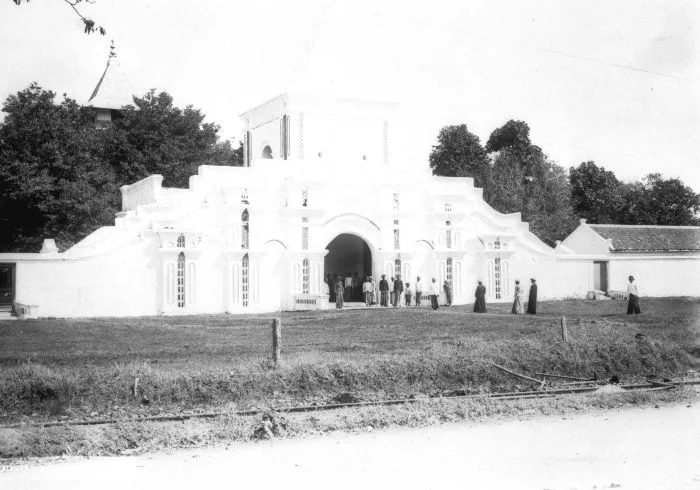
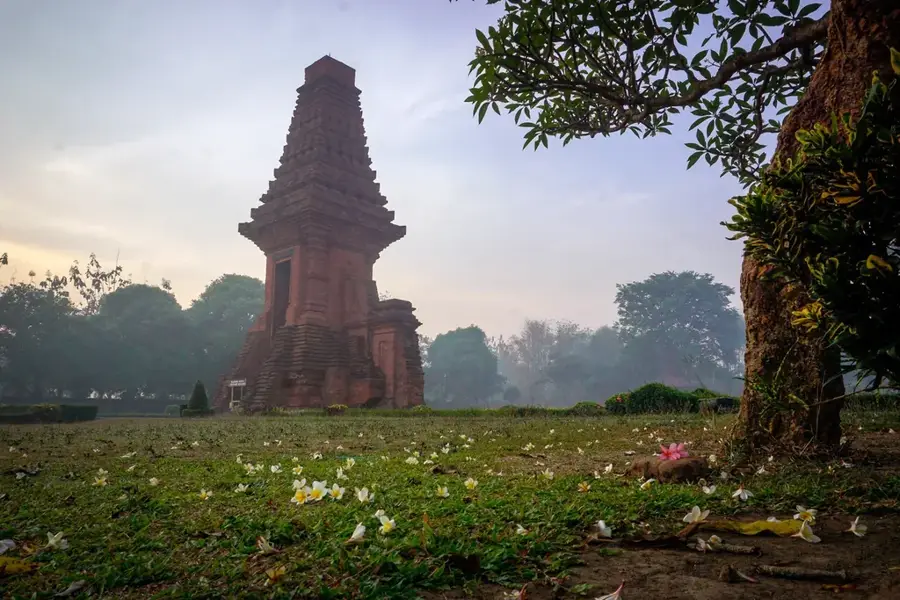
Trowulan is a vast archaeological site in East Java, identified as the former capital of the Majapahit Empire, which reached its zenith between the 13th and 16th centuries. Covering approximately 100 square kilometers, the site contains an array of ruins including temples, monumental gateways, ritual bathing pools, and residential foundations. Notable structures include the split gateway of Wringin Lawang, the towering Bajang Ratu gate, and the Segaran Pool, a massive ancient reservoir. Archaeological evidence at Trowulan reveals a sophisticated urban infrastructure featuring advanced drainage systems and extensive use of red brick masonry. Unlike the stone temples of Central Java, Trowulan’s architecture is defined by intricate brickwork, reflecting the aesthetic preferences of the Majapahit era. As the cultural heart of Indonesia's last great Hindu-Buddhist kingdom, Trowulan is vital to understanding the nation's pre-Islamic history. Today, it stands as a significant research hub and a testament to Indonesia's medieval political power.

Best time to visit & climate

The most pleasant time to visit is Jul–Sep.

JanFebMarAprMayJunJulAugSepOctNovDec
Avg °C262526262626262728292826
Rain mm3263212801941216934111760133283

📋 Practical info

🚪
Visiting
The vast archaeological complex consists of numerous scattered temples, ancient gates, and excavation sites spread over a wide outdoor area, alongside a dedicated museum housing delicate recovered artifacts.
🕒
Typical hours
The central museum and the primary monument enclosures generally operate during regular daytime hours, while the un-gated ruins spread across the surrounding landscape can often be viewed from public roads at any time.
📷
Photography
The striking red-brick architecture of the Majapahit era provides magnificent photographic opportunities, particularly during the golden hours of sunrise and sunset when the ancient masonry beautifully reflects the light.
⏱️
Time needed
To adequately explore the primary museum and physically traverse the distances between the major scattered ruins like Candi Tikus and the Bajang Ratu gate, allocate at least a half-day or ideally a full day.
Combine with
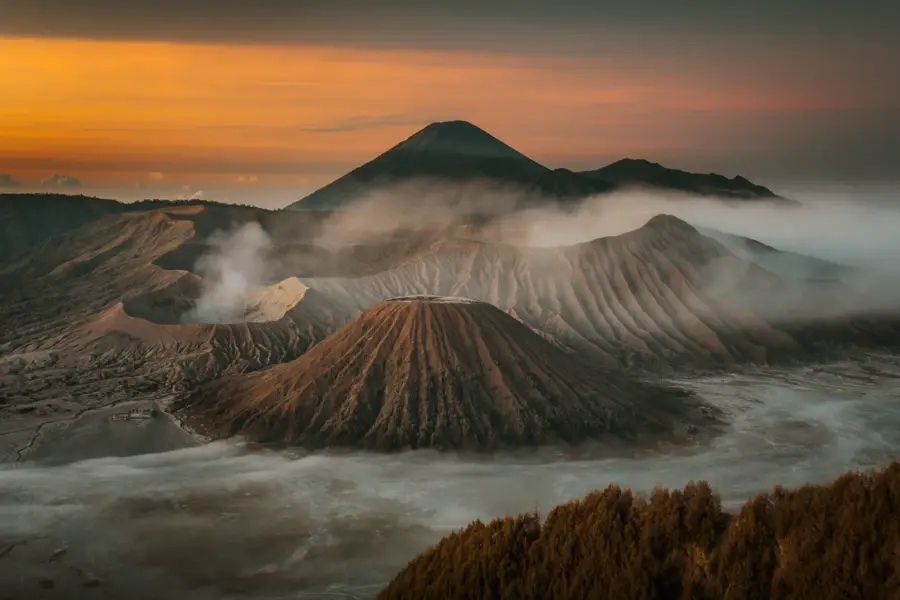
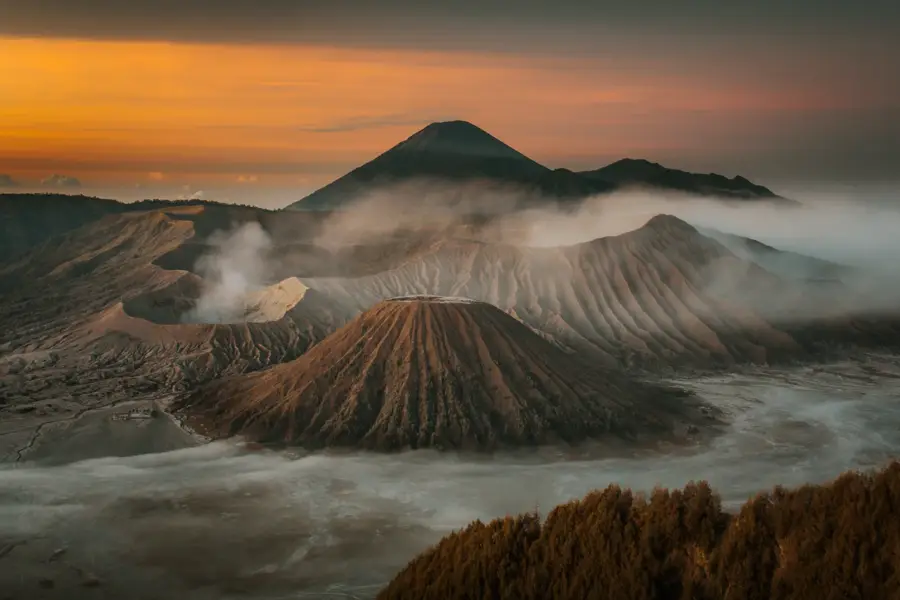
You can enrich your historical journey by continuing onward to the memorable volcanic landscapes of Mount Bromo or discovering the bustling cultural offerings and bustling city life of nearby Surabaya.
🧭
Getting there
Reaching the widely dispersed historical site typically requires arranging a private vehicle, hiring a motorcycle taxi locally, or negotiating with an ojek to efficiently navigate between the far-flung structural remains.
💡
Insider tip
Because the historical remnants are spread out under the intense tropical sun with minimal shade available, bring plenty of bottled water, apply high-quality sunscreen, and wear comfortable walking shoes.

Geography

Coordinates
-7.55000, 112.38330

Facts

  • The archaeological zone covers an area of nearly 100 square kilometers.
  • The Segaran Pool measures 800 by 500 meters and is lined with ancient brick.
  • The Bajang Ratu gateway was likely built during the 14th century.
  • Wringin Lawang is a 'split gateway' typical of Javanese royal architecture.
  • At its peak, Majapahit's influence extended across present-day Indonesia.
  • Trowulan was submitted to the UNESCO World Heritage tentative list in 2009.

Explore nearby

Notable places around

Route planner — Car & Motorhome

Where do you start? We build the route here, with stops and country notes along the way.

Vehicle
Only stops with (optional):

© OpenStreetMap contributors · OpenRouteService

Sights in the town Trowulan Archaeological Site (10)

Museum Majapahit Trowulan🏛 museum

This museum in Trowulan houses a significant collection of artifacts from the golden age of the Majapahit Empire.

Candi Bajang Ratu🛡️ fortress

This elegant red brick gateway in Trowulan is believed to be a monument to the Majapahit king Jayanegara.

Candi Tikus🏺 historical

An excavated ritual bathing pool made of brick with a miniature temple at the center of the complex.

Candi Brahu🏺 historical

This imposing red brick Buddhist temple in Trowulan once served as a site for handling royal ashes.

Candi Wringin Lawang🏺 historical

A monumental split gateway (Candi Bentar) made of bricks that once marked the entrance to a Majapahit complex.

TPQ Darul Muthmainnah⛪ religious

A local Quranic school and prayer hall serving the community in Trowulan.

masjid⛪ religious

A local mosque providing a place of prayer for the Muslim residents of the district.

Pasar Mojoagung🎭 culture

A bustling traditional market famous for local Javanese snacks and textiles.

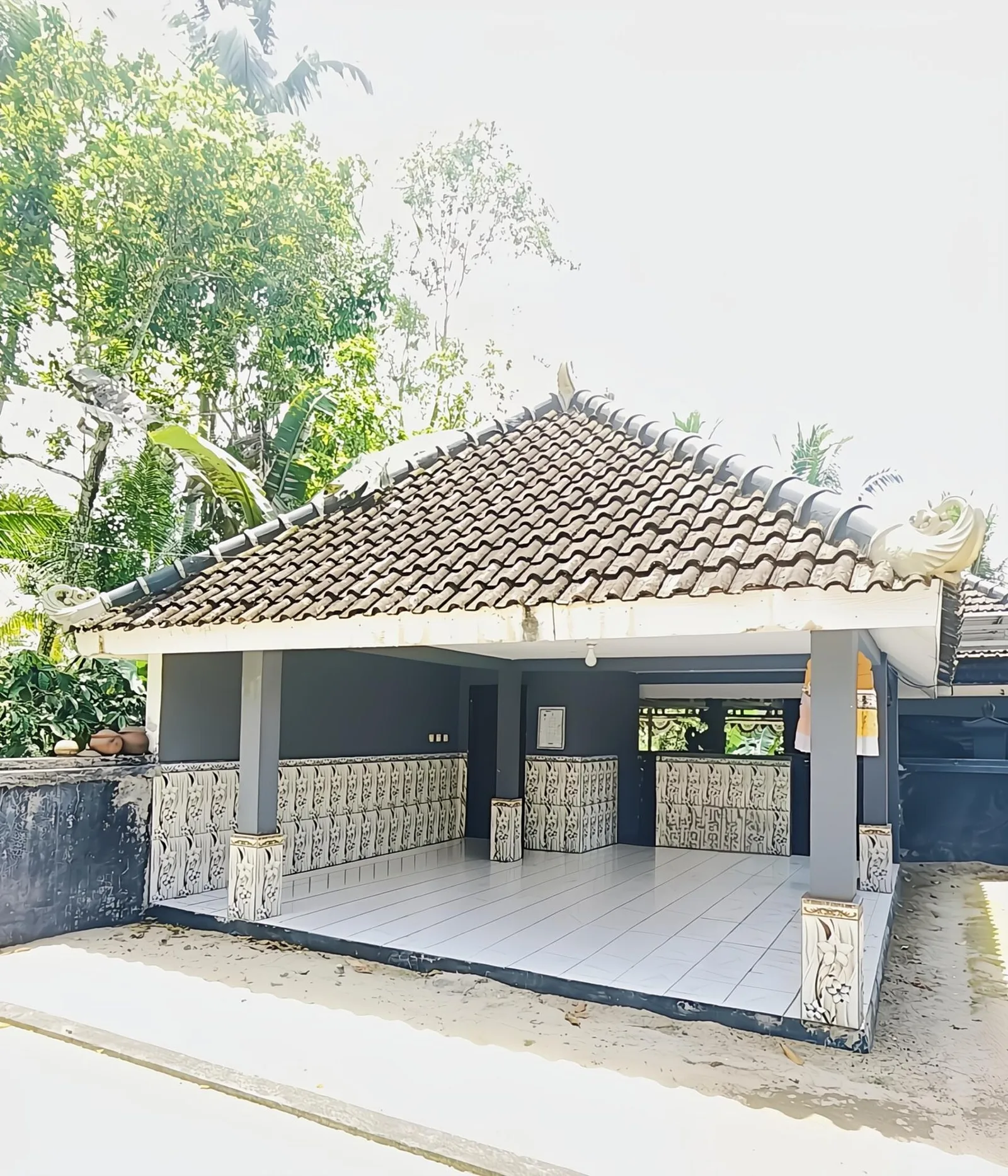
Balai Dusun Jatisumber - Trowulan📍 landmark

A village community hall that serves as a gateway to the surrounding ruins.

Trowulan archaeological site📍 landmark

The sprawling former capital of the Majapahit Empire, filled with brick temples and pools.

Sights nearby

Frequently asked questions

What was Trowulan in the past?
It was the capital of the powerful Majapahit Empire from the 13th to 15th centuries.
What are the highlights in Trowulan?
The Bajang Ratu gate, Candi Tikus, and the Trowulan Museum are worth seeing.
How to move between the ruins?
The sites are scattered; it's best to rent a car or a motorcycle taxi (Ojek).
Are the ruins well-preserved?
Many structures have been restored and give a good insight into brick architecture.
Is there a central entry fee?
Usually, you pay a small fee or a donation at each individual site.
Trowulan Archaeological Site: where is it located?
Trowulan Archaeological Site is located in Indonesia.
Trowulan Archaeological Site: what is there to see?
Highlights include Museum Majapahit Trowulan, Candi Bajang Ratu, Candi Tikus.
Trowulan Archaeological Site: when is the best time to visit?
The most pleasant time to visit is Jul, Sep.
Trowulan Archaeological Site: why is it worth visiting?

Trowulan is a vast archaeological site in East Java, identified as the former capital of the Majapahit Empire, which reached its zenith between the 13th and 16th centuries.
View on map → The Top 50 Attractions → OpenStreetMap →
Asia
Explore with Plizio Discover more places in Asia
More places in Indonesia →

Nearby cities

History & landmarks
Nature
More places