Plizio Visual Lab

South Coast of Java
Plizio editorial teamData Sources
coast
—°
South Coast of Java (Indonesia)

Weather…

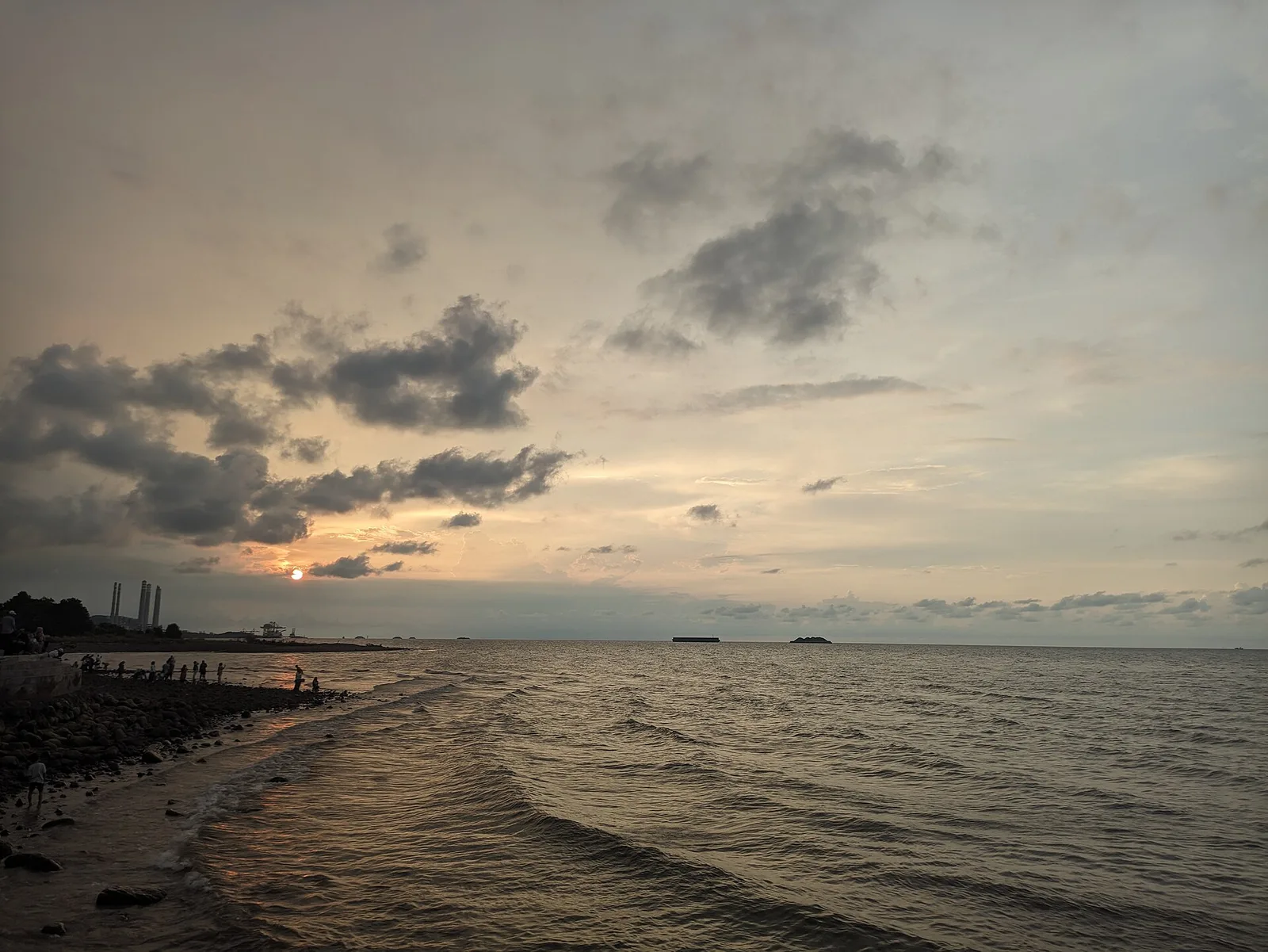
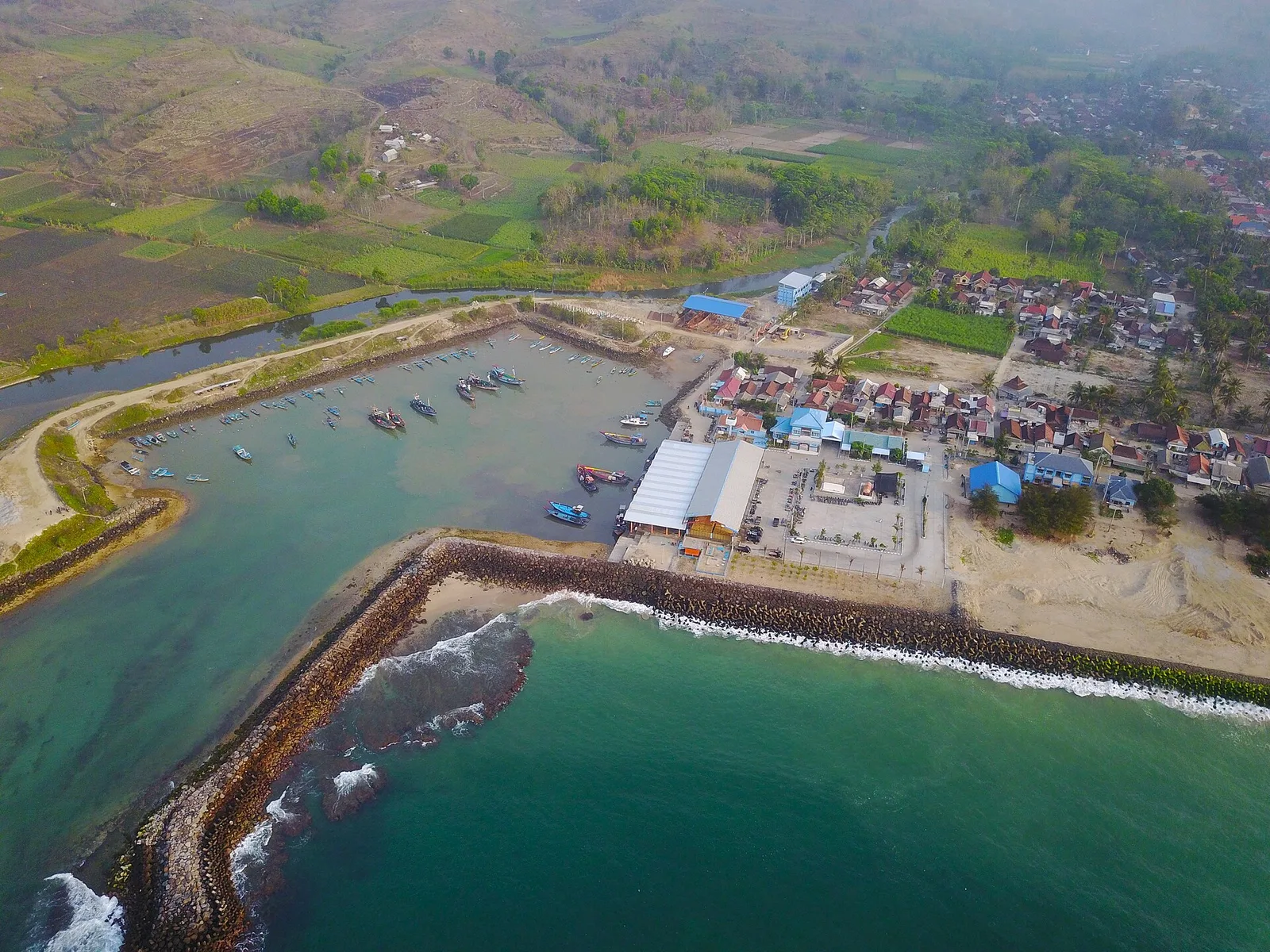
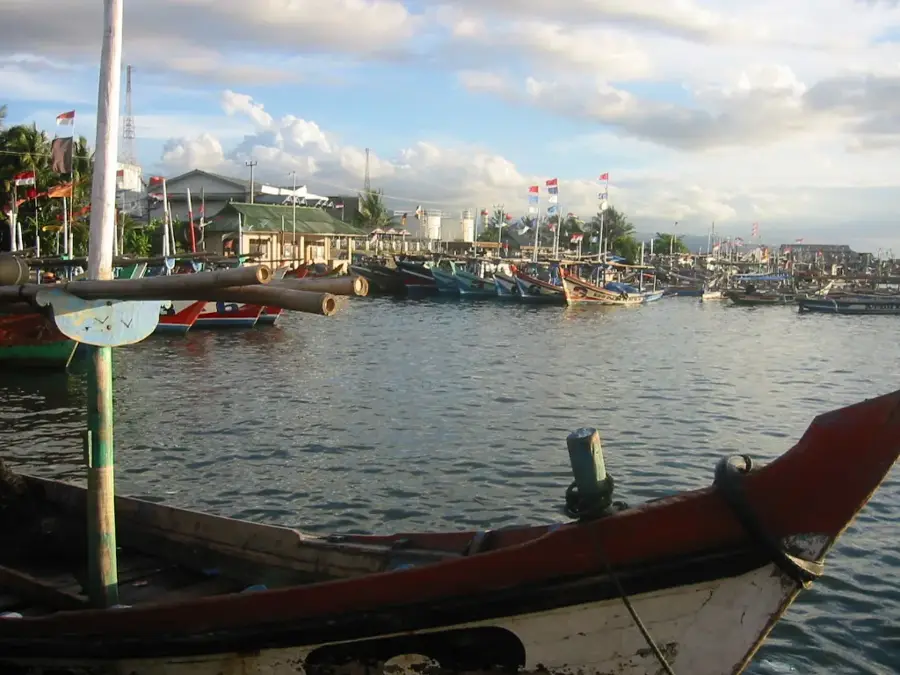
The South Coast of Java faces the Indian Ocean and is characterized by its rugged geography and powerful sea currents. In contrast to the flat northern plains, the south is defined by steep limestone cliffs, deep bays, and extensive karst formations resulting from tectonic uplift. Culturally, the region is deeply intertwined with the legend of Nyai Roro Kidul, the Queen of the Southern Sea, which is manifested in numerous local rituals and offerings. Famous locations such as Parangtritis near Yogyakarta and Pangandaran in West Java serve as vital hubs for tourism and fishing. Geologically, the coast lies above the subduction zone of the Indo-Australian plate beneath the Eurasian plate, making it highly susceptible to earthquakes and tsunamis. Several protected areas along the coastline serve as critical nesting grounds for endangered sea turtles and help preserve the remaining coastal rainforests.

Best time to visit & climate

The most pleasant time to visit is Jul–Sep.

JanFebMarAprMayJunJulAugSepOctNovDec
Avg °C272828282726252525272728
Rain mm2992842561741197240192261137242

📋 Practical info

🧭
Getting there
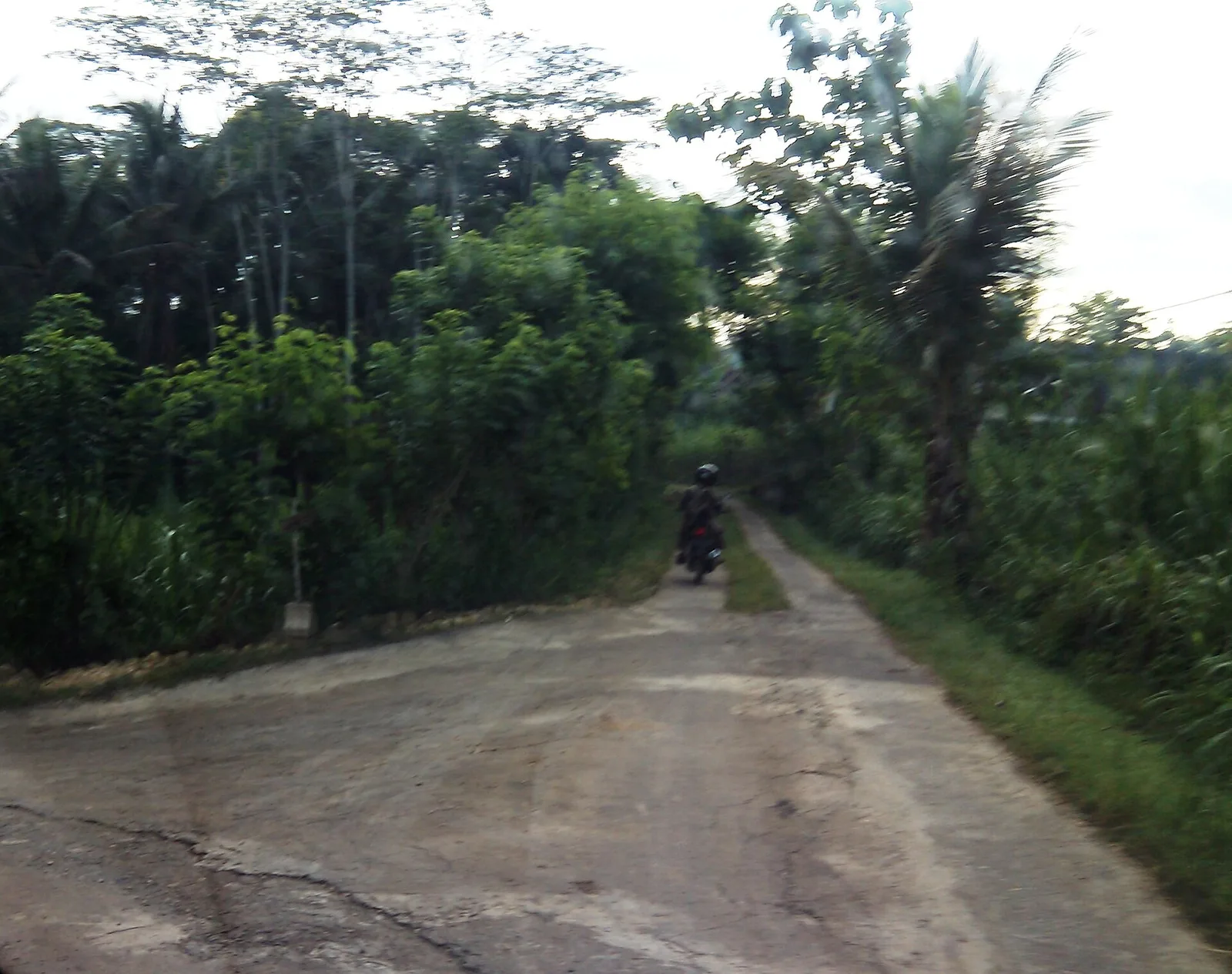
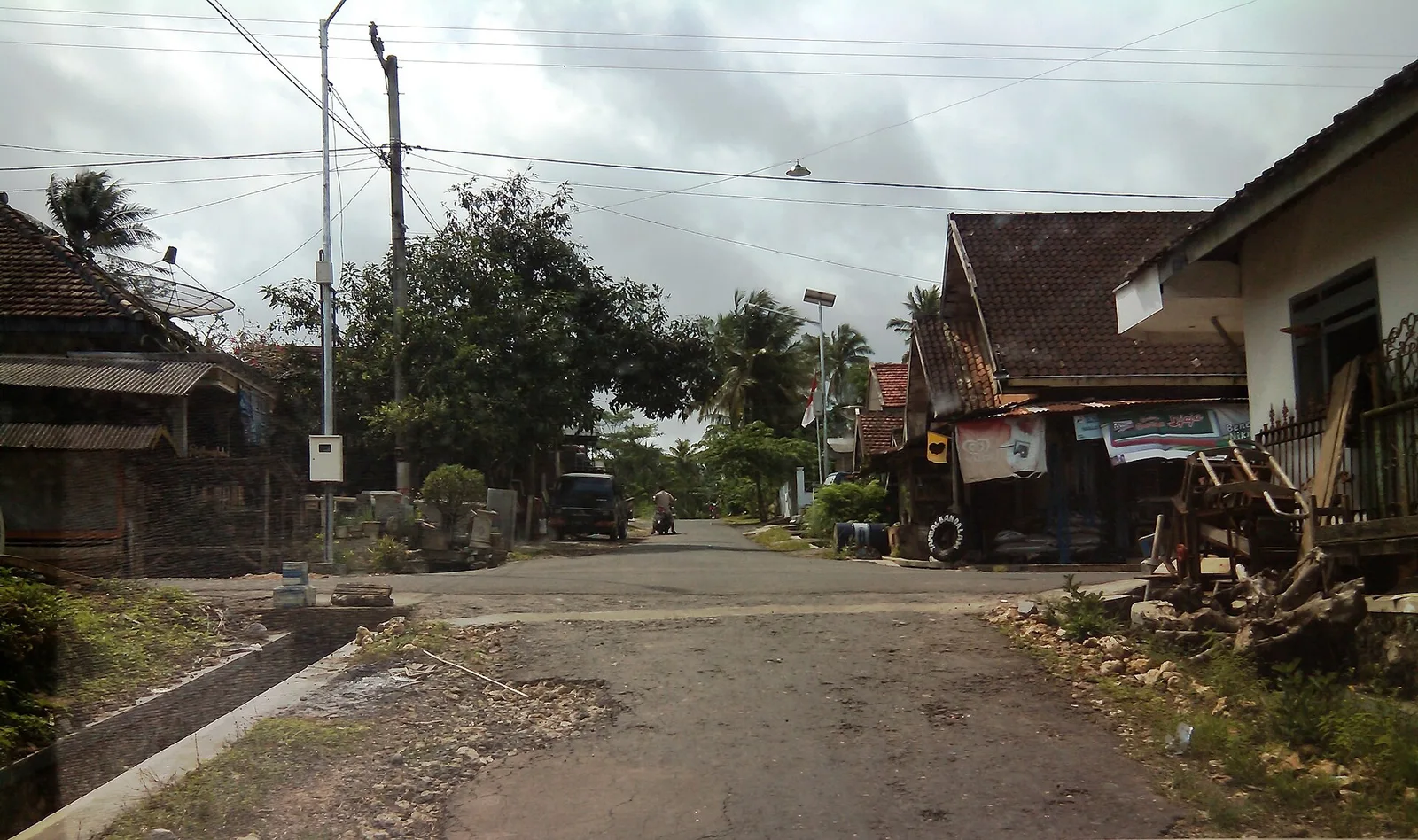
Reaching this rugged coastline often involves driving south from major Javanese cities like Yogyakarta or Bandung. The roads wind through hilly terrain and local villages, so renting a car with a driver or riding a reliable motorbike is common.
📅
Best season
The dry season, usually between May and September, is the most favorable time to visit, offering clear skies and safer road conditions. During the wet season, heavy rains can cause localized flooding and obscure the spectacular ocean views.
⛰️
Terrain & paths
The coastline features dramatic limestone cliffs, hidden coves, and expanses of dark volcanic sand facing the powerful Indian Ocean. Accessing the specific beaches often requires descending steep, sometimes unpaved tracks or walking along uneven, rocky shores.
🎒
What to bring
Solid walking sandals or trekking shoes are advised for the rocky descents, along with swimwear and copious amounts of sunblock. Carrying cash in local currency is highly recommended, as ATMs are scarce in remote coastal villages.
🅿️
Parking
Most popular beaches have designated, rustic parking areas managed by local communities where a small fee is customarily charged. At more secluded, mystical spots, parking might just be an informal clearing near the top of the cliff.
⚠️
Safety
Swimming is largely prohibited or highly dangerous due to extreme rip currents and massive, unpredictable waves associated with local legends. Visitors must heed local warnings, stay far back from cliff edges, and never underestimate the ocean's raw power here.
⏱️
Time needed
Exploring a specific segment of the coastline and taking in the rugged beauty typically consumes a full day when factoring in travel time. Photographers or surfers chasing massive waves often spend several days basing themselves in nearby towns.

Geography

Coordinates
-8.50000, 113.00000

Facts

  • Bordered by the Indian Ocean
  • High risk of tsunami and seismic activity
  • Limestone karst of the Gunung Kidul
  • Center of the Nyai Roro Kidul legend
  • Major nesting site for sea turtles
  • Features powerful swells and currents

Explore nearby

Notable places around

Route planner — Car & Motorhome

Where do you start? We build the route here, with stops and country notes along the way.

Vehicle
Only stops with (optional):

© OpenStreetMap contributors · OpenRouteService

Sights nearby

Frequently asked questions

Are the beaches on Java's south coast safe for swimming?
Often dangerous due to strong currents and high Indian Ocean waves; caution is advised.
Where are the best surfing spots?
G-Land in Banyuwangi and Batu Karas near Pangandaran are world-famous surfing destinations.
What legend is associated with the south coast?
The legend of Nyi Roro Kidul, Queen of the South Sea, suggests not wearing green on the beach.
Are there national parks on the south coast?
Yes, such as Meru Betiri National Park, famous as a nesting site for sea turtles.
When is the best time to visit?
From May to October, during the dry season, roads and beaches are most accessible.
South Coast of Java: where is it located?
South Coast of Java is located in Indonesia.
South Coast of Java: when is the best time to visit?
The most pleasant time to visit is Jul, Sep.
South Coast of Java: why is it worth visiting?

The South Coast of Java faces the Indian Ocean and is characterized by its rugged geography and powerful sea currents.
View on map → The Top 50 Attractions → OpenStreetMap →
Asia
Explore with Plizio Discover more places in Asia
More places in Indonesia →

Nearby cities

History & landmarks
More places