Plizio Visual Lab

Tengger Caldera Desert
Plizio editorial teamData Sources
desert
—°8
Tengger Caldera Desert (Indonesia)

Weather…

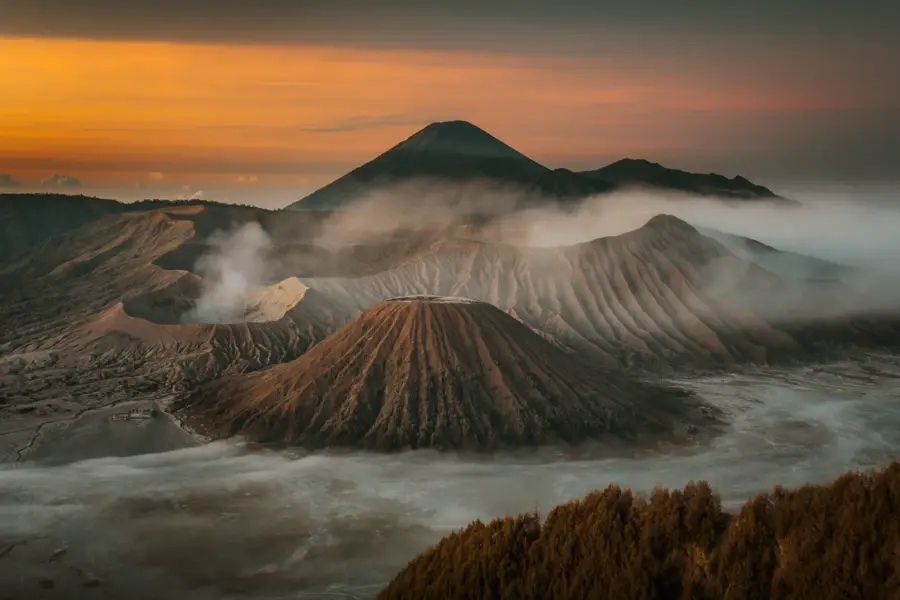
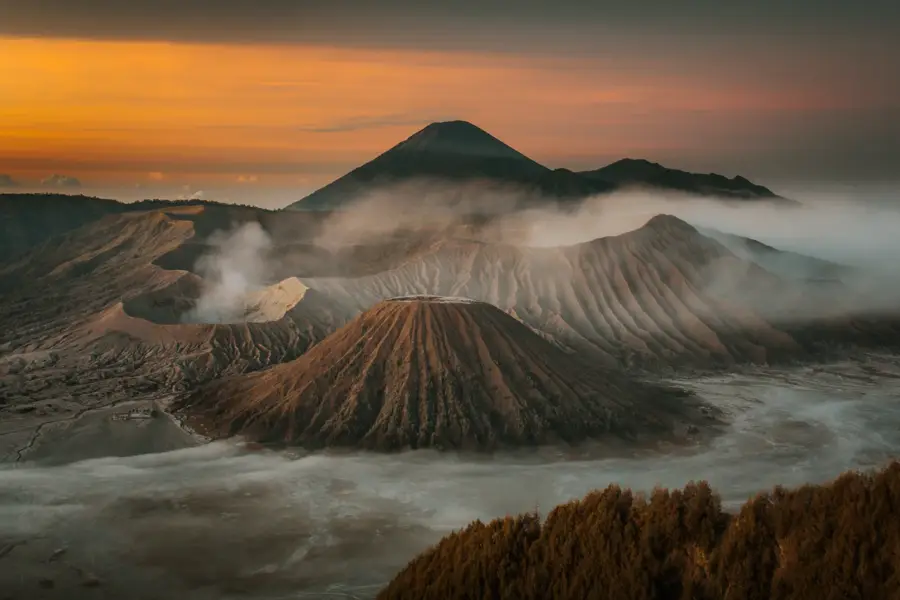
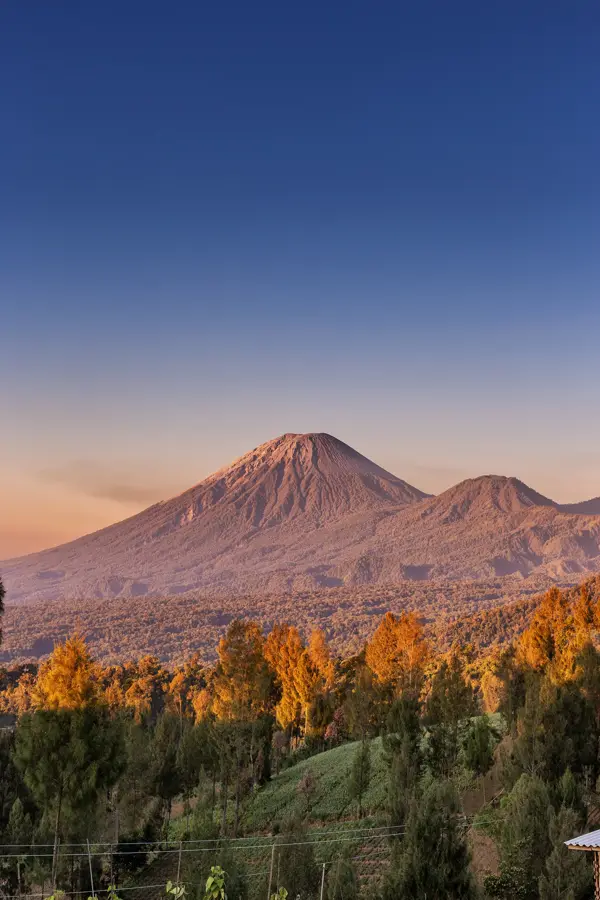
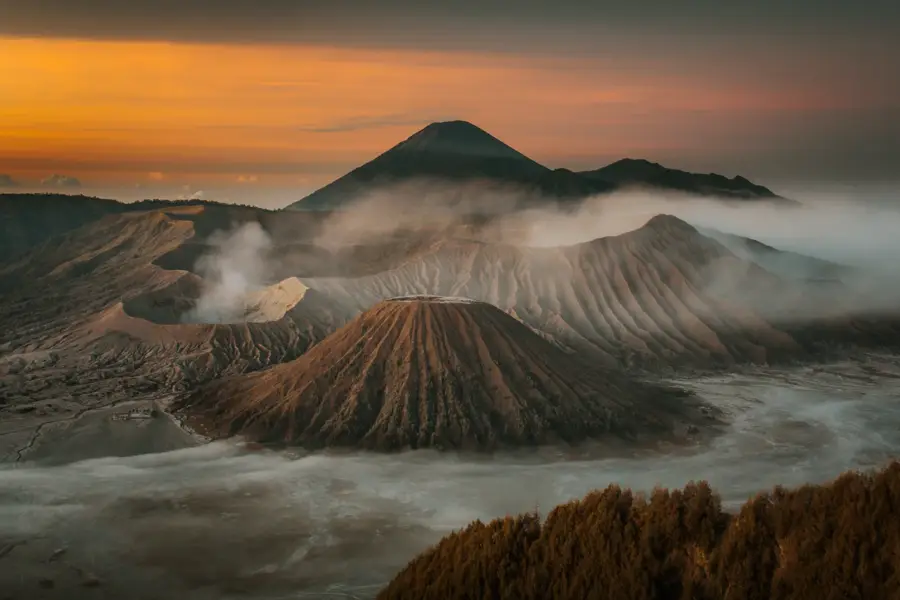
The Tengger Caldera in East Java is one of the most panoramic volcanic landscapes in the world and a centerpiece of the Bromo Tengger Semeru National Park. Spanning approximately 10 kilometers in diameter, this massive caldera contains the famous 'Sea of Sand' (Segara Wedi), a vast, desolate desert of grey volcanic ash and fine sand. Rising from this flat, lunar-like plain are several volcanic cones, most notably the highly active Mount Bromo and the perfectly shaped Mount Batok. The relief is characterized by the sheer walls of the caldera rim, which rise up to 300 meters, encircling the desert basin. This surreal environment was created by the catastrophic collapse of the ancient, much larger Tengger volcano during prehistoric eruptions. Beyond its geological wonder, the region is culturally vital; the Tengger people, who practice a unique form of Hinduism, regard the caldera as sacred. They perform the annual Yadnya Kasada festival, during which they cast offerings of crops and livestock into the smoking crater of Mount Bromo. The altitude ensures a climate much cooler than the tropical lowlands of Java, and early morning mists often blanket the Sea of Sand, creating an ethereal and mystical atmosphere that attracts photographers and travelers from around the globe.

Best time to visit & climate

The most pleasant time to visit is Jul–Sep.

JanFebMarAprMayJunJulAugSepOctNovDec
Avg °C252525252524242426272726
Rain mm3082992681821196936141757131256

📋 Practical info

🧭
Getting there
The vast volcanic sand sea is typically accessed via the village of Cemoro Lawang, which rests directly on the rim of the ancient caldera. From the village, visitors can either hike down into the caldera on foot or hire rugged four-wheel-drive jeeps that frequently ferry tourists across the expansive dusty basin.
📅
Best season
The dry season, spanning from April to October, is widely considered the best time to explore the caldera, offering clearer sunrises and firmer sand for off-road vehicles. During the rainy season, the volcanic dust turns to deep mud, making travel across the sea of sand much more difficult and less visually impressive.
⛰️
Terrain & paths
The area is characterized by an immense, remarkably flat expanse of fine grey volcanic ash and sand, bordered by the steep, towering walls of the caldera rim. The loose surface material can make walking somewhat strenuous, similar to trekking through deep dune sand, though the overall gradient within the basin is mostly level.
🎒
What to bring
Warm layered clothing is essential, as temperatures plummet dramatically before dawn when most visitors begin their journey to watch the sunrise. Additionally, bringing a scarf or mask to cover your mouth and nose is highly advisable to protect against the fine volcanic dust that is frequently whipped up by the wind or passing jeeps.
🅿️
Parking
Private vehicles are generally restricted from entering the caldera itself; therefore, parking is predominantly managed at accommodations or designated areas in Cemoro Lawang. From these elevated parking spots, visitors coordinate their descent into the sandy basin utilizing the organized local jeep cooperatives.
⚠️
Safety
Visitors must constantly check the latest volcanic activity reports, as sudden eruptions can result in immediate area closures and hazardous atmospheric conditions. Staying clear of the steeper, unstable crater edges and keeping an eye out for erratic off-road vehicle traffic across the featureless sand are also important precautions.
⏱️
Time needed
The standard excursion, which typically involves an early morning viewpoint hike followed by a cross-caldera trip to the active crater, generally requires about half a day. However, spending one to two full days in the surrounding villages is recommended to acclimate, enjoy the unique landscape at a relaxed pace, and avoid rushing.

Geography

Coordinates
-7.93000, 112.95000

Facts

  • The caldera measures approximately 10 kilometers across.
  • The 'Sea of Sand' (Segara Wedi) sits at an altitude of 2,100 meters.
  • Mount Bromo is the most active peak within the caldera at 2,329 meters.
  • Part of the Bromo Tengger Semeru National Park, a UNESCO Biosphere Reserve.
  • The Yadnya Kasada festival has been observed for over 500 years.
  • The rim of the caldera represents the collapsed flanks of the prehistoric Tengger volcano.
  • The area is famous for the 'cold lava' (lahar) flows that occur during heavy rains.

Explore nearby

Notable places around
Route planner — Car & Motorhome

Where do you start? We build the route here, with stops and country notes along the way.

Vehicle
Only stops with (optional):

© OpenStreetMap contributors · OpenRouteService

Sights in the town Tengger Caldera Desert (8)

Sunrise Point 1🌿 nature

A high vantage point perfectly positioned to watch the sun rise over the smoking volcanic craters.

Nice panorama🌿 nature

A broad observation spot offering a panoramic vista of the desolate volcanic desert landscape.

Sunrise viewpoint🌿 nature

A popular ridge for hikers to witness the first morning light illuminating the caldera floor.

Secret free entrance to Bromo📍 landmark

A hidden walking trail used by locals and budget travelers to enter the caldera on foot.

free path to sunrise hill 2 hours📍 landmark

A steep two-hour hiking path through the hills leading to an elevated sunrise viewpoint.

Museum Tengger🏛 museum

A cultural museum showcasing artifacts and traditional ways of life of the local Tenggerese people.

Ngadas Bat Cave📍 landmark

A natural limestone cave near Ngadas village known for its large colony of resident bats.

Pura Luhur Poten⛪ religious

An isolated Hindu temple standing prominently on the Sea of Sand, used for the Yadnya Kasada sacrificial festival.

Sights nearby

Frequently asked questions

What is the Tengger Caldera?
A massive volcanic crater in East Java containing a 'sea of sand' and several volcanoes like Mt Bromo.
Can you drive a car in the sand desert?
Only 4x4 Jeeps are allowed and necessary to navigate the soft volcanic sand terrain.
Is horseback riding available there?
Yes, local guides offer horses to ride to the foot of the Bromo crater stairs.
What time should I be there for sunrise?
You should start around 3:30 AM to reach the viewpoints in time for the 5 AM sunrise.
What is the Kasada festival?
A festival of the Tengger people where offerings are thrown into the volcano crater.
Tengger Caldera Desert: where is it located?
Tengger Caldera Desert is located in Indonesia.
Tengger Caldera Desert: what is there to see?
Highlights include Sunrise Point 1, Nice panorama, Sunrise viewpoint.
Tengger Caldera Desert: when is the best time to visit?
The most pleasant time to visit is Jul, Sep.
Tengger Caldera Desert: why is it worth visiting?

The Tengger Caldera in East Java is one of the most panoramic volcanic landscapes in the world and a centerpiece of the Bromo Tengger Semeru National Park.
View on map → The Top 50 Attractions → OpenStreetMap →
Asia
Explore with Plizio Discover more places in Asia
More places in Indonesia →

Nearby cities

History & landmarks
Nature

More places