Plizio Visual Lab
Nagpur
ℹ️Practical info — Nagpur
▾
🌤 Weather — 5 days
📍 Nearby
Sights nearby
💡 Tips
- Visit the Zero Mile Stone, a monument indicating the geographical center of India, located in the heart of the city.
- Nagpur can get incredibly hot in summer (April-June), so plan outdoor visits for early morning or late afternoon.
- The city's metro network is clean and efficient for traveling between major points like Sitabuldi and the airport.
- When buying the famous Nagpur oranges (in season from November to March), buy directly from the Cotton Market for the best prices.
🍽 Food
A quintessential Nagpur breakfast: flattened rice served with a spicy, watery chickpea curry. Find it at street carts early in the morning.
Experience the incredibly spicy local Saoji cuisine; look for authentic 'Saoji Bhojnalayas' in the traditional neighborhoods.
A sweet milk-based dessert flavored with local oranges; available at well-known sweet shops across the city.
🛍 Shopping · 🧘 Quiet spots
A bustling street market area good for clothing, footwear, and household items, but be prepared to bargain.
Purchase fresh oranges and orange products like squashes and jams from local markets during the winter season.
The largest lake in the city, surrounded by a garden, well-suited for a peaceful morning stroll.
Although busy in the evening, visiting early in the day features a calm atmosphere with views of the surrounding fountains.
Water temperature…
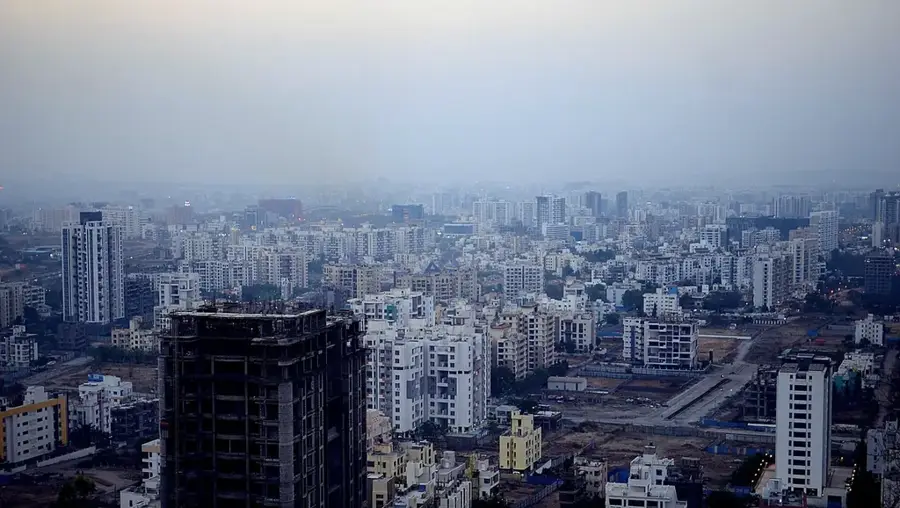
Nagpur, the geographical center of India and the winter capital of Maharashtra, is widely renowned as the 'Orange City' due to its vast citrus plantations. Founded in 1702 by the Gond King Bakht Buland Shah, it later became a major administrative center for the Bhonsle Marathas and the British Central Provinces. A unique landmark in the city is the 'Zero Mile Marker,' a sandstone pillar erected by the British to denote the precise center of India for distance measurements. Nagpur holds immense historical and spiritual weight as the site of Deekshabhoomi, the world's largest hollow Buddhist stupa, where Dr. B. R. Ambedkar converted to Buddhism in 1956. The city is a vital transportation hub, situated at the intersection of India's major North-South and East-West railway corridors. Economically, Nagpur thrives on agriculture, mining, and the massive MIHAN project, which aims to develop a world-class multimodal logistics hub. With a population of over 2.5 million, it is consistently ranked among the cleanest and most livable cities in India, featuring numerous lakes like Ambazari and Futala. Its central location ensures its role as a key player in the nation's logistics and industrial growth.
- Location: India
- Top sights: Sitabuldi Fort · Deekshabhoomi · Maharaj Bagh
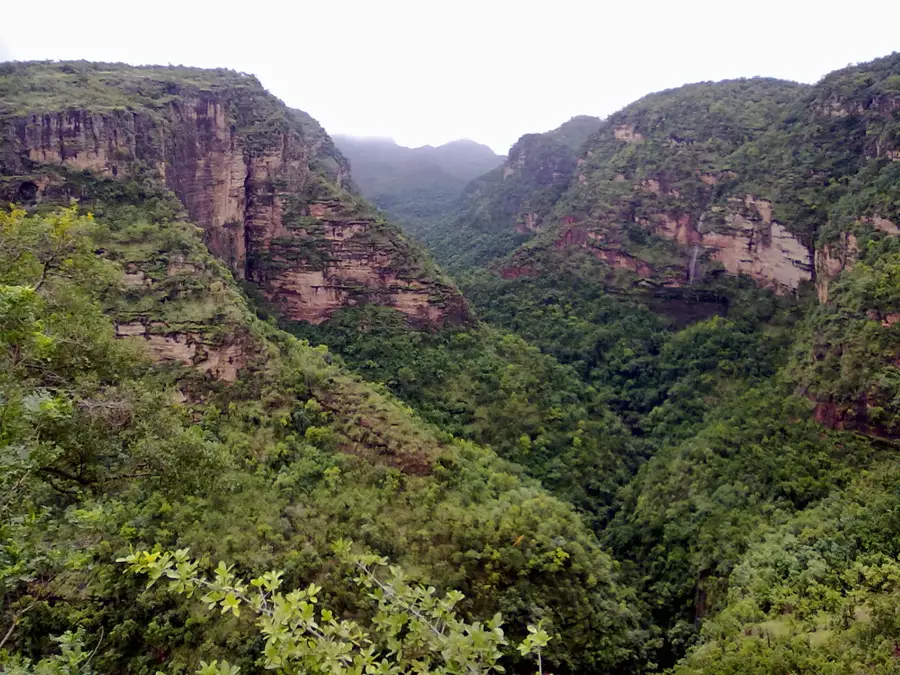
- Nearby: Pachmarhi (78 km)
- Population: ~2.405.665 (2025)
Best time to visit & climate
The most pleasant time to visit is Jan, Nov, Dec.
| Jan | Feb | Mar | Apr | May | Jun | Jul | Aug | Sep | Oct | Nov | Dec | |
|---|---|---|---|---|---|---|---|---|---|---|---|---|
| Avg °C | 20 | 24 | 29 | 34 | 37 | 32 | 27 | 26 | 26 | 24 | 22 | 20 |
| Rain mm | 13 | 9 | 19 | 11 | 18 | 193 | 305 | 256 | 173 | 43 | 10 | 3 |
Geography
Facts
- The 'Zero Mile Marker' pillar was installed by the British in 1907 to mark the center of India.
- Nagpur was the capital of the Central Provinces and Berar until the state reorganization in 1956.
- Deekshabhoomi is the largest hollow stupa in the world and a major Buddhist pilgrimage site.
- Nagpur is the third most populous city in Maharashtra and a key educational center.
- Nagpur oranges were granted a Geographical Indication (GI) tag in 2014 for their unique quality.
- The city is home to the National Environmental Engineering Research Institute (NEERI).
Explore nearby
Notable places around
Route planner — Car & Motorhome
Where do you start? We build the route here, with stops and country notes along the way.
© OpenStreetMap contributors · OpenRouteService
Sights in the town Nagpur (14)
Frequently asked questions
Why is Nagpur called 'Orange City'?
What is the 'Zero Mile Stone'?
Are there wildlife sanctuaries nearby?
How is the climate in Nagpur?
Is Nagpur well connected?
Nagpur: where is it located?
Nagpur: what is there to see?
Nagpur: when is the best time to visit?
Nagpur: why is it worth visiting?

Nearby cities
History & landmarks
Nature
More places