Plizio Visual Lab

Zanskar Valley
Plizio editorial teamData Sources
valley
—°2
Zanskar Valley (India)

Weather…

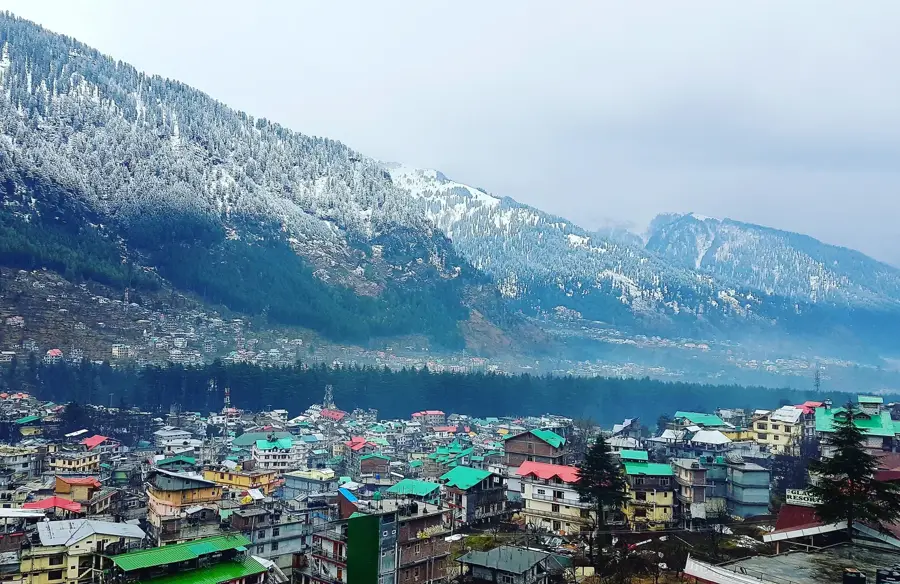
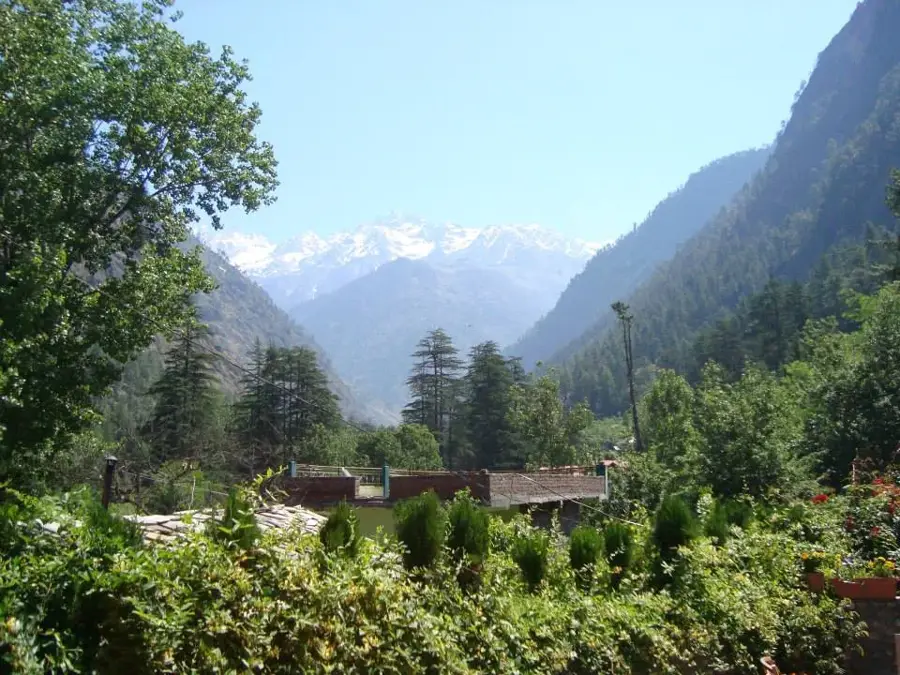
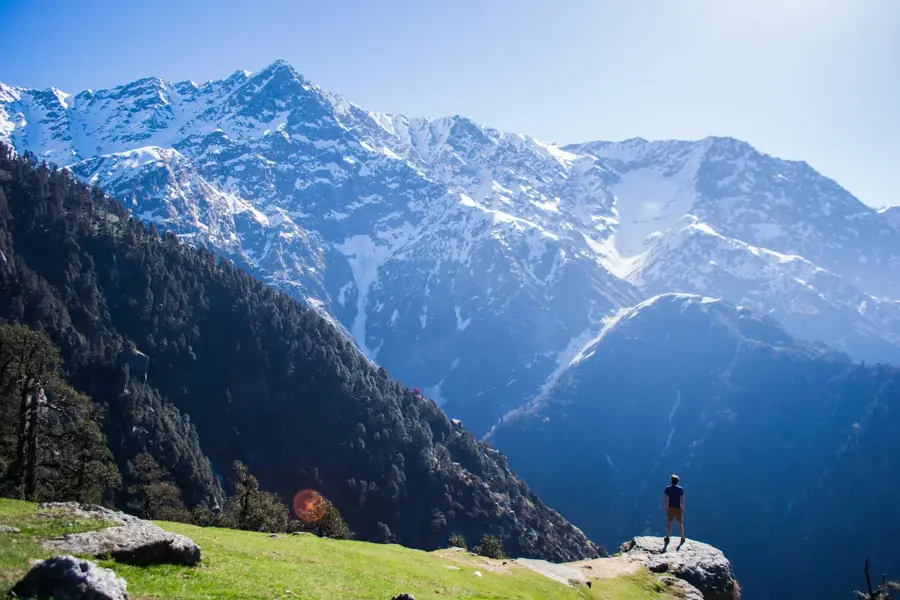
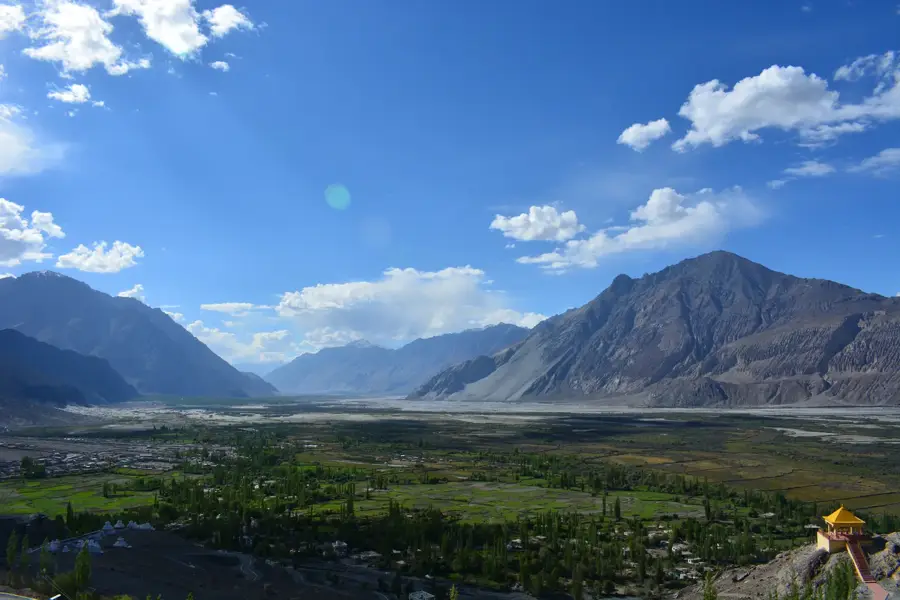
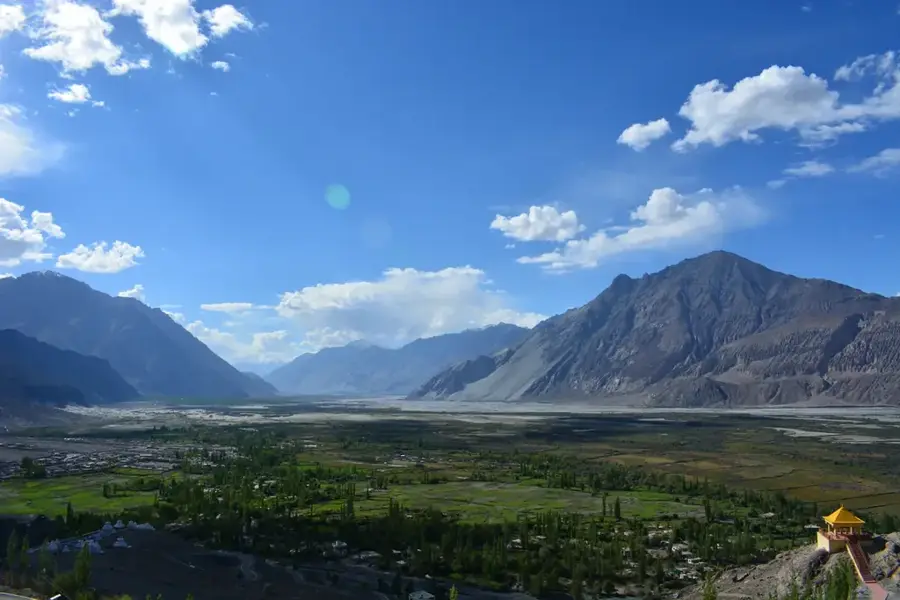
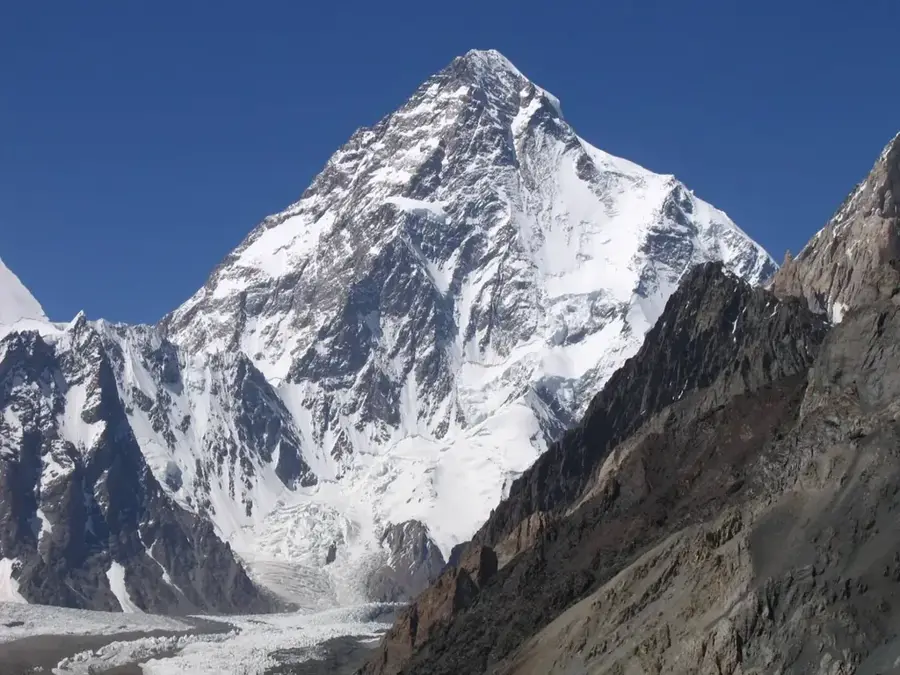
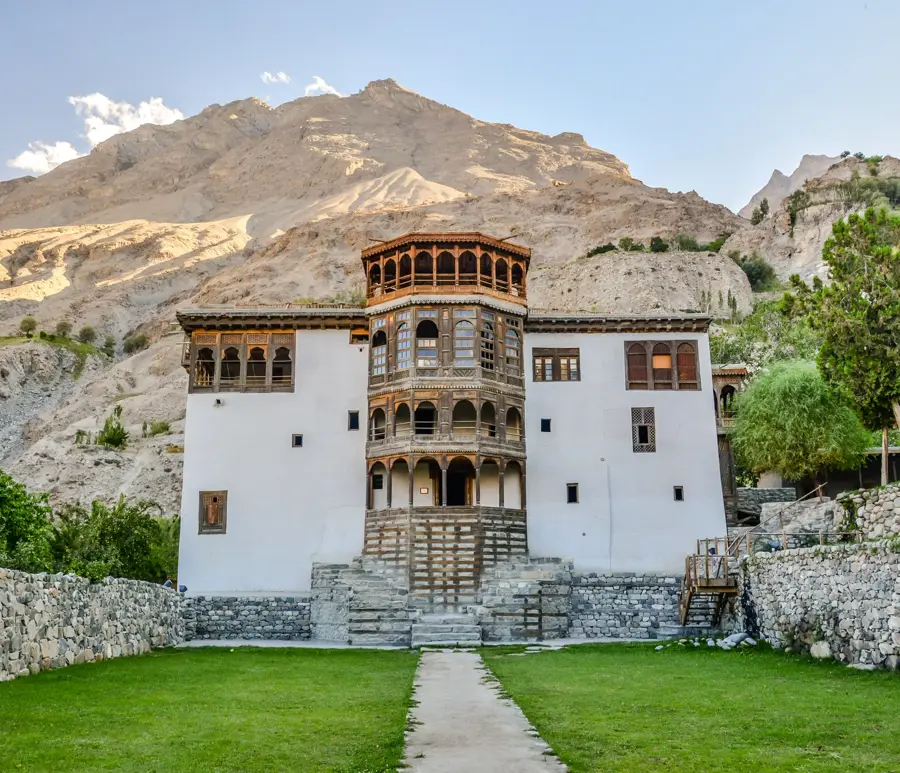
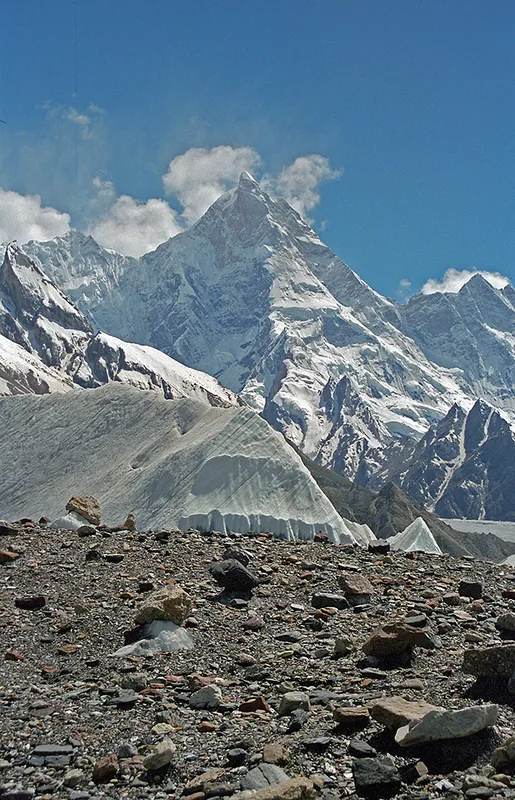
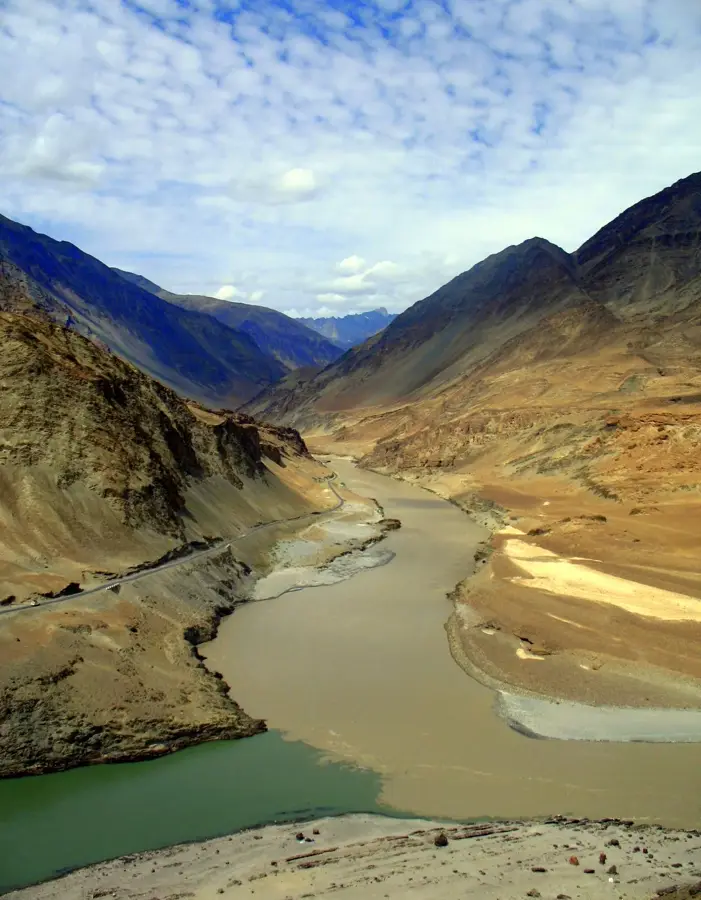
Zanskar Valley is a remote high-altitude region in the union territory of Ladakh, renowned for its rugged beauty and deeply rooted Tibetan Buddhist culture. Positioned between the Zanskar Range and the Great Himalayas, the valley lies at an average elevation ranging from 3,500 to 7,000 meters. The valley is traversed by the Zanskar River, which freezes in winter to create the famous Chadar Trek, historically the only route out of the valley during the harsh winter months. The landscape is characterized by barren terrains, deep gorges, and isolated villages featuring significant monasteries like Karsha and Phugtal. Agriculture is limited by the extreme climate to a short summer season, focusing mainly on barley cultivation. Despite the opening of new road links, Zanskar Valley has largely preserved its original character and traditional way of life. It remains a premier destination for adventure travelers and researchers interested in the geology and culture of the Indian Himalayas.

Best time to visit & climate

The most pleasant time to visit is Jun–Aug.

JanFebMarAprMayJunJulAugSepOctNovDec
Avg °C-17-15-10-3161095-2-8-14
Rain mm303337322325333725112017

📋 Practical info

🧭
Getting there
Zanskar Valley is one of the most remote regions in Ladakh and can be reached via the road from Kargil or through the new Shinku La pass from Darcha. Travel usually requires a sturdy 4x4 vehicle, as the mountain roads are often unpaved and navigate through extremely challenging high-altitude terrain.
📅
Best season
The best time to visit the valley is from June to September, when the high passes are clear of snow and road conditions are most stable. In mid-winter, from January to February, the valley is often cut off by road and is only accessible via the famous Chadar trek over the frozen river.
⛰️
Terrain & paths
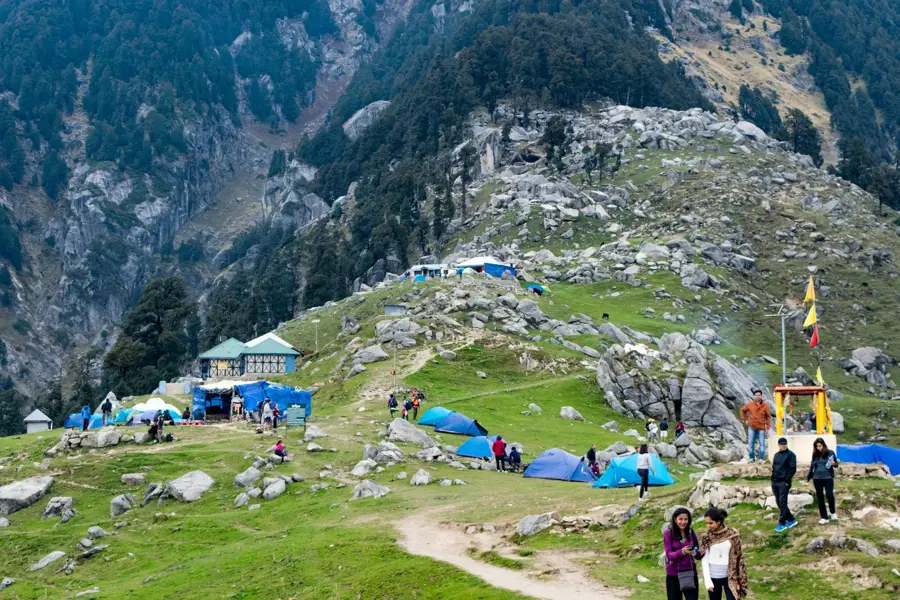
The terrain is characterized by barren high-altitude landscapes, deep gorges, and steep trails that sit at an average elevation of over 3,500 meters. Hikers should prepare for rocky ground and significant inclines, while the valley floor gives wide, open plains with spectacular mountain views.
🎒
What to bring
Essential gear includes high-quality hiking boots, warm layered clothing for extreme temperature shifts, and strong sun protection against intense UV radiation. Due to the isolation, travelers should also carry a first-aid kit, ample water supplies, and potentially medication for altitude sickness.
🅿️
Parking
In the district headquarters of Padum, there are central areas for leaving vehicles, while in smaller villages, parking is mostly limited to the roadside. It is advisable to use parking spaces near guesthouses, as organized public parking garages do not exist in this wild mountain region.
⚠️
Safety
The greatest risk is altitude sickness, making slow acclimatization mandatory before heading to higher elevations. Additionally, sudden weather changes and rockfalls on narrow mountain passes can pose hazards, so visitors should always check for the latest local travel updates and conditions.
⏱️
Time needed
Due to the difficult access and long distances, you should plan for at least 5 to 7 days to experience the cultural and scenic highlights of the valley. Shorter stays are hardly worthwhile, as the journey into the valley alone often takes several days from the nearest major towns.

Geography

Coordinates
33.78000, 76.85000

Facts

  • 3,500m: Average elevation of the valley floor.
  • 100 km: Approximate length of the frozen Chadar Trek.
  • 7,135m: Height of Nun Peak, the highest nearby.
  • 10 months: Time the area is cut off by snow.
  • 10th: Century when the Karsha Monastery was founded.
  • 1980: Year Ladakh was opened to foreign tourists.

Explore nearby

Notable places around
Route planner — Car & Motorhome

Where do you start? We build the route here, with stops and country notes along the way.

Vehicle
Only stops with (optional):

© OpenStreetMap contributors · OpenRouteService

Sights in the town Zanskar Valley (2)

Chadar trek📍 landmark

Chadar trek is a winter hike on the frozen Zanskar River in Ladakh, India.

Zanskar River📍 landmark

The Zanskar River flows through the Ladakh region of India, a tributary of the Indus.

Sights nearby

Frequently asked questions

How do you reach Zanskar Valley?
Mainly via road from Kargil to Padum, or in winter by trekking over the frozen river.
What is the 'Chadar Trek'?
A famous winter trek on the frozen Zanskar River under extreme sub-zero conditions.
When is the best time to visit?
June to September for trekking and road travel; January to February for the Chadar Trek.
Are there monasteries to visit?
Yes, Phugtal Monastery, spectacularly built into a cliffside, is a major highlight.
Is the valley suitable for families?
Only for adventurous families, as the region is remote and the altitude is challenging.
Zanskar Valley: where is it located?
Zanskar Valley is located in India.
Zanskar Valley: what is there to see?
Highlights include Chadar trek, Zanskar River.
Zanskar Valley: when is the best time to visit?
The most pleasant time to visit is Jun, Aug.
Zanskar Valley: why is it worth visiting?

Zanskar Valley is a remote high-altitude region in the union territory of Ladakh, renowned for its rugged beauty and deeply rooted Tibetan Buddhist culture.
View on map → The Top 50 Attractions → OpenStreetMap →
Asia
Explore with Plizio Discover more places in Asia
More places in India →

Nearby cities

History & landmarks

Nature
More places