Plizio Visual Lab
Nesjavellir Power Station
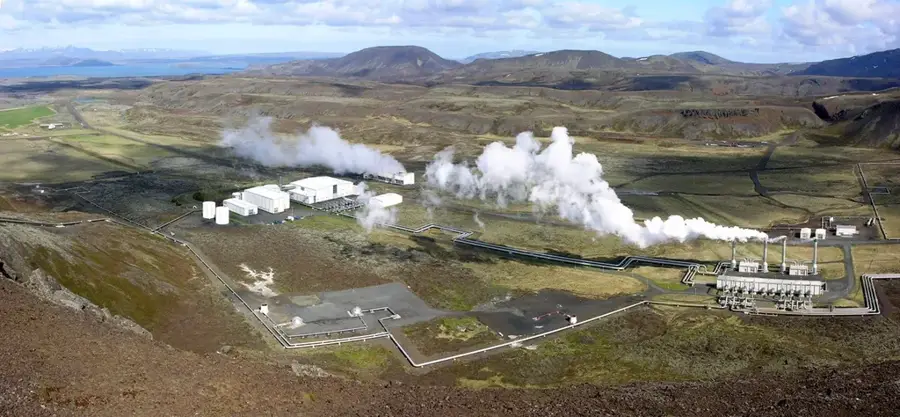
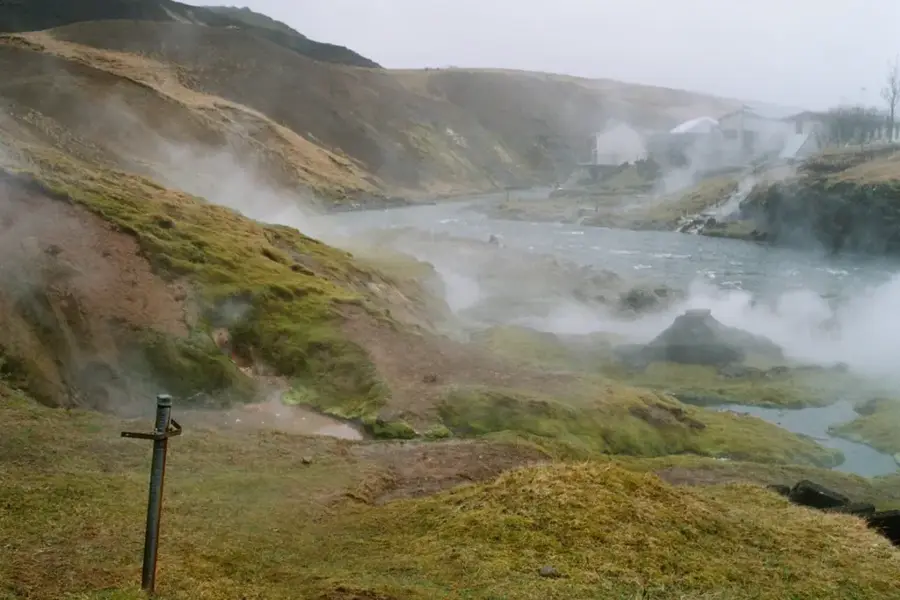
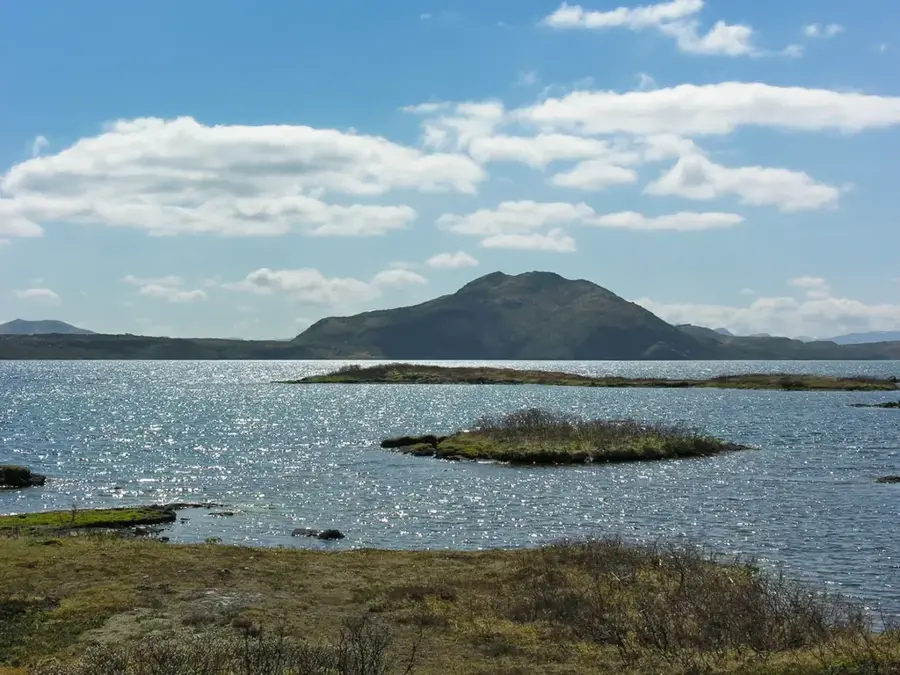
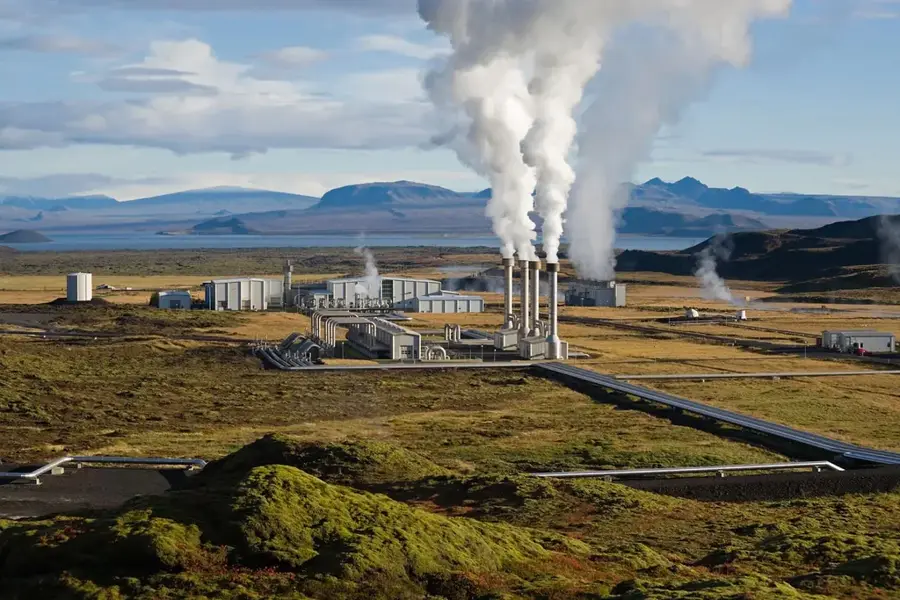
The Nesjavellir Power Station is the second largest geothermal power plant in Iceland, located at the northern end of the Hengill geothermal area near Lake Þingvallavatn. Operational since 1990, the plant has been fundamental in providing the capital city of Reykjavík with sustainable hot water and electricity. It utilizes high-temperature geothermal steam and brine, with its heat exchange system specifically designed to heat cold groundwater for the city's district heating network. A notable engineering feat of the station is the 27-kilometer insulated pipeline that transports hot water to Reykjavík with a temperature loss of only about 2°C. The station is operated by ON Power and serves as a model for co-generation plants that produce both thermal and electrical energy simultaneously. Set against a backdrop of dramatic volcanic landscapes and steaming vents, the area around the plant is also popular for outdoor activities and geological study. Nesjavellir remains a cornerstone of Iceland's green energy infrastructure and technological innovation.
- Location: Iceland
- Top sights: Adventure park · Mælifell · Sandfell
- Nearby: Hveragerði (12 km)
Best time to visit & climate
The most pleasant time to visit is Jun–Aug.
| Jan | Feb | Mar | Apr | May | Jun | Jul | Aug | Sep | Oct | Nov | Dec | |
|---|---|---|---|---|---|---|---|---|---|---|---|---|
| Avg °C | -1 | -1 | 0 | 3 | 6 | 9 | 11 | 10 | 8 | 4 | 1 | -1 |
| Rain mm | 179 | 162 | 161 | 123 | 96 | 86 | 105 | 121 | 184 | 149 | 149 | 182 |
📋 Practical info
Geography
Facts
- The plant has a thermal output of approximately 300 megawatts.
- The installed electrical capacity is around 120 megawatts (MW).
- The power station was officially opened in the year 1990.
- The main pipeline to Reykjavík stretches for about 27 kilometers.
- The hot water loses less than 2 degrees Celsius during its journey to the city.
- Nesjavellir harnesses energy from more than 20 geothermal wells.
Explore nearby
Notable places around
Route planner — Car & Motorhome
Where do you start? We build the route here, with stops and country notes along the way.
© OpenStreetMap contributors · OpenRouteService
Sights in the town Nesjavellir Power Station (3)
Sights nearby
Frequently asked questions
Can you tour the Nesjavellir Power Station?
Where is Nesjavellir located?
What does the power station produce?
Are there hiking trails nearby?
How is the access in winter?
Nesjavellir Power Station: where is it located?
Nesjavellir Power Station: what is there to see?
Nesjavellir Power Station: when is the best time to visit?
Nesjavellir Power Station: why is it worth visiting?

Nearby cities