Plizio Visual Lab
Ljósafoss Power Station
Weather…
Water temperature…
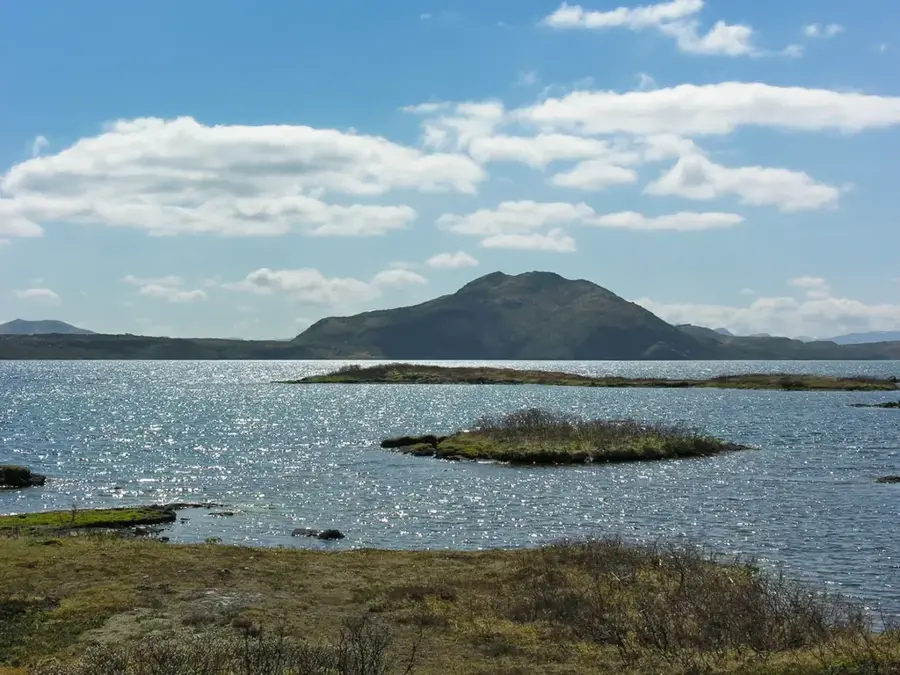
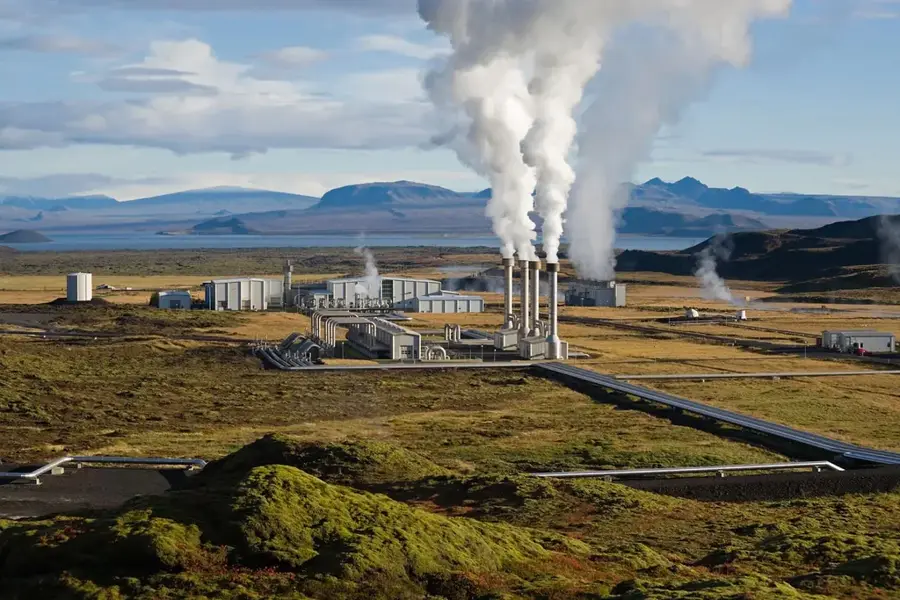
The Ljósafoss Hydropower Plant, located on the Sog River at the outlet of Lake Thingvallavatn, is one of Iceland's oldest and most architecturally significant power stations. Commissioned in 1937, it was instrumental in supplying electricity to the capital, Reykjavík, and driving the electrification of the southwestern region. The building is renowned for its clean Bauhaus-inspired design and is currently protected as an industrial monument representing the pioneering era of Icelandic energy production. Despite its modest capacity of 15 megawatts compared to modern facilities, it has reliably provided clean energy for nearly nine decades, utilizing the steady outflow from the country's largest natural lake. The plant operates with a hydraulic head of approximately 17 meters and houses three turbines that have been modernized over time to maintain operational efficiency. In addition to its role as a power generator, Ljósafoss now hosts an interactive visitor center that educates the public on the history and importance of renewable energy in Iceland. Its harmonious integration into the scenic Sog riverside makes it a popular stop for those interested in industrial heritage.
- Location: Iceland
- Nearby: Laugarvatn (15 km)
Best time to visit & climate
The most pleasant time to visit is Jun–Aug.
| Jan | Feb | Mar | Apr | May | Jun | Jul | Aug | Sep | Oct | Nov | Dec | |
|---|---|---|---|---|---|---|---|---|---|---|---|---|
| Avg °C | -1 | -1 | 0 | 3 | 6 | 9 | 11 | 10 | 8 | 4 | 1 | -1 |
| Rain mm | 179 | 162 | 161 | 123 | 96 | 86 | 105 | 121 | 184 | 149 | 149 | 182 |
📋 Practical info
Geography
Facts
- The power plant was officially commissioned in 1937.
- The total installed capacity is 15 megawatts.
- The station operates with a hydraulic head of about 17 meters.
- It is located on the Sog River, the outlet of Lake Thingvallavatn.
- The building is a prime example of Bauhaus architectural style.
- The site now features a modern interactive energy exhibition.
Explore nearby
Notable places around
Route planner — Car & Motorhome
Where do you start? We build the route here, with stops and country notes along the way.
© OpenStreetMap contributors · OpenRouteService
Sights nearby
Frequently asked questions
Why is Ljósafoss power plant historically important?
Is there an exhibition there?
What are the opening hours of the exhibition?
Where exactly is the power plant located?
Is it family-friendly?
Ljósafoss Power Station: where is it located?
Ljósafoss Power Station: when is the best time to visit?
Ljósafoss Power Station: why is it worth visiting?

Nearby cities

History & landmarks
Nature
More places