Plizio Visual Lab
Grimsey Island Wildlife
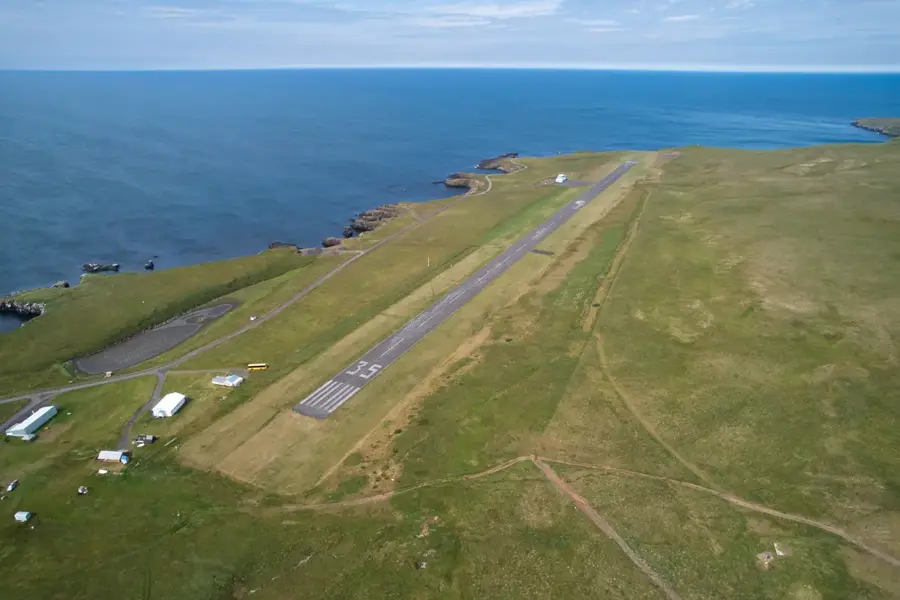
Grimsey Island is located approximately 40 kilometers off the northern coast of Iceland and is the only inhabited part of the country intersected by the Arctic Circle. Covering an area of 5.3 square kilometers, the island is of volcanic origin and is primarily characterized by impressive basalt formations and steep coastal cliffs. Grimsey is world-renowned for its incredibly rich birdlife, which attracts hundreds of thousands of individual birds during the summer months. The Atlantic puffin is the island's most iconic resident, with nesting colonies that rank among the densest in all of Iceland. In addition to the avian population, the island's shores provide a habitat for seals, which are frequently seen resting on the rocky outcrops. The surrounding waters are exceptionally productive, supporting both the local fishing economy and the vast numbers of seabirds. Despite its northern position, the climate is moderated by the Gulf Stream, sustaining surprisingly lush green vegetation.
- Location: Iceland
- Nearby: Siglufjörður (59 km)
Best time to visit & climate
The most pleasant time to visit is Jun–Aug.
| Jan | Feb | Mar | Apr | May | Jun | Jul | Aug | Sep | Oct | Nov | Dec | |
|---|---|---|---|---|---|---|---|---|---|---|---|---|
| Avg °C | 1 | 1 | 1 | 2 | 4 | 7 | 9 | 9 | 7 | 5 | 3 | 2 |
| Rain mm | 108 | 91 | 97 | 77 | 63 | 43 | 63 | 75 | 106 | 124 | 118 | 126 |
📋 Practical info
Geography
Facts
- Only inhabited part of Iceland on the Arctic Circle
- Total island area is 5.3 square kilometers
- Located 40 kilometers from the mainland
- Home to some of the densest puffin colonies
- Composed primarily of volcanic basalt
- Climate is tempered by the warm Gulf Stream
Explore nearby
Notable places around

Route planner — Car & Motorhome
Where do you start? We build the route here, with stops and country notes along the way.
© OpenStreetMap contributors · OpenRouteService
Sights in the town Grimsey Island Wildlife (1)
Sights nearby
Frequently asked questions
Does the Arctic Circle cross Grímsey?
How do you get to the island?
Are there puffins there?
Can you stay overnight?
Can you get a certificate for crossing the Arctic Circle?
Grimsey Island Wildlife: where is it located?
Grimsey Island Wildlife: when is the best time to visit?
Grimsey Island Wildlife: why is it worth visiting?

Nearby cities
History & landmarks
Nature
More places