Csobánc vára
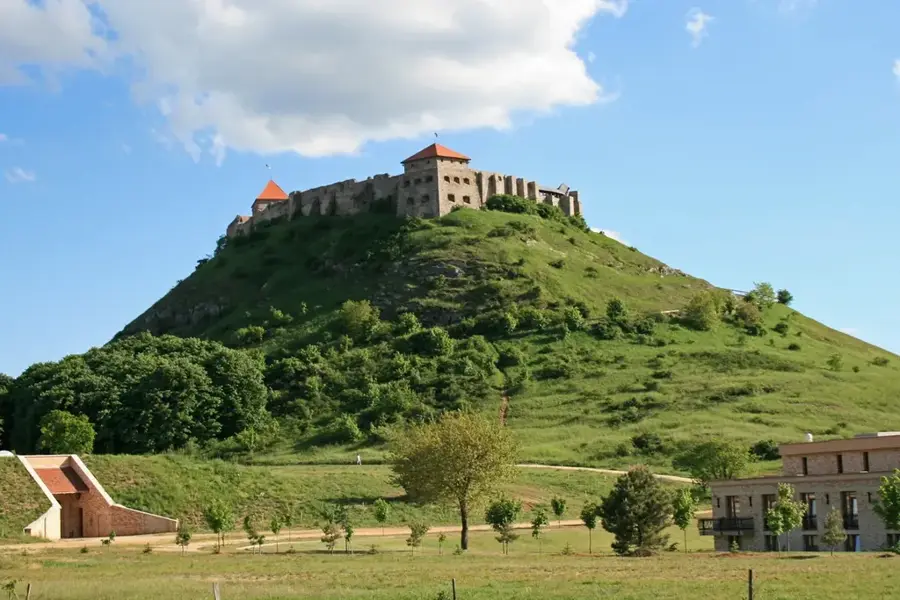
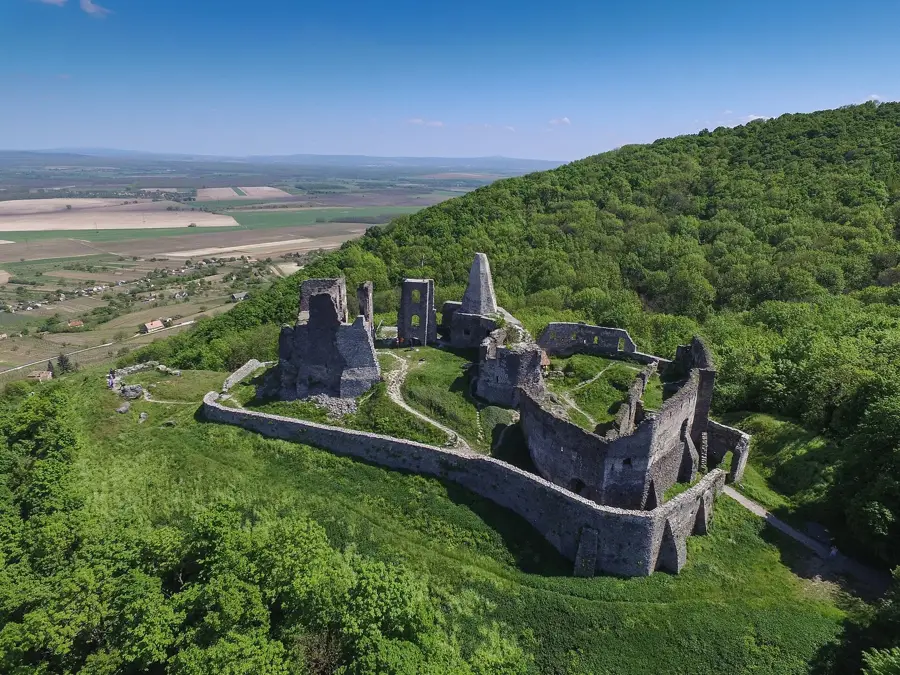
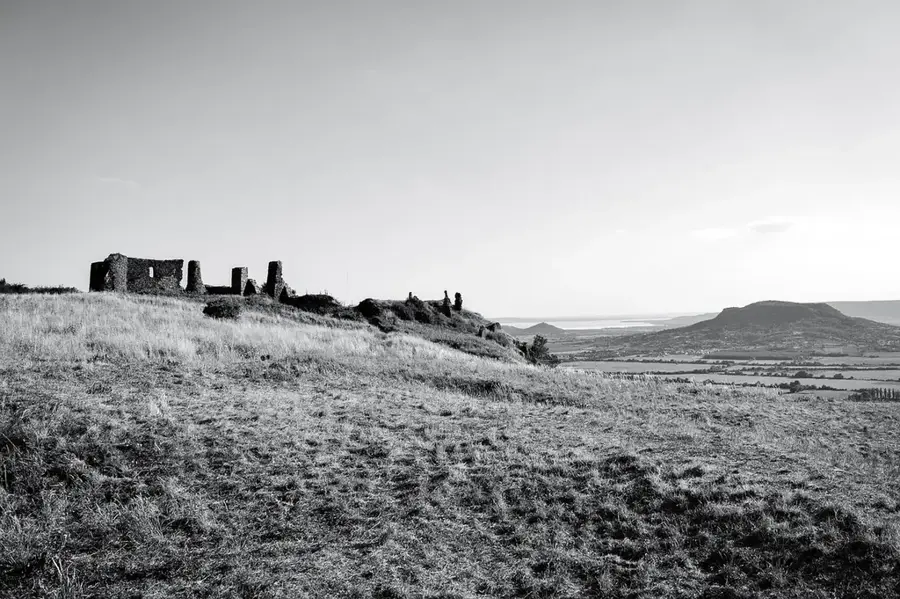
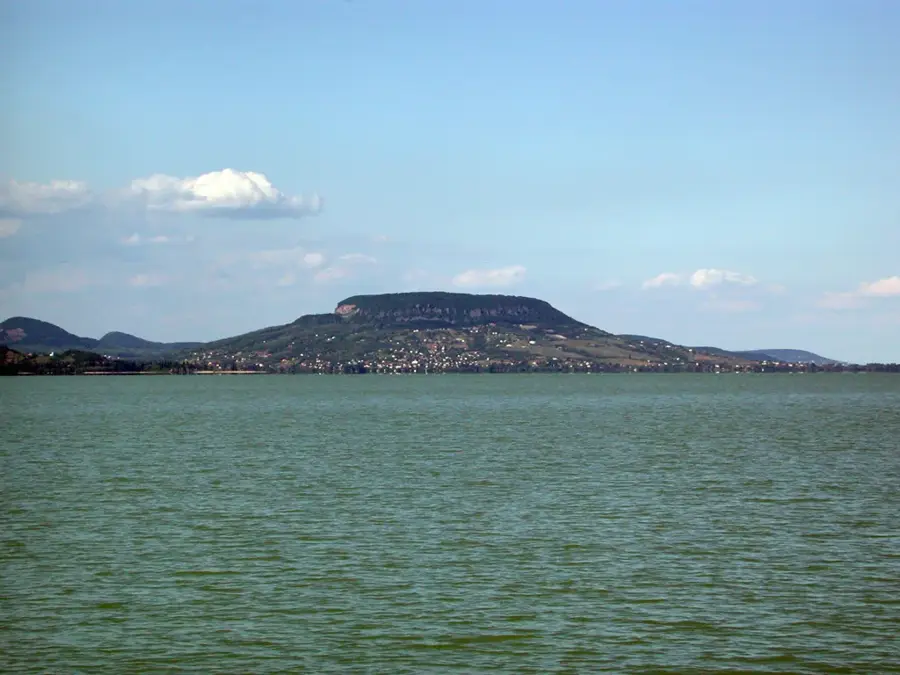
Castle in Hungary, Veszprém County. Ruins of a hilltop castle on Csobánc hill.
🌐 csobancvar.hu🕒 24/7
Plizio Visual Lab
Csobánc is one of the most distinctive witness mountains in the Tapolca Basin, north of Lake Balaton, reaching an elevation of 376 meters. This volcanic hill is characterized by its unique basalt columns and a large, flat summit plateau. At its peak lie the ruins of Csobánc Castle, which was constructed in the 13th century following the Mongol invasion to defend the surrounding lands. The fortress is historically significant for successfully repelling a massive Ottoman siege in 1559 and later serving as a key stronghold during the Rákóczi War of Independence. The mountain slopes are part of the Badacsony wine region, famous for producing exceptional white wines on mineral-rich volcanic soil for centuries. From the top, visitors can enjoy a panoramic view of the Balaton Uplands and neighboring volcanic peaks like Gulács and Badacsony. It remains a favored destination for hikers and paragliders today.
The most pleasant time to visit is Jun–Aug.
| Jan | Feb | Mar | Apr | May | Jun | Jul | Aug | Sep | Oct | Nov | Dec | |
|---|---|---|---|---|---|---|---|---|---|---|---|---|
| Avg °C | -1 | 1 | 5 | 11 | 16 | 21 | 23 | 22 | 17 | 11 | 5 | 0 |
| Rain mm | 36 | 40 | 41 | 35 | 67 | 69 | 62 | 66 | 66 | 54 | 46 | 43 |
Notable places around
Where do you start? We build the route here, with stops and country notes along the way.
© OpenStreetMap contributors · OpenRouteService
Castle in Hungary, Veszprém County. Ruins of a hilltop castle on Csobánc hill.
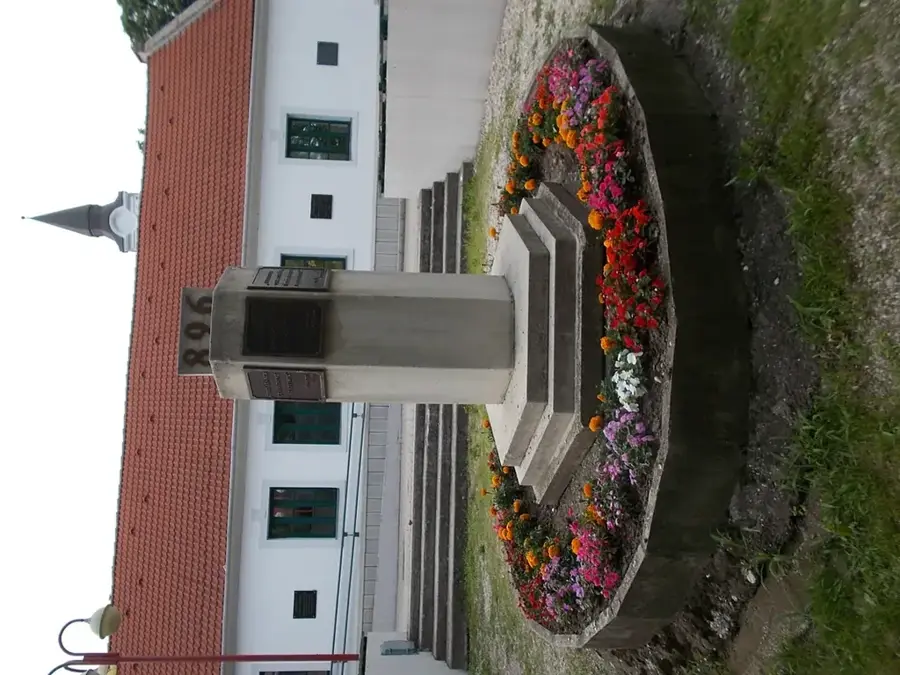
Mansion in Gyulakeszi, Petőfi Sándor u. 3. Former Esterházy manor, Baroque, 18th c.
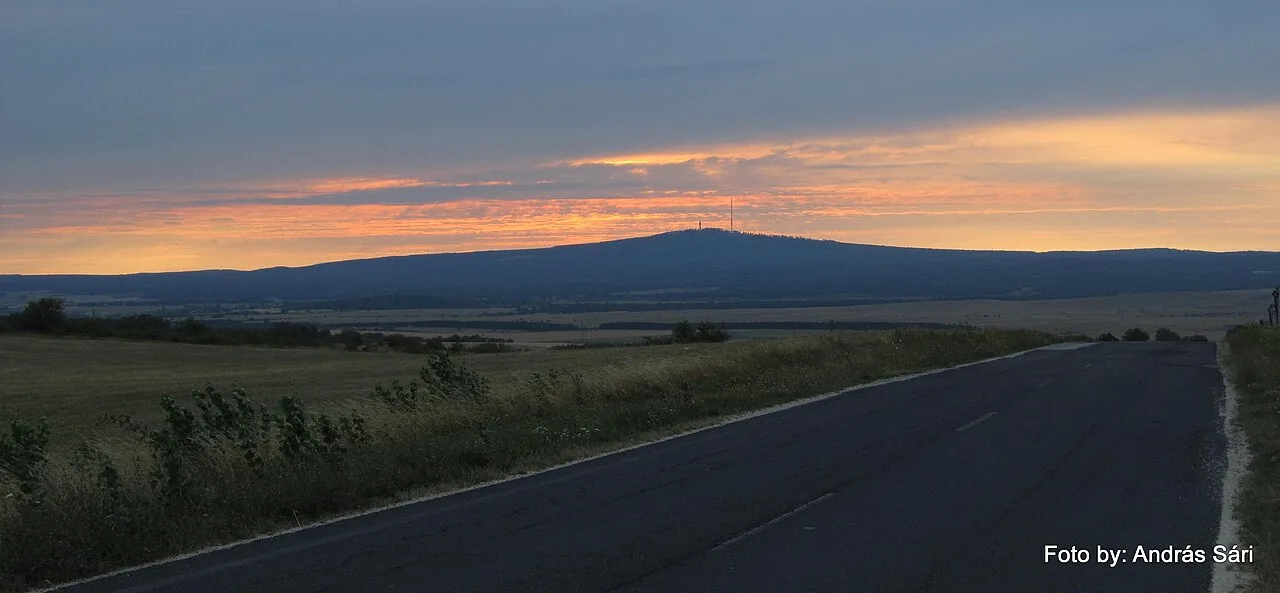
Hill in Veszprém County, Hungary. Volcanic cone, landscape feature.
Museum of visual arts. Temporary exhibitions of contemporary works.