Plizio Visual Lab

White Sand Plateau
Plizio editorial teamData Sources
Relief
—°
White Sand Plateau (Guyana)

Weather…

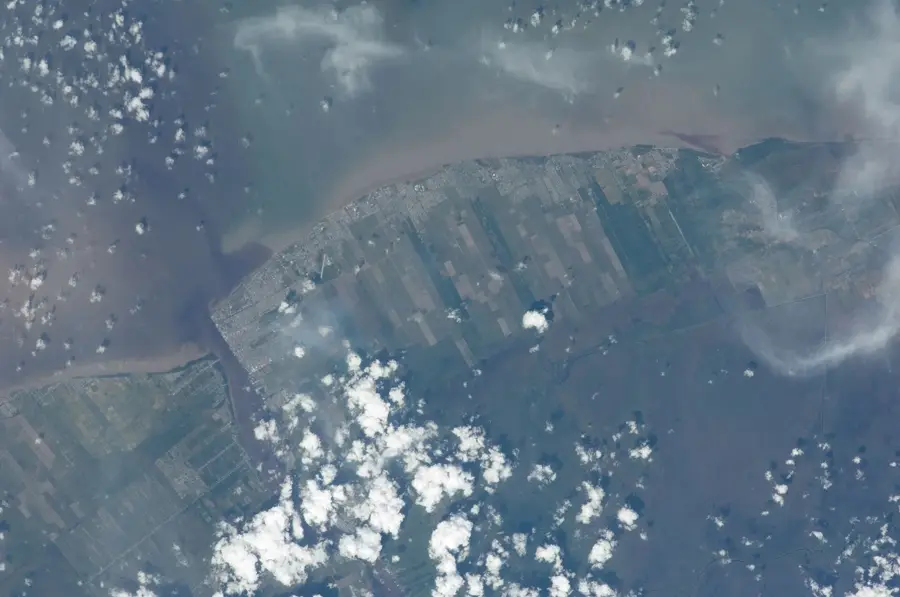
The White Sand Plateau, also known as the Zanderij formation, is a prominent geological region stretching across parts of Guyana and Suriname. This plateau consists predominantly of coarse, white quartz sands formed during the Cenozoic era through erosion and deposition. The soils are extremely nutrient-poor and exhibit high permeability, leading to a specialized vegetation cover in the area. Dry wallaba forests dominate here, having adapted to the challenging soil conditions and hosting a characteristic flora and fauna. The plateau serves as an important water reservoir, as the sand filters rainwater and directs it into deeper aquifers. Economically, the region is partially used for sand and bauxite mining, though this brings ecological challenges to the environment. Due to its low agricultural suitability, the area is less densely populated than the coastal regions. Protecting this unique soil formation is of great importance for maintaining regional water quality.

Best time to visit & climate

The most pleasant time to visit is Mar, Sep, Oct.

JanFebMarAprMayJunJulAugSepOctNovDec
Avg °C252626272626262627272726
Rain mm1631181021452992612591768787134206

📋 Practical info

🧭
Getting there
The area is most frequently accessed via the main highway leading from Georgetown toward Linden or other interior mining and nature regions. Travelers typically hire a 4x4 vehicle or join a guided tour from the capital to navigate the sandy tracks that branch off the main road into the plateau.
📅
Best season
The months of September to November or February to April are generally drier and more suitable for exploring the sandy plateau landscapes. During the rainy seasons, the sandy tracks can become more difficult to navigate, and the heat can be intense even when it is overcast, requiring good hydration.
⛰️
Terrain & paths
Characterized by loose white sandy soil and specialized scrub vegetation, the terrain is relatively flat but can be challenging to walk on. The unique soil type, known as regosols, supports a distinctive ecosystem of hardy plants that have adapted to the nutrient-poor conditions of the plateau.
🎒
What to bring
Sturdy closed hiking boots are essential for sandy trails, along with plenty of drinking water and a wide-brimmed hat for high sun exposure. Lightweight, long-sleeved clothing is recommended to protect your skin from the sun and the abrasive nature of some scrub plants found in the area.
🅿️
Parking
Small parking clearings can be found along the main roads or at specific eco-resort bases located near the edges of the plateau area. If you are not with a tour, ensure your vehicle is parked well off the track and do not leave any valuables visible inside, as these areas can be quite remote.
⚠️
Safety
The white sand reflects high levels of UV radiation; stay on established tracks to avoid getting disoriented in the uniform scrubland vegetation. Always carry a reliable communication device and let someone know your expected return time, as cellular reception can be spotty once you move inland.
⏱️
Time needed
A typical visit can range from 2 to 4 hours for a focused nature walk, though a full day trip from Georgetown is often more practical for most travelers. This allows enough time to travel to the area, explore the unique flora, and enjoy the open vistas without feeling rushed by the travel time.

Geography

Coordinates
5.80000, -58.20000

Facts

  • The plateau consists primarily of quartz sand from the Berbice formation.
  • The sands reached a thickness of over 60 meters in some locations.
  • Wallaba trees make up approximately 60% of the forest composition.
  • The region is one of the most important sources of industrial sand in Guyana.
  • The age of the deposits is estimated to be from the Pliocene and Pleistocene.
  • The soil's permeability prevents the formation of permanent surface water bodies.

Explore nearby

Notable places around
Route planner — Car & Motorhome

Where do you start? We build the route here, with stops and country notes along the way.

Vehicle
Only stops with (optional):

© OpenStreetMap contributors · OpenRouteService

Sights nearby

Frequently asked questions

What is the White Sand Plateau?
A geological formation of quartz sand important for mining and water filtration.
Can the plateau be visited?
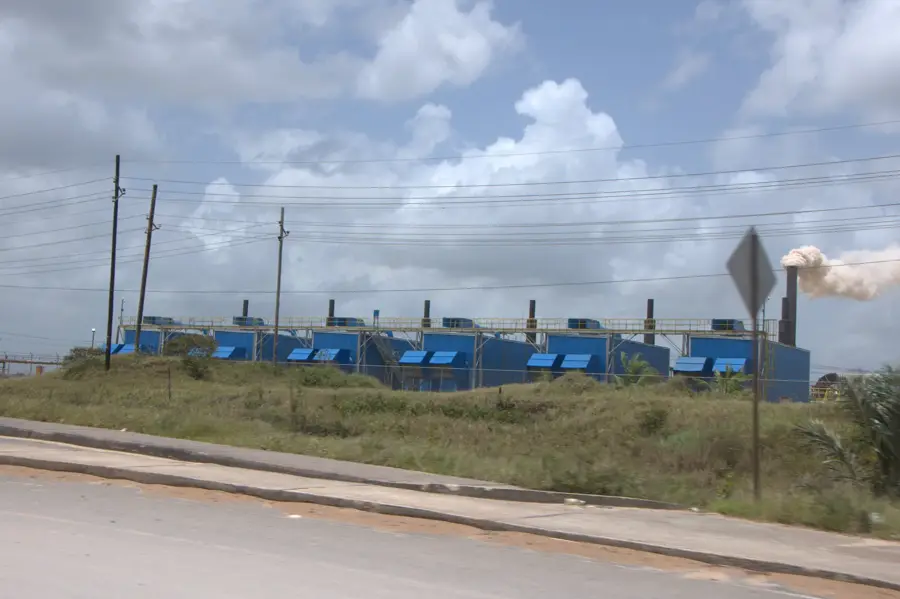
Yes, but it is hardly developed for tourism. Visits usually occur through industrial areas.
What vegetation is found there?
Mainly Wallaba forests, which are adapted to the nutrient-poor sandy soil.
How is the soil condition?
Extremely permeable white sand that directs rainwater immediately into deep layers.
What should you bring for a visit?
Plenty of water and sunscreen, as the white sand strongly reflects sunlight.
White Sand Plateau: where is it located?
White Sand Plateau is located in Guyana.
White Sand Plateau: when is the best time to visit?
The most pleasant time to visit is Mar, Sep, Oct.
White Sand Plateau: why is it worth visiting?
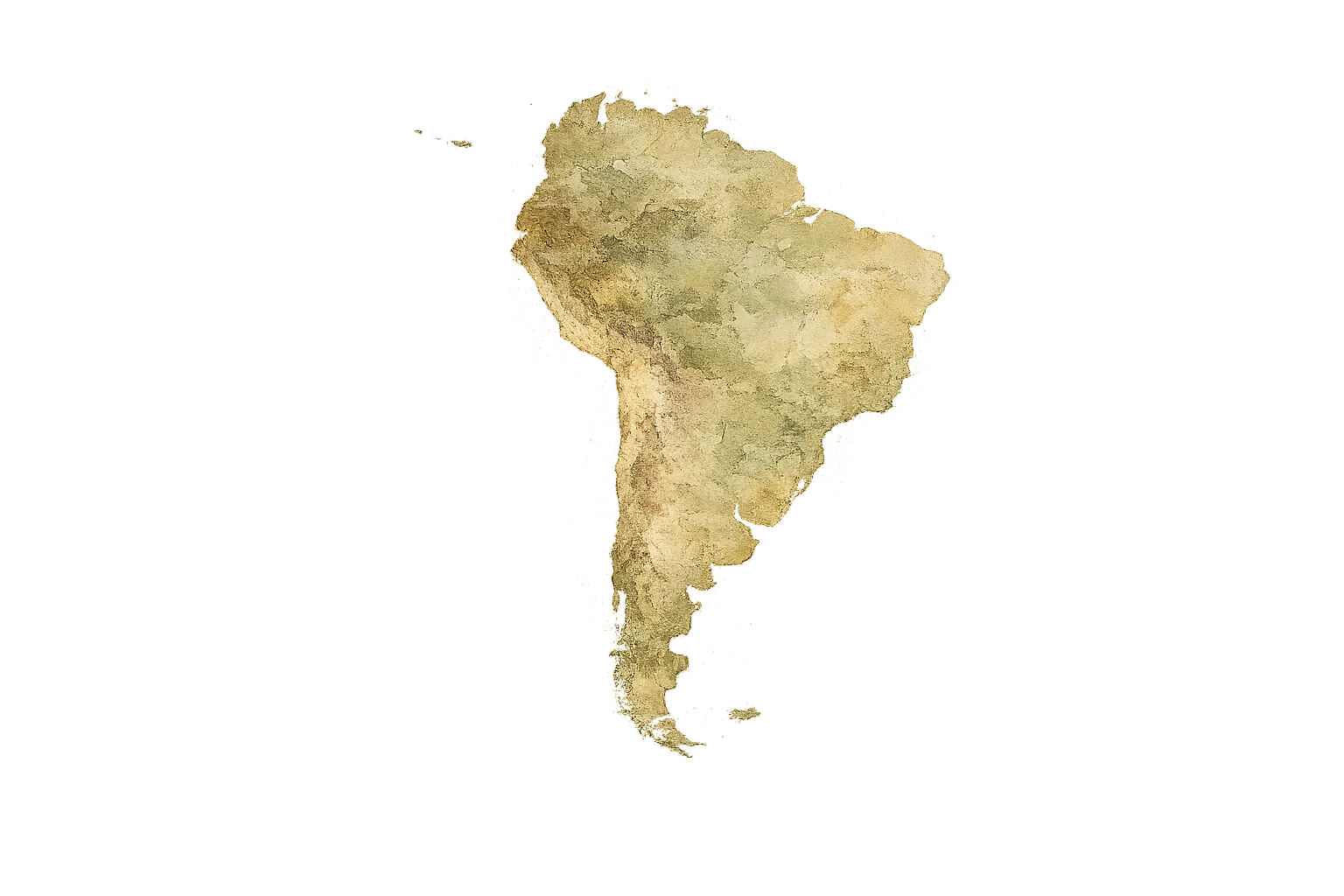
The White Sand Plateau, also known as the Zanderij formation, is a prominent geological region stretching across parts of Guyana and Suriname.
View on map → The Top 50 Attractions → OpenStreetMap →
South America
Explore with Plizio Discover more places in South America
More places in Guyana →

Nearby cities

History & landmarks

Nature
More places