Plizio Visual Lab

Demerara Coastal Plain
Plizio editorial teamData Sources
Relief
—°
Demerara Coastal Plain (Guyana)

Weather…

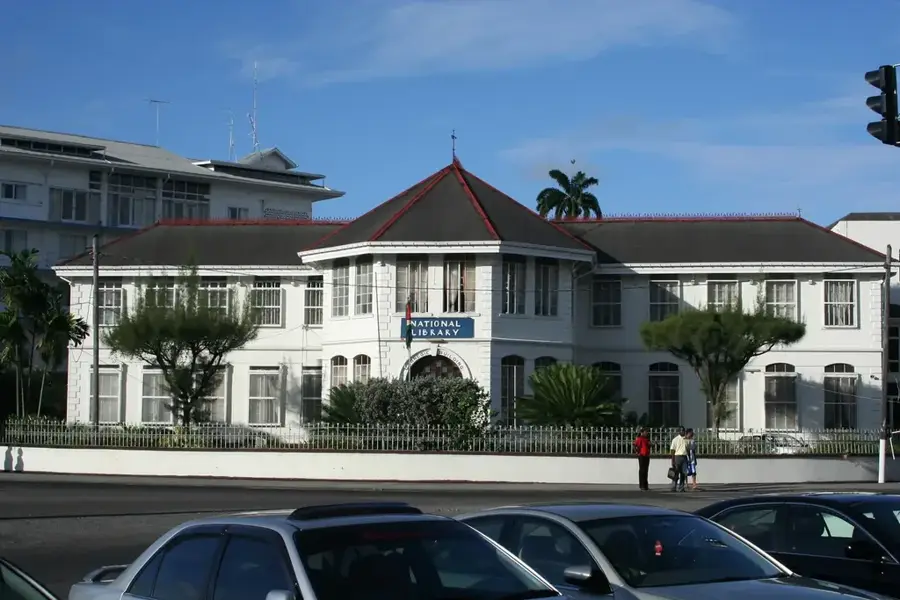
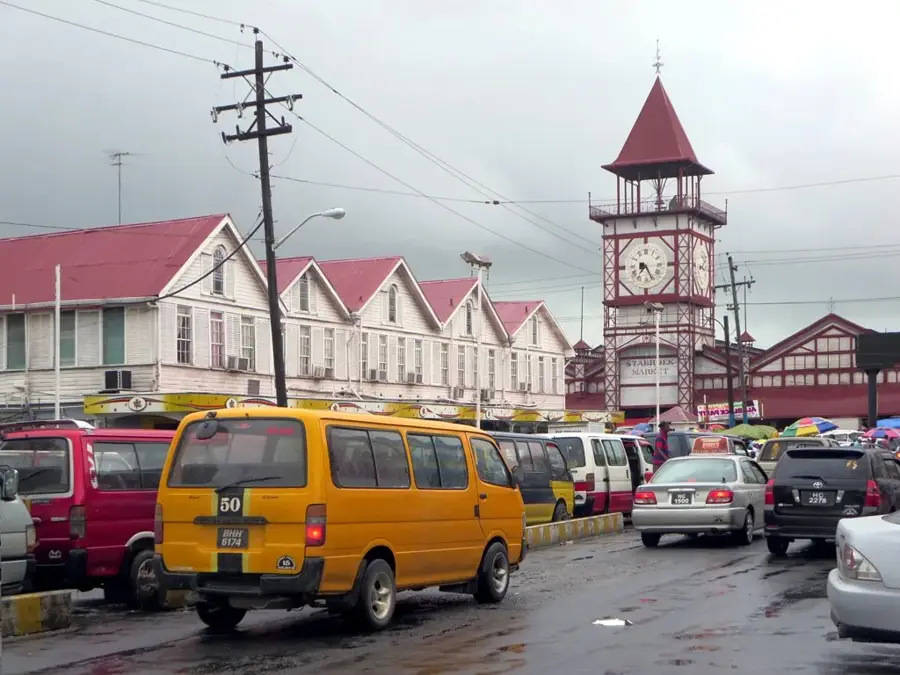
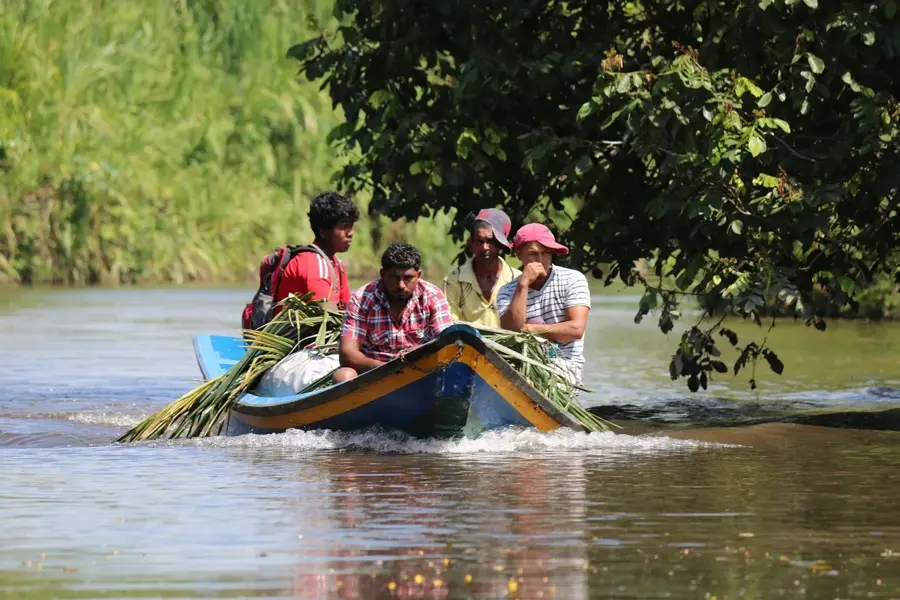
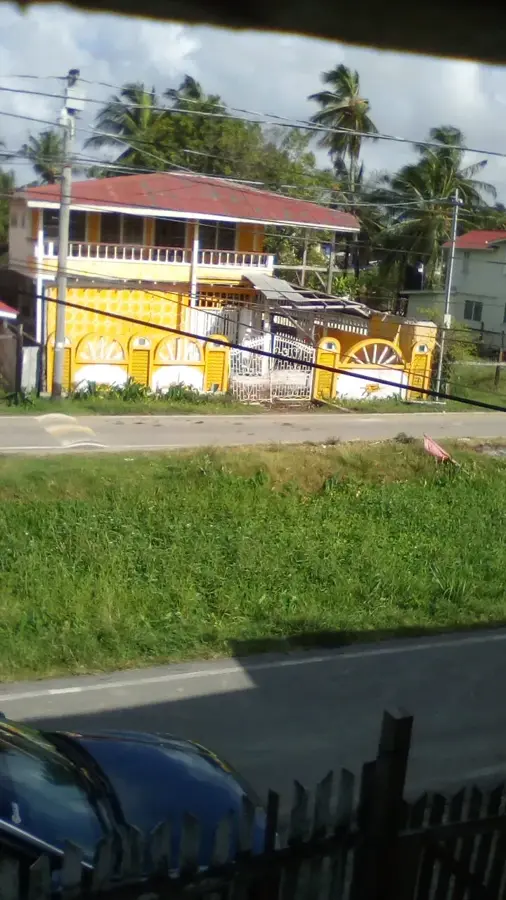
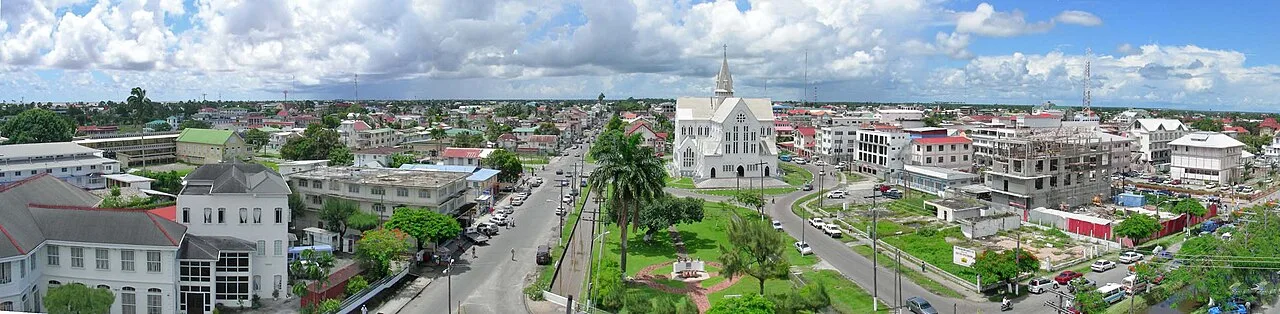
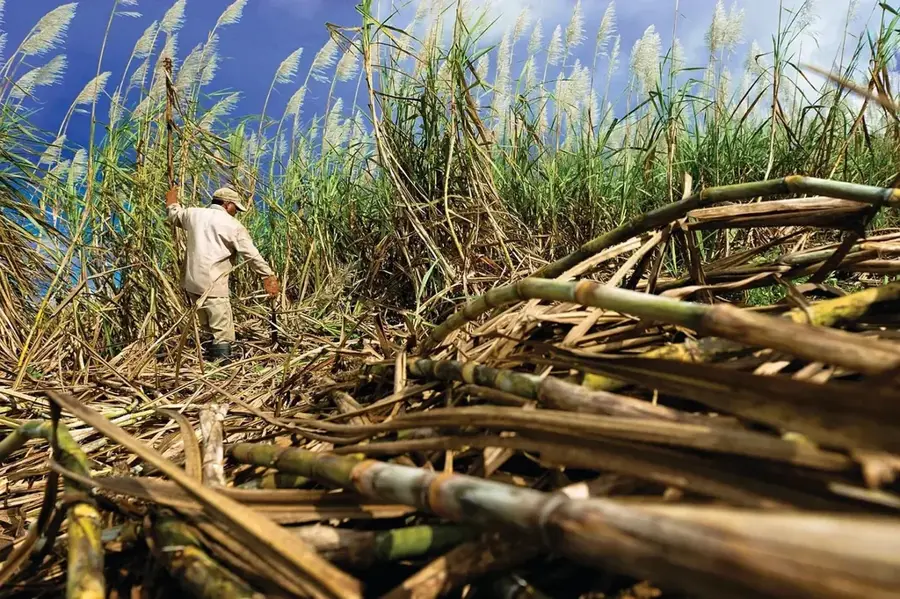
The Demerara Coastal Plain is the most economically significant and densely populated part of Guyana. This narrow region extends along the Atlantic Ocean and lies partially below sea level during high tide, which necessitated the construction of a complex system of sea walls and canals. Historically, the land was reclaimed in the 18th and 19th centuries by Dutch and British settlers through poldering for sugar cane cultivation. Today, the plain is the center of Guyanese agriculture, where sugar cane and especially rice are cultivated on a large scale. The fertile alluvial soils provide good conditions for farming but require constant water management for drainage. The capital city, Georgetown, is located in this region, along with the majority of the country's industrial infrastructure. However, the coastal plain is highly vulnerable to rising sea levels and extreme weather events, necessitating continuous investment in coastal protection. Despite these climatic challenges, it remains the lively heart of the nation.

Best time to visit & climate

The most pleasant time to visit is Mar, Sep, Oct.

JanFebMarAprMayJunJulAugSepOctNovDec
Avg °C262627272626262727282726
Rain mm165117981422952652611738887145217

📋 Practical info

🧭
Getting there
This low-lying plain is extremely accessible, as it houses the capital city, Georgetown, and the majority of the nation's infrastructure. Travel across the region relies heavily on an established network of paved coastal highways running parallel to the Atlantic Ocean.
📅
Best season
The dry seasons, spanning generally from February to April and August to November, provide the most comfortable weather for exploration. Heavy tropical rainfall during the off-seasons frequently overwhelms local drainage canals, leading to significant surface flooding.
⛰️
Terrain & paths
The landscape is characterized by exceptionally flat, fertile terrain meticulously managed by historical dikes, sea walls, and irrigation trenches. While moving around is generally easy, walking outside of paved areas often means traversing soft, waterlogged soils.
🎒
What to bring
Lightweight, casual clothing suited for hot, humid climates is perfectly adequate for exploring the populated sections of the plain. Carrying an umbrella is a wise precaution against sudden afternoon showers, along with reliable mosquito repellent for the evening hours.
🅿️
Parking
Formal parking spaces are widely available in Georgetown and the larger coastal townships. In more rural agricultural sectors, visitors usually pull safely onto the grassy verges adjacent to the main public roadways without much difficulty.
⚠️
Safety
While the coastal plain is well-developed, one must exercise vigilance near the seawall during high tides, as unexpected surges can occur. Road safety requires strict attention, as the coastal highways are often shared with heavy trucks and wandering livestock.
⏱️
Time needed
Driving the length of the coastal plain takes merely a few hours, but appreciating its unique water-management history deserves a full day's attention. Visitors often use the plain as a convenient, comfortable base for several days before embarking on deeper jungle tours.

Geography

Coordinates
6.50000, -58.00000

Facts

  • The plain lies partially 0.5 to 1.5 meters below sea level.
  • The Georgetown Sea Wall was originally started by the Dutch.
  • Approximately 90% of Guyana's population lives in this coastal region.
  • The fertile coastal soils consist of heavy clay and silt.
  • Sugar cane plantations have defined the landscape for over 200 years.
  • A sophisticated sluice system (kokers) regulates water drainage at low tide.

Explore nearby

Notable places around

Route planner — Car & Motorhome

Where do you start? We build the route here, with stops and country notes along the way.

Vehicle
Only stops with (optional):

© OpenStreetMap contributors · OpenRouteService

Sights nearby

Frequently asked questions

What is the Demerara Coastal Plain?
The economic center of Guyana, characterized by agriculture and the sea defense wall.
Is the plain below sea level?
Partially yes, which is why dikes and sluice gates protect the land from flooding.
What is grown there?
Mainly sugarcane and rice on the fertile alluvial soils.
Can you swim at the coast?
The water is brown due to river sediments; proper swimming beaches are further away.
What is the transport like in this region?
It is the best-developed area with main roads, but often prone to traffic jams.
Demerara Coastal Plain: where is it located?
Demerara Coastal Plain is located in Guyana.
Demerara Coastal Plain: when is the best time to visit?
The most pleasant time to visit is Mar, Sep, Oct.
Demerara Coastal Plain: why is it worth visiting?

The Demerara Coastal Plain is the most economically significant and densely populated part of Guyana.
View on map → The Top 50 Attractions → OpenStreetMap →
South America
Explore with Plizio Discover more places in South America
More places in Guyana →

Nearby cities

History & landmarks

More places