Plizio Visual Lab

Gabú Plateau
Plizio editorial teamData Sources
Relief
—°
Gabú Plateau (Guinea-Bissau)

Weather…

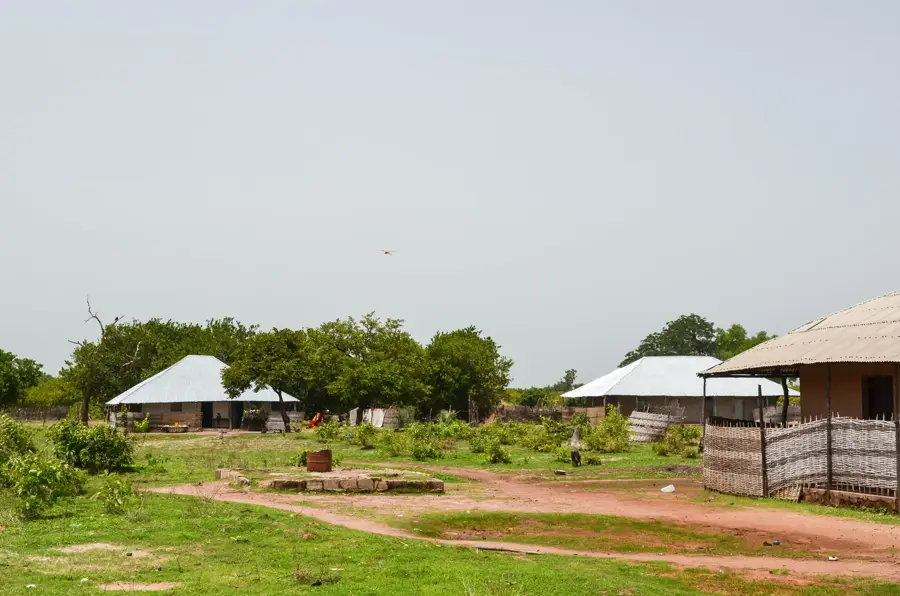
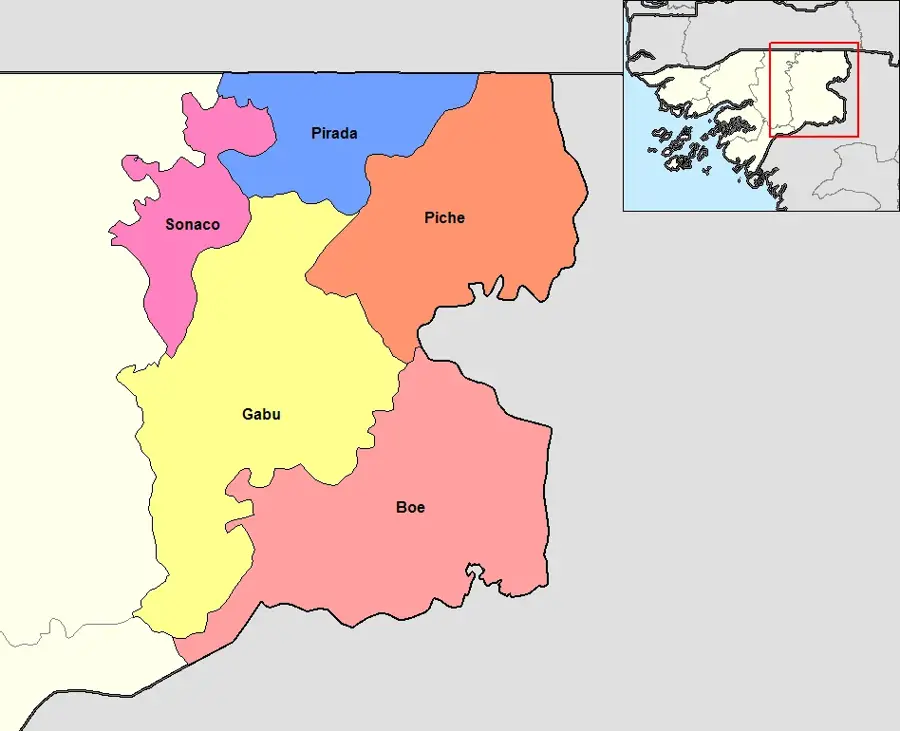
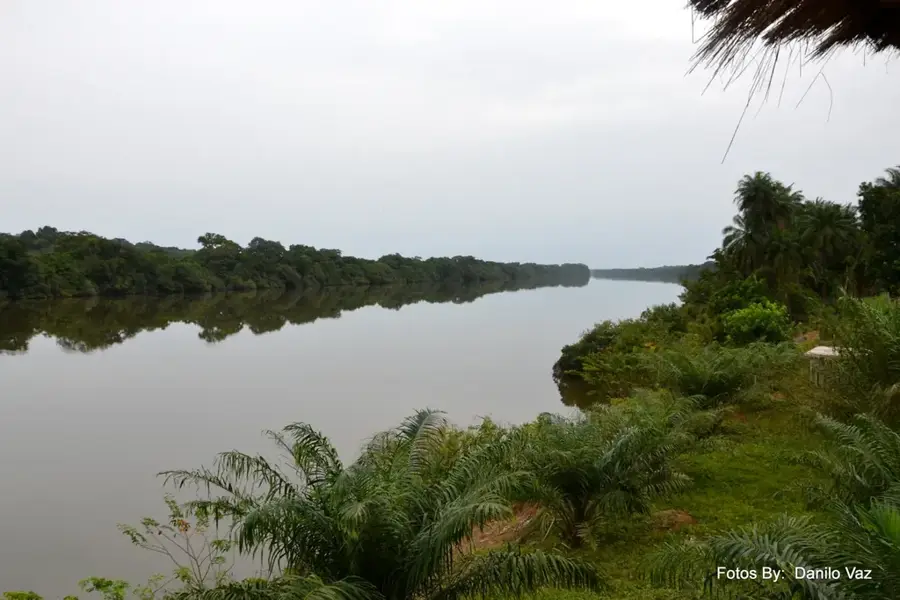
The Gabú Plateau in eastern Guinea-Bissau is one of the country's most extensive and geologically stable upland areas. This relief feature marks the transition from the humid coastal lowlands to the drier savanna regions of West Africa. The average elevation ranges between 50 and 100 meters above sea level, with the terrain characterized by a gently undulating topography and massive laterite formations. Geomorphologically, it is an ancient erosional surface where a hard iron crust has developed over millions of years. This crust significantly influences agriculture as it hinders water infiltration, yet it provides the foundation for the characteristic wooded savanna. The plateau's relief is dissected by numerous small valleys that carry water during the rainy season, draining into the Geba or Corubal rivers. The soil's distinct reddish hue, a result of intense oxidation, gives the Gabú region its unmistakable appearance. For infrastructure, the plateau's flat relief provides good conditions for building highways and airstrips, establishing Gabú as a primary logistical hub for trade with neighboring Guinea and Senegal.

Best time to visit & climate

The most pleasant time to visit is Jan, Nov, Dec.

JanFebMarAprMayJunJulAugSepOctNovDec
Avg °C262932333330272626272624
Rain mm11022915329538728011090

📋 Practical info

🧭
Getting there
Accessing the Gabú Plateau in eastern Guinea-Bissau generally involves traveling securely by road from the capital, Bissau, exactly towards the main town of Gabú. The main roads are mostly paved, but actively exploring the plateau requires a sturdy 4x4 vehicle.
📅
Best season
The cooler dry season, spanning safely from November to May, is reliably the absolute best time to actively explore the broad region, as dirt roads heavily remain passable. The rainy season rapidly turns many basic dirt tracks into completely impassable deep mud.
⛰️
Terrain & paths
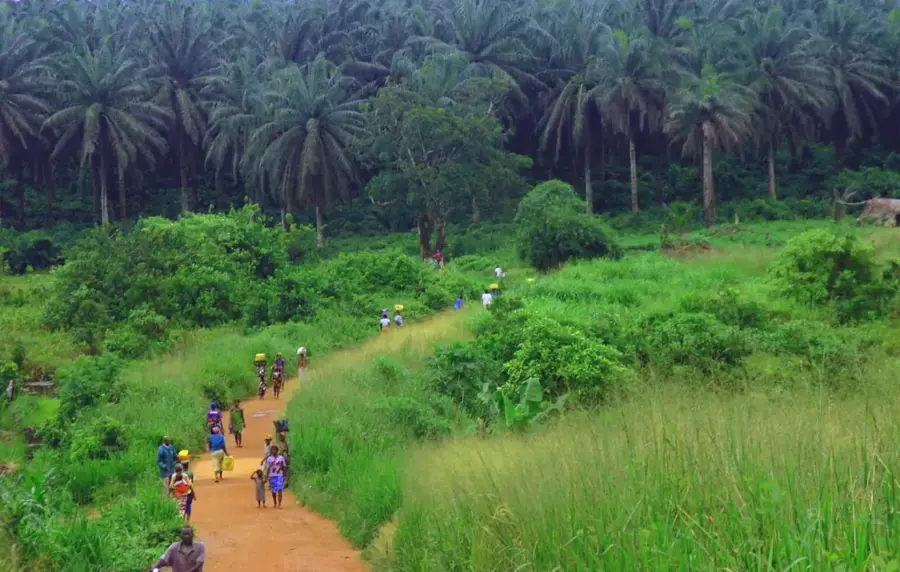
The local terrain is distinctly characterized by a highly flat to gently undulating natural savanna landscape, fully transitioning into the much drier Sahelian environment. It explicitly features open grasslands widely interspersed with enormous old baobab trees.
🎒
What to bring
Lightweight, highly breathable clothing is absolutely essential for the constantly hot climate, strictly along with very strong sun protection and an excellent supply of insect repellent. Carrying extra drinking water and basic food provisions is extremely advisable.
🅿️
Parking
Routine parking in towns completely like Gabú is generally very safe tightly around accommodations or extremely busy markets, while out on the plateau, parking is heavily informal along the dirt tracks. Always carefully ensure the vehicle is safely parked on solid ground.
⚠️
Safety
While genuinely considered generally completely safe, cautious travelers should heavily take strict medical precautions specifically against severe heat exhaustion and clearly be mindful of local free-roaming cattle herds. It is completely advisable to solidly travel only during full daylight.
⏱️
Time needed
Relaxingly exploring the rural towns, highly bustling cultural markets, and vastly wide landscapes of the entirely beautiful Gabú Plateau can take anywhere tightly from a couple of full days to an entire week. The regular pace of unhurried travel is completely often very slow.

Geography

Coordinates
12.30000, -14.20000

Facts

  • The plateau is the most arid relief region in Guinea-Bissau.
  • Geologically, it belongs to the stable African craton.
  • Laterite crusts here can reach thicknesses of several meters.
  • The relief facilitates the development of extensive cattle grazing lands.
  • Gabú is the country's most inland relief center, furthest from the coast.
  • Temporary water reservoirs often collect in the plateau's natural depressions.

Explore nearby

Notable places around
Route planner — Car & Motorhome

Where do you start? We build the route here, with stops and country notes along the way.

Vehicle
Only stops with (optional):

© OpenStreetMap contributors · OpenRouteService

Sights nearby

Frequently asked questions

What is the Gabú Plateau?
An extensive plateau in eastern Guinea-Bissau that differs climatically from the coast.
How is the weather on the plateau?
It is drier and often cooler at night than the rest of the country, especially during the Harmattan season (Dec-Feb).
What are the main products of the region?
Livestock farming (cattle) and the cultivation of cereals and cashew nuts are widespread here.
Can the city of Gabú be used as a base?
Yes, Gabú is an important trading hub with markets and simple guesthouses for travelers.
Are there cultural specialties on the plateau?
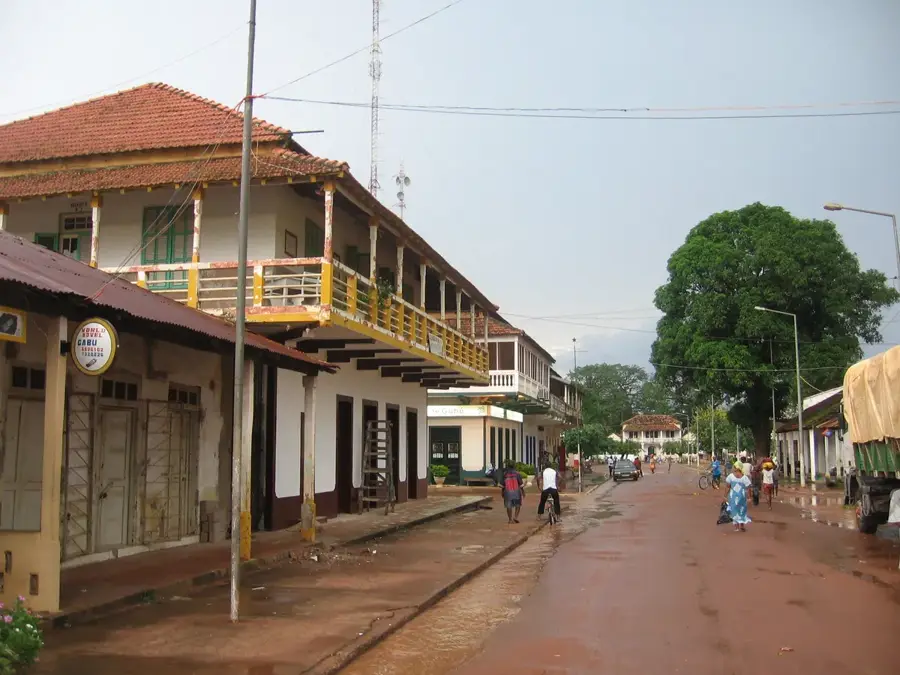
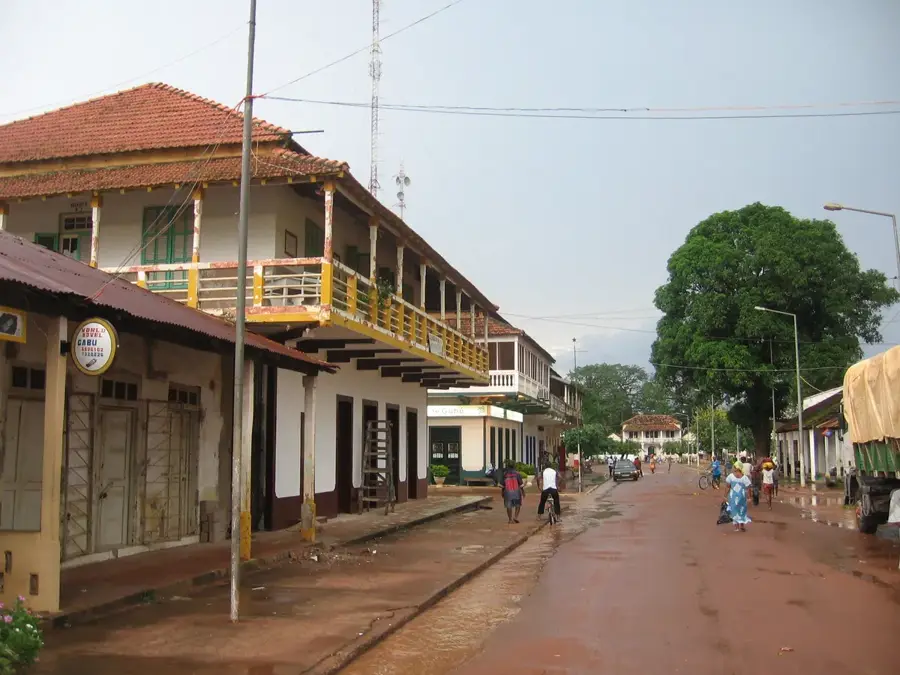
The region is strongly influenced by Fula culture, reflected in the architecture and traditions.
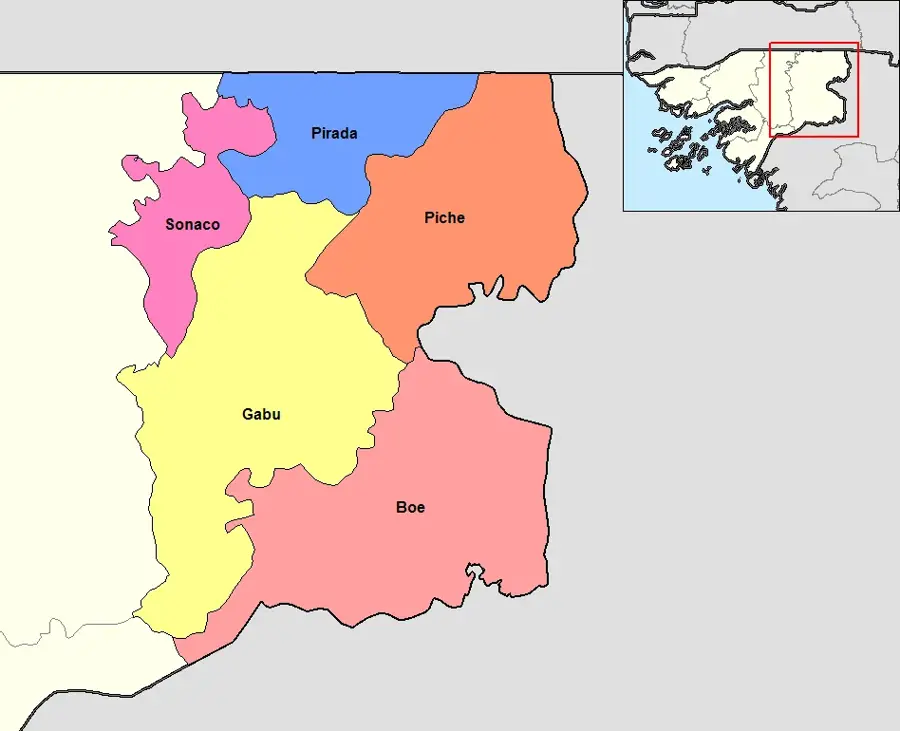
Gabú Plateau: where is it located?
Gabú Plateau is located in Guinea-Bissau.
Gabú Plateau: when is the best time to visit?
The most pleasant time to visit is Jan, Nov, Dec.
Gabú Plateau: why is it worth visiting?

The Gabú Plateau in eastern Guinea-Bissau is one of the country's most extensive and geologically stable upland areas.
View on map → The Top 50 Attractions → OpenStreetMap →
Africa
Explore with Plizio Discover more places in Africa
More places in Guinea-Bissau →

Nearby cities

History & landmarks
Nature
More places