Plizio Visual Lab
Pyrgos
ℹ️Practical info — Pyrgos
▾
🌤 Weather — 5 days
📍 Nearby
Sights nearby
💡 Tips
- Visit the central 'Laiki Agora' on Saturday mornings to experience the region's lively agricultural heart.
- The Latsis Mansion (Town Hall) in the main square is a masterpiece of neoclassical architecture worth seeing.
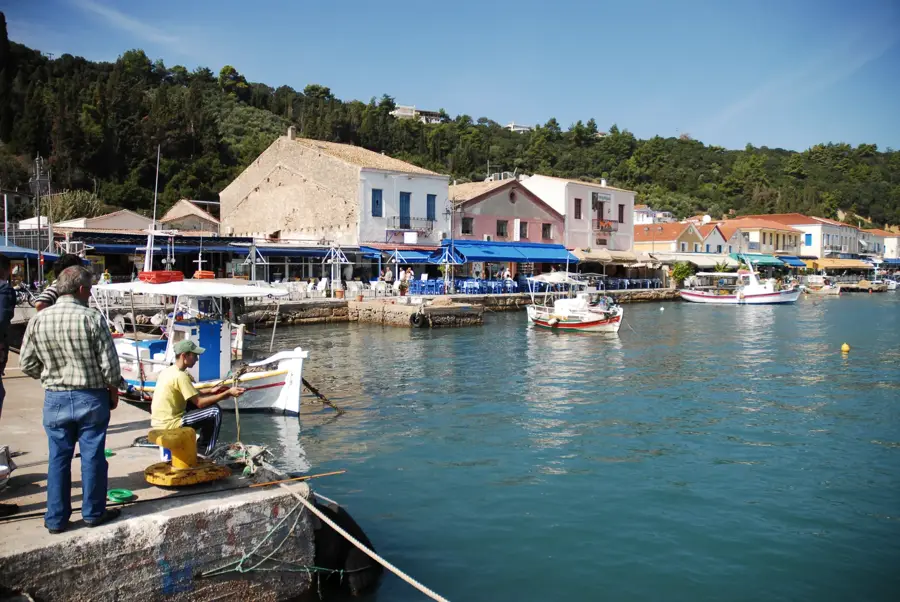
- Take the short 15-minute drive to the port of Katakolo for fresh seafood by the Ionian Sea.
- Most local shops observe a siesta; plan your shopping for the morning or after 5:30 PM.
- Pyrgos is the first-rate quiet base for visiting Ancient Olympia, just 20 minutes away by car.
🍽 Food
The region is famous for its dried grapes (raisins); look for local producers in the market.
Try this oven-baked fish with tomatoes and onions at the waterfront tavernas in Katakolo.
Buy a bottle of premium extra virgin olive oil directly from the agricultural shops in town.
🛍 Shopping · 🧘 Quiet spots
The best place for honey, mountain herbs, and seasonal fruits directly from the farmers.
The commercial heart of the city where you can find local boutiques and artisanal goods.
Visit the nearby estates for tastings of indigenous grape varieties like Roditis or Mavrodaphne.
A lush, green hill in the city center first-rate for a quiet stroll with panoramic views.
Housed in a beautiful Ziller-designed building, it's a calm spot to explore ancient history.
A serene 11th-century monastery located near a quiet beach, just 12km from the city.
Water temperature…
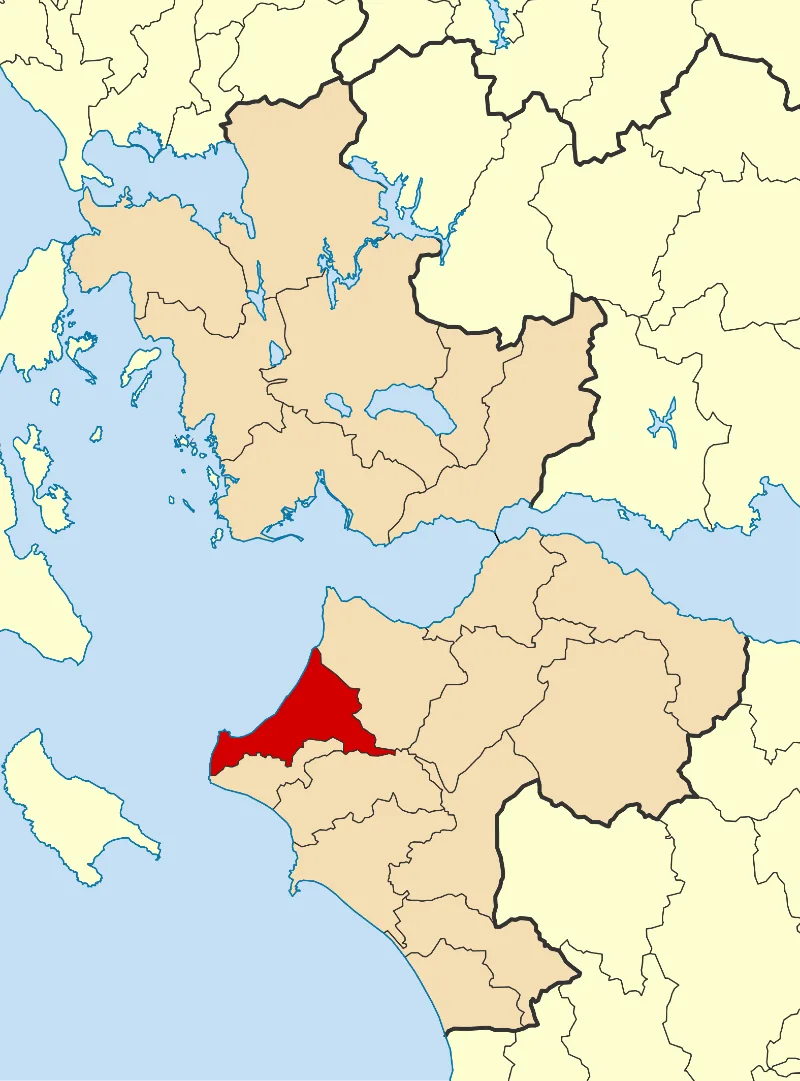
Pyrgos is the capital of the Elis regional unit in the northwestern Peloponnesus, located just a few kilometers from the Ionian Sea coast. The city's name is derived from a tower ('pyrgos' in Greek) built in 1512 by Georgios Tsernotas on the Eparcheion hill to serve as a lookout post. During the Ottoman period, it evolved into a significant administrative hub and later played a strategic role in the Greek War of Independence, suffering multiple destructions. In the 19th century, Pyrgos experienced an economic boom driven by the currant trade, leading to the construction of Greece's first regional railway connecting the city to the port of Katakolo. The urban landscape features several neoclassical landmarks, including the Town Hall and the Municipal Market, the latter designed by Ernst Ziller and currently housing the Archaeological Museum. Geographically, Pyrgos lies within a fertile plain renowned for its production of wine, olives, and citrus fruits. Its location, only 19 kilometers west of Ancient Olympia, makes it a primary gateway for cultural tourism in the region. Despite enduring severe earthquakes in 1993 and 2008, Pyrgos remains a vital commercial and administrative center for western Peloponnesus.
- Location: Greece
- Top sights: Archaelogical Museum of Pyrgos · Anoichto theatraki · Theatro Apolon
- Nearby: Leventochori (10 km)
- Population: ~22.399
Best time to visit & climate
The most pleasant time to visit is May, Jun, Oct.
| Jan | Feb | Mar | Apr | May | Jun | Jul | Aug | Sep | Oct | Nov | Dec | |
|---|---|---|---|---|---|---|---|---|---|---|---|---|
| Avg °C | 13 | 13 | 14 | 16 | 20 | 24 | 26 | 27 | 25 | 22 | 18 | 15 |
| Rain mm | 112 | 83 | 65 | 34 | 25 | 26 | 16 | 12 | 57 | 78 | 107 | 119 |
Geography
Facts
- Pyrgos owes its name to a defensive tower constructed on Eparcheion hill in 1512.
- The city was served by the first regional railway in Greece, opened in 1882 to Katakolo.
- The Archaeological Museum is housed in a 19th-century municipal market designed by Ernst Ziller.
- Pyrgos is located just 19 kilometers west of the UNESCO World Heritage site of Olympia.
- Katakolo, the city's port, is one of the most visited cruise destinations in Greece.
- A major 6.5 magnitude earthquake struck the city in 2008, causing widespread damage.
Explore nearby
Notable places around
Route planner — Car & Motorhome
Where do you start? We build the route here, with stops and country notes along the way.
© OpenStreetMap contributors · OpenRouteService
Sights in the town Pyrgos (10)
Frequently asked questions
Why visit Pyrgos?
Is there a beach in Pyrgos?
What is the main sight in the city?
What is the nightlife like in Pyrgos?
When is the weekly market in Pyrgos?
Pyrgos: where is it located?
Pyrgos: what is there to see?
Pyrgos: when is the best time to visit?
Pyrgos: why is it worth visiting?

Nearby cities
History & landmarks
Nature

More places