Plizio Visual Lab
Sekondi
ℹ️Practical info — Sekondi
▾
🌤 Weather — 5 days
📍 Nearby
Sights nearby
💡 Tips
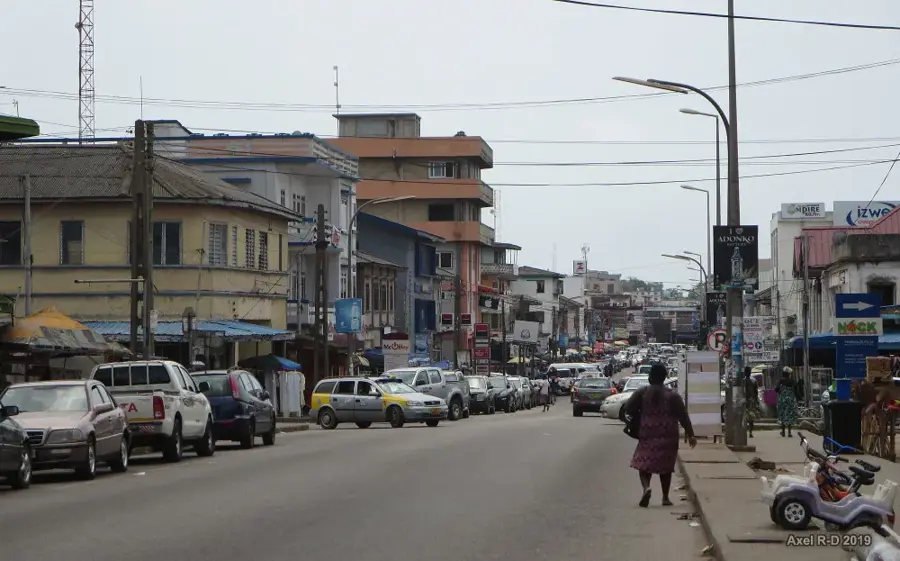
- Sekondi has a more relaxed, historic vibe compared to its bustling twin city, Takoradi; take time to explore its colonial-era architecture on foot.
- The coastal breeze makes afternoon walks pleasant, particularly near the old naval base area.
- Shared taxis are common between Sekondi and Takoradi, usually gathering at designated ranks; confirm the destination before boarding.
- Engage with the locals; the city has a rich railway and maritime history which older residents are often proud to share.
🍽 Food
Distinct from Ga kenkey, this version is often found at local food stands near the European Town area.
A staple dish perfectly seasoned, available at almost every traditional chop bar across the city.
Look for vendors selling bofrot (Ghanaian doughnuts) or meat pies early in the morning near the transport hubs.
🛍 Shopping · 🧘 Quiet spots
Smaller than Takoradi's market but gives a less chaotic environment to buy fresh local produce and fabrics.
Browse for small, informal vendors selling antiques or maritime-related curiosities.
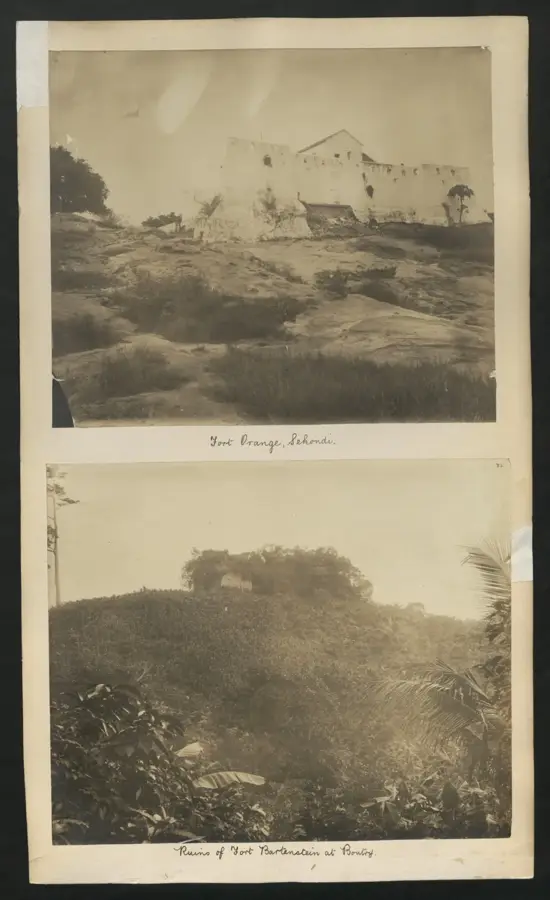
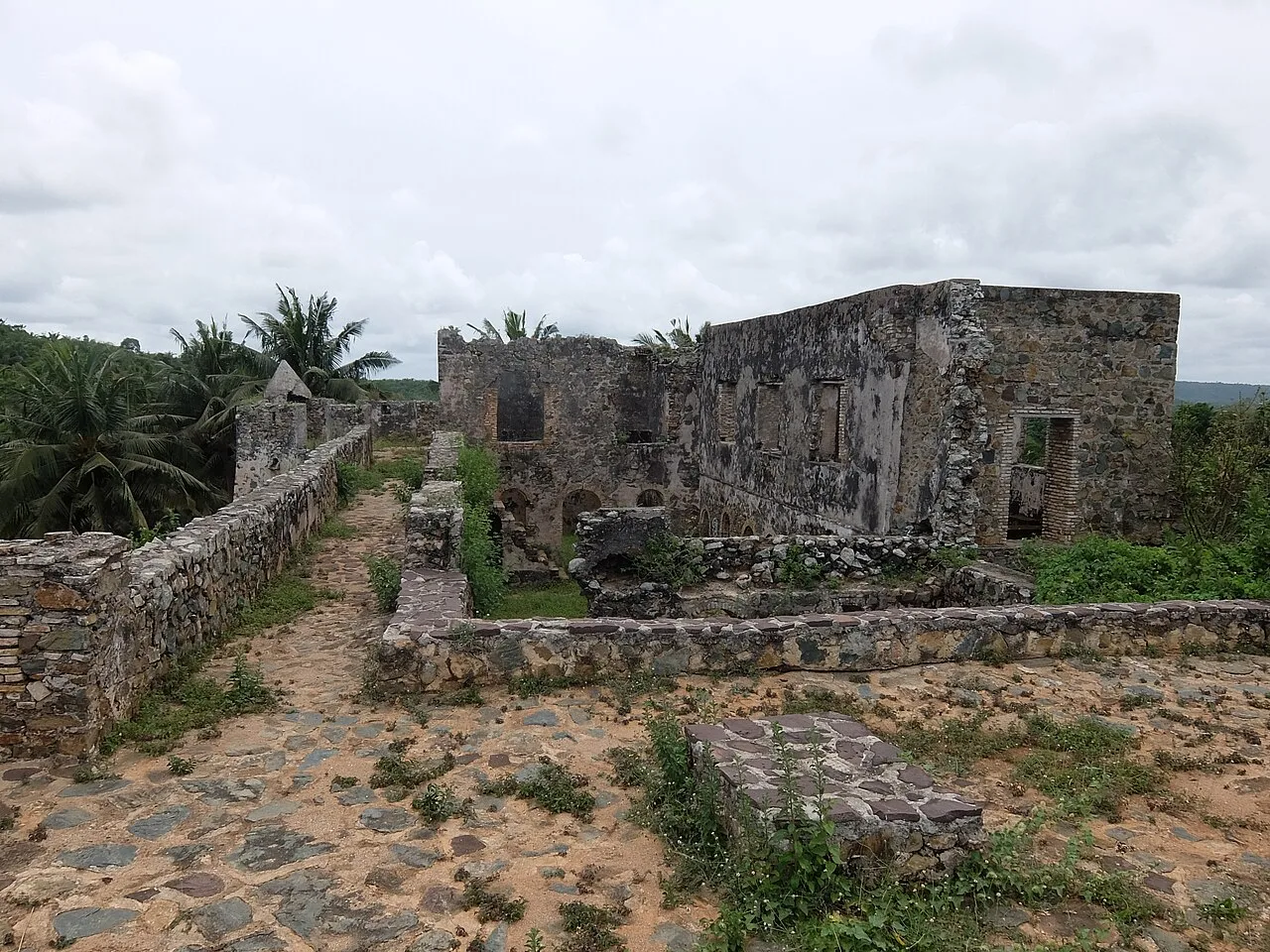
Climb up to this historic 17th-century fort for a sweeping, quiet view of the harbor and the ocean.
The areas surrounding the base are typically well-maintained and offer quiet streets for a peaceful walk.
Water temperature…
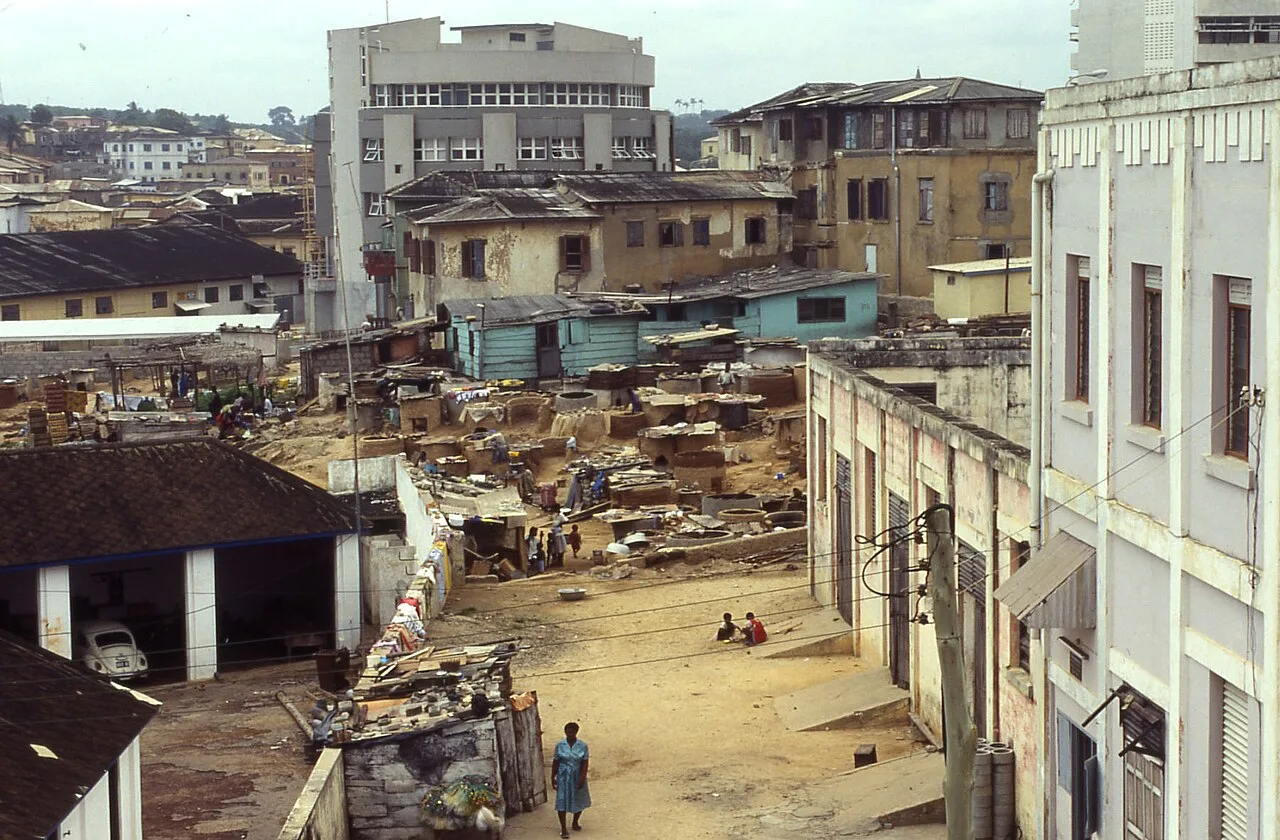
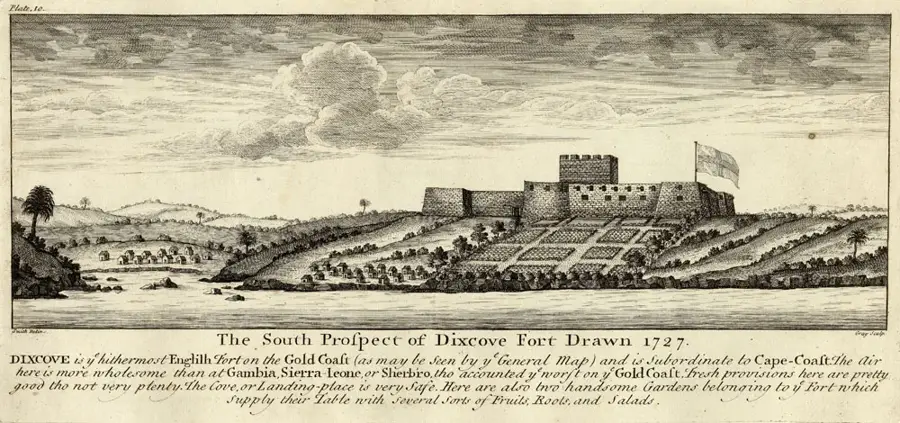
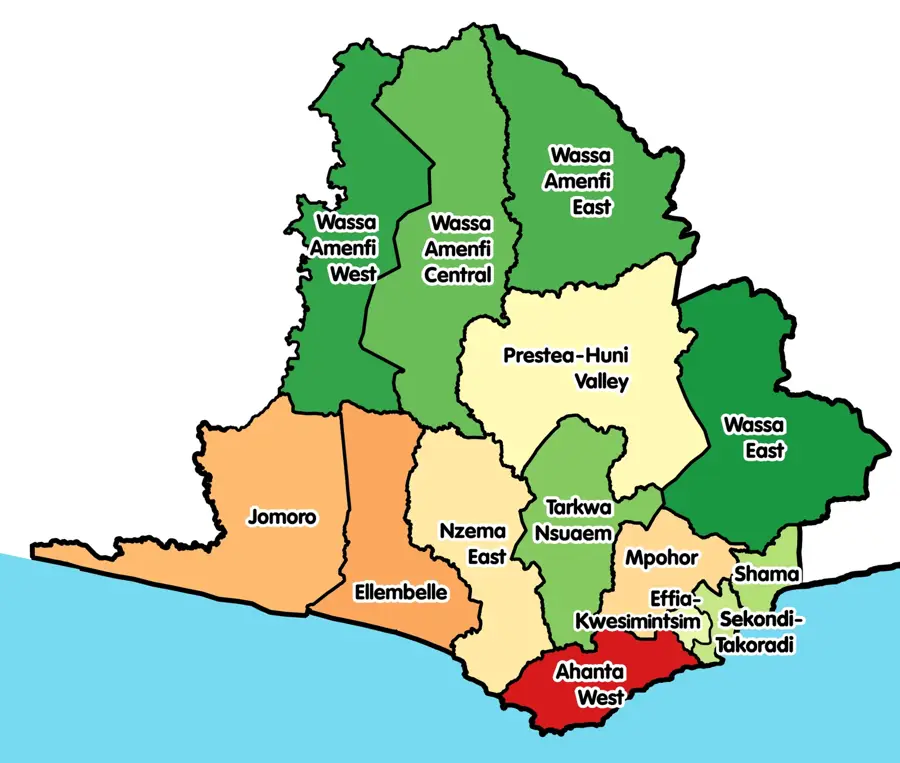
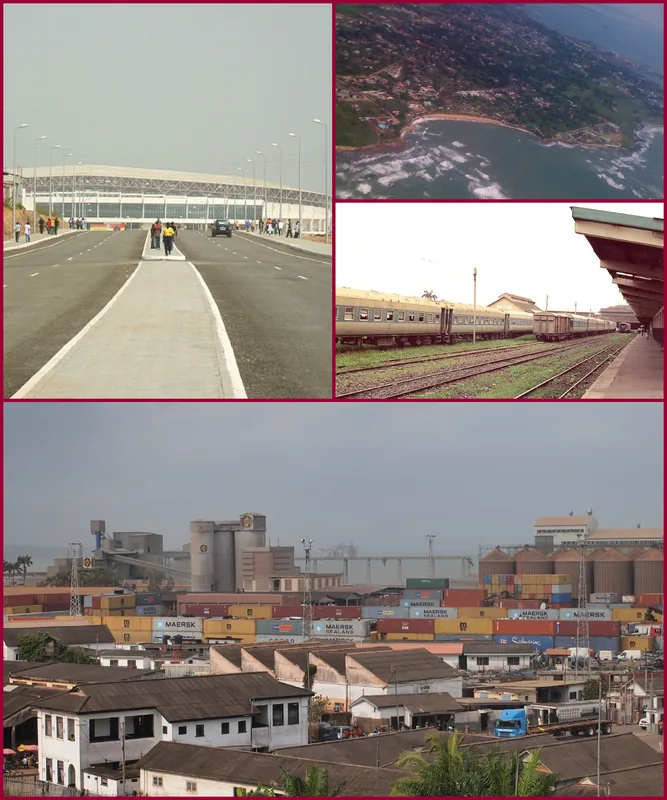
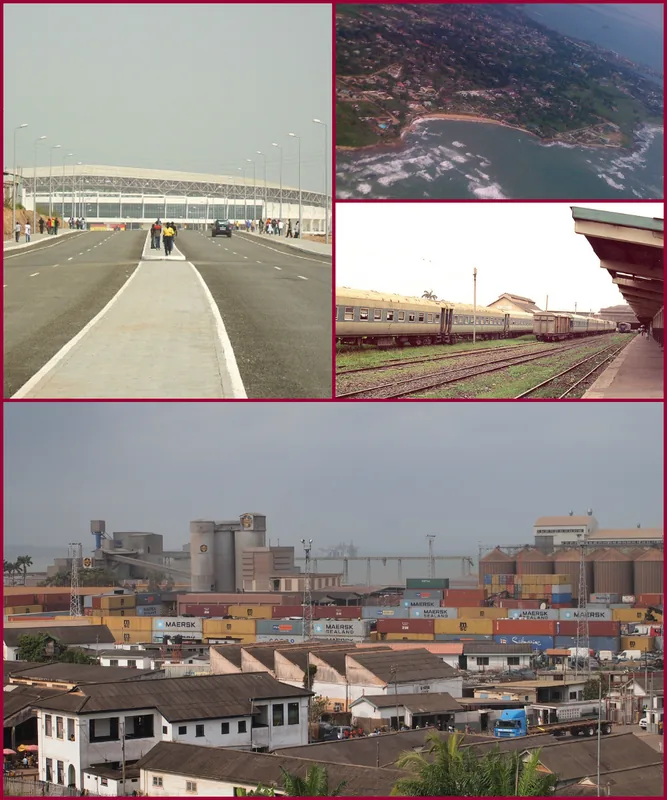
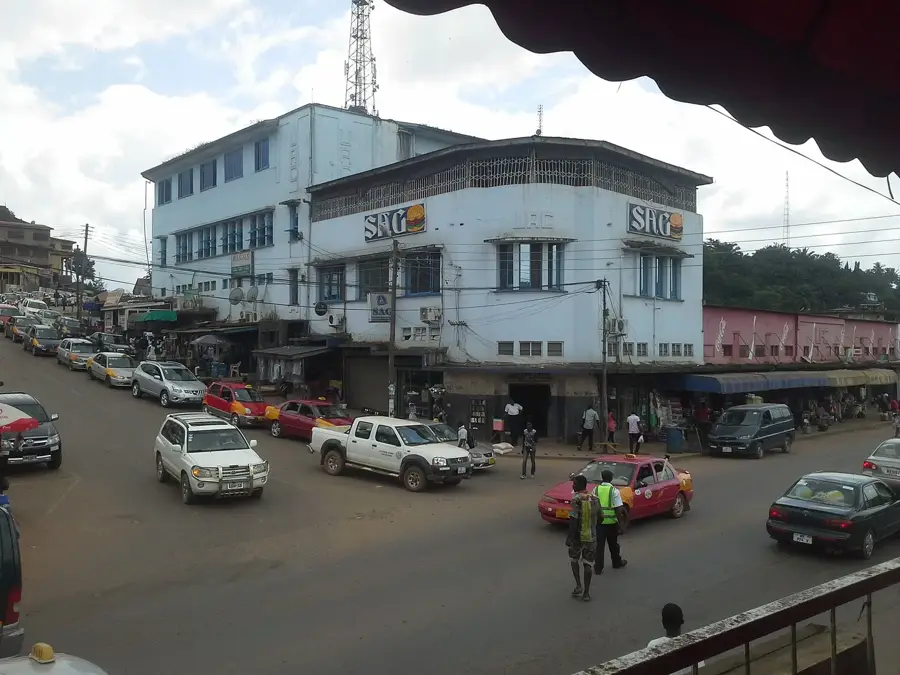
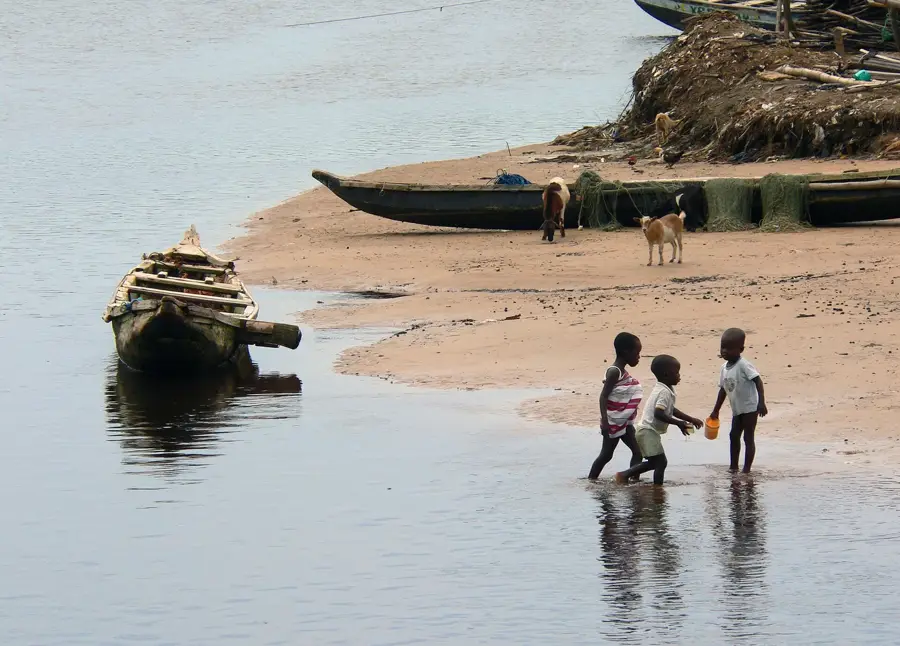
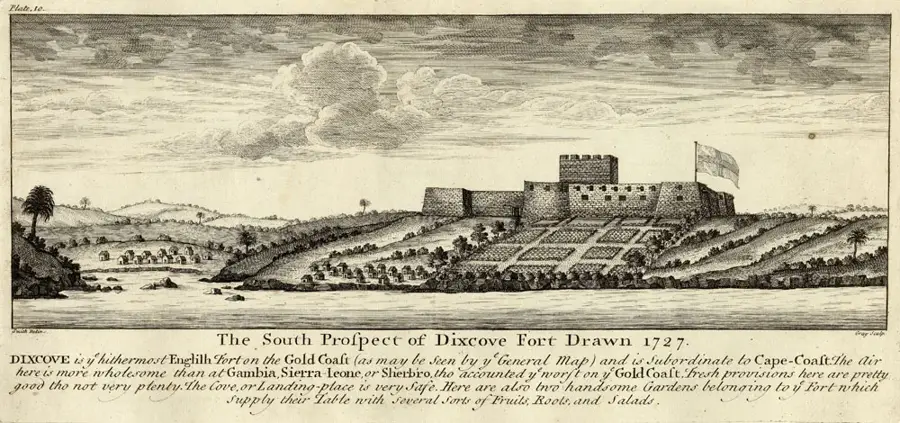
Sekondi is the older constituent of the Sekondi-Takoradi twin city and functions as the administrative capital of the Western Region in Ghana. The city has a deep colonial history dating back to the 17th century when both Dutch and British forts were established along its coast. Sekondi experienced a significant boom in the early 20th century following the construction of the railway line to the interior, which facilitated the export of gold and manganese. The city's architecture reflects this era of expansion, with many well-preserved colonial administrative buildings still in use. While its neighbor Takoradi has become the modern industrial engine of the region, Sekondi retains a more traditional atmosphere with a prominent fishing harbor. The local railway station and repair shops are considered historic landmarks of Ghana's industrial heritage. Sekondi is also culturally significant as a center for the annual Kundum festival, celebrated by the Ahanta and Nzema peoples.
- Location: Ghana
- Top sights: Fort Orange · Enam Ase
- Nearby: Effiakuma (7 km)
- Population: ~285.506 (2023)
Best time to visit & climate
The most pleasant time to visit is Jan, Aug, Dec.
| Jan | Feb | Mar | Apr | May | Jun | Jul | Aug | Sep | Oct | Nov | Dec | |
|---|---|---|---|---|---|---|---|---|---|---|---|---|
| Avg °C | 27 | 28 | 28 | 27 | 27 | 26 | 25 | 24 | 25 | 26 | 27 | 27 |
| Rain mm | 34 | 56 | 118 | 155 | 239 | 259 | 106 | 44 | 99 | 166 | 92 | 40 |
Geography
Facts
- Fort Orange was built by the Dutch in Sekondi in 1642.
- The railway line from Sekondi to Tarkwa was completed in 1903.
- Sekondi serves as the administrative seat of the Sekondi-Takoradi Metropolis.
- The city is located approximately 210 kilometers southwest of Accra.
- The Sekondi fishing harbor is among the busiest on the western coast.
- The Kundum festival is celebrated annually between August and November.
Explore nearby
Notable places around

Route planner — Car & Motorhome
Where do you start? We build the route here, with stops and country notes along the way.
© OpenStreetMap contributors · OpenRouteService
Sights in the town Sekondi (2)
Frequently asked questions
What is the relationship between Sekondi and Takoradi?
Are there historical buildings in Sekondi?
What is the Sekondi port known for?
How can you get around the city?
Are there accommodations directly in Sekondi?
Sekondi: where is it located?
Sekondi: what is there to see?
Sekondi: when is the best time to visit?
Sekondi: why is it worth visiting?

Nearby cities
History & landmarks
More places