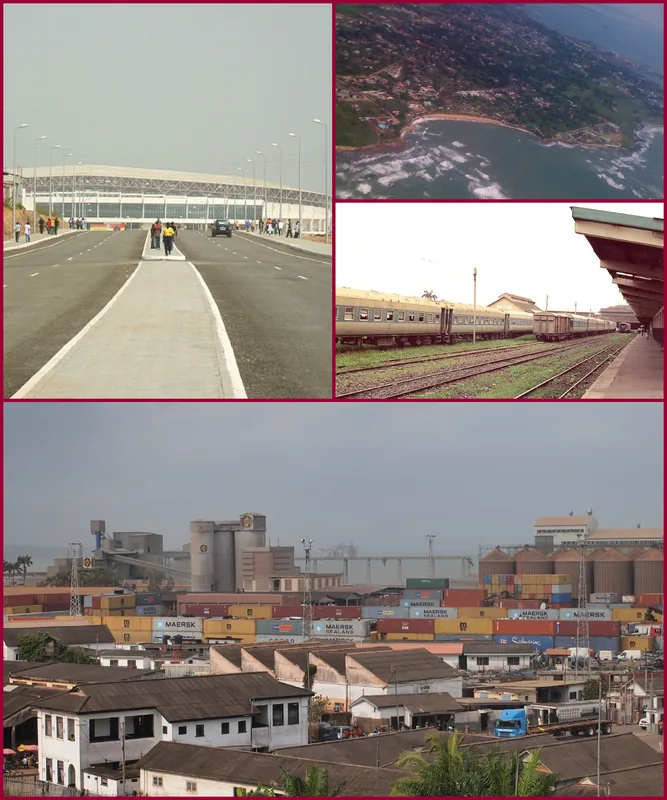
Plizio Visual Lab

Pra River
Plizio editorial teamData Sources
River
—°1
Pra River (Ghana)

Weather…

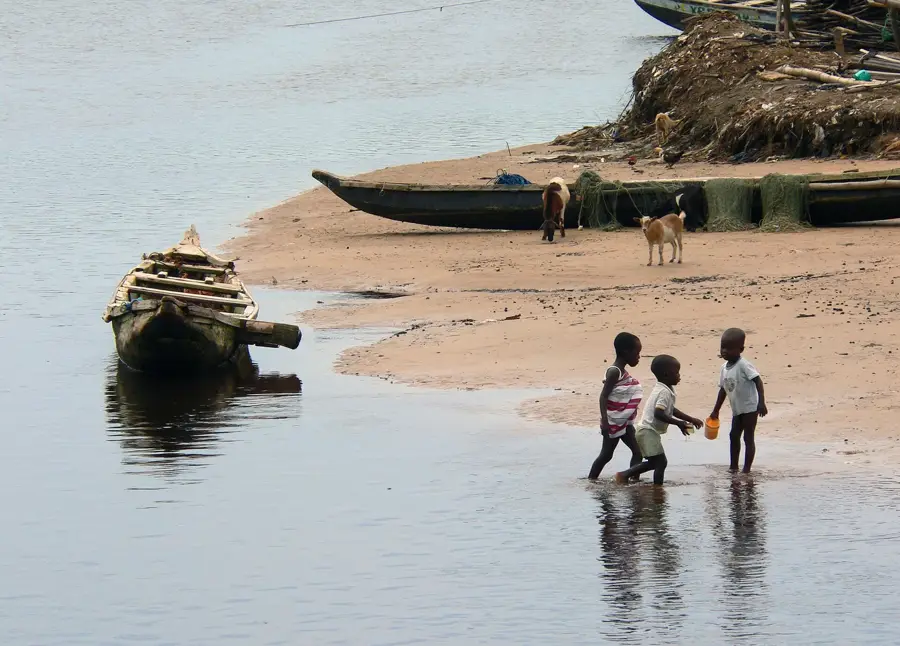
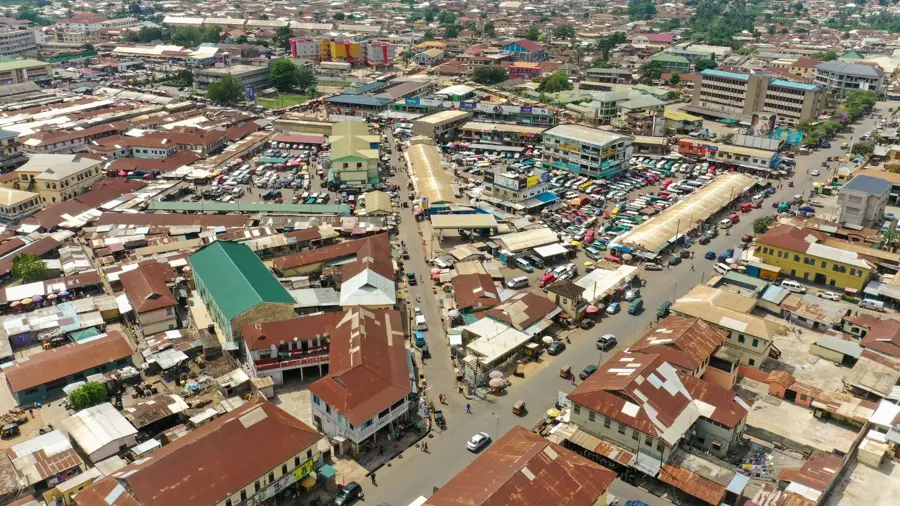
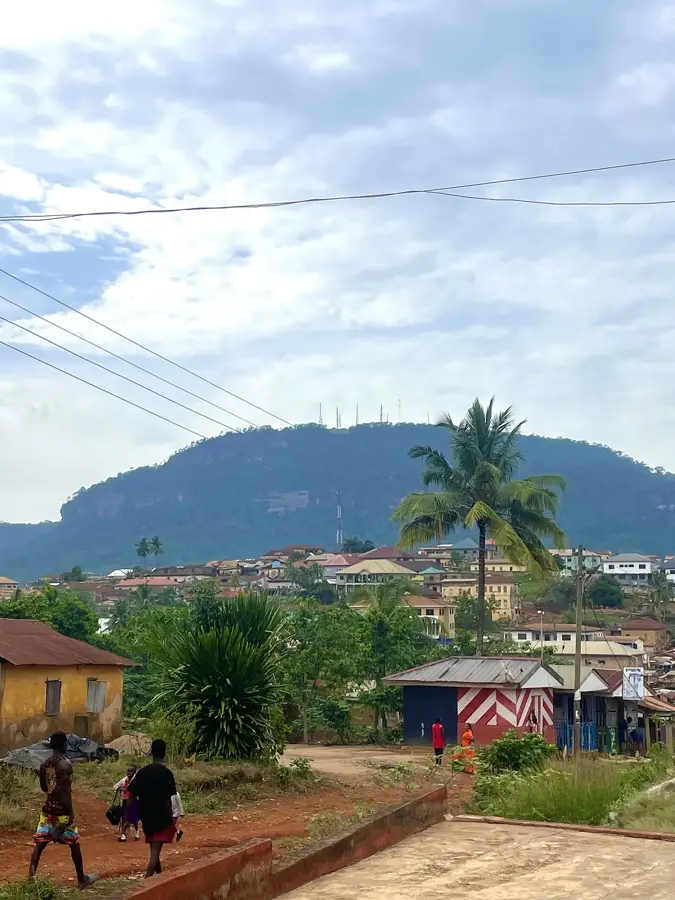
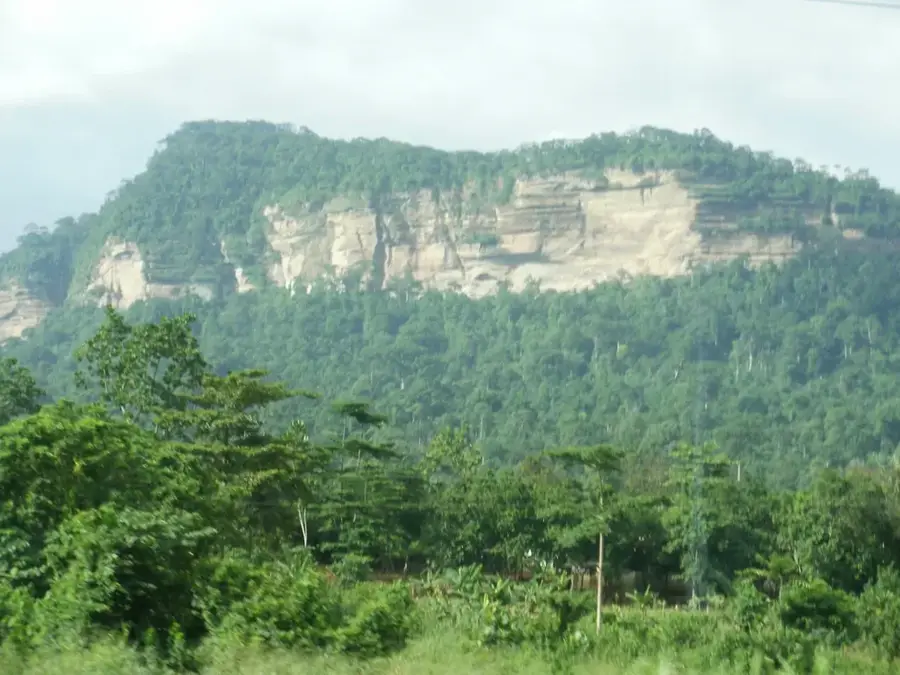
The Pra River is one of the most significant water bodies in southern Ghana, draining an expansive region renowned for its mineral wealth and fertile agricultural land. It originates in the Kwahu Highlands and flows approximately 240 kilometers southward, eventually reaching the Gulf of Guinea at Shama. Historically, the Pra served as the strategic boundary between the Ashanti and Fante ethnic groups and played a pivotal role during the Anglo-Asante wars of the 19th century. The river basin is the heart of Ghana's cocoa and timber production, but this economic importance has come with substantial ecological costs. In recent years, illegal gold mining, locally termed 'galamsey', has severely degraded the water quality, leading to extreme turbidity and chemical contamination. Despite these environmental issues, the river remains a crucial source for local fishing and domestic water supply for numerous settlements. Ongoing government interventions aim to curb illegal mining and restore the environmental health of this historically and economically vital waterway.

Best time to visit & climate

The most pleasant time to visit is Jan, Aug, Dec.

JanFebMarAprMayJunJulAugSepOctNovDec
Avg °C272828272726252425262727
Rain mm345611815523925910644991669240

📋 Practical info

🧭
Getting there
The prominent river can typically be practically accessed from various points where major connecting roads directly intersect its meandering course in southern Ghana. Very often, local established communities genuinely serve as the best informal starting points for any river exploration.
📅
Best season
The clear dry season is generally much preferred by most for direct visits, as the river's water levels are significantly more predictable and the banks are safely accessible. Conversely, the heavy rainy season can quickly bring massive flows and unpredictable flooding to the surrounding low areas.
⛰️
Terrain & paths
The natural environment principally consists of shifting riverbanks that can heavily vary from thoroughly muddy stretches to quite densely vegetated tropical zones. The surrounding general terrain is mostly flat lowland, but the exact paths near the water can reliably be very uneven and rather soft.
🎒
What to bring
Particularly suitable, rugged footwear that can easily handle thick mud and constant moisture is highly recommended for successfully exploring the immediate riverbanks. Strong tropical insect repellent, lightweight protective clothing, and robust sun protection are widely considered typical vital necessities here.
🅿️
Parking
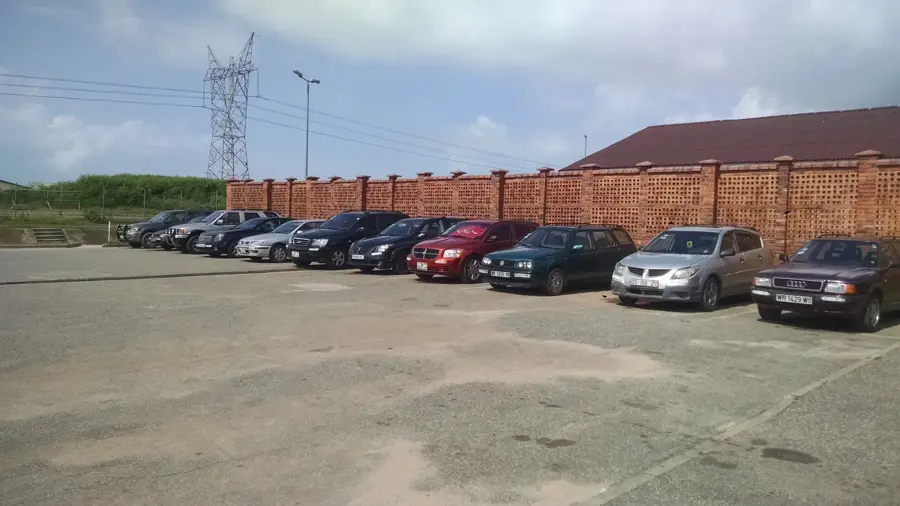
Available parking is nearly always totally informal, very often found simply within the small active towns or traditional settlements closely situated directly along the river. Visitors should essentially always politely ask for specific local guidance on exactly where to safely leave their vehicles.
⚠️
Safety
Utmost caution should be consistently exercised regarding the underlying river currents and exceptionally slippery muddy banks, especially immediately after heavy seasonal rains. It is strongly and firmly advised to actively seek knowledgeable local advice before enthusiastically engaging in any water-based physical activities.
⏱️
Time needed
A standard, relaxed visit to simply see the majestic river and properly observe its immediate natural surroundings usually takes roughly one to three engaging hours. Much more extensive dedicated explorations or specialized guided boat trips can quite easily and smoothly extend to a full half-day activity.

Geography

Coordinates
5.00000, -1.50000

Facts

  • The total length of the Pra is about 240 kilometers.
  • It empties into the Atlantic at the historic town of Shama.
  • Primary tributaries are the Offin, Birim, and Oda rivers.
  • The drainage basin covers an area of 22,106 km².
  • The region is a major hub for gold mining in Ghana.
  • Used as a strategic defensive line during the 19th century.

Explore nearby

Notable places around
Route planner — Car & Motorhome

Where do you start? We build the route here, with stops and country notes along the way.

Vehicle
Only stops with (optional):

© OpenStreetMap contributors · OpenRouteService

Sights in the town Pra River (1)

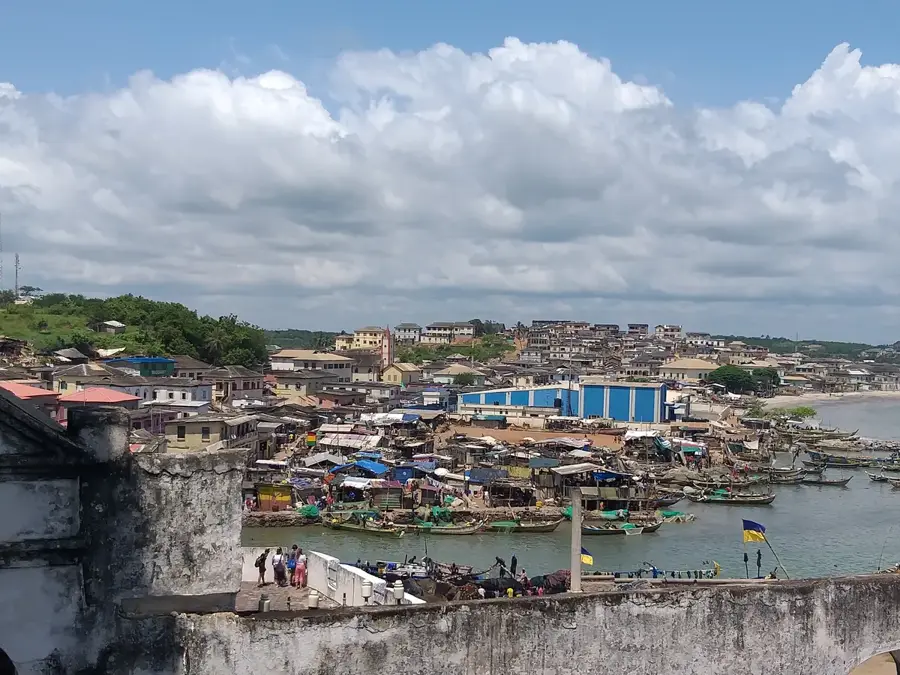
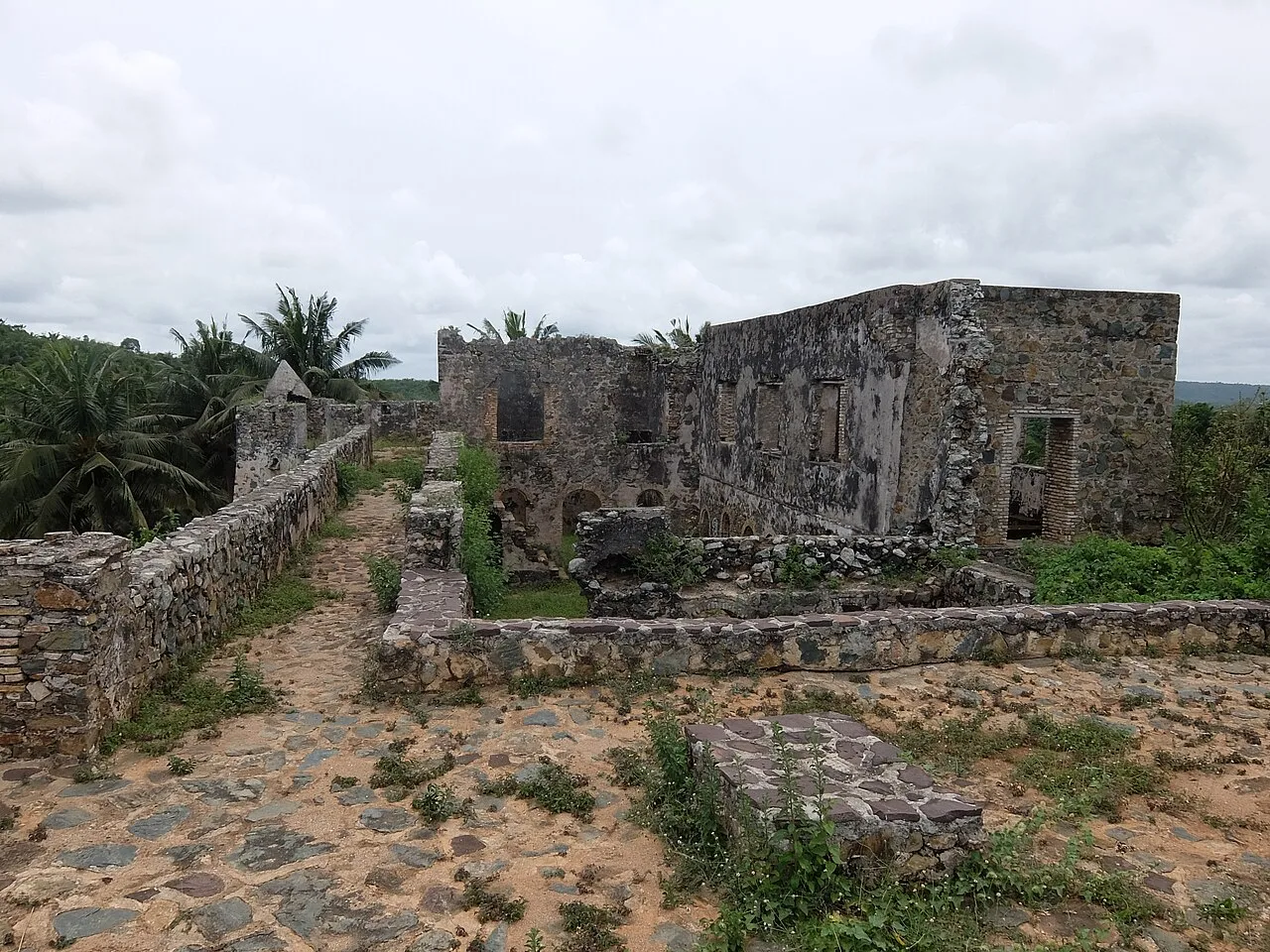
Fort Komenda🏰 castle

Overlooking the Ghanaian coast near the Pra River, this historical fortification dates back to the era of European colonial trade.

Sights nearby

Frequently asked questions

Where does the Pra River estuary?
It flows into the Gulf of Guinea at Shama in the Western Region.
What is the Pra basin known for?
It is a major region for gold mining and cocoa production in Ghana.
Can you visit the estuary?
Yes, Shama features a beautiful view of the estuary and the historic Fort San Sebastian.
What is the water quality like?
Unfortunately, the water is often turbid due to illegal gold mining (Galamsey).
Are there boat excursions?
In Shama, local canoes can be rented for short trips near the estuary.
Pra River: where is it located?
Pra River is located in Ghana.
Pra River: when is the best time to visit?
The most pleasant time to visit is Jan, Aug, Dec.
Pra River: why is it worth visiting?
The Pra River is one of the most significant water bodies in southern Ghana, draining an expansive region renowned for its mineral wealth and fertile agricultural land.
View on map → The Top 50 Attractions → OpenStreetMap →
Africa
Explore with Plizio Discover more places in Africa
More places in Ghana →

Nearby cities

History & landmarks
More places