Plizio Visual Lab

Bui National Park

Plizio editorial teamData Sources
Forest
—°1
Bui National Park (Ghana)

Weather…

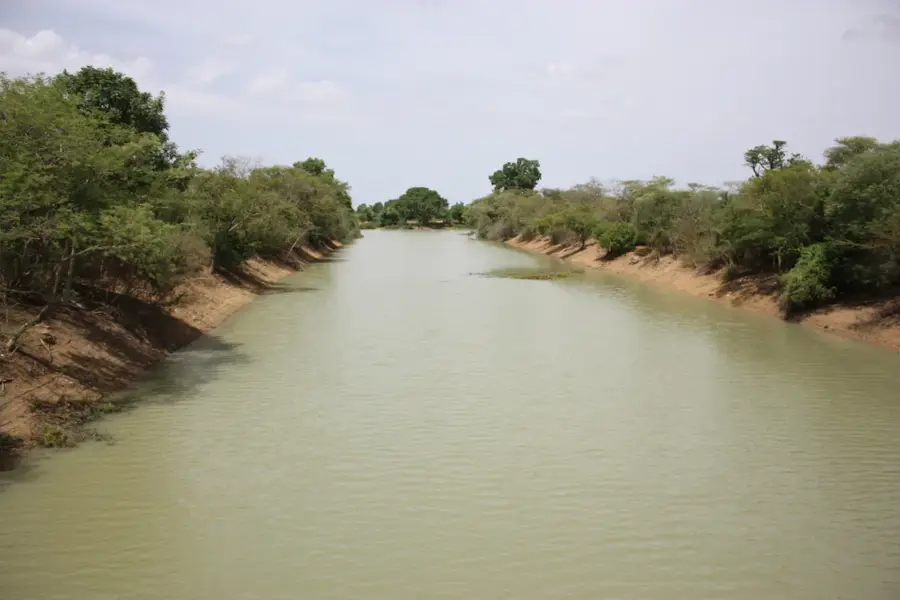
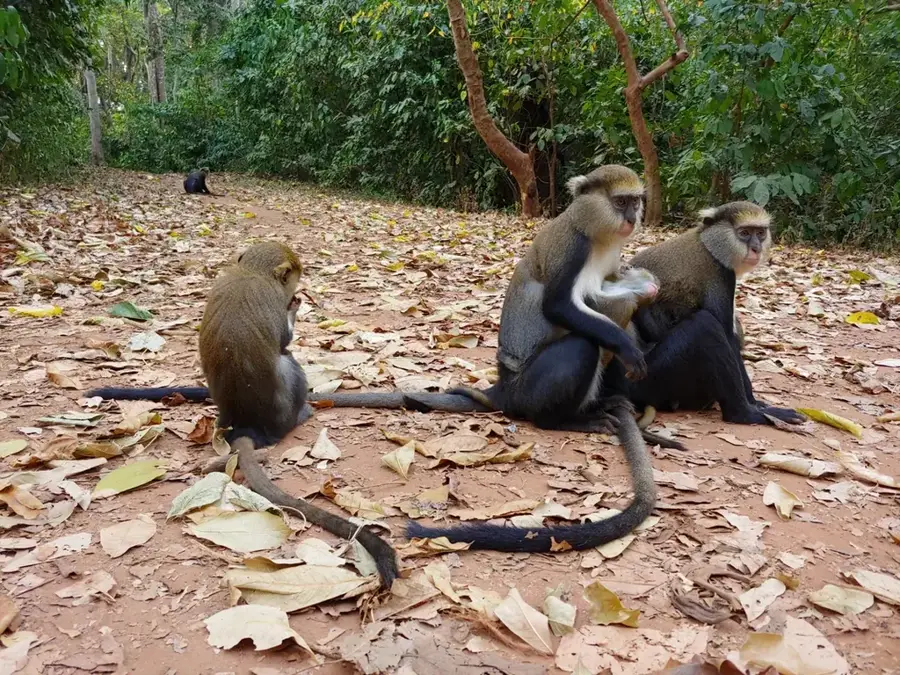
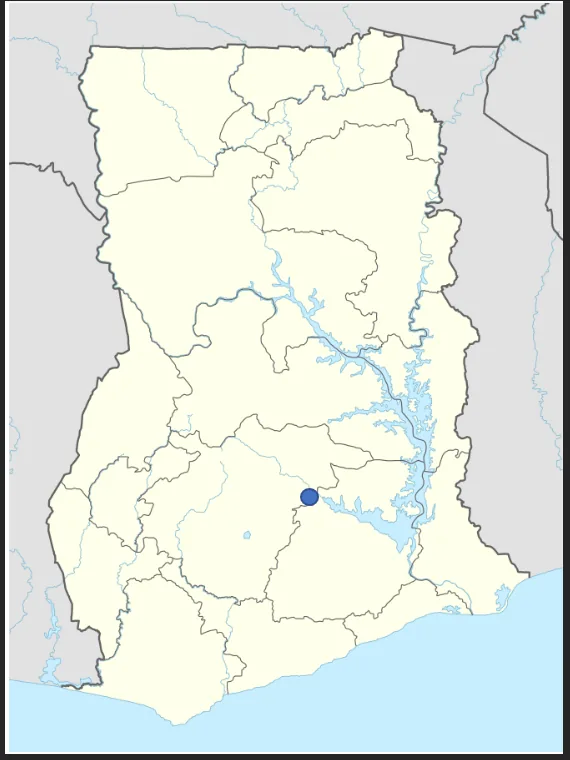
Bui National Park is located in western Ghana, bordering Ivory Coast, and covers an area of approximately 1,821 square kilometers. Established in 1971, it was primarily created to safeguard the ecosystem of the Black Volta River and its surrounding habitats. The park is renowned for hosting a significant population of hippopotamuses, which are central to its conservation mission. The landscape consists of a mosaic of woodland savannah and gallery forests, providing shelter for various primates, antelopes, and a rich diversity of birdlife. In 2013, the park saw a major environmental change with the completion of the Bui Dam, a massive hydroelectric project that flooded a substantial portion of the park's territory. While the dam is vital for Ghana's energy grid, it has necessitated intensive wildlife management to mitigate the impact on local species. The park continues to be a focal point for ecological research and conservation efforts aimed at protecting the remaining riverine biodiversity. Managing the balance between industrial infrastructure and natural preservation remains the primary challenge for the park authorities.

Best time to visit & climate

The most pleasant time to visit is Jan, Nov, Dec.

JanFebMarAprMayJunJulAugSepOctNovDec
Avg °C273031302927262626272827
Rain mm4194995116137157144199120244

📋 Practical info

🧭
Getting there
The national park is generally accessible by road from regional centers like Wenchi or Sunyani, often involving driving on unpaved stretches. Upon arriving at the main park headquarters, visitors typically arrange for guided entry into the specific riverine zones.
📅
Best season
The dry season, roughly stretching from November to March, is typically the optimal period for spotting hippos as water levels drop and animals congregate. Heavy rains in the wet season can make many dirt tracks deeply rutted and impassable for standard vehicles.
⛰️
Terrain & paths
Visitors will navigate a diverse mix of Guinea savanna woodland, gallery forests along the riverbanks, and somewhat rugged pathways. The terrain can be dusty in the dry season and extremely muddy in the wet, requiring sturdy footing when walking near the river.
🎒
What to bring
Binoculars are highly recommended to safely view hippos and birdlife from a secure distance across the water. Practical gear usually includes lightweight, neutral-colored clothing, potent insect repellent, sun protection, and durable closed-toe walking shoes.
🅿️
Parking
Safe and official parking is normally available directly at the park headquarters or designated ranger outposts. From these secured areas, visitors typically leave their vehicles behind and continue via official safari transports, guided hikes, or river boats.
⚠️
Safety
Hippos are incredibly territorial and dangerous; adhering strictly to the distance guidelines established by your park guide is absolutely vital. Independent exploration away from established trails is generally prohibited due to the presence of unpredictable wildlife.
⏱️
Time needed
A standard wildlife viewing excursion, typically involving a river cruise or a walk to hippo pools, generally takes three to four hours. For a comprehensive experience encompassing different park ecosystems, visitors usually plan to spend a full day or stay overnight.

Geography

Coordinates
8.28330, -2.25000

Facts

  • Covers an area of approx. 1,821 km²
  • Established as a national park in 1971
  • Home to a significant hippopotamus population
  • Divided by the Black Volta River
  • Site of the 400 MW Bui Dam project
  • Located on the border with Ivory Coast

Explore nearby

Notable places around
Route planner — Car & Motorhome

Where do you start? We build the route here, with stops and country notes along the way.

Vehicle
Only stops with (optional):

© OpenStreetMap contributors · OpenRouteService

Sights in the town Bui National Park (1)

Bui Dam📍 landmark

A dam on the Black Volta river, used for hydroelectric power generation and irrigation in the area.

Sights nearby

Frequently asked questions

What animals can be seen in Bui National Park?
The park is famous for its large hippo population in the Black Volta and over 300 bird species.
Is a guide required for visiting the park?
Yes, for hikes and boat trips, a mandatory guide from the park headquarters in Bamboi is required.
When is the best time to visit Bui?
The dry season from November to April is well-suited, as animals gather around water sources.
Can you visit the Bui Dam?
Yes, the massive dam is located within the park and is an impressive example of modern infrastructure.
Are there accommodation options in the park?
Simple guesthouses are available in Bamboi; camping is possible with prior arrangements.
Bui National Park: where is it located?
Bui National Park is located in Ghana.
Bui National Park: when is the best time to visit?
The most pleasant time to visit is Jan, Nov, Dec.
Bui National Park: why is it worth visiting?

Bui National Park is located in western Ghana, bordering Ivory Coast, and covers an area of approximately 1,821 square kilometers.
View on map → The Top 50 Attractions → OpenStreetMap →
Africa
Explore with Plizio Discover more places in Africa
More places in Ghana →

Nearby cities

Nature

More places