Plizio Visual Lab

Jülich

Plizio editorial teamData Sources
City
—°2161
Jülich (Germany)
ℹ️

Practical info — Jülich

🌤 Weather — 5 days

📍 Nearby

Sights nearby

💡 Tips

  • The Jülich Citadel is a must-see. It is one of the best-preserved Renaissance fortresses in Germany, featuring extensive ramparts.
  • Brückenkopf-Park is fantastic if you have kids. It provides playgrounds, a zoo, and beautiful gardens.
  • Cycling is very popular here. The flat paths along the Rur river are first-rate for renting a bike and exploring.
  • Keep in mind that Jülich is a major research hub; you might encounter many international students and scientists, giving the historic town a modern vibe.

🍽 Food

🍽
Rheinischer Sauerbraten

A classic regional pot roast, traditionally marinated in vinegar and spices. Look for it in traditional German restaurants near the market square.

🍽
Printen

Though famously from nearby Aachen, you can find excellent local variations of these spiced gingerbread cookies in Jülich's traditional bakeries.

🍽
Rur Valley Trout

Fresh trout from the local rivers, often served pan-fried or 'blau' (boiled) in riverside inns.

🛍 Shopping · 🧘 Quiet spots

🛍
Marktplatz Weekly Market

Visit the central square on market days to buy fresh local produce, cheeses, and regional specialties directly from farmers.

🛍
Kölnstraße

This pedestrian-friendly street is the main shopping artery, lined with boutiques, cafes, and local shops.

🧘
Rur Floodplains (Rurauen)

Follow the paths along the Rur river for a peaceful walk surrounded by nature, right on the edge of the city.

🧘
Citadel Moat

The dry moat surrounding the Citadel is a large, grassy area great for a quiet stroll away from traffic.

Highlights of 2026

2

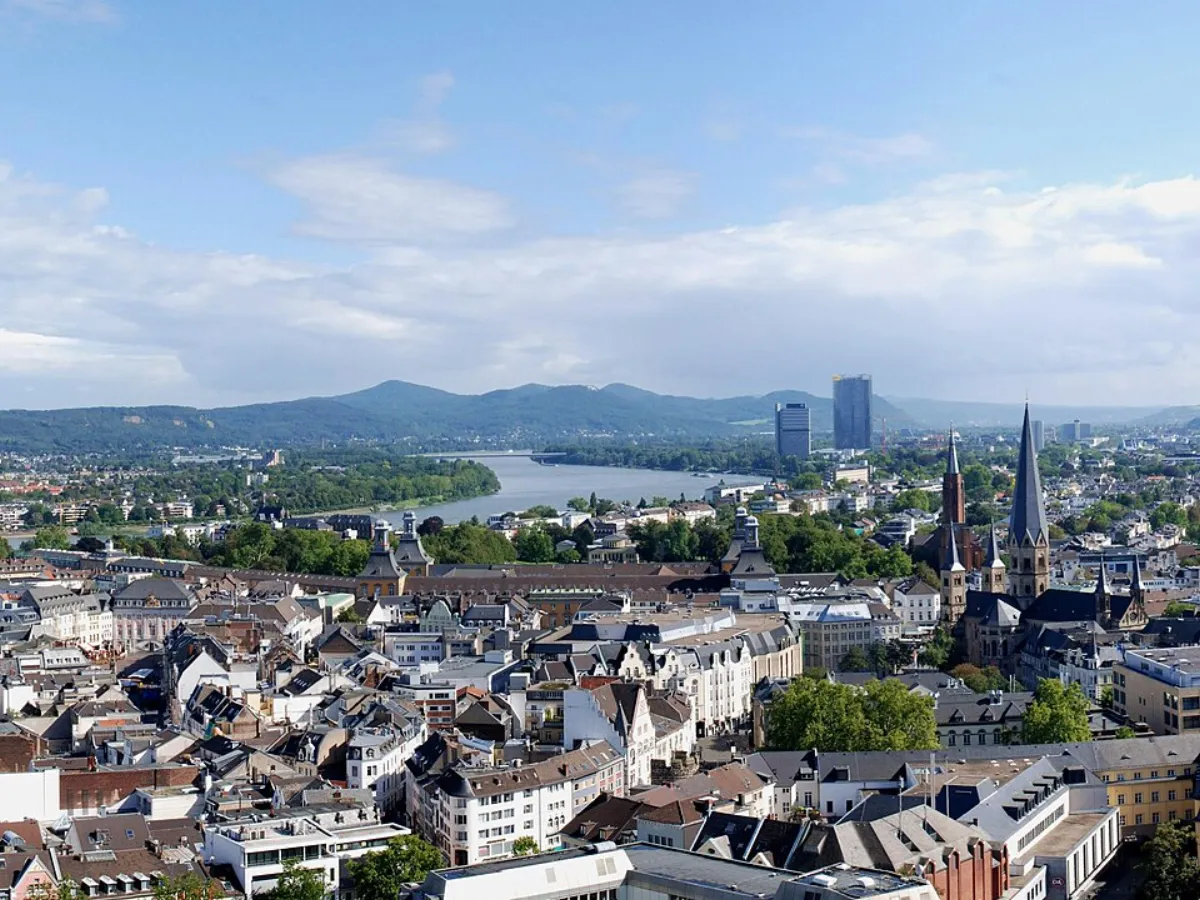
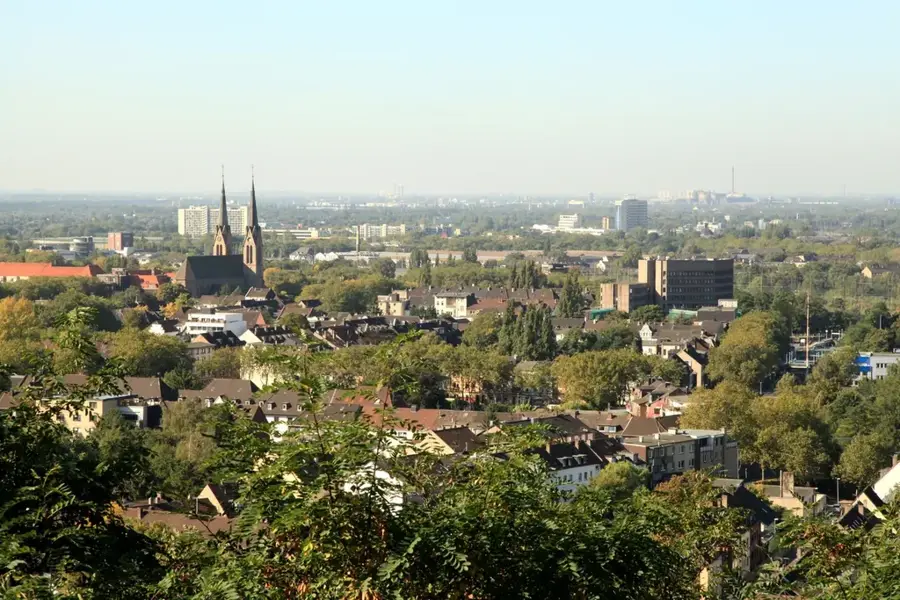
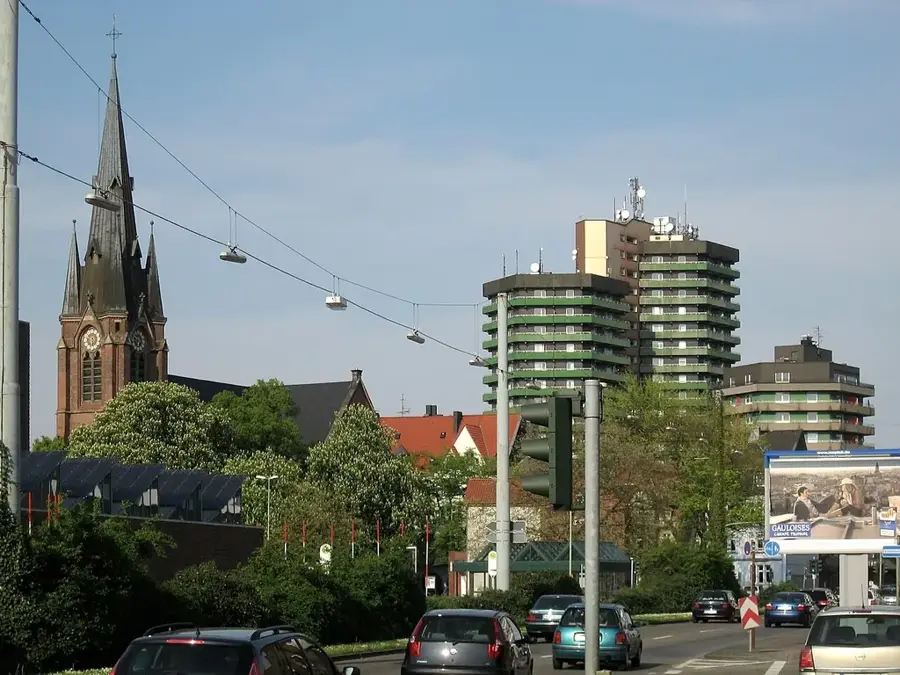
Jülich is a city in North Rhine-Westphalia that uniquely bridges its Roman origins and Renaissance military history with cutting-edge scientific innovation. Originally founded as a Roman rest stop called Juliacum, it rose to prominence as the capital of the Duchy of Jülich. The city's most significant landmark is its massive Renaissance citadel, designed in the 16th century with a distinctive pentagonal layout, making it one of the most important fortress monuments in Northern Europe. During World War II, Jülich was 97% destroyed, yet it was rebuilt carefully following its historic Renaissance street plan. Today, it is recognized globally as the home of the Forschungszentrum Jülich, one of Europe's largest multidisciplinary research institutions focusing on information technology, energy, and environmental science. The presence of thousands of international scientists gives the city a cosmopolitan atmosphere despite its relatively small population of around 33,000 residents.

Best time to visit & climate

The most pleasant time to visit is Jun–Aug.

JanFebMarAprMayJunJulAugSepOctNovDec
Avg °C2361014171919151163
Rain mm665956426165737853586571

Geography

Population
33,911
Coordinates
50.92220, 6.35830

Facts

  • Roman Origin: Founded on the Via Belgica road.
  • Citadel: Largest Renaissance fortress north of the Alps.
  • Research: Home to one of the world's fastest supercomputers.
  • WWII Damage: One of the most destroyed cities in Germany.
  • Pasqualini: The architect who shaped the city's ideal plan.
  • Landmark: The Bridgehead Park (Brückenkopf Park).

Explore nearby

Notable places around

Route planner — Car & Motorhome

Where do you start? We build the route here, with stops and country notes along the way.

Vehicle
Only stops with (optional):

© OpenStreetMap contributors · OpenRouteService

Sights in the town Jülich (16)

Jülich Citadel🏰 castle

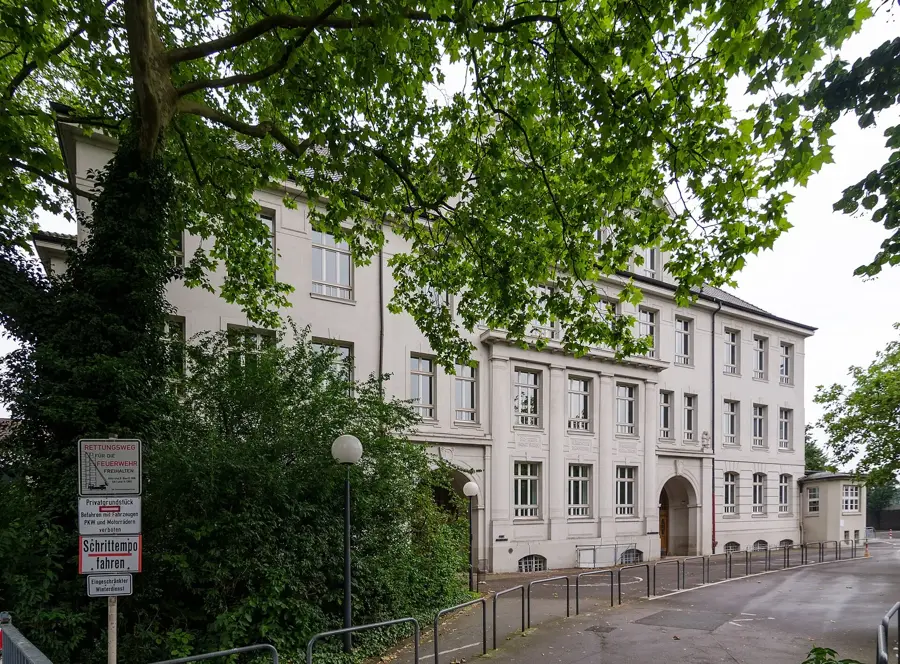
A significant Renaissance fortress built in the Italian style, now housing a school and a history museum.

Brückenkopf Park🌳 park

A large recreational park based around a Napoleonic bridgehead, featuring a zoo and beautiful gardens.

🕒 Mar-Oct: Mo-Su 09:00-18:00; Nov-Feb: Mo-Su 10:00-16:30

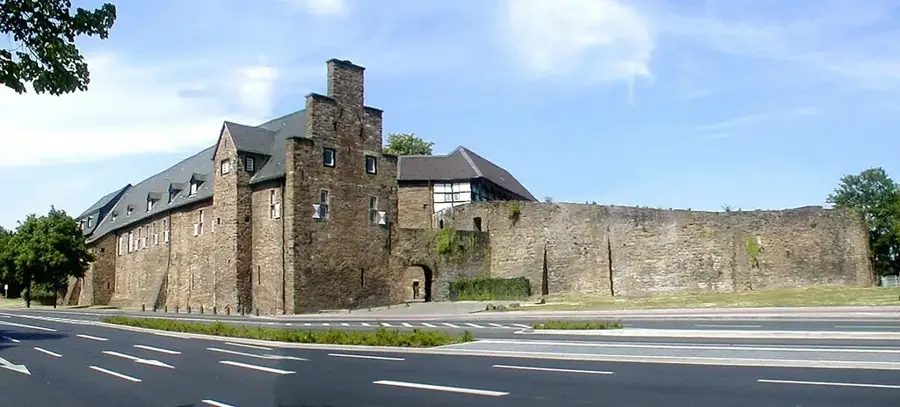
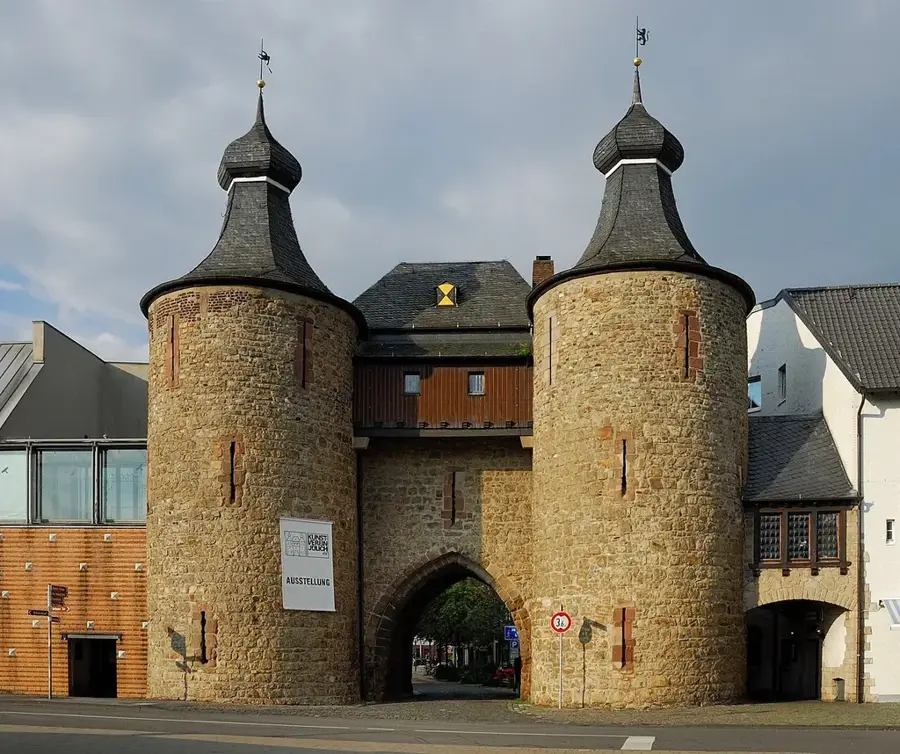
Witch Tower (Hexenturm)🗼 tower

The only surviving gate tower of the medieval city wall, which once served as a prison.

Museum of City History🏛 museum

Located within the citadel, it documents Jülich's past from Roman times to its modern scientific role.

Jülich Research Centre📍 landmark

One of Europe's largest research campuses, symbolizing the city's reputation as a hub of science.

Burg Bourheim🏰 castle

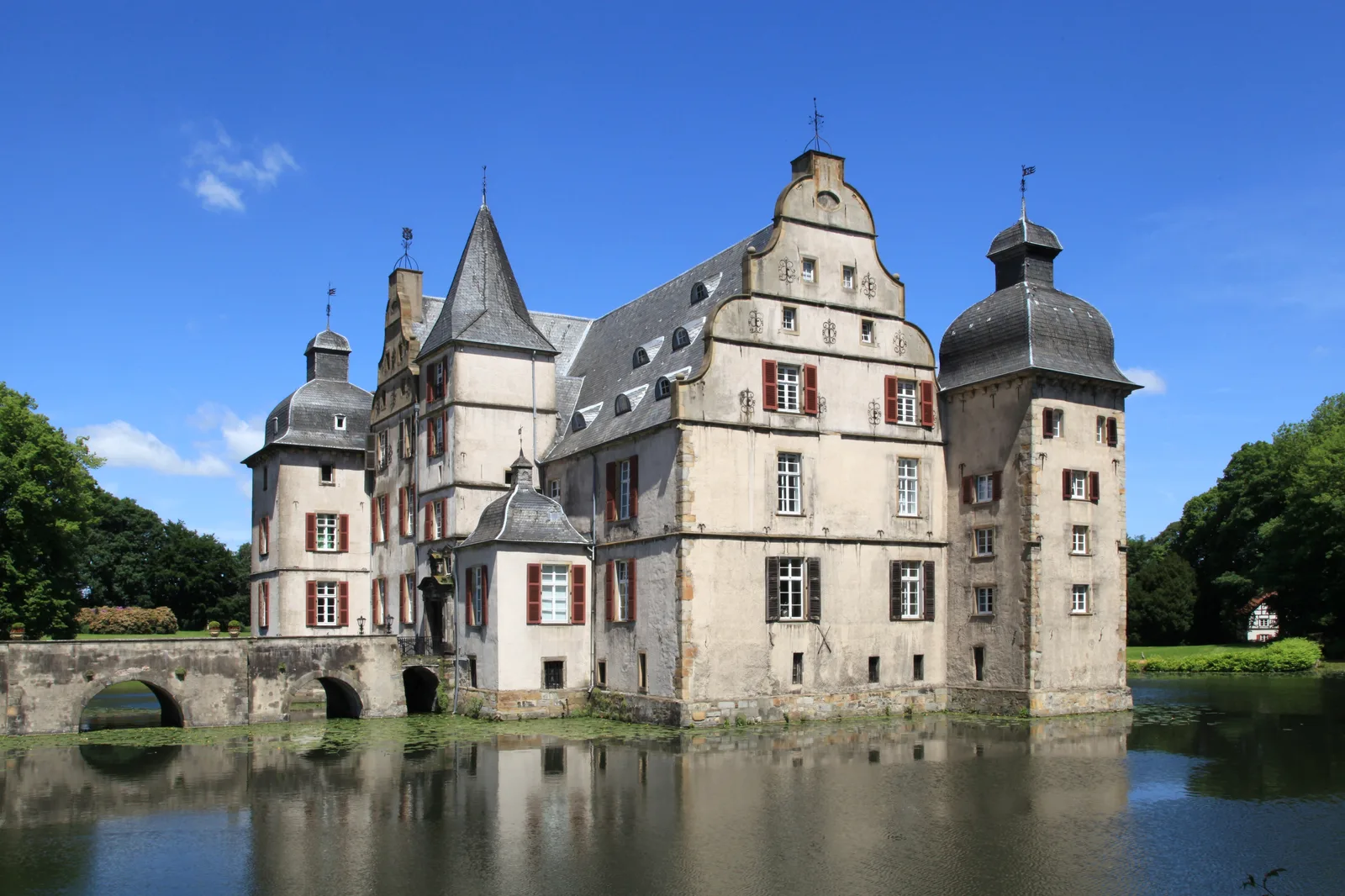
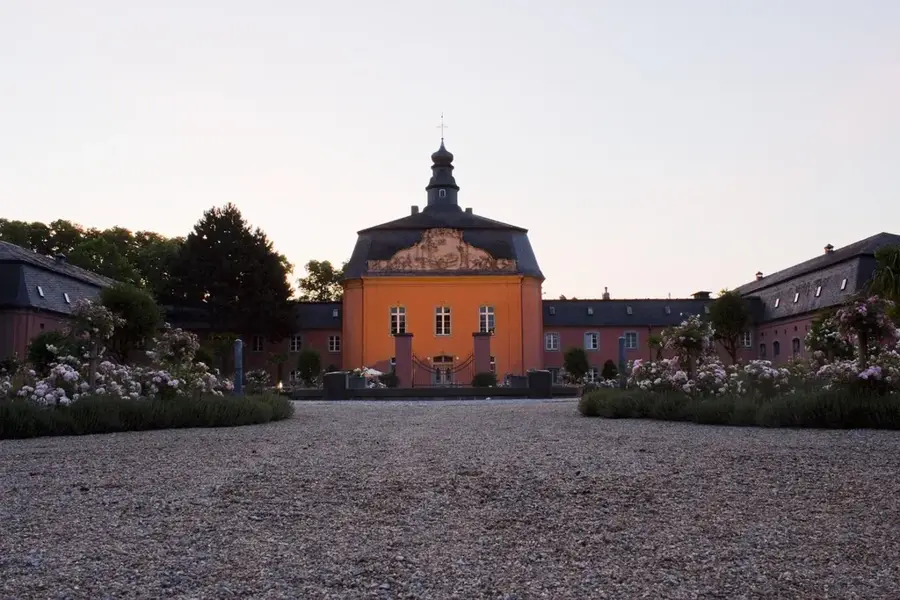
A former water castle in the Bourheim district of Jülich, serving as a historic noble residence.

Prinzwingert🌿 nature

A protected nature reserve in Jülich dedicated to the preservation of local flora and fauna.

Eselgehege👨‍👩‍👧 family

A popular donkey enclosure in Jülich where visitors can observe the animals in a natural setting.

Jagd- und Forstausstellung🏛 museum

An interesting exhibition in Jülich focusing on the history of hunting and forestry.

🆓

Ruraue vom Merkener Busch bis zum Rurauenwald Indemündung🌿 nature

This extensive nature reserve along the Rur protects valuable floodplain landscapes near Jülich.

Wasserburg Linzenich🏺 historical

The remains of this former moated castle near Jülich bear witness to the region's historical defensive architecture.

Solarturm Jülich🗼 tower

A distinctive tower in Jülich that serves as a research facility for the use of concentrated solar power.

Badestrand Barmener Baggersee🎡 recreation

Embracing the shores of the Barmener Baggersee near Juelich, this bathing beach is a well-loved nature retreat. A relaxed, community-driven mood fills the air as visitors swim in the lake or lounge on the sandy shores. Families often spend entire afternoons here embracing the outdoors. It is wise to pack plenty of snacks and sunscreen for a full day of recreation.

Overbacher Weiher🌿 nature

Overbacher Weiher in Juelich is a pleasant spot for walks and relaxing in nature.

Schlossplatz👨‍👩‍👧 family

The playground at Schlossplatz in Jülich invites families to play and spend time together.

Am Blauen Stein👨‍👩‍👧 family

The Am Blauen Stein playground in Jülich is a nice place for children to play outdoors.

Frequently asked questions

What is the most important landmark in Jülich?
The Jülich Citadel, one of the most significant Renaissance fortifications in Northern Europe.
Can you visit the Brückenkopf Park?
Yes, this family park gives gardens, playgrounds, and a small zoo on a former fortress site.
Why is Jülich scientifically significant?
Because of the Forschungszentrum Jülich, one of the largest research institutions in Europe.
How is the city layout designed?
The city was rebuilt after its destruction in WWII on its historical, well-suited hexagonal layout.
Are there museums in the Citadel?
Yes, the City History Museum is located right inside the commander's house of the Citadel.
Jülich: where is it located?
Jülich is located in North Rhine-Westphalia, Germany.
Jülich: what is there to see?
Highlights include Jülich Citadel, Brückenkopf Park, Witch Tower (Hexenturm).
Jülich: when is the best time to visit?
The most pleasant time to visit is Jun, Aug.
Jülich: why is it worth visiting?
Jülich is a city in North Rhine-Westphalia that uniquely bridges its Roman origins and Renaissance military history with cutting-edge scientific innovation.
View on map → The Top 50 Attractions → Most beautiful beaches → OpenStreetMap →
Europe
Explore with Plizio Discover more places in Europe
More places in Germany →

Nearby cities