Plizio Visual Lab
Herne
ℹ️Practical info — Herne
▾
🌤 Weather — 5 days
📍 Nearby
Sights nearby
💡 Tips
- The LWL-Museum für Archäologie is mostly subterranean; plan your visit for a rainy day to explore its fascinating underground exhibits.
- If visiting in August, do not miss the Cranger Kirmes, one of the biggest funfairs in Germany, but use public transport as parking is nearly impossible.
- Explore the industrial heritage at the Teutoburgia settlement, a beautifully preserved former miners' housing estate.
- Rent a bicycle to ride along the Rhein-Herne-Kanal, taking in the mix of industrial architecture and green spaces.
🍽 Food
A Ruhr area staple, grab one at a traditional Imbiss stand near the train station or pedestrian zone.
A traditional spicy beef stew, often found in historic, rustic pubs in the area.
A classic combination of beer and a clear schnapps, popular in local neighborhood taverns.
🛍 Shopping · 🧘 Quiet spots
The main shopping street in Herne-Mitte with a good mix of retail chains and cafes.
Visit the weekly market in the center for regional produce and a lively Ruhrpott atmosphere.
A massive leisure park offering quiet walking trails, a small animal enclosure, and forested areas.
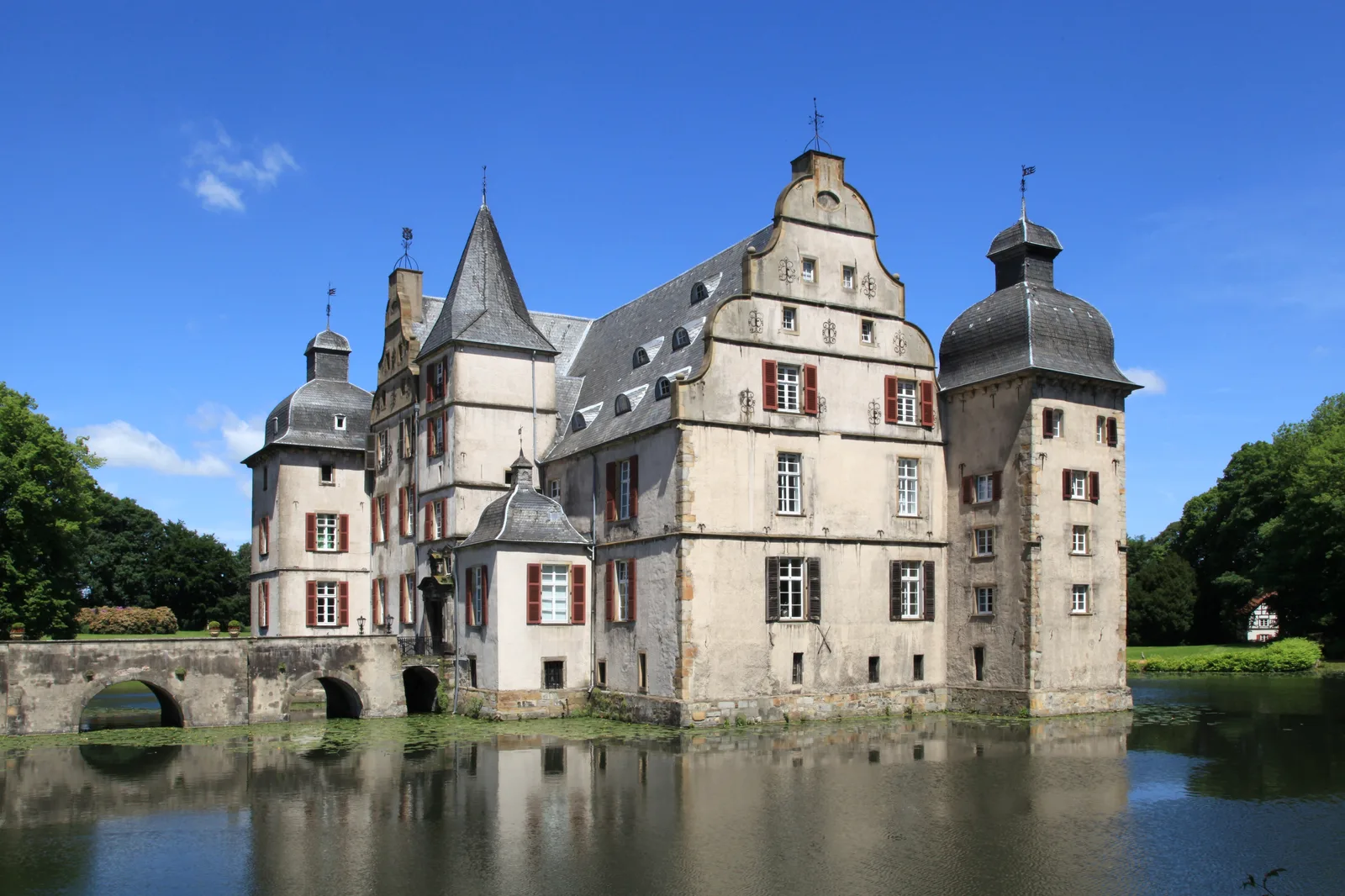
Take a walk around the moat and the peaceful gardens of this historic water castle.
Water temperature…
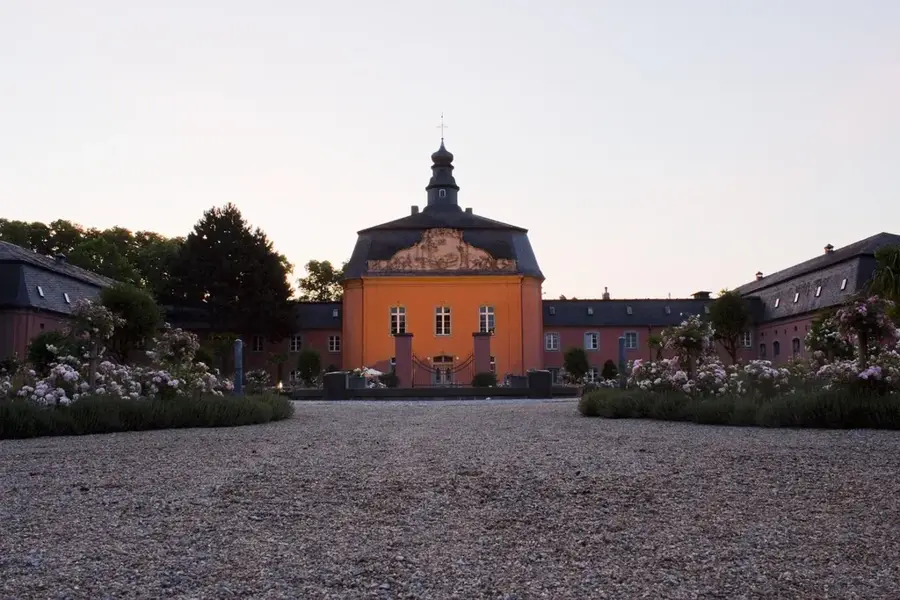
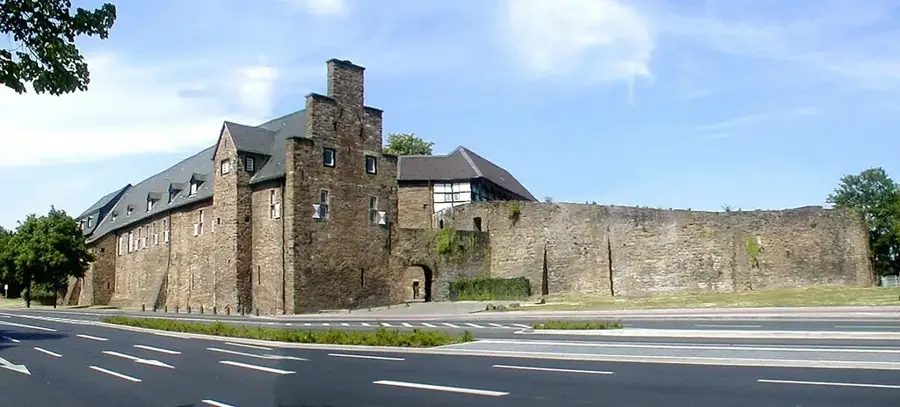
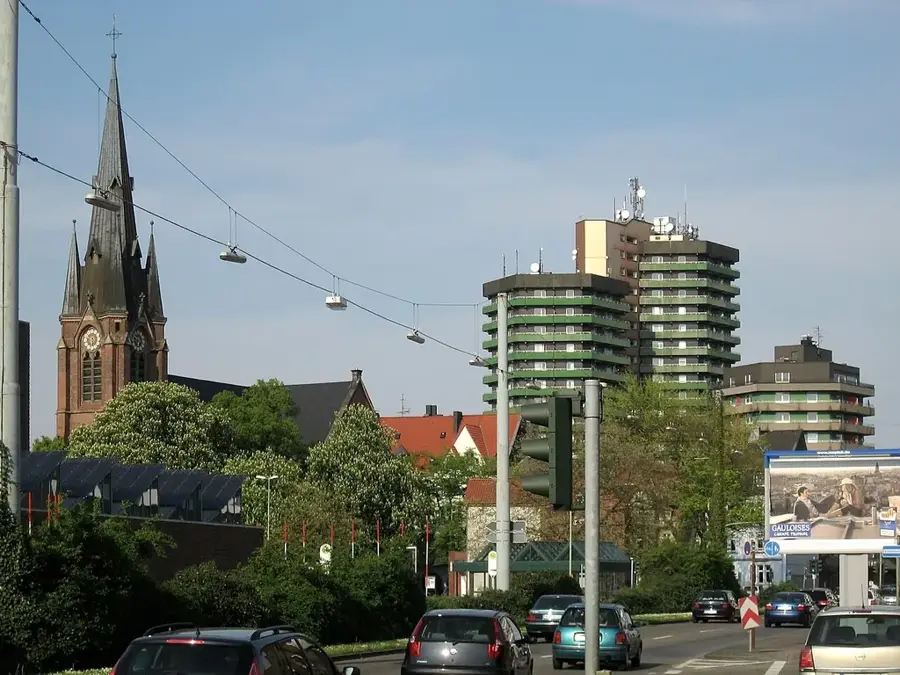
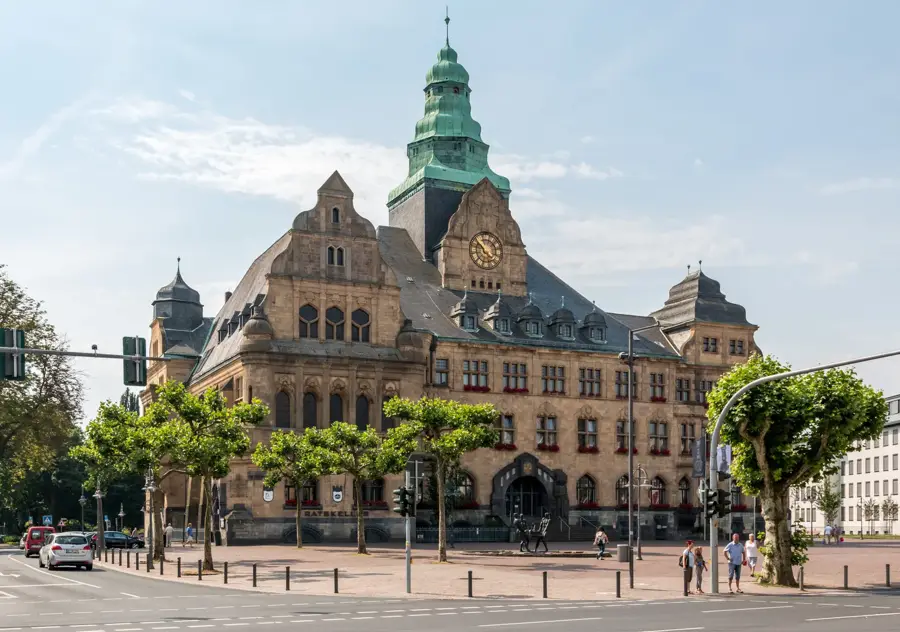
Herne, located in the geographical center of the Ruhr region, is a city that perfectly illustrates the industrial rise and subsequent structural change of western Germany. Originally a small farming community, it exploded into a major industrial hub following the discovery of coal in the mid-19th century. Iconic collieries like 'Friedrich der Große' dominated the skyline for over a century. Today, the city is a vital center for culture and logistics. The LWL Museum of Archaeology is its cultural flagship, offering an immersive journey through Westphalian history in a unique underground exhibition space. History enthusiasts also enjoy Strünkede Castle, a beautiful moated Renaissance and Baroque residence. Every August, the city hosts the Cranger Kirmes, a massive fair along the Rhine-Herne Canal that attracts over 4 million visitors annually, making it one of Germany's most significant cultural events. Herne blends its grit-and-steel heritage with modern green spaces and a high density of museums and galleries.
- Location: North Rhine-Westphalia, Germany
- Top sights: Strünkede Castle · LWL Museum of Archaeology and Culture · Gysenbergpark
- Nearby: Bochum (7 km)
- Population: ~157.896
Best time to visit & climate
The most pleasant time to visit is Jun–Aug.
| Jan | Feb | Mar | Apr | May | Jun | Jul | Aug | Sep | Oct | Nov | Dec | |
|---|---|---|---|---|---|---|---|---|---|---|---|---|
| Avg °C | 2 | 2 | 5 | 10 | 13 | 17 | 19 | 18 | 15 | 11 | 6 | 3 |
| Rain mm | 84 | 67 | 61 | 45 | 65 | 68 | 78 | 82 | 62 | 67 | 77 | 86 |
Geography
Facts
- Cranger Kirmes visitors: approx. 4 million annually
- Founding of Shamrock mine: 1856
- Archaeological museum depth: up to 7 meters underground
- Strünkede Castle construction (current form): 16th-17th century
- Length of Rhine-Herne Canal in city: approx. 7 km
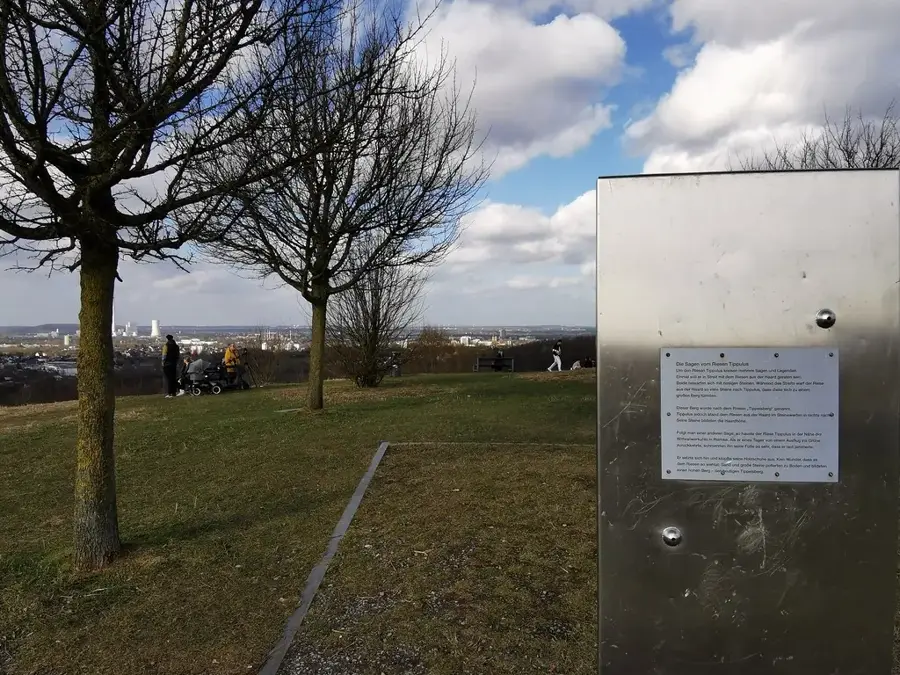
- Highest point: Monte Schlacko (slag heap)
Explore nearby
Notable places around

Route planner — Car & Motorhome
Where do you start? We build the route here, with stops and country notes along the way.
© OpenStreetMap contributors · OpenRouteService
Sights in the town Herne (12)
Frequently asked questions
What is Herne known for?
Is a visit to the LWL Museum of Archaeology worth it?
What is Schloss Strünkede?
Can you experience industrial culture in Herne?
How do you get from Dortmund to Herne?
Herne: where is it located?
Herne: what is there to see?
Herne: when is the best time to visit?
Herne: why is it worth visiting?

Nearby cities