Plizio Visual Lab

Doué-la-Fontaine

Plizio editorial teamData Sources
City
—°474
Doué-la-Fontaine (France)
ℹ️

Practical info — Doué-la-Fontaine

🌤 Weather — 5 days

📍 Nearby

Sights nearby

💡 Tips

  • Book your Bioparc tickets online and arrive right at opening time to beat the crowds.
  • Bring a light sweater even in summer, as the underground troglodyte caves stay quite cool.
  • If visiting in July, don't miss the spectacular Journées de la Rose in the local arenas.
  • Make reservations well in advance if you want to eat in a traditional cave restaurant.

🍽 Food

🍽
Les Fouées

Small, hot bread pockets baked in a wood-fired oven. Eat them in a troglodyte restaurant.

🍽
Galipettes

Giant stuffed mushrooms baked in a bread oven, a local cave-dining specialty.

🍽
Saumur Wines

Enjoy the local Cabernet Franc at one of the regional wine cellars.

🛍 Shopping · 🧘 Quiet spots

🛍
Rose Products

Look for rose water, soaps, and perfumes in the specialized boutiques near the center.

🛍
Regional Wines

Purchase excellent Saumur wines directly from the nearby vineyards.

🧘
Les Arènes

Explore this historic amphitheater which is very tranquil outside of event days.

🧘
Roseraie Foullon

A peaceful rose garden where you can wander among hundreds of fragrant varieties.

Highlights of 2026

4

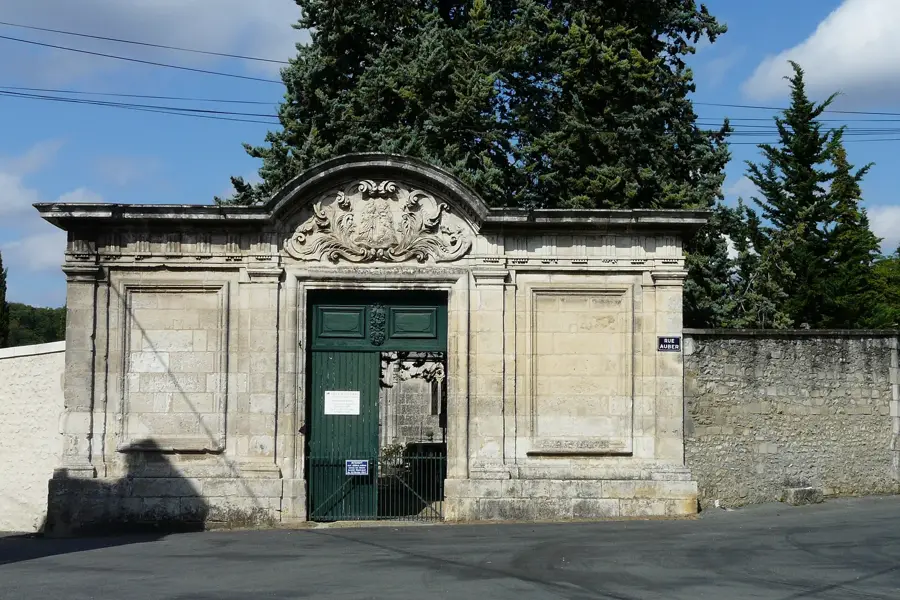
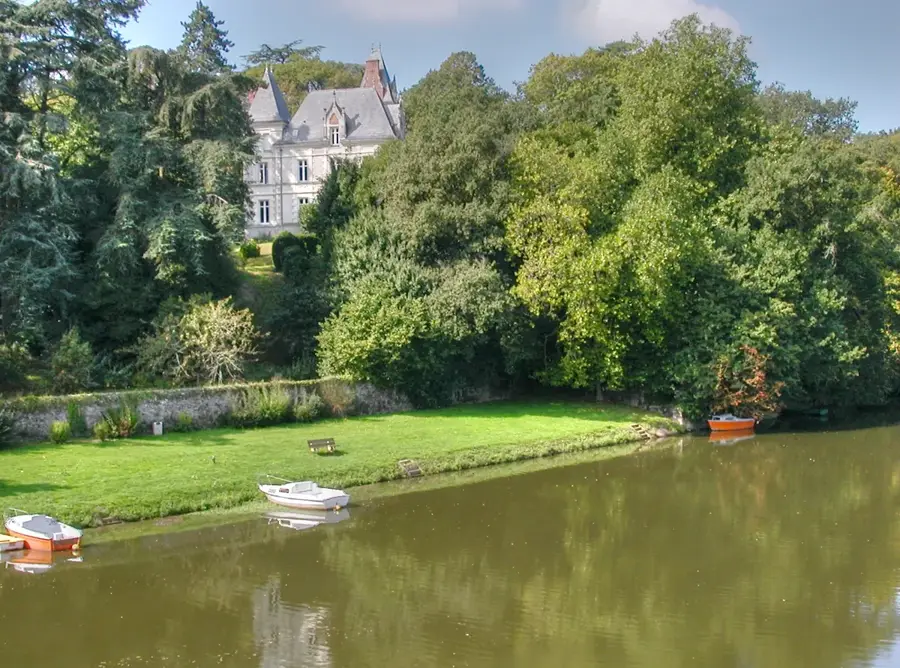
Located in the Maine-et-Loire department, Doué-la-Fontaine is defined by its tufa limestone geology and its status as a center of French rose cultivation. The town sits atop a network of former quarries, which have been repurposed over the years. The primary example is the Bioparc, a zoo built entirely within deep limestone craters, offering animals spacious enclosures sheltered by high rock walls. The surrounding landscape is honeycombed with troglodyte dwellings, underground caves that locals have historically used as homes, wine cellars, and mushroom farms. Many of these subterranean spaces now function as quirky restaurants serving traditional wood-fired fouées flatbreads. As a horticultural hub, the town produces millions of rosebushes annually, a heritage celebrated every July when the ancient stone amphitheater of Les Arènes is decorated with thousands of blooms. History enthusiasts can also examine the stark ruins of a 9th-century Carolingian hall, recognized as one of the oldest standing civil stone structures in France.

Best time to visit & climate

The most pleasant time to visit is Jun–Aug.

JanFebMarAprMayJunJulAugSepOctNovDec
Avg °C5571014171919161285
Rain mm816268546753515245838689

Geography

Population
8,089
Coordinates
47.19310, -0.27560

Facts

  • Rose production: approx. 7 million bushes/year
  • Age of the Carolingian keep: approx. 1,100 years
  • Total area: 35.90 sq km
  • Troglodyte sites: over 1,000 recorded
  • Current population: 11,368
  • Elevation range: 48 m to 103 m

Explore nearby

Notable places around

Route planner — Car & Motorhome

Where do you start? We build the route here, with stops and country notes along the way.

Vehicle
Only stops with (optional):

© OpenStreetMap contributors · OpenRouteService

Sights in the town Doué-la-Fontaine (7)

Bioparc de Doué-la-Fontaine🌿 nature

An exceptional zoo located in former limestone quarries, offering a unique underground atmosphere for exotic wildlife conservation.

Les Mystères des Faluns🌿 nature

A fascinating underground journey through geological history in monumental caves with artistic light installations and displays.

Troglodytes de la Sablière🏺 historical

A historic troglodyte village where visitors can discover the traditional lifestyle in dwellings carved directly into the rock.

Musée aux Anciens Commerces🏛 museum

A welcoming museum housed in an old stable building, showcasing historic shopfronts and everyday items from the early 20th century.

Les Chemins de la Rose🎡 recreation

A magnificent garden featuring over 13,000 rose bushes, celebrating the long-standing tradition of rose growing in the region.

Arènes de Doué-la-Fontaine🏺 historical

An ancient amphitheater dug into the rock, now used as an atmospheric venue for various cultural events and local festivals.

Bioparc - Zoo de Doué La Fontaine👨‍👩‍👧 family

Bioparc - Zoo de Doué La Fontaine is a zoo in Doue La Fontaine. It features different animal species in a family-friendly setting.

Frequently asked questions

What is Doué-la-Fontaine most famous for?
The town is famous as the French capital of roses and for its fascinating cave dwellings (troglodytes).
What is the Bioparc de Doué-la-Fontaine?
A globally unique zoo built inside a former quarry, presenting animals in a spectacular rocky setting.
Can you visit the underground sites?
Yes, 'Mystère des Faluns' gives an audiovisual tour through giant underground catacombs in an ancient limestone quarry.
When is the Rose Festival held?
The 'Journées de la Rose' (Rose Days) are held every July when millions of roses bloom in the town's gardens.
What is the oldest site in the town?
The Carolingian fortress (Donjon de Doué) is considered one of the oldest stone castles in France, dating to the 10th century.
Doué-la-Fontaine: where is it located?
Doué-la-Fontaine is located in Pays de la Loire, France.
Doué-la-Fontaine: what is there to see?
Highlights include Bioparc de Doué-la-Fontaine, Les Mystères des Faluns, Troglodytes de la Sablière.
Doué-la-Fontaine: when is the best time to visit?
The most pleasant time to visit is Jun, Aug.
Doué-la-Fontaine: why is it worth visiting?
Located in the Maine-et-Loire department, Doué-la-Fontaine is defined by its tufa limestone geology and its status as a center of French rose cultivation.
View on map → The Top 50 Attractions → Most beautiful beaches → OpenStreetMap →
Europe
Explore with Plizio Discover more places in Europe
More places in France →

Nearby cities