Plizio Visual Lab
Lille Textile Industry
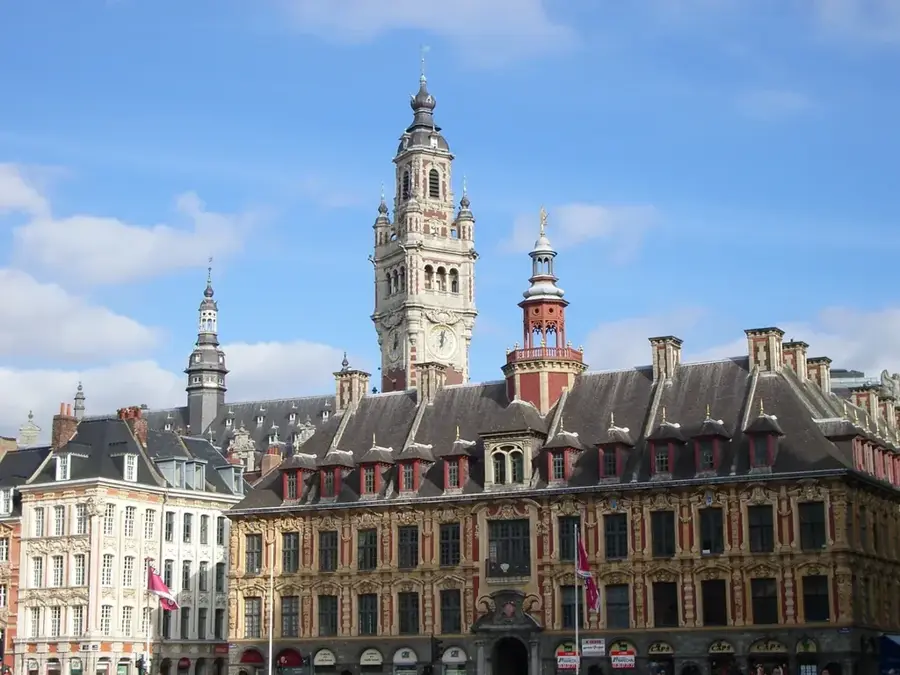
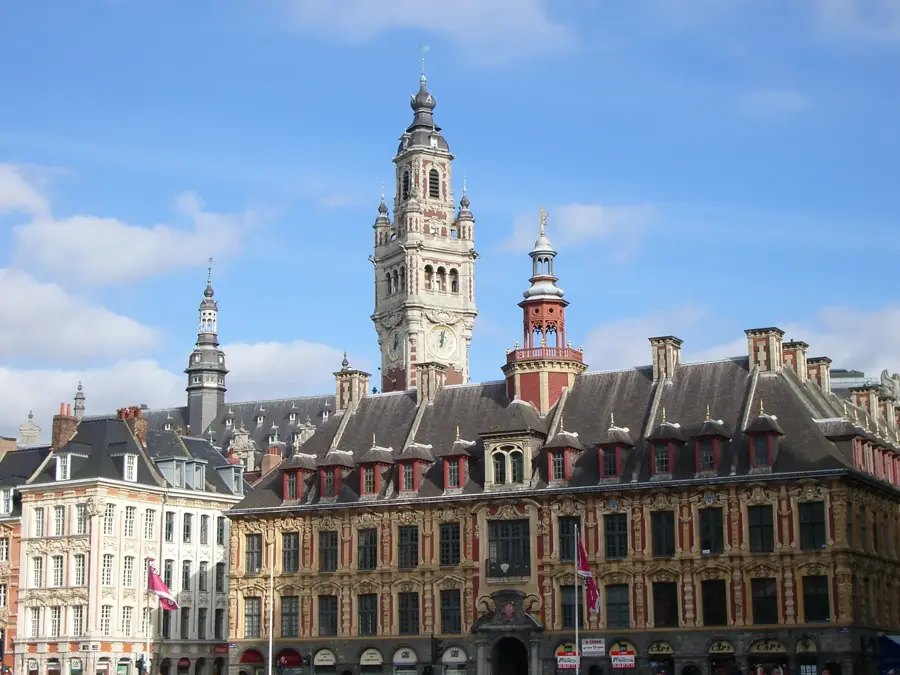
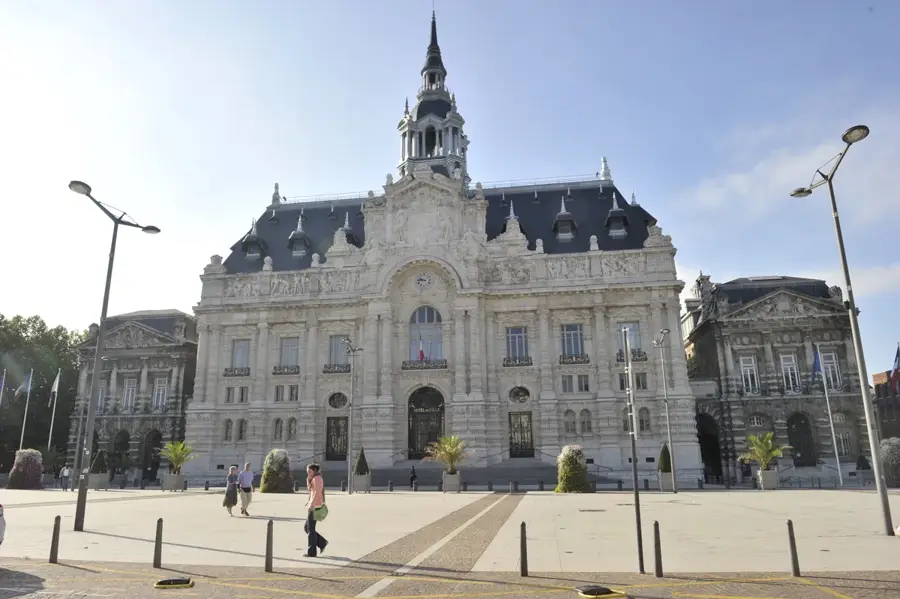
Lille and the neighboring cities of Roubaix and Tourcoing were the epicenter of the French textile industry in the 19th century, often referred to as the 'Manchester of France.' This region, with its massive cotton and wool spinning mills, shaped the Industrial Revolution in the north of the country. After a period of decline due to global competition, the sector has successfully pivoted toward technical textiles and high-tech materials. Today, the Lille metropolitan area is home to the 'EuraMaterials' cluster, driving innovation in protective clothing, medical textiles, and composite materials. Numerous fashion groups and mail-order retailers still maintain their strategic headquarters here, making the region a significant commercial hub. Former factory buildings have been creatively repurposed, such as 'La Piscine' museum in Roubaix or coworking spaces for textile designers. Education at prestigious schools like ENSAIT ensures a steady supply of highly skilled engineers for the sector. The textile tradition remains a vital part of regional identity, blending industrial heritage with modern materials research. Lille thus solidifies its status as an innovative hub for the future textile economy.
- Location: Hauts-de-France, France
- Top sights: Hôtel des Postes · Les Cariatides · Théâtre Sébastopol
- Nearby: Flers-lez-Lille (5 km)
Best time to visit & climate
The most pleasant time to visit is Jun–Aug.
| Jan | Feb | Mar | Apr | May | Jun | Jul | Aug | Sep | Oct | Nov | Dec | |
|---|---|---|---|---|---|---|---|---|---|---|---|---|
| Avg °C | 3 | 4 | 6 | 10 | 13 | 16 | 18 | 18 | 15 | 11 | 7 | 4 |
| Rain mm | 60 | 55 | 53 | 41 | 59 | 61 | 68 | 73 | 52 | 65 | 71 | 74 |
📋 Practical info
Geography
Facts
- Roubaix was once home to the largest wool factory in the world.
- The EuraMaterials cluster includes over 200 member companies.
- Lille is the birthplace of well-known brands such as Camaïeu and Phildar.
- ENSAIT in Roubaix is the leading French engineering school for textiles.
- The region is at the forefront of research into smart textiles.
- Approximately 15% of French textile jobs are concentrated in this region.
Explore nearby
Notable places around
Route planner — Car & Motorhome
Where do you start? We build the route here, with stops and country notes along the way.
© OpenStreetMap contributors · OpenRouteService
Sights in the town Lille Textile Industry (10)
Comédie de Lille
Theatre in Lille, known for its classical and modern repertoire.
Palais des Beaux-Arts🏛 museum
One of the first museums of France in Lille, art from antiquity to the 20th century.
Terres d'aventure
Protected interior of an apartment in Lille, with original 19th-century decoration.
Atelier JM Princelle
Gallery in Lille, exhibiting works by artist JM Princelle.
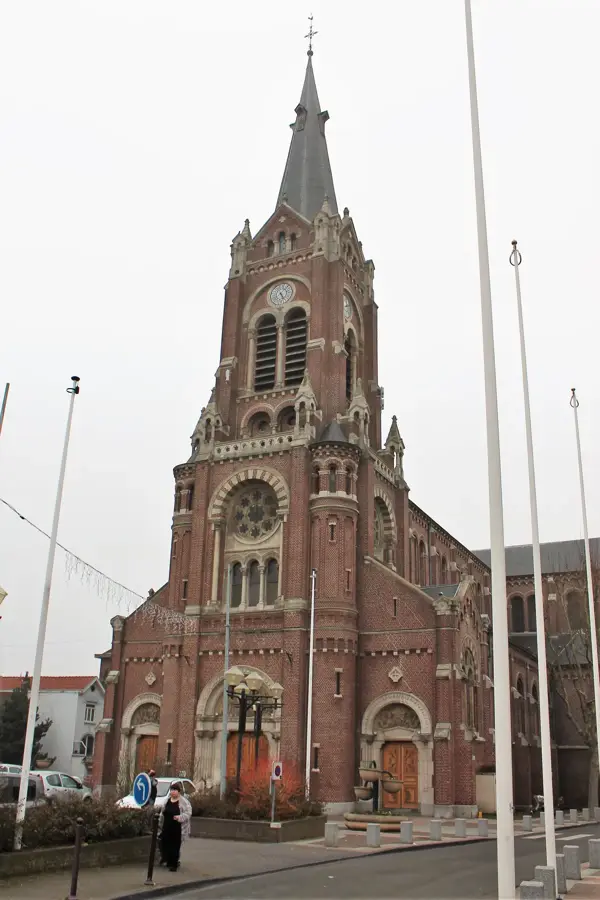
Église Saint-Michel
Church in Nord department, France, a neo-Gothic building.
Temple protestant
Church in Nord department, France, a Protestant place of worship.
Sights nearby
Frequently asked questions
Is Lille still a center of the textile industry?
Where can I experience the history of textiles?
What is the 'Maisons de Mode' project?
Are there textile markets in Lille?
Is a visit to Roubaix worth it?
Lille Textile Industry: where is it located?
Lille Textile Industry: what is there to see?
Lille Textile Industry: when is the best time to visit?
Lille Textile Industry: why is it worth visiting?

Nearby cities