Plizio Visual Lab
Kefa Forest
Weather…
Water temperature…
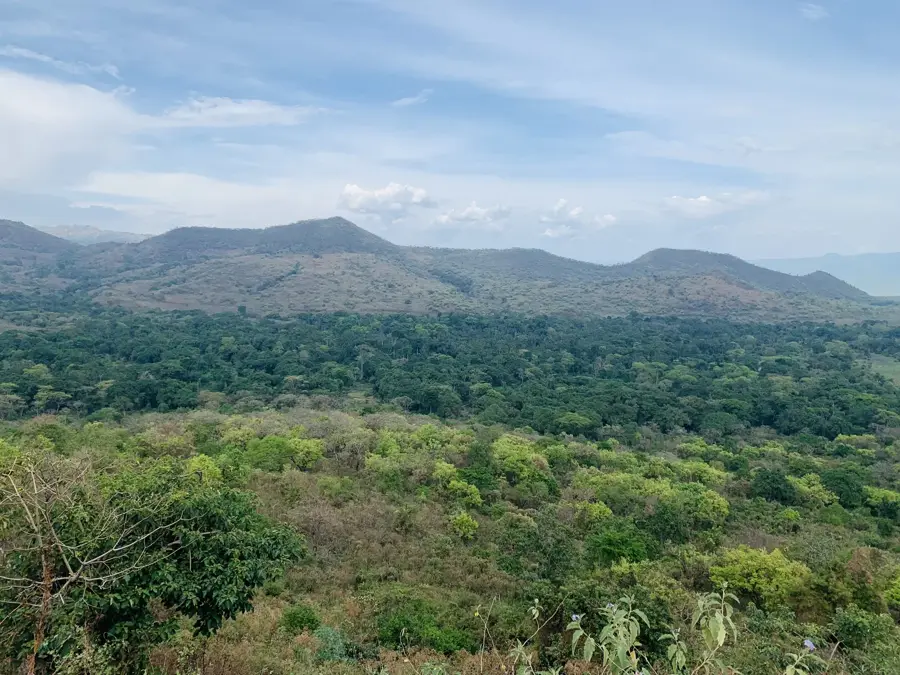
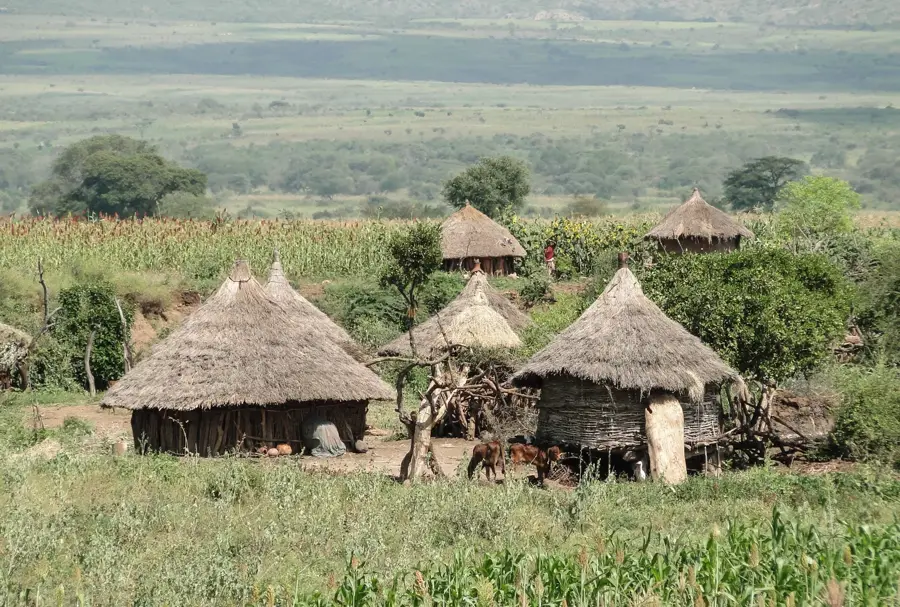
The Kefa Forest, located in the heart of the eponymous region in southwestern Ethiopia, is world-famous as the true homeland of coffee. The word 'coffee' is derived directly from this region, where Coffea arabica has thrived for millennia in the undergrowth of moist montane rainforests. The forest's relief is defined by the rugged Kaffa highlands, with elevations between 1,500 and 2,500 meters, deeply incised by numerous rivers and streams. These dense cloud forests are a biodiversity hotspot, hosting an impressive number of endemic plant species and rare animals like the Ethiopian wolf and various primates. For the local population, the forest is much more than just an ecosystem; it is part of their cultural identity and provides vital resources such as medicinal herbs, spices, and valuable forest honey. Geologically, the region is characterized by Tertiary volcanic rocks that have produced extremely fertile red laterite soils. Despite its significance, the Kefa Forest faces major challenges from agricultural expansion and illegal logging, which is why international conservation projects promote the preservation of this genetic treasure. The unique symbiosis of nature and ancient human tradition makes the Kefa Forest one of Africa's most fascinating forest areas.
- Location: Ethiopia
- Nearby: Mizan Teferi (65 km)
Best time to visit & climate
The most pleasant time to visit is Jan, Feb, Dec.
| Jan | Feb | Mar | Apr | May | Jun | Jul | Aug | Sep | Oct | Nov | Dec | |
|---|---|---|---|---|---|---|---|---|---|---|---|---|
| Avg °C | 18 | 19 | 20 | 19 | 18 | 17 | 16 | 16 | 17 | 17 | 17 | 17 |
| Rain mm | 31 | 50 | 114 | 231 | 304 | 265 | 229 | 246 | 235 | 192 | 107 | 52 |
📋 Practical info
Geography
Facts
- The Kaffa region is widely regarded as the birthplace of coffee.
- The forest hosts over 500 different tree species.
- Annual rainfall often exceeds 1,800 mm.
- It contains important protection areas for the colobus monkey.
- Kefa Forest is part of the UNESCO World Network of Biosphere Reserves.
- The soil consists mainly of nutrient-rich red laterite.
Explore nearby
Notable places around



Route planner — Car & Motorhome
Where do you start? We build the route here, with stops and country notes along the way.
© OpenStreetMap contributors · OpenRouteService
Sights nearby
Frequently asked questions
Why is the Kefa Forest historically important?
Is there an information center there?
What is the best way to get there?
Can wild honey be found in the forest?
What tree species dominate the forest?
Kefa Forest: where is it located?
Kefa Forest: when is the best time to visit?
Kefa Forest: why is it worth visiting?

Nearby cities
History & landmarks
Nature
More places