Plizio Visual Lab

Madauros
Plizio editorial teamData Sources
Historical site
—°2
Madauros (Algeria)

Weather…

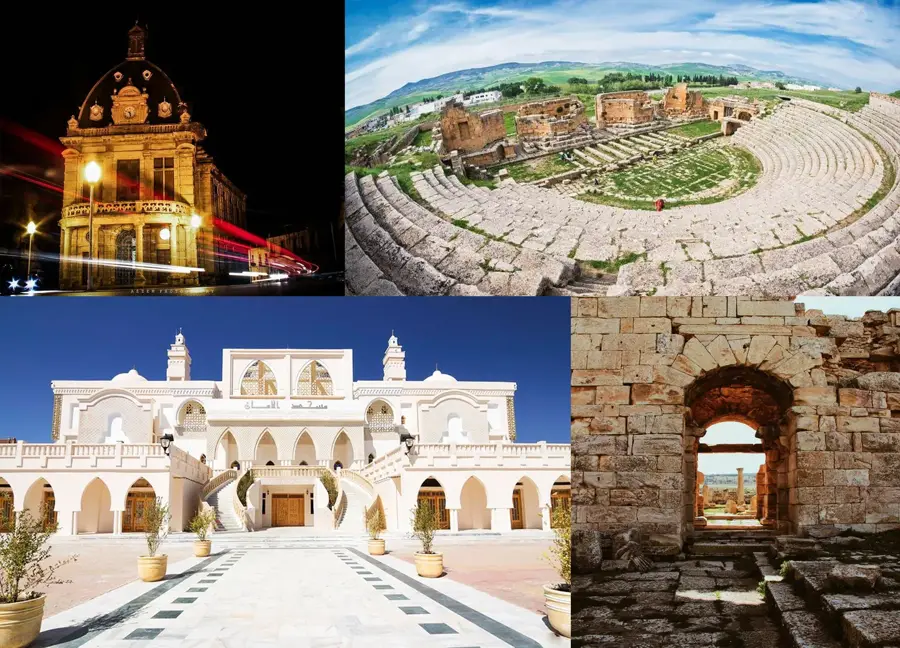
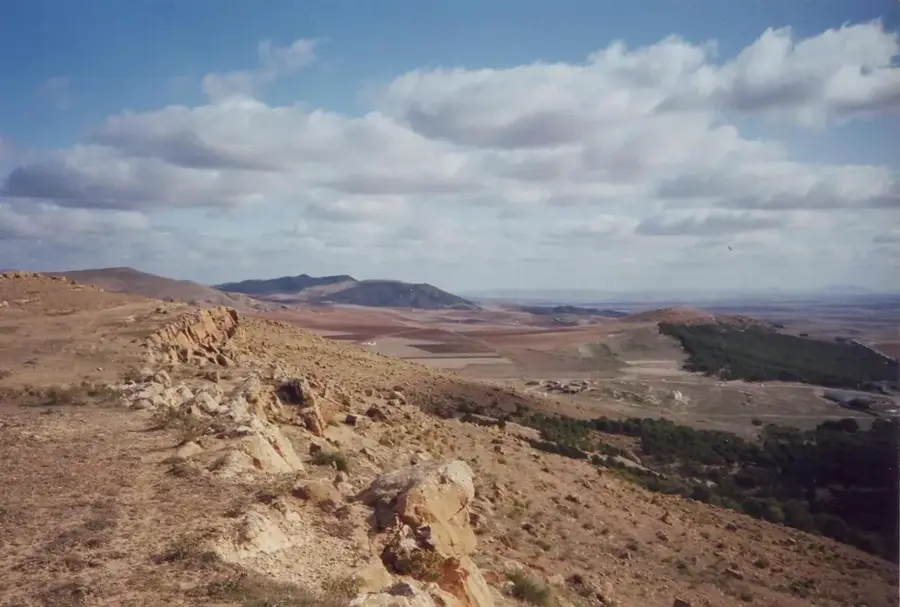
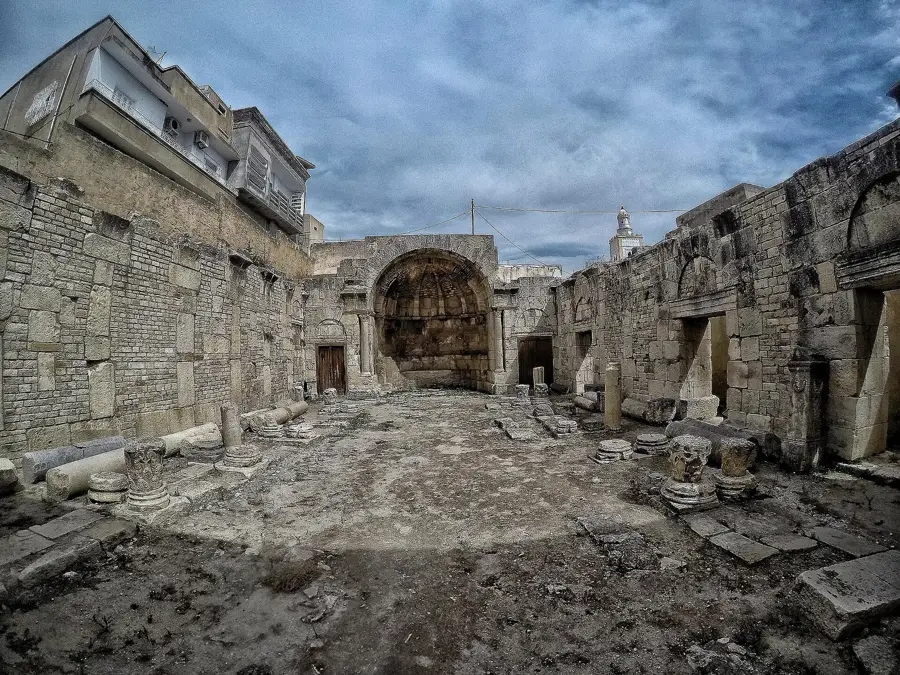
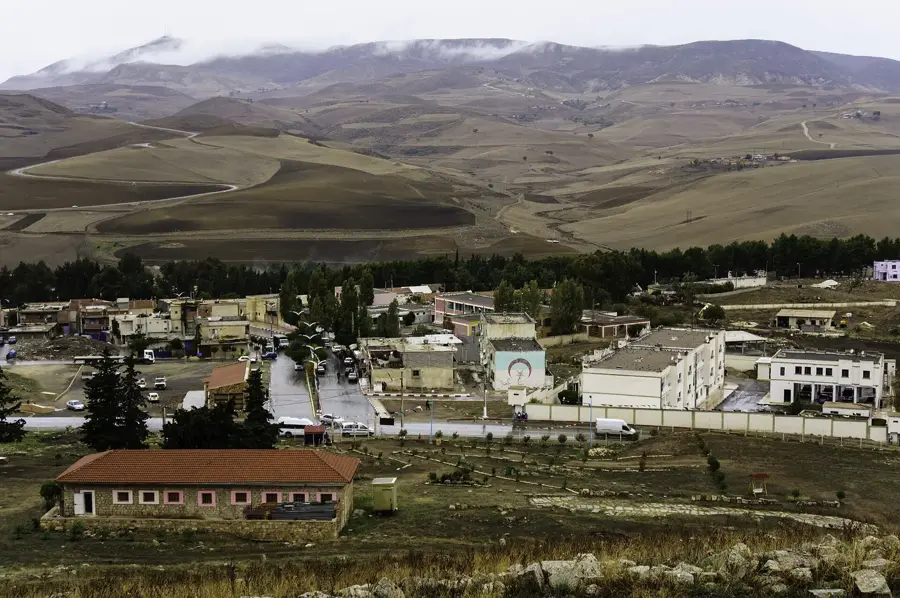
Madauros, today known as M'Daourouch, was an ancient Numidian and later Roman city located in the high plains of northeastern Algeria. During the 2nd century AD, it flourished as a major center of learning and is famously the birthplace of the philosopher and writer Apuleius, author of the first Latin novel, The Golden Ass. Saint Augustine also received part of his early education here, highlighting the city's intellectual significance in the Roman province of Africa. The archaeological site features a well-preserved forum, a theater, and extensive Byzantine fortifications that were constructed in the 6th century using stones from earlier Roman structures. Remains of Christian basilicas and thermal baths attest to the urban sophistication and religious importance of the city through late antiquity. Its strategic location on the trade routes between the coast and the interior ensured its economic prosperity for centuries. Today, the ruins of Madauros offer a unique insight into the blending of indigenous Numidian culture with Roman urbanization and Byzantine military architecture.

Best time to visit & climate

The most pleasant time to visit is May, Jun, Sep.

JanFebMarAprMayJunJulAugSepOctNovDec
Avg °C771114182326262218128
Rain mm876679665226143159596883

📋 Practical info

🚪
Visiting
The extensive ruins of this ancient Numidian-Roman city can be visited as an expansive open-air archaeological site. Walking through the historical remnants has a profound glimpse into what was once a major center of early Christian theology.
🕒
Typical hours
Access to the archaeological site is typically available from early morning until the late afternoon hours. It is highly recommended to complete your visit during daylight, as there is generally no artificial lighting provided among the ancient ruins.
📷
Photography
The varied historical remnants against the open landscape offer excellent photographic opportunities, particularly during the softer light of morning or evening. Flying drones over archaeological zones usually requires special advance permits from the authorities.
⏱️
Time needed
To adequately explore the layout of this important historical center of literature and theology, visitors should plan to spend between one and two hours. Those with a deep academic interest in Roman Africa will easily find themselves staying considerably longer.
Combine with
An excursion to these Numidian-Roman ruins can be seamlessly integrated into a multi-day itinerary exploring the broader classical heritage of the region. Examining other nearby ancient settlements helps to provide a fuller picture of the area's robust history.
🧭
Getting there
Reaching the site usually involves traveling by a hired vehicle or driving a rental car, as public transit connections directly to the ruins can be sparse. It is highly advisable to arrange for your driver to wait while you complete your comprehensive tour.
💡
Insider tip
It is strongly recommended to wear sturdy walking shoes for the uneven, rocky terrain and to bring your own adequate supply of drinking water. Because tourist infrastructure is typically minimal at such historical locations, sun protection is also absolutely essential.

Geography

Coordinates
36.11670, 7.88330

Facts

  • Birthplace of Apuleius, the author of the first complete Latin novel.
  • Saint Augustine studied grammar and rhetoric here in the 4th century AD.
  • The Byzantine fortress was built in the 6th century using Roman spolia.
  • The city was strategically located on the road between Theveste and Hippo Regius.
  • The Roman theater had an estimated seating capacity of 2,000 people.
  • Archaeological evidence points to continuous habitation from the Numidian era.

Explore nearby

Notable places around

Route planner — Car & Motorhome

Where do you start? We build the route here, with stops and country notes along the way.

Vehicle
Only stops with (optional):

© OpenStreetMap contributors · OpenRouteService

Sights in the town Madauros (2)

Madauros Theatre🏺 historical

The Madauros Theatre showcases the stone-carved seating tiers of a classical Roman entertainment venue.

Maison de jeunes🎭 culture

The Maison de jeunes is a local civic building providing space for youth recreation and artistic community workshops.

Sights nearby

Frequently asked questions

Why is Madauros historically significant?
It was an important educational center and the birthplace of the writer Apuleius.
What famous person studied here?
Saint Augustine received part of his education here.
What can you see there today?
Ruins of a forum, thermal baths, a theater, and a Byzantine fortress.
Is there infrastructure for visitors?
The site is basic; you should bring food and water from the town of M'Daourouch.
What is the local climate like?
In winter, it can be very cold on this plateau, while summer is hot and dry.
Madauros: where is it located?
Madauros is located in Algeria.
Madauros: what is there to see?
Highlights include Madauros Theatre, Maison de jeunes.
Madauros: when is the best time to visit?
The most pleasant time to visit is May, Jun, Sep.
Madauros: why is it worth visiting?
Madauros, today known as M'Daourouch, was an ancient Numidian and later Roman city located in the high plains of northeastern Algeria.
View on map → The Top 50 Attractions → OpenStreetMap →
Africa
Explore with Plizio Discover more places in Africa
More places in Algeria →

Nearby cities

More places