Plizio Visual Lab

Lake Abijatta
Plizio editorial teamData Sources
Lake
—°
Lake Abijatta (Ethiopia)

Weather…

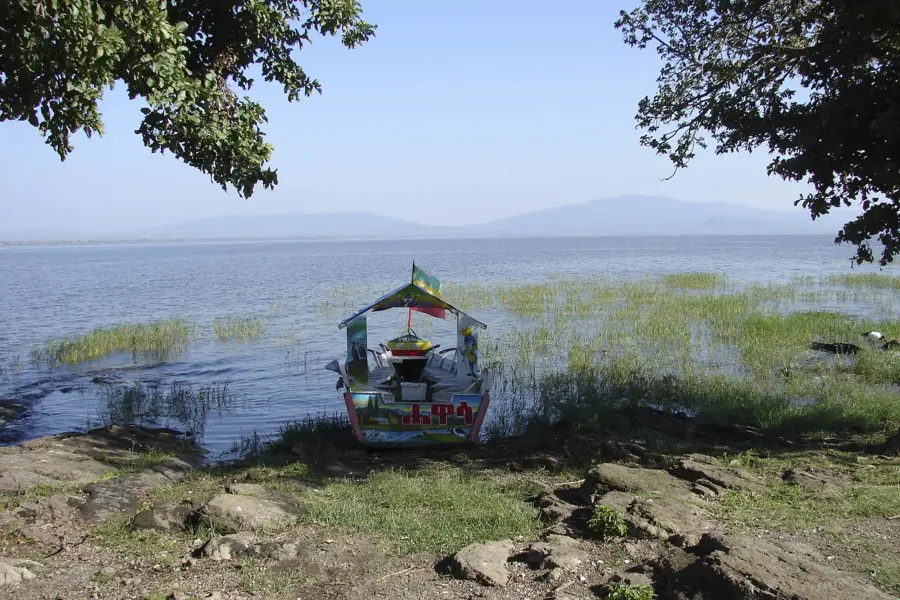
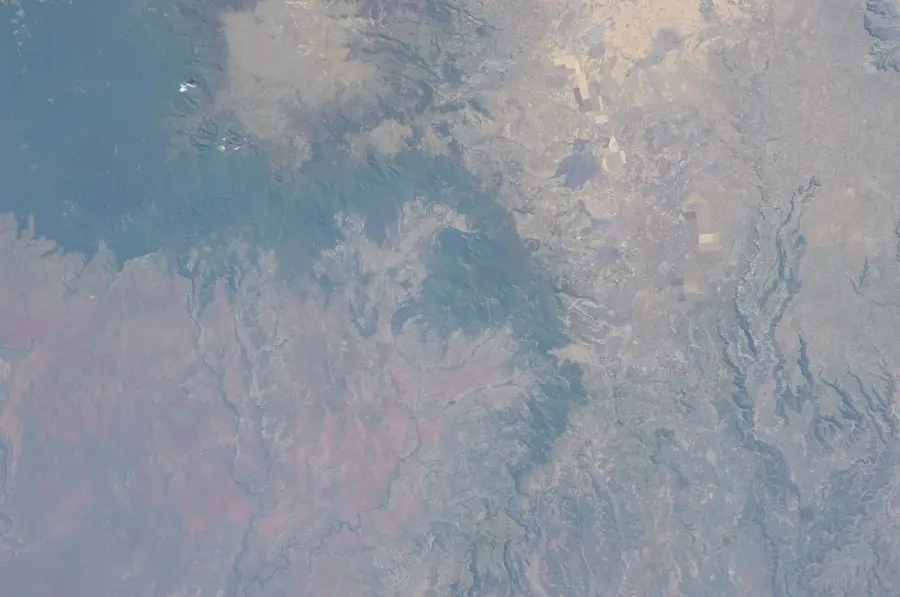
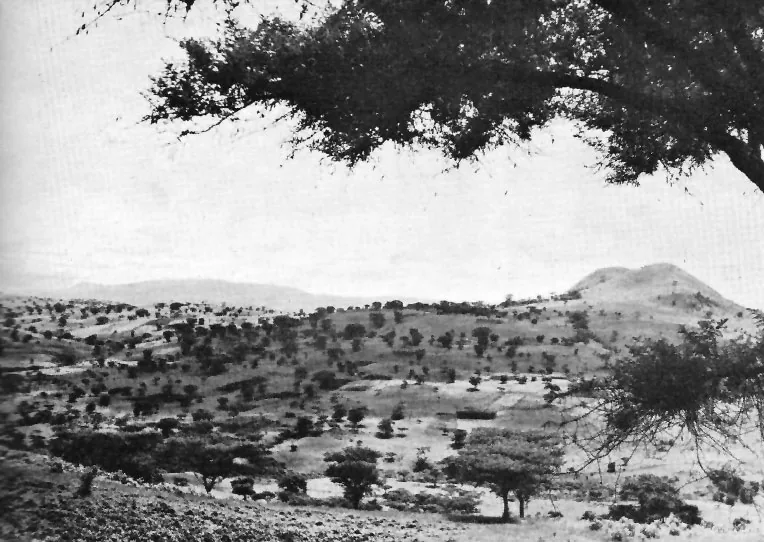
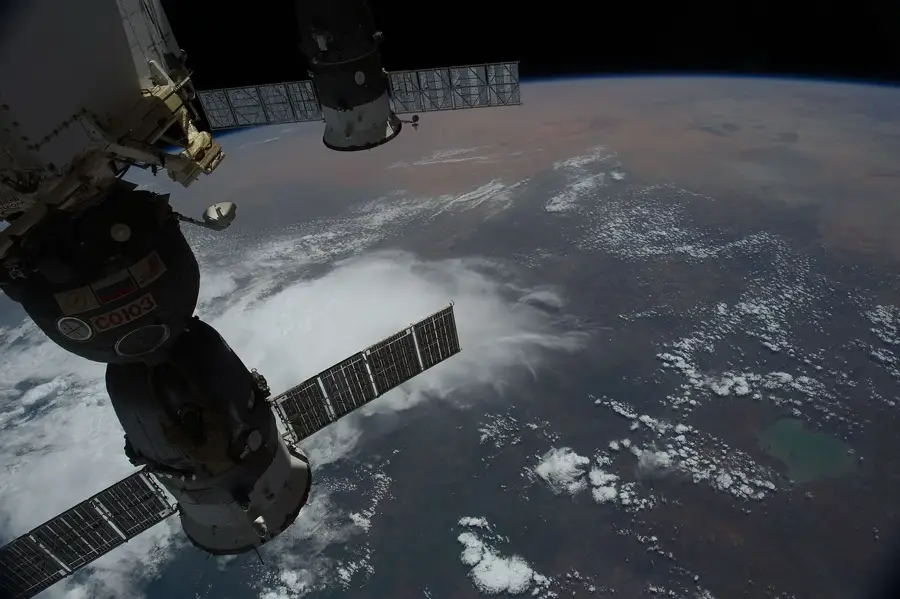
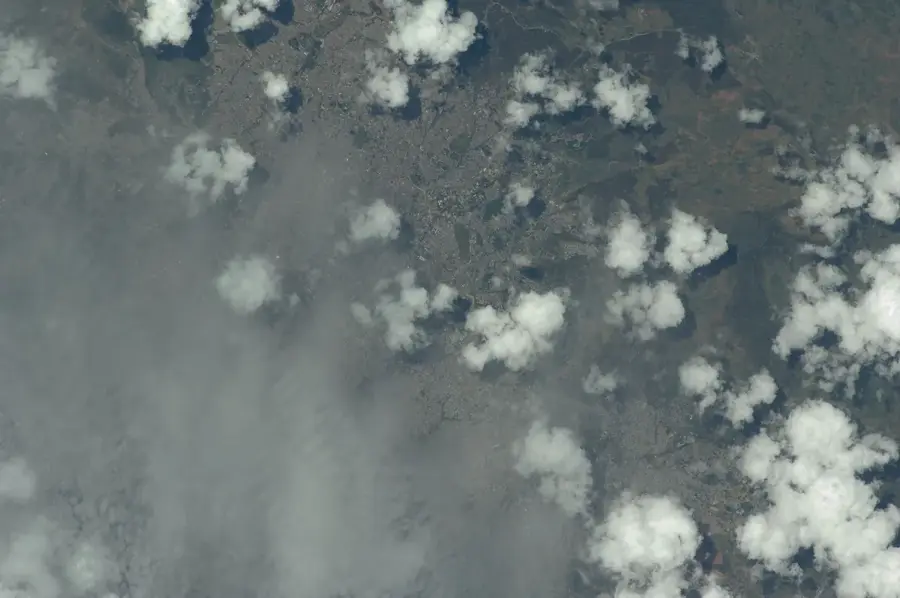
Lake Abijatta is an alkaline lake located in the Ethiopian Rift Valley, approximately 200 kilometers south of Addis Ababa. It is a primary component of the Abijatta-Shalla National Park, which was established in 1970 to protect the unique birdlife of the region. The lake sits at an elevation of 1,573 meters and is relatively shallow, with its maximum depth fluctuating around 14 meters depending on seasonal rains. In recent decades, its surface area has significantly receded due to industrial water extraction for soda ash production and agricultural irrigation. Despite these environmental pressures, it remains a critical feeding ground for vast populations of Lesser Flamingos and Great White Pelicans. The surrounding landscape consists of acacia woodland and savannah, providing habitat for mammals such as greater kudu and Grant's gazelle. Historically, the lake was part of a much larger freshwater body that covered the central Rift floor.

Best time to visit & climate

The most pleasant time to visit is Jan–Mar.

JanFebMarAprMayJunJulAugSepOctNovDec
Avg °C192021202018171718181718
Rain mm152971139147116180202154834620

📋 Practical info

🧭
Getting there
Located securely in the Great Rift Valley, this fascinating soda lake is generally accessible by driving south from Addis Ababa along the main highway system. From the park entrance gates, visitors usually navigate rough dirt tracks that lead directly toward the expansive, shallow shorelines.
📅
Best season
The long dry season, typically stretching from October to March, gives the most reliable road conditions and excellent opportunities for bird watching. Heavy seasonal rains in the wet season can quickly turn the alkaline mud around the lake into an impassable trap for regular touring vehicles.
⛰️
Terrain & paths
The vast lake is exceptionally shallow and bordered by massive expanses of alkaline crust and soft, sticky mud flats. Walking near the water can be treacherous due to the sinking ground, and the surrounding plains are mostly dusty scrub savannas with sparse, hardy acacia vegetation scattered about.
🎒
What to bring
High-quality binoculars and telephoto lenses are indispensable for observing the huge flocks of flamingos from a solid, safe distance. Visitors should also wear easily washable closed shoes for the alkaline mud, along with wide-brimmed hats and strong sunblock to counter the intense glare and reflection.
🅿️
Parking
Formal parking is normally strictly restricted to the designated park headquarters or established visitor centers near the main entrance gate. From these central points, local guides often direct drivers to safe, stable pull-offs that completely avoid the deceptive and deeply hazardous muddy shores.
⚠️
Safety
The highly alkaline water can be extremely irritating to human skin and eyes, so direct physical contact should be strictly avoided. Furthermore, the intense Rift Valley sun combined with the severe lack of natural shade means heatstroke and dangerous dehydration are ever-present risks for the unprepared.
⏱️
Time needed
Most dedicated birding enthusiasts spend around two to four hours marveling at the vast flocks clustered around the shallow waters. However, smoothly integrating this unique destination into a broader Great Rift Valley tour typically expands the regional itinerary to a full weekend of nature exploration.

Geography

Coordinates
7.61670, 38.65000

Facts

  • The lake is situated at an elevation of 1,573 meters above sea level.
  • It has been part of the Abijatta-Shalla National Park since 1970.
  • The maximum water depth is approximately 14 meters during wet seasons.
  • Its surface area has significantly decreased due to soda ash extraction.
  • The lake serves as a major sanctuary for Great White Pelicans.
  • More than 300 species of birds have been recorded in the park area.

Explore nearby

Notable places around

Route planner — Car & Motorhome

Where do you start? We build the route here, with stops and country notes along the way.

Vehicle
Only stops with (optional):

© OpenStreetMap contributors · OpenRouteService

Sights nearby

Frequently asked questions

What birds live at Lake Abijatta?
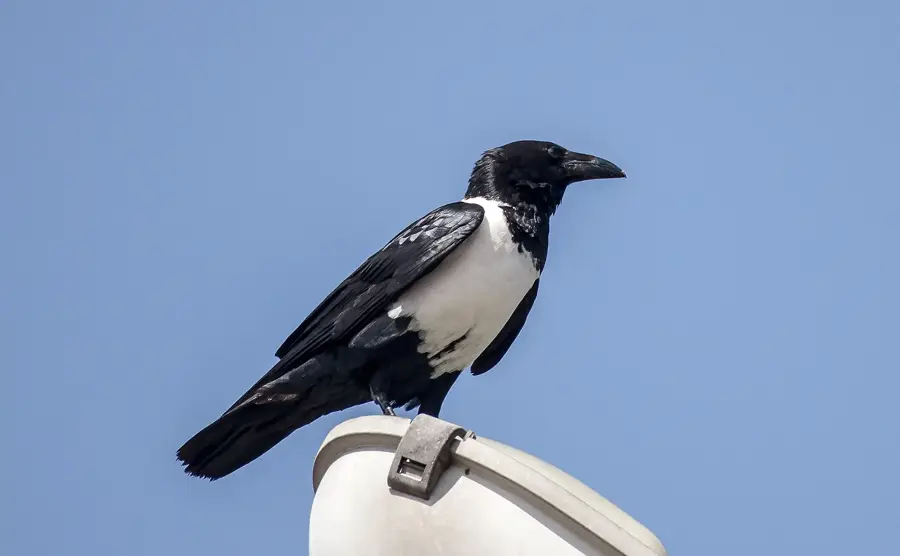
The lake is famous for its large flamingo colonies and pelicans.
Is Lake Abijatta a freshwater lake?
No, it is an alkaline soda lake without an outlet.
Is the lake easily accessible?
Yes, it is in the Abijatta-Shala National Park right by the main road.
Why is the water level of the lake decreasing?
Main reasons are water extraction for industry and irrigation.
Are there viewpoints?
Yes, surrounding hills offer a great view of both lakes.
Lake Abijatta: where is it located?
Lake Abijatta is located in Ethiopia.
Lake Abijatta: when is the best time to visit?
The most pleasant time to visit is Jan, Mar.
Lake Abijatta: why is it worth visiting?

Lake Abijatta is an alkaline lake located in the Ethiopian Rift Valley, approximately 200 kilometers south of Addis Ababa.
View on map → The Top 50 Attractions → OpenStreetMap →
Africa
Explore with Plizio Discover more places in Africa
More places in Ethiopia →

Nearby cities

History & landmarks
Nature

More places