Plizio Visual Lab

Veski-Mägi

Plizio editorial teamData Sources
Mountain
—°
Veski-Mägi (Estonia)

Weather…

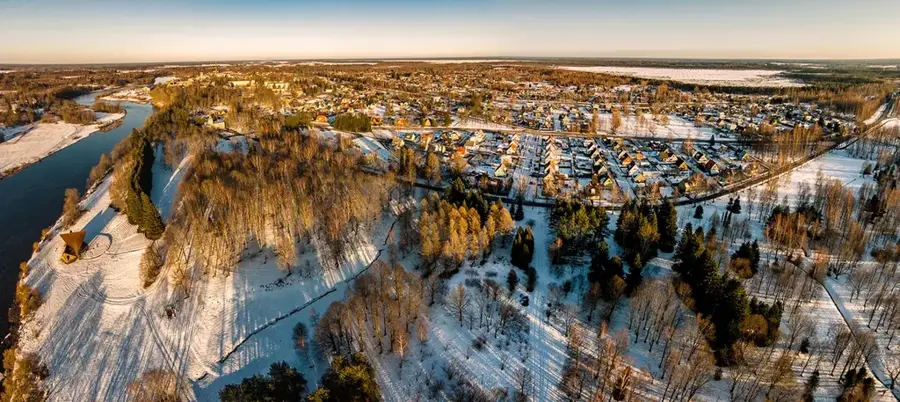
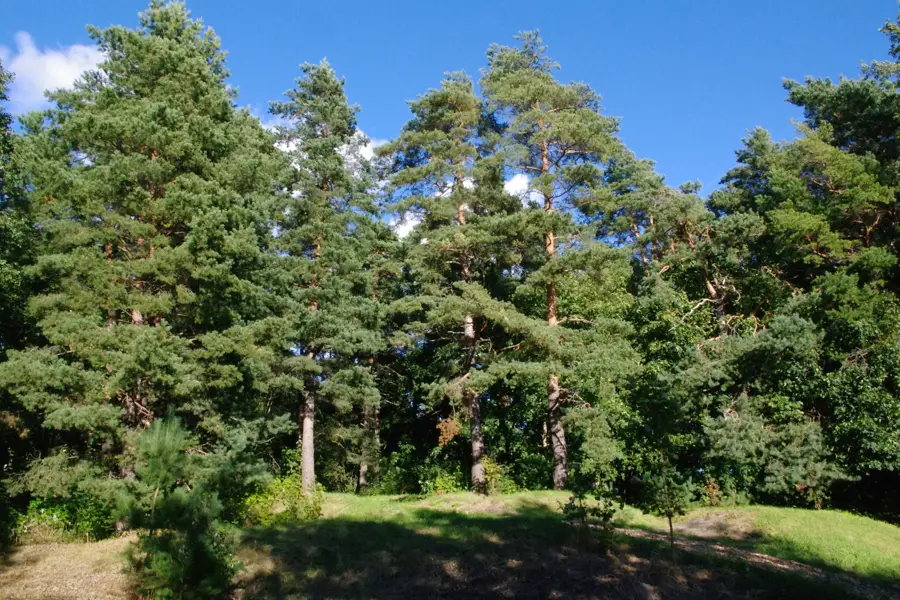
Veski-Mägi, whose name translates to 'Mill Hill,' is a culturally and historically significant rise in Võru County, closely linked to the region's agricultural past. Standing 103 meters above sea level, the hill is a moderate elevation that, due to its exposed position, was used in the 19th century as a convenient site for windmills. Today, the ruins of a prominent windmill built in 1850 still stand on the summit, serving as a popular photo subject for tourists and hikers despite its dilapidated state. Geologically, Veski-Mägi consists of glacial till, making the surrounding soil fertile and leading to about 70 percent of the hill's area being used for agriculture. From the summit, one can enjoy a wide panoramic view of the typical southern Estonian cultural landscape with its characteristic fields and forest islands. The sandy loam soil retains moisture well, favoring the cultivation of grains even at this height. Accessibility is excellent due to its proximity to a public road (approx. 300 meters), making the hill an easily reachable excursion destination. During the summer months, Veski-Mägi often serves as a venue for local harvest festivals and community gatherings.

Best time to visit & climate

The most pleasant time to visit is Jun–Aug.

JanFebMarAprMayJunJulAugSepOctNovDec
Avg °C-5-6-24111519171361-3
Rain mm544542444776698257697061

📋 Practical info

🧭
Getting there
Accessing this western hill generally involves traveling along established regional roads and navigating toward the historically significant elevated area. The final segment of the journey usually requires walking a short distance along rural pathways leading directly to the exposed site.
📅
Best season
The good timeframe for visiting this historically significant hill is generally during the milder and drier months from late spring to early autumn. Since the location is quite exposed, visiting during calmer weather allows for a more pleasant experience while exploring the windy elevation.
⛰️
Terrain & paths
The terrain primarily consists of a prominent, exposed hill featuring open grassy slopes and natural, unpaved paths leading to the summit area. The historical site of the windmill tradition sits on this elevation, meaning the ground can occasionally be uneven or somewhat rugged near the top.
🎒
What to bring
Due to the notoriously exposed position of the hill, bringing a sturdy windbreaker or appropriate layering is highly recommended even in the warmer months. Sturdy walking shoes are also practical for navigating the occasionally uneven grassy paths leading to this historic elevated location.
🅿️
Parking
Parking options are typically limited to informal spots along nearby local roads or designated pull-outs just outside the immediate historical area. Visitors should take care to park their vehicles considerately, ensuring they do not block regional traffic or rural farm access points.
⚠️
Safety
The main safety consideration when visiting this prominent hill relates directly to its exposed position, making it highly susceptible to strong wind gusts. Hikers should remain cautious near any steeper edges along the slope and maintain secure footing on the natural pathways during damp conditions.
⏱️
Time needed
Exploring this historically rich, exposed hill usually requires an overall time commitment of roughly forty-five minutes to an hour and a half. This generally allows for a steady walk up to the elevation, time spent enjoying the traditional site and views, and an unhurried return trip.

Geography

Coordinates
58.30000, 24.80000

Facts

  • Elevation: 103 m
  • Mill construction: year 1850
  • Mill condition: ruin
  • Agricultural land: 70% of area
  • Soil type: sandy loam
  • Distance to road: 0.3 km

Explore nearby

Notable places around
Route planner — Car & Motorhome

Where do you start? We build the route here, with stops and country notes along the way.

Vehicle
Only stops with (optional):

© OpenStreetMap contributors · OpenRouteService

Sights nearby

Frequently asked questions

Was there a mill on Veski-Mägi in the past?
The name 'Mill Hill' suggests that a windmill once utilized the exposed location there.
Can the remains of the mill still be seen?
Mostly only foundations or no traces at all remain.
Is the hill windy?
Yes, due to the open location, a strong breeze often blows here.
Are there hiking trails nearby?
There are small paths that are often part of local hiking networks.
Is the hill accessible in summer?
Yes, it is freely accessible all year round, though summer is the most pleasant time.
Veski-Mägi: where is it located?
Veski-Mägi is located in Estonia.
Veski-Mägi: when is the best time to visit?
The most pleasant time to visit is Jun, Aug.
Veski-Mägi: why is it worth visiting?
Veski-Mägi, whose name translates to 'Mill Hill,' is a culturally and historically significant rise in Võru County, closely linked to the region's agricultural past.
View on map → The Top 50 Attractions → Most beautiful beaches → OpenStreetMap →
Europe
Explore with Plizio Discover more places in Europe
More places in Estonia →

Nearby cities

History & landmarks
Nature
More places