Plizio Visual Lab

Valge-Mägi

Plizio editorial teamData Sources
Mountain
—°3
Valge-Mägi (Estonia)

Weather…

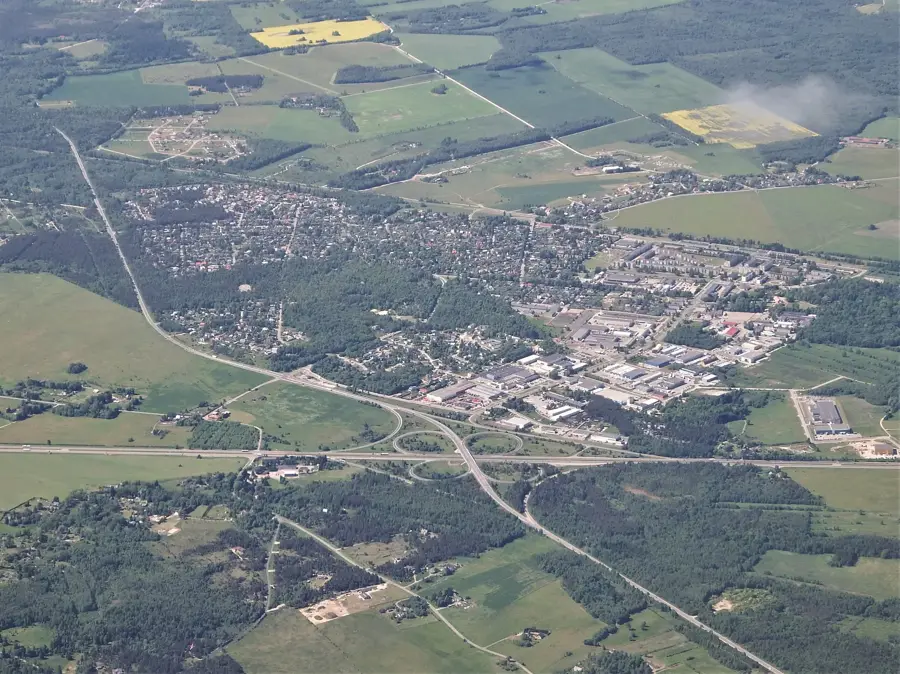
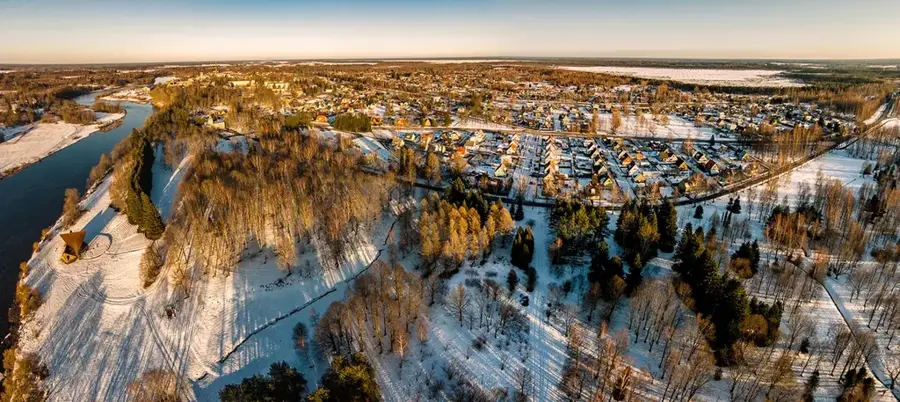
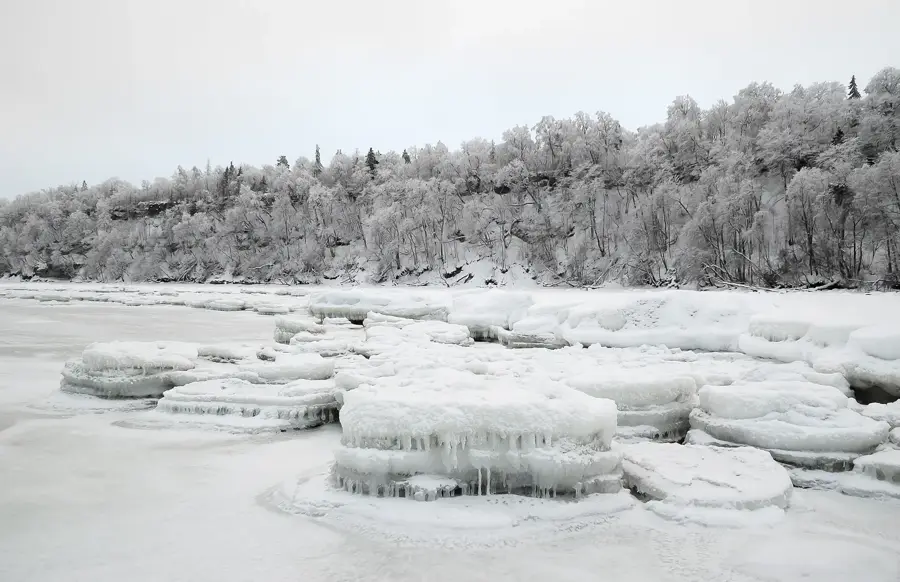
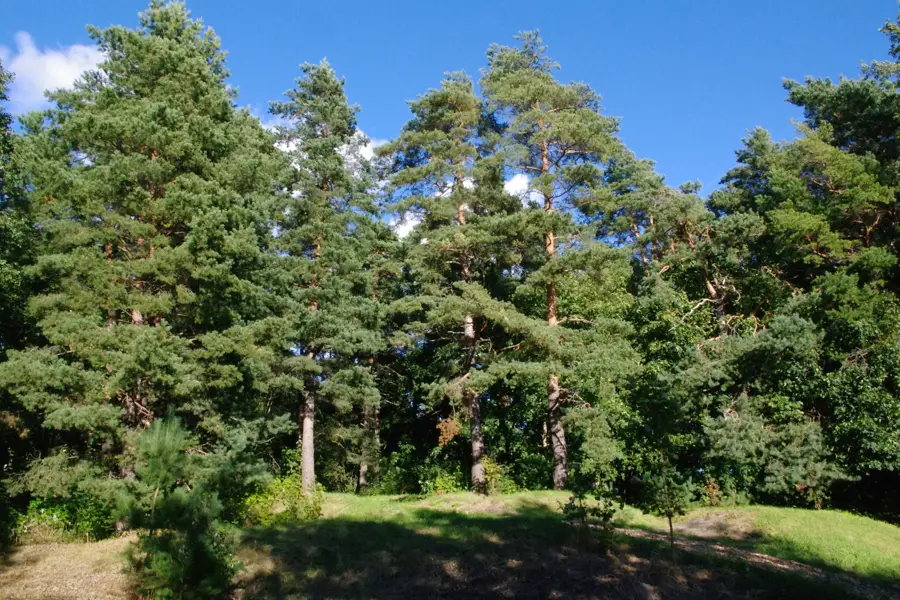
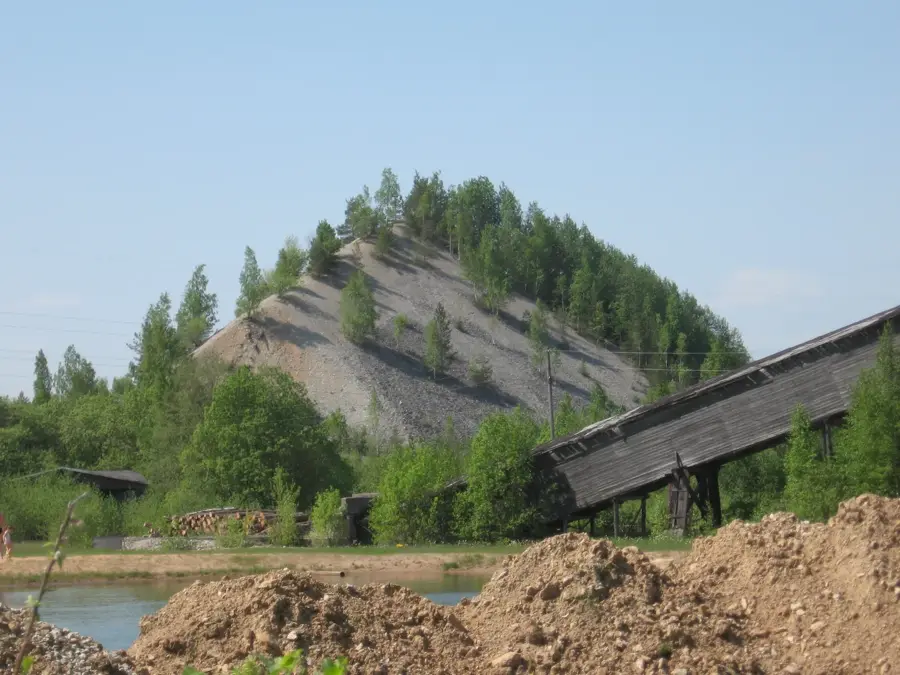
Valge-Magi, translated as White Hill, owes its name either to the light, sandy soil deposits or the snow cover that persists particularly long on its summit during winter. Geologically, it is a prominent kame formation that originated in a proglacial lake environment at the end of the last glaciation. The elevation is characterized by a high content of fine, whitish quartz sand, which is visible on the surface in some places. The vegetation on Valge-Magi is often sparse, consisting of lichens, mosses, and open pine forests adapted to nutrient-poor conditions. In Estonian mythology, the name white is often associated with purity or sacred sites, giving the hill a special cultural aura. For hikers, Valge-Magi has challenging climbs and wide views over the pristine forest areas of eastern Estonia. Scientific research uses the hill to study sedimentation in periglacial water bodies.

Best time to visit & climate

The most pleasant time to visit is Jun–Aug.

JanFebMarAprMayJunJulAugSepOctNovDec
Avg °C-7-7-34111518171250-4
Rain mm524643466098788762707060

📋 Practical info

🧭
Getting there
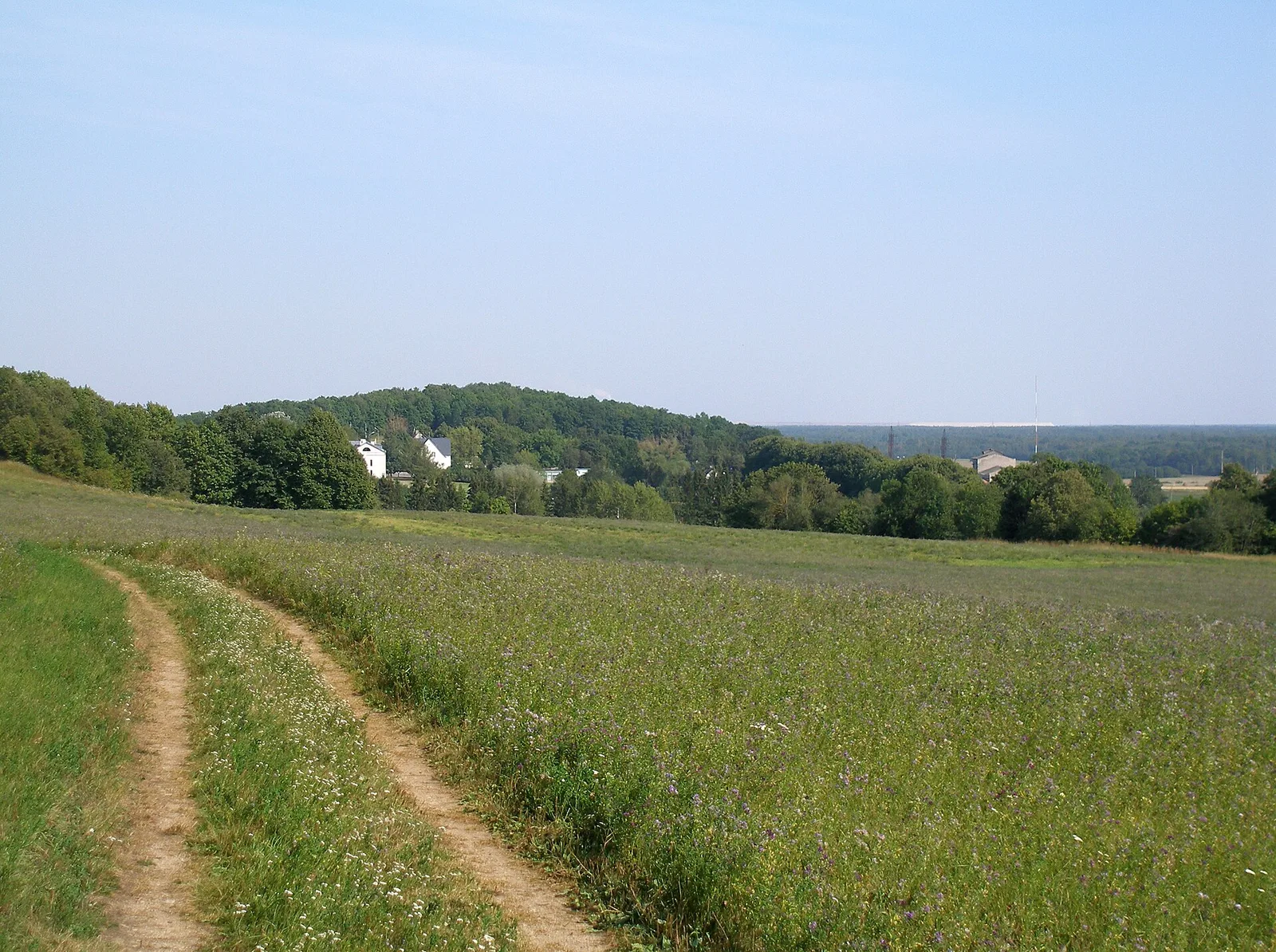
To reach this light, sandy rise in northeastern Estonia, visitors typically drive to the nearest local settlement and walk the remaining distance along rural dirt tracks. The approach usually involves navigating through open terrain leading towards the prominent light-colored substrate.
📅
Best season
The best time to visit this sandy elevation is usually during the late spring, summer, and early autumn months when the weather in Estonia is relatively mild and dry. Visiting during the warmer season allows the bright color of the sandy substrate to be clearly visible without snow cover.
⛰️
Terrain & paths
The terrain here is primarily characterized by the soft, light-colored sandy substrate that gives the hill its name, making the paths slightly loose underfoot. The ascent is typically gentle rather than steep, suitable for casual walkers exploring the flat northeastern Estonian landscape.
🎒
What to bring
Visitors should bring sturdy, closed-toe walking shoes to comfortably navigate the loose sandy paths along the hill's surface. It is also advisable to carry sufficient drinking water, a windbreaker for changing weather conditions, and sun protection during the bright summer months.
🅿️
Parking
Parking is typically available on the shoulders of nearby country roads or in small, unmarked clearings close to the starting point of the rural paths. Always ensure that the parked vehicle does not block local agricultural traffic or access routes to the neighboring rural settlements.
⚠️
Safety
While generally a safe natural area, the loose sand can sometimes be slippery, so visitors should mind their footing during the gentle ascent. It is highly recommended to stay aware of local weather changes, as the open, elevated position can occasionally expose hikers to stronger winds.
⏱️
Time needed
A typical visit to explore this modest sandy rise and enjoy the surrounding natural views usually takes about one to two hours. This timeframe generally allows for a relaxed walk from the parking spot, a brief pause at the top, and an easy descent back to the starting point.

Geography

Coordinates
59.15000, 26.80000

Facts

  • Formed as a kame formation in a proglacial lake.
  • The name Valge-Magi means White Hill in Estonian.
  • Soil consists of light-colored, fine-grained quartz sand.
  • Known for snow cover that persists long in winter.
  • Typical vegetation includes lichens and pine trees.
  • Historically often regarded as a sacred or pure place.

Explore nearby

Notable places around
Route planner — Car & Motorhome

Where do you start? We build the route here, with stops and country notes along the way.

Vehicle
Only stops with (optional):

© OpenStreetMap contributors · OpenRouteService

Sights in the town Valge-Mägi (3)

Suigu, Lääne-Viru County📍 landmark

Suigu in Lääne-Viru County is located on Valge-Mägi hill, a village in the region.

Suigu Nature Reserve📍 landmark

Suigu Nature Reserve on Valge-Mägi hill protects the local natural environment.

Tudusoo Nature Reserve📍 landmark

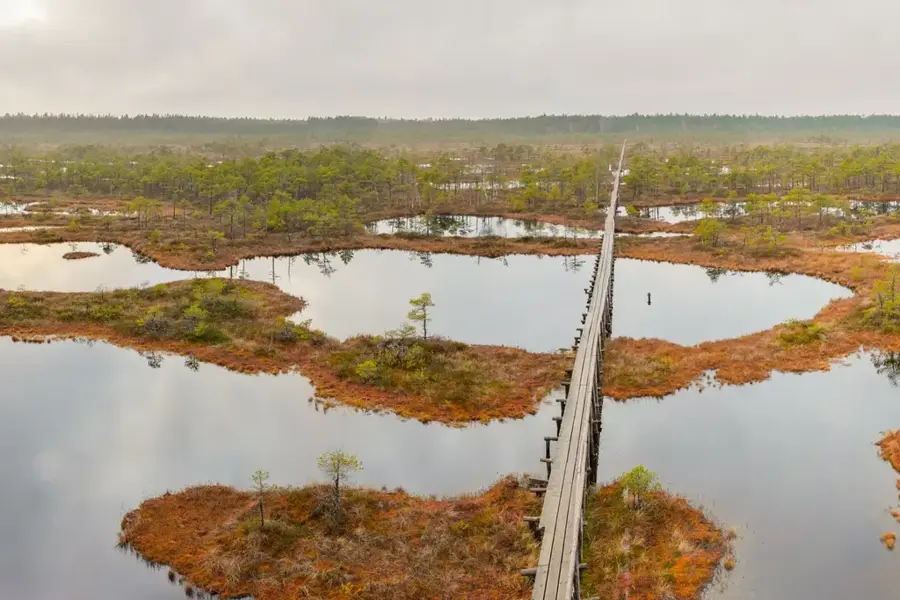
Tudusoo Nature Reserve on Valge-Mägi hill is a protected bog area.

Sights nearby

Frequently asked questions

What does the name Valge-Mägi mean?
In Estonian, it means 'White Hill', often referring to light sandy soils or winter snow cover.
Does the summit offer a good view?
Yes, in clear weather there is a beautiful view of the typical Estonian forest and lake landscape.
Are there designated hiking trails?
There are mostly natural paths, but they are not always officially marked.
Is camping allowed there?
Wild camping is often allowed in Estonia if you respect nature, but official spots are usually missing directly at the hill.
What is the best way to reach Valge-Mägi?
Best by car to the nearest village and then on foot through forest paths.
Valge-Mägi: where is it located?
Valge-Mägi is located in Estonia.
Valge-Mägi: what is there to see?
Highlights include Suigu, Lääne-Viru County, Suigu Nature Reserve, Tudusoo Nature Reserve.
Valge-Mägi: when is the best time to visit?
The most pleasant time to visit is Jun, Aug.
Valge-Mägi: why is it worth visiting?
Valge-Magi, translated as White Hill, owes its name either to the light, sandy soil deposits or the snow cover that persists particularly long on its summit during winter.
View on map → The Top 50 Attractions → Most beautiful beaches → OpenStreetMap →
Europe
Explore with Plizio Discover more places in Europe
More places in Estonia →

Nearby cities

History & landmarks
Nature
More places