Plizio Visual Lab
Knuds Høje
Weather…
Water temperature…
Knuds Høje is an impressive group of burial mound fields in Jutland, rising distinctly from the surrounding landscape shaped by glacial moraines. These relief formations are of outstanding significance both geologically and archaeologically. The mounds themselves were artificially constructed during the Bronze Age on natural elevations to bury high-ranking individuals. Geologically, the area lies in a region that was intensely sculpted during the Weichselian ice age, resulting in undulating terrain with deep valleys and broad plateaus. The vegetation on the mounds consists mostly of sparse grassland and heather, which emphasizes their monumental shape. Historically, they are part of a larger network of prehistoric monuments that document Jutland's importance as a cultural center. From the top of the mounds, visitors often enjoy sweeping views over the surrounding fertile farmlands and wooded areas.
- Location: Denmark
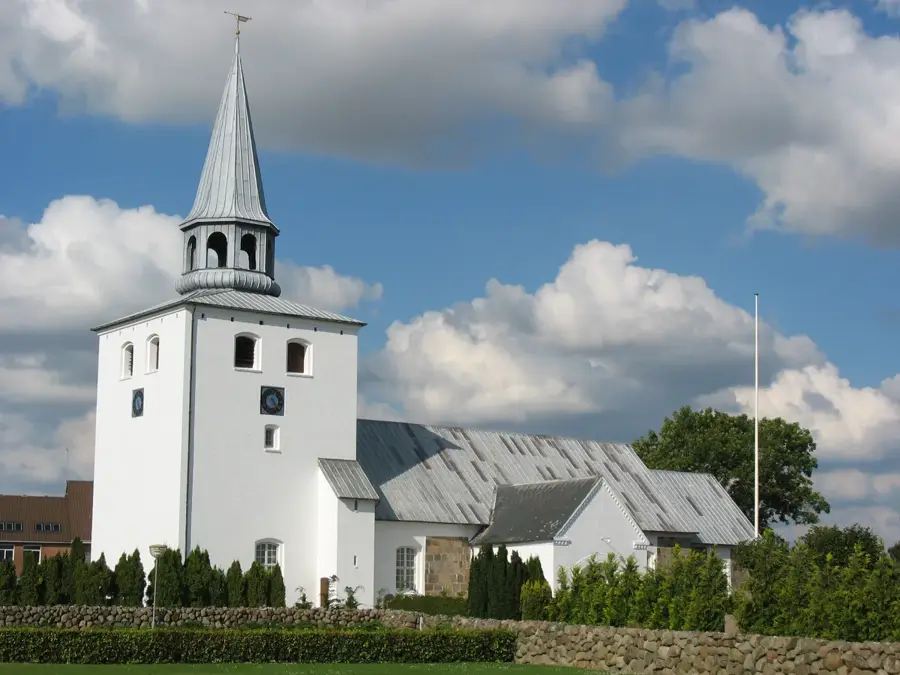
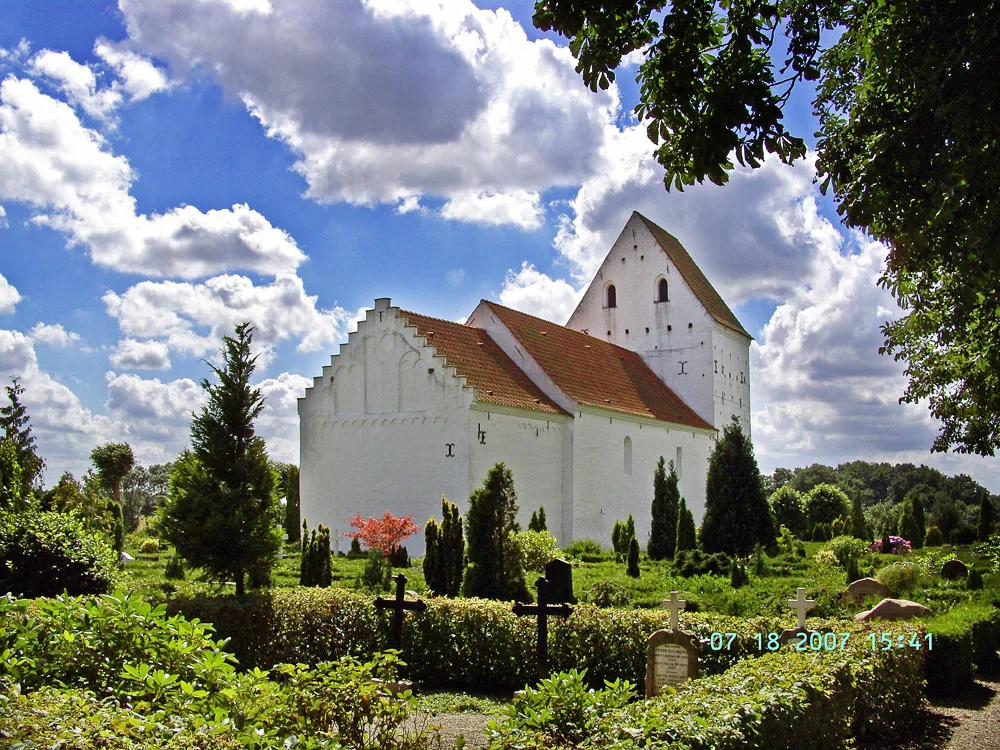
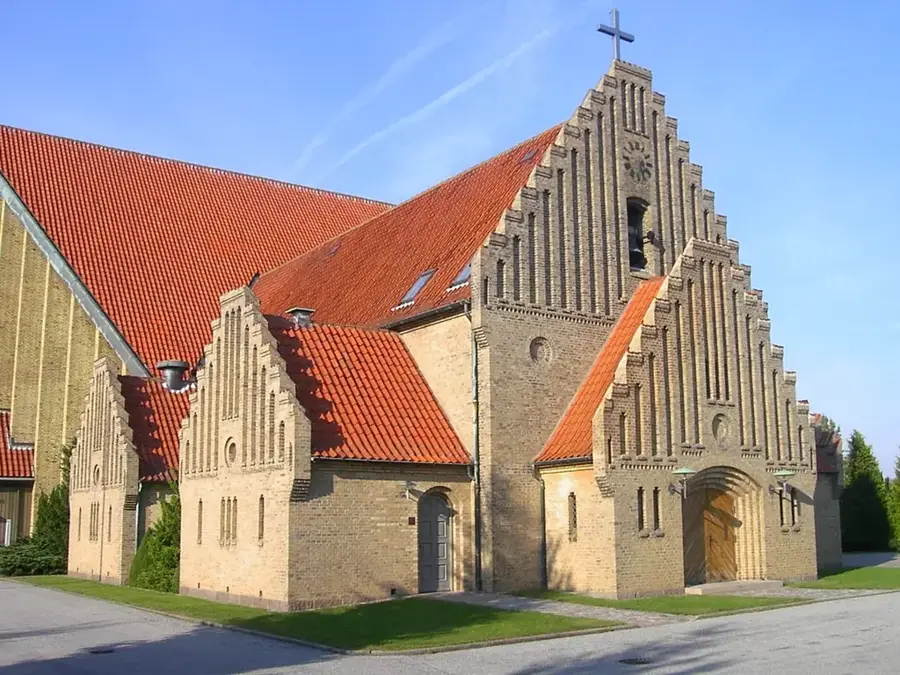
- Top sights: Estruplund · Holbæk Kirke · Estruplund Kirke
- Nearby: Udbyhøj Vasehuse (8 km)
Best time to visit & climate
The most pleasant time to visit is Jun–Aug.
| Jan | Feb | Mar | Apr | May | Jun | Jul | Aug | Sep | Oct | Nov | Dec | |
|---|---|---|---|---|---|---|---|---|---|---|---|---|
| Avg °C | 1 | 1 | 3 | 7 | 11 | 15 | 17 | 17 | 14 | 10 | 6 | 3 |
| Rain mm | 66 | 51 | 46 | 43 | 54 | 77 | 82 | 86 | 68 | 86 | 74 | 69 |
📋 Practical info
Geography
Facts
- The mounds date predominantly from the Early Bronze Age (c. 1500–1100 BC).
- Often located near major ancient transport routes such as the Ox Road.
- Constructed from thousands of grass sods layered on top of each other.
- The largest mound can reach a height of over 5 meters.
- Served as highly visible symbols of power and territorial ownership.
- The area is now mostly protected as an archaeological monument.
Explore nearby
Notable places around


Route planner — Car & Motorhome
Where do you start? We build the route here, with stops and country notes along the way.
© OpenStreetMap contributors · OpenRouteService
Sights in the town Knuds Høje (3)
Sights nearby
Frequently asked questions
What are the Knuds Høje?
Do they offer a good view?
How many mounds are there?
Is access free?
What should you bring?
Knuds Høje: where is it located?
Knuds Høje: what is there to see?
Knuds Høje: when is the best time to visit?
Knuds Høje: why is it worth visiting?

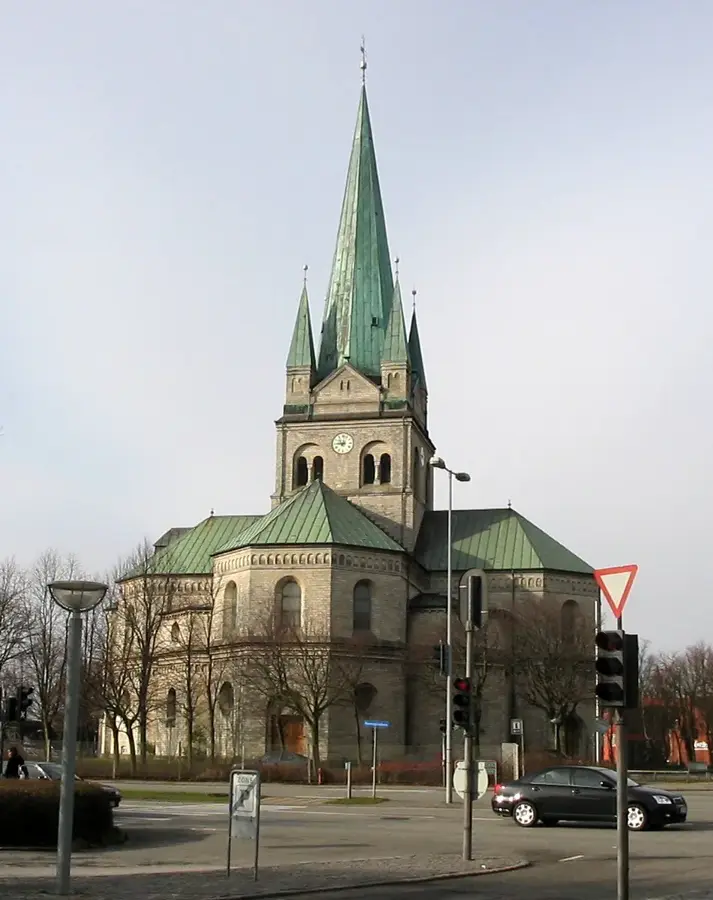
Nearby cities