6th of July Days and Fortress Days
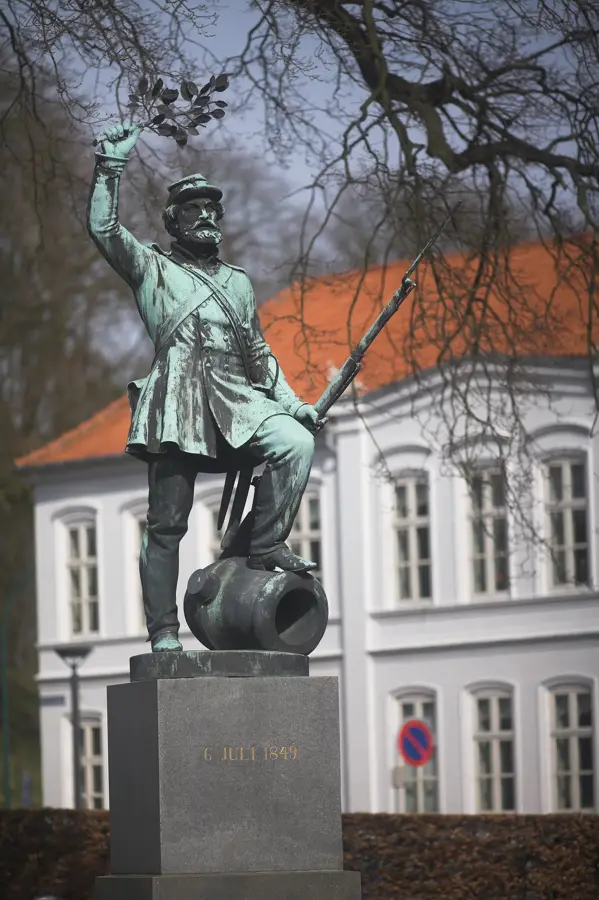
A major city festival on 5 and 6 July commemorating the 1849 Battle of Fredericia. With a fortress procession, soldiers in historical uniforms, cannon salutes, concerts and fireworks.
PlizioGo
Try a local fish restaurant near the old harbor area for fresh catches from the Little Belt.
Grab traditional open-faced sandwiches for lunch from one of the classic delis in the grid center.
Stop by a local bakery on Gothersgade for fresh morning wienerbrød.
Visit this central square on market days to buy local produce, cheese, and fresh flowers.
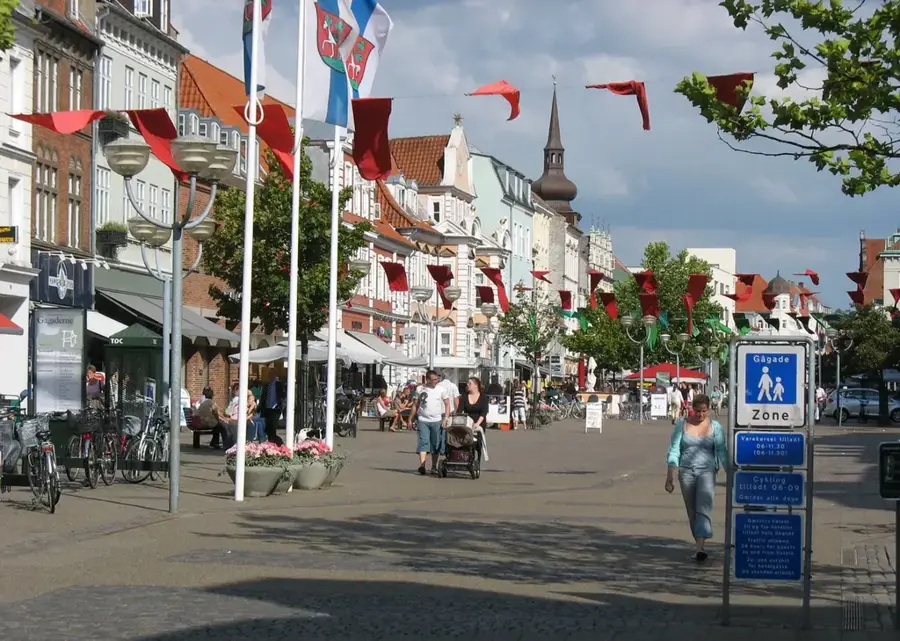
Explore the main pedestrian street for a mix of Danish fashion boutiques and cozy cafes.
A large, green family park on the outskirts; parts of it are very peaceful for a relaxing stroll.
The grass-covered fortifications provide a quiet elevated walk with green surroundings right in the city.
Water temperature…
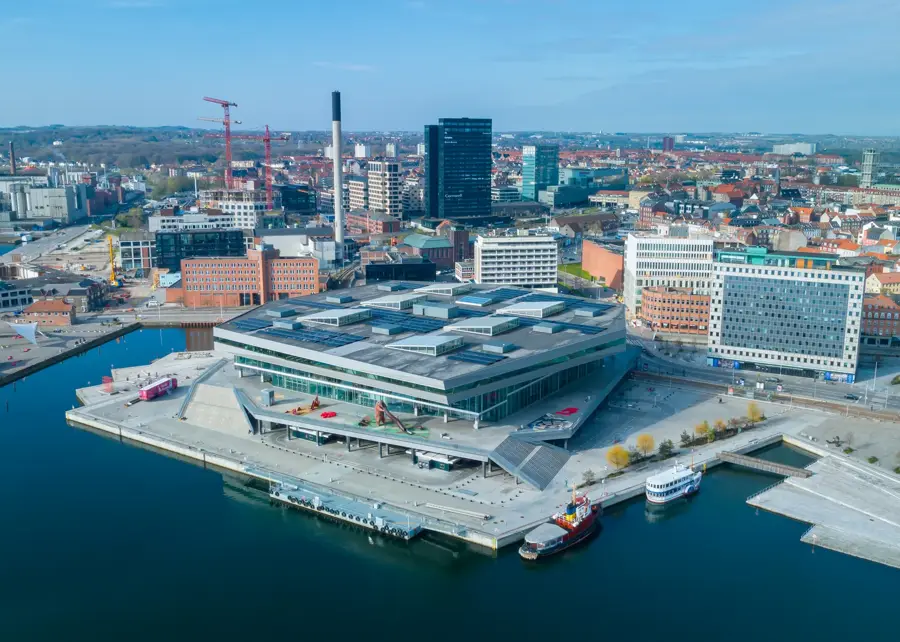
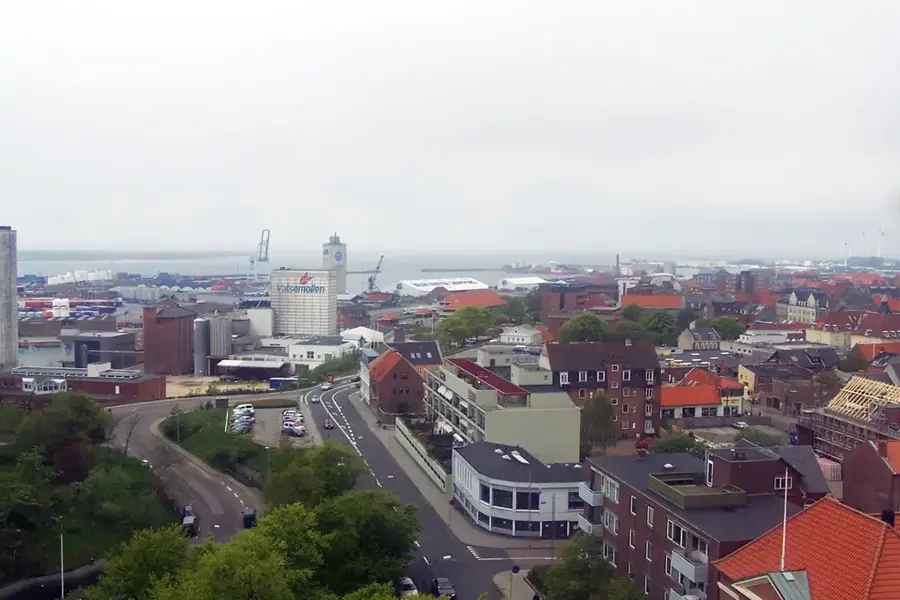
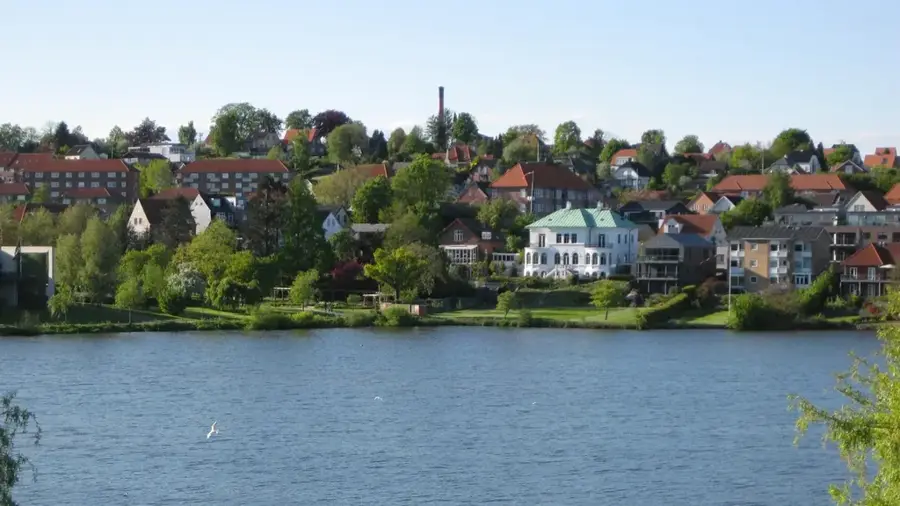
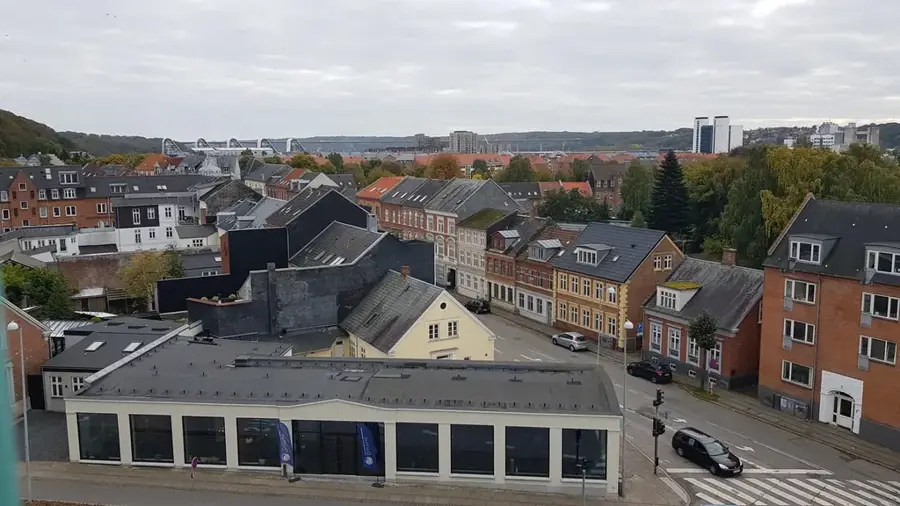
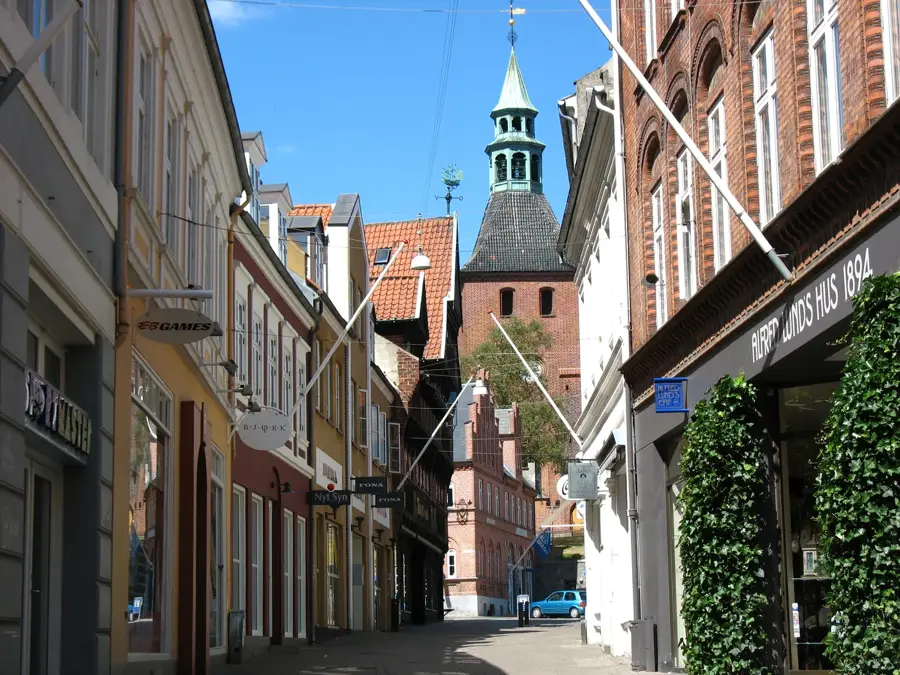
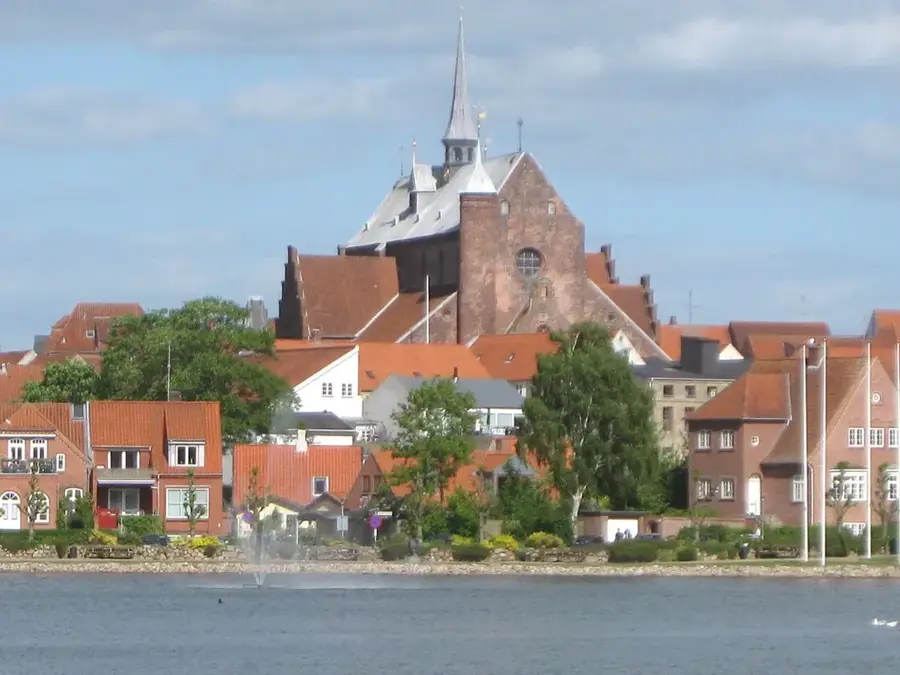
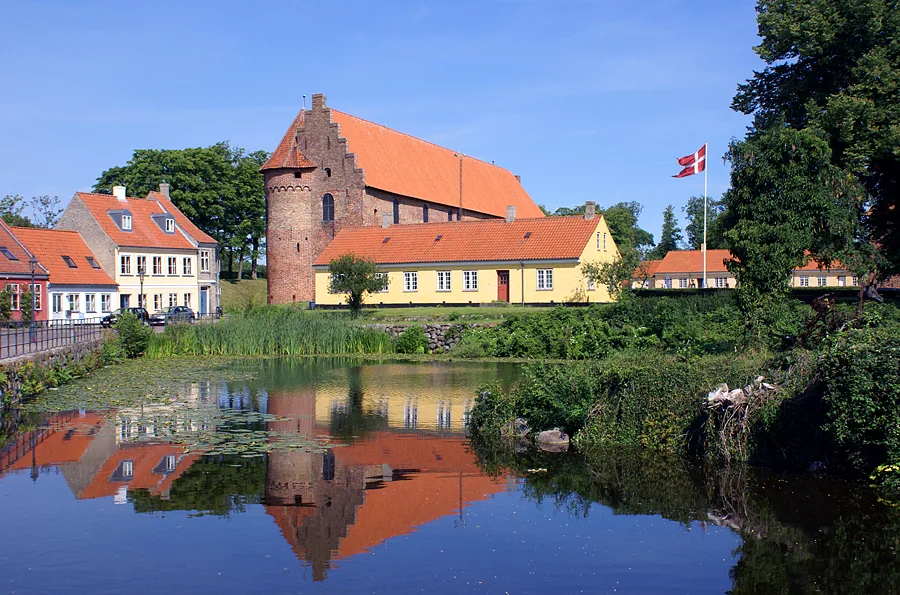
Fredericia is located on the east coast of Jutland by the Little Belt and is a unique fortress town founded in 1650 by King Frederick III. The city was designed with a strictly geometric grid pattern of streets to optimize military defense. The massive ramparts surrounding the city center are among the largest and best-preserved of their kind in Northern Europe. A major historical milestone was the Battle of Fredericia on July 6, 1849, during the First Schleswig War, an event honored by numerous monuments throughout the town. Due to its strategic importance, the Crown historically granted religious freedom to settlers, attracting groups such as Huguenots and Jews. Today, Fredericia serves as a central transportation hub for Denmark, where major railway lines and motorways converge. Its port is one of the nation's largest for crude oil and freight. The bridges across the Little Belt make the city the primary gateway between Jutland and the island of Funen.
The most pleasant time to visit is Jun–Aug.
| Jan | Feb | Mar | Apr | May | Jun | Jul | Aug | Sep | Oct | Nov | Dec | |
|---|---|---|---|---|---|---|---|---|---|---|---|---|
| Avg °C | 1 | 1 | 3 | 7 | 11 | 15 | 17 | 17 | 14 | 10 | 6 | 3 |
| Rain mm | 64 | 51 | 47 | 39 | 52 | 71 | 77 | 83 | 64 | 74 | 67 | 66 |
Notable places around
Where do you start? We build the route here, with stops and country notes along the way.
© OpenStreetMap contributors · OpenRouteService
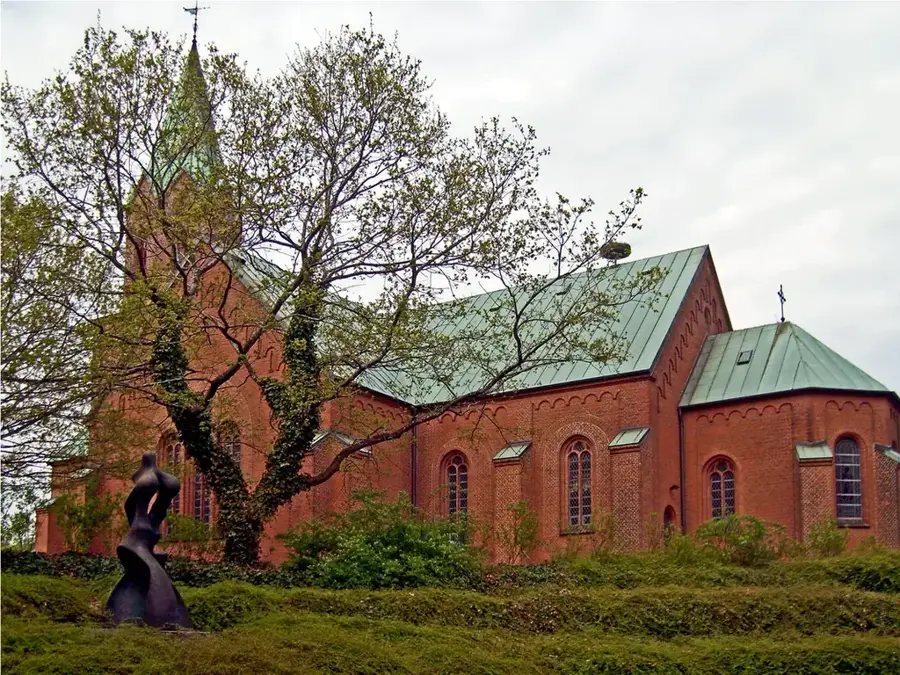
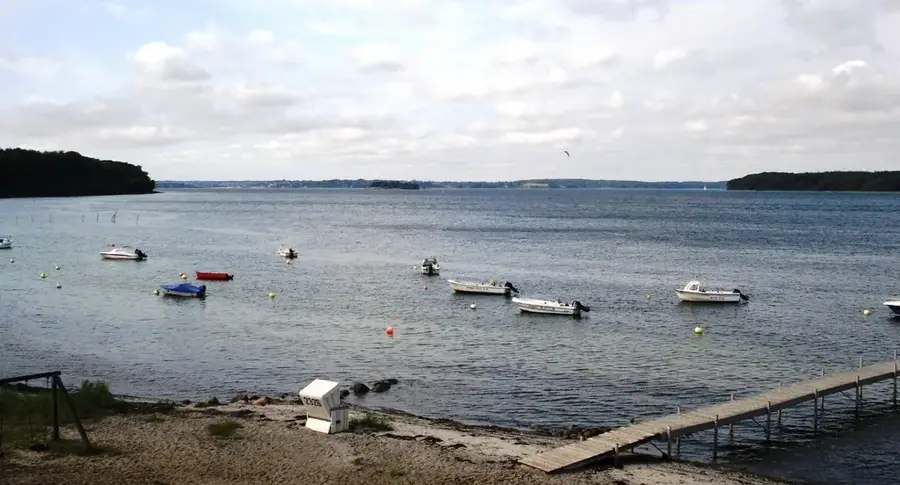
Start your day in the heart of Fredericia's history with a walk along the impressive ramparts, among the best-preserved in Europe. Visit the iconic Valiant Soldier statue and the elegant Trinitatis Church, both testaments to the fortress town's rich past. The compact city center is easy to explore on foot, revealing historical treasures at every corner. At noon, explore the fascinating Historical Mini-Town, which depicts Fredericia as it was in 1849. It's like a journey back in time, bringing the city's strategic importance to life. After this historical insight, it's time for a lunch break at one of the cozy cafes in the city center. Enjoy a traditional Danish smørrebrød to recharge your energy. In the afternoon, make your way up the White Water Tower for a splendid panoramic view over the city, its fortifications, and the sea. It's a great spot for photos and for understanding the city's unique star-shaped layout. The descent will then lead you towards the coast. End your day at Østerstrand, Fredericia's city beach. Here you can relax, enjoy the fresh sea breeze, or take a refreshing swim in the Little Belt. It's the perfect place to reflect on the day's events and end the evening in a peaceful atmosphere as the sun sets over the water.
The day starts at the Valiant Soldier statue in the drizzle. At noon, the ramparts provide a wind-shielded walk under your umbrella. In the afternoon, Trinitatis Church is the perfect dry haven to explore local history. The evening ends with a grey but atmospheric view of the Little Belt at the beach, where the wet sand reflects the fading light.
A frosty morning begins at the Soldier monument, with rime glistening on the metal. At noon, the path leads over the windswept ramparts, offering clear views of wintery Fredericia. In the afternoon, warm up in the silence of the church before early dusk casts blue shadows over the old town. The day ends at the deserted beach in the biting cold of the winter evening.
A bike day in Fredericia is best started in the green. Cycle to the expansive Madsby Legepark, where you can spend an active morning surrounded by nature, animals, and play areas. It's the perfect start to get moving before delving into the city's history. The bike paths are well-developed and lead you safely out of the center. At noon, cycle back towards the center and stop at the Historical Mini-Town. Here you can take a break and admire the fascinating 19th-century model of Fredericia. Afterwards, your path leads you onto the famous ramparts, which are wonderful to explore by bike. Find a nice spot for a packed lunch and enjoy the view. The afternoon is dedicated to exploring the historical core. Cycle along the ramparts to the Citadel, the Valiant Soldier monument, and finally to the White Water Tower. From up there, you have the best overview of your route and the city's star-shaped layout. Each stop is just a short, pleasant bike ride from the next. Your tour ends at Østerstrand. After a day in the saddle, there's nothing better than relaxing on the beach, dipping your feet in the water, and enjoying the sea breeze. The coastal bike path offers one last beautiful ride before you end the day with dinner at one of the nearby restaurants.
The bike tour starts at Madsby Legepark, where paths can get a bit muddy in the rain. At the Historical Mini-Town, we leave the bikes briefly to admire the details through the raindrops. Cycling over the ramparts requires care due to wet leaves but provides a quick link to the center. The day ends with a windy ride to the beach, where the restless Baltic Sea crashes against the shore.
Cycling through wintery Fredericia: the morning starts frosty at Madsby Park. The ride to the Mini-Town takes you through a silent, cold landscape. On the ramparts, an icy wind blows, making the ride to the Soldier monument a real challenge. After a brief stop at the Kastellet, the tour ends at the wintery Østerstrand, where the wind from the Little Belt is freezing.
With a car, you have the flexibility to start your day at the expansive Madsby Legepark, located slightly outside the center. You can spend the morning in nature here before driving to the Historical Mini-Town, which also has good parking. These initial stops provide a gentle start to the day, especially for families. At noon, drive into the center and leave your car in one of the central parking lots. From here, explore the historic core on foot – this is the cluster-walking philosophy. Visit Trinitatis Church and the Valiant Soldier monument, and take a walk on the famous ramparts. A downtown lunch connects the historical explorations. After exploring the center, return to your car for the day's final cluster change. A short drive takes you to Østerstrand, the city beach. Here you can spend a long, relaxing afternoon. The contrast between the morning's military history and the afternoon's relaxed beach atmosphere makes the day particularly varied. End your day with a view of the sea. Østerstrand is the perfect place to watch the sunset or simply enjoy the fresh air before returning to your car. The car's flexibility allows you to shape the day at your own pace, comfortably experiencing both the outlying attractions and Fredericia's historic heart.
Comfortably by car through rainy Fredericia: we start at Madsby Legepark, where you can park close to the entrance. It's just a short drive through the rain to the Historical Mini-Town. In the city center, we park in a dry spot and visit the church. We end the day relaxing in the car at Østerstrand, watching the grey Baltic Sea through the wet windows.
Winter tour by car: we start in Madsby Park while the heater warms up the cabin. We drive to the Mini-Town on cleared roads through wintery Fredericia. In the center, we park close to the church to escape the outside cold. The day ends at Østerstrand, where we watch the sunset from the warmth of the car as the frosty wind sweeps across the beach.