Plizio Visual Lab
Sultanate of Bangassou
Weather…
Water temperature…
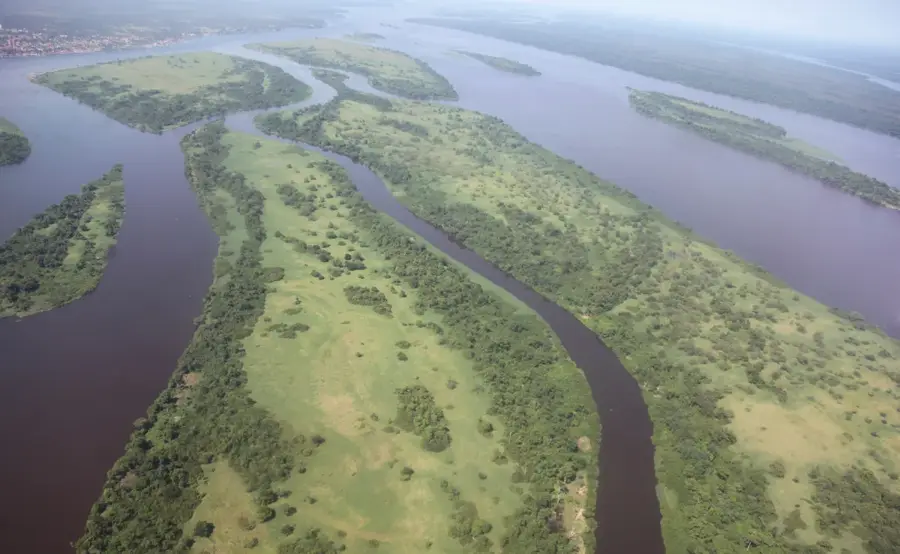
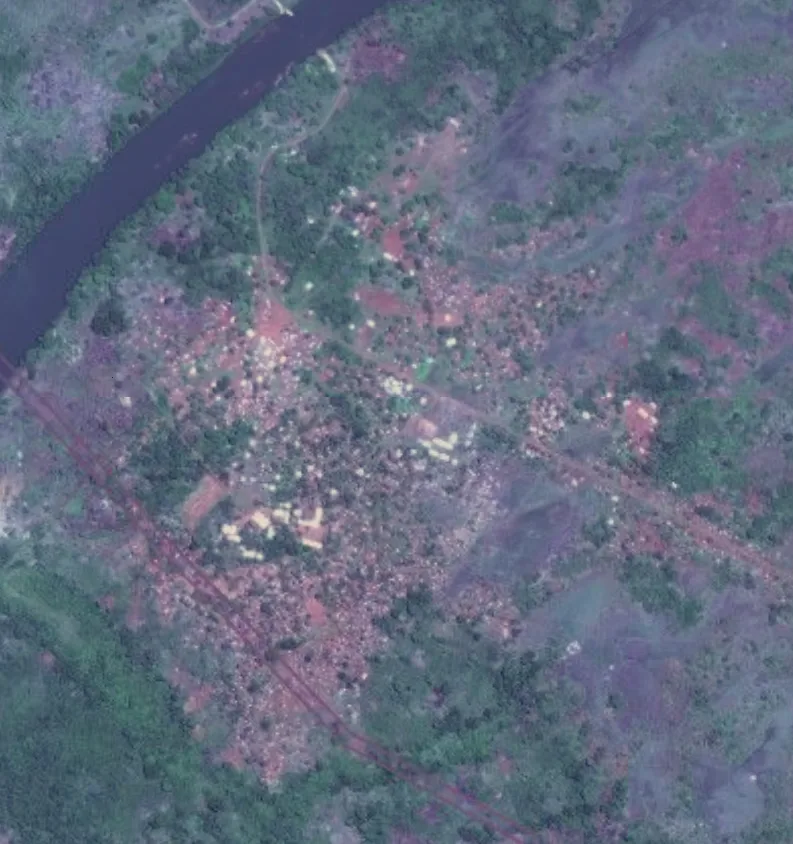
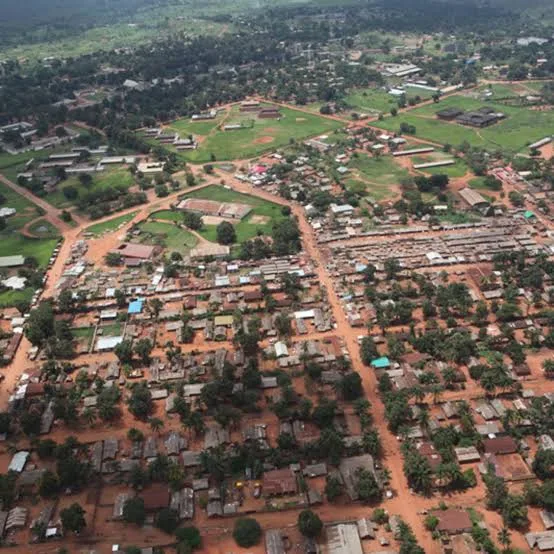
The Sultanate of Bangassou was a powerful Nzakara kingdom that flourished during the 19th century along the banks of the Mbomou River in the southeastern part of the modern-day Central African Republic. Named after its most famous ruler, Sultan Bangassou, who reigned from 1878 to 1907, the sultanate was renowned for its military prowess and its wealth derived from the ivory trade. Geographically, it commanded a vast territory that acted as a strategic bridge between the Congo Basin and the Sudanese regions. The sultanate entered a pivotal alliance with French colonial forces following a treaty in 1890, aimed at securing protection against rival powers and slave raiders. Under Sultan Bangassou's leadership, the capital became a significant diplomatic hub, hosting European explorers such as Léon Gentil. The political structure was highly hierarchical, relying on a sophisticated system of vassals and tributary groups. Although the region was eventually incorporated into French Equatorial Africa, the local aristocracy maintained considerable cultural influence for decades. The history of the sultanate remains a cornerstone of the regional identity and cultural heritage of the Mbomou area.
- Location: Central African Republic
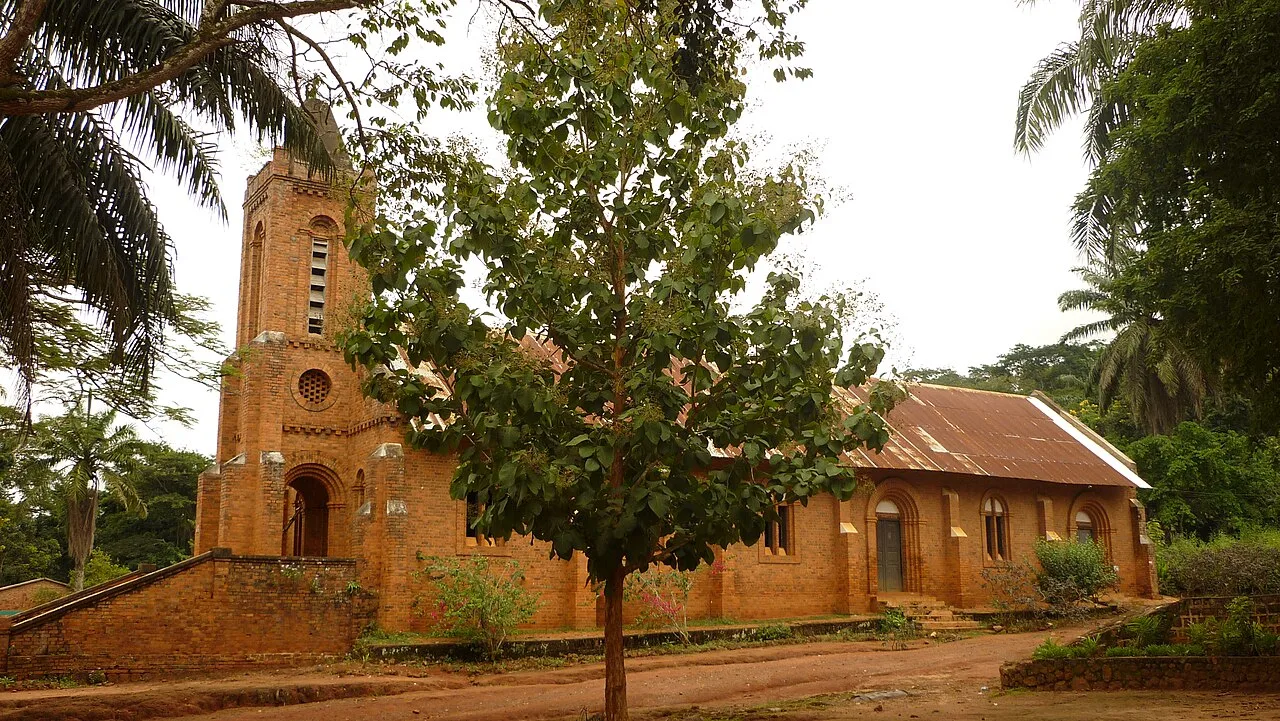
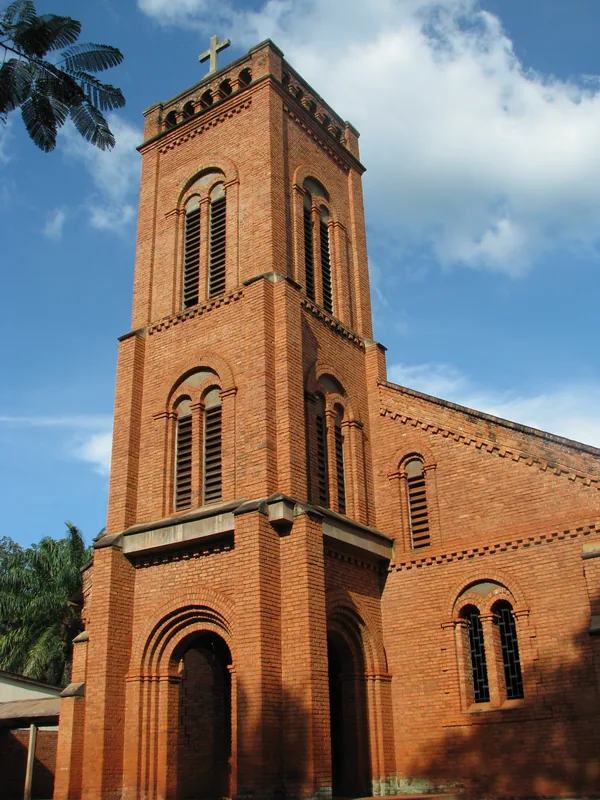
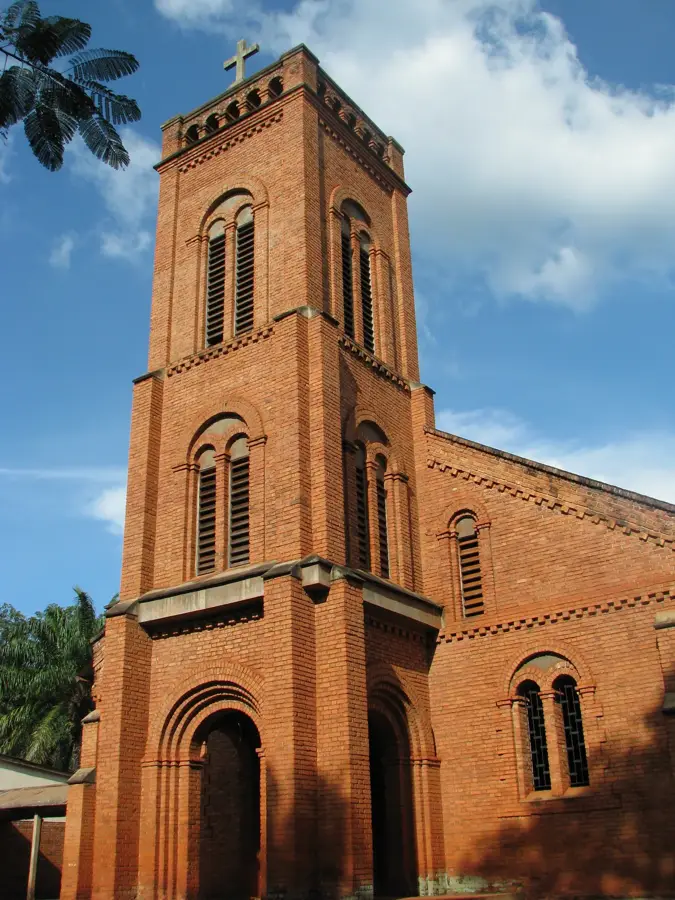
- Top sights: Diocese of Bangassou · Bangassou · St. Peter Claver Cathedral, Bangassou
- Nearby: Gambo (63 km)
Best time to visit & climate
The most pleasant time to visit is Jan, Nov, Dec.
| Jan | Feb | Mar | Apr | May | Jun | Jul | Aug | Sep | Oct | Nov | Dec | |
|---|---|---|---|---|---|---|---|---|---|---|---|---|
| Avg °C | 27 | 28 | 27 | 26 | 26 | 25 | 24 | 24 | 24 | 24 | 25 | 25 |
| Rain mm | 14 | 45 | 112 | 158 | 181 | 155 | 153 | 178 | 168 | 211 | 82 | 13 |
📋 Practical info
Geography
Facts
- Sultan Bangassou ruled the kingdom from 1878 until 1907.
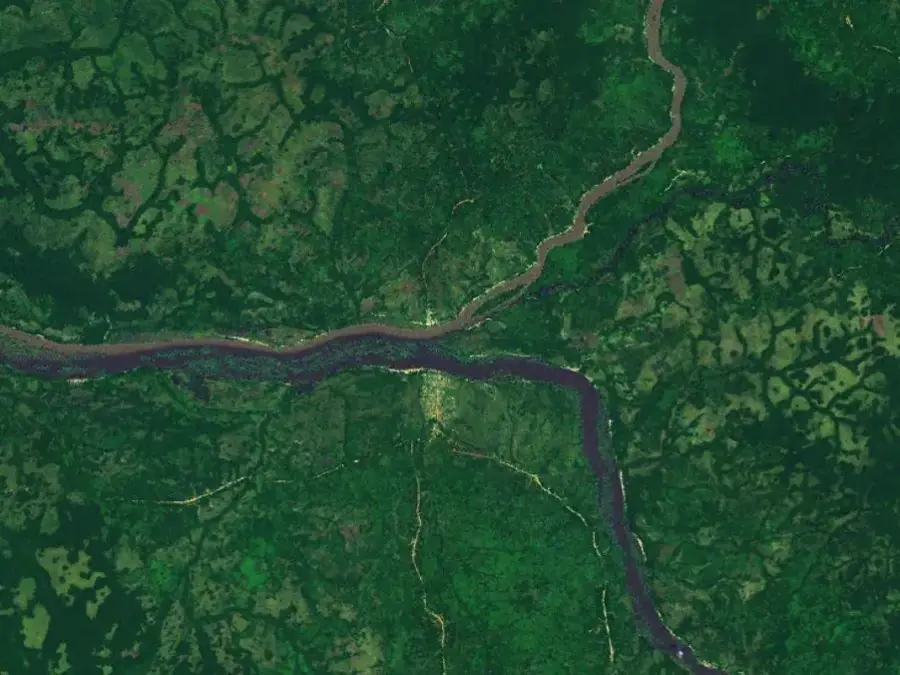
- The sultanate was strategically positioned along the Mbomou River.
- A formal protection treaty with France was signed in the year 1890.
- The state's prosperity was largely fueled by the ivory trade.
- The Nzakara people formed the dominant ethnic group of the sultanate.
- Explorer Léon Gentil was received at the Sultan's court in 1895.
Explore nearby
Notable places around

Route planner — Car & Motorhome
Where do you start? We build the route here, with stops and country notes along the way.
© OpenStreetMap contributors · OpenRouteService
Sights in the town Sultanate of Bangassou (3)
Sights nearby
Frequently asked questions
What was the Sultanate of Bangassou?
Is there still a Sultan today?
Can the palace be visited?
What significance does history have for the city?
Where can historical artifacts be found?
Sultanate of Bangassou: where is it located?
Sultanate of Bangassou: what is there to see?
Sultanate of Bangassou: when is the best time to visit?
Sultanate of Bangassou: why is it worth visiting?

Nearby cities
History & landmarks
Nature
More places