Plizio Visual Lab
Ston Saltworks
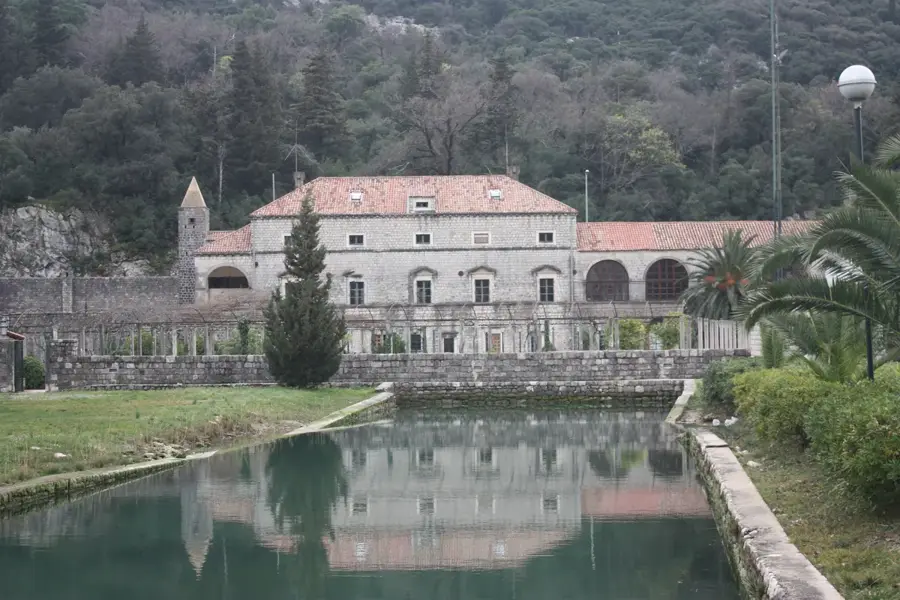
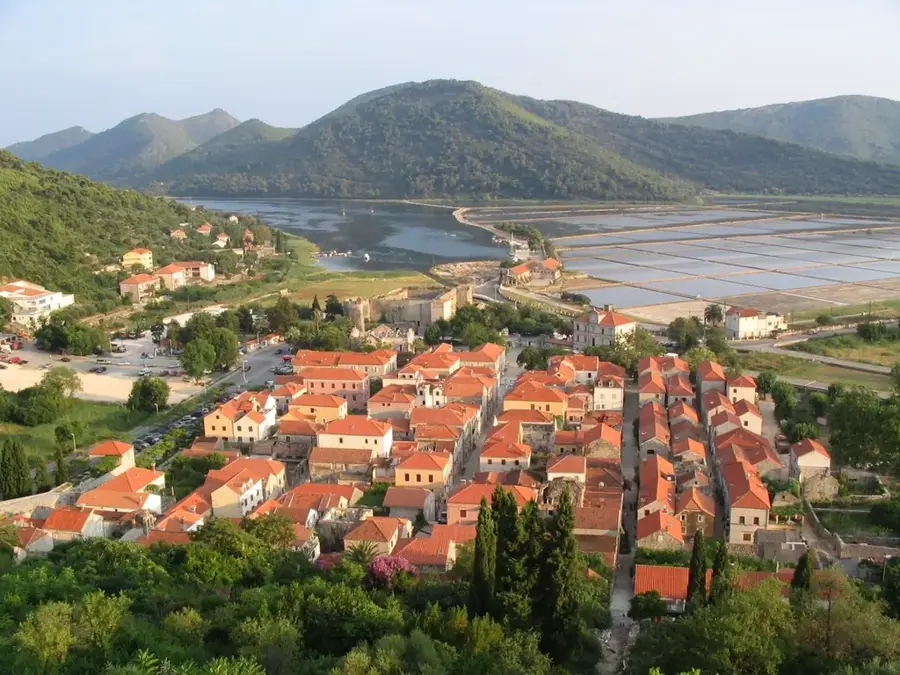
The Ston Saltworks (Solana Ston) is considered the oldest saltworks still in operation in Europe and is a significant monument of industrial history. Its origins date back to the time of the Roman Republic, but it received its current form in the 14th century under the rule of the Republic of Ragusa (Dubrovnik). At that time, salt was as valuable as gold and formed the economic foundation for Dubrovnik's rise. The facility consists of 58 ponds, many of which bear the names of saints, such as the famous St. Blaise pond. Salt extraction is still carried out today using exactly the same traditional methods as hundreds of years ago, without the use of machinery. During the summer months, the salt is harvested by hand and transported to historical storehouses. The saltworks are an integral part of the impressive fortifications of Ston and attract numerous tourists annually who wish to experience the authentic process of sea salt extraction.
- Location: Croatia
- Top sights: Biskupska palača · Lapidarium Ston · Arcimun
- Nearby: Metohija (5 km)
Best time to visit & climate
The most pleasant time to visit is May, Jun, Sep.
| Jan | Feb | Mar | Apr | May | Jun | Jul | Aug | Sep | Oct | Nov | Dec | |
|---|---|---|---|---|---|---|---|---|---|---|---|---|
| Avg °C | 6 | 7 | 10 | 14 | 18 | 23 | 27 | 27 | 21 | 17 | 12 | 8 |
| Rain mm | 108 | 102 | 95 | 71 | 56 | 47 | 26 | 34 | 81 | 94 | 121 | 121 |
📋 Practical info
Geography
Facts
- The current facility was built in 1333 by the Republic of Ragusa.
- The saltworks consist of a total of 58 evaporation ponds.
- In the past, one-third of Dubrovnik's state budget was funded by the saltworks.
- The annual salt harvest is between 1,500 and 2,000 tons, depending on the weather.
- The harvest is performed manually using shovels and wooden carts.
- The 'Lazarus' pond yields the purest salt because it has a granite floor.
Explore nearby
Notable places around


Route planner — Car & Motorhome
Where do you start? We build the route here, with stops and country notes along the way.
© OpenStreetMap contributors · OpenRouteService
Sights in the town Ston Saltworks (10)
Minčeta
Round defensive tower in Ston, part of the town walls.
Sokolić
Small fortress in Ston, strategically located.
položaj Lastva
Viewpoint overlooking the area around Ston.
Bartolomija
Hill in Dubrovnik-Neretva County, Croatia.
Koruna🏰 castle
Castle ruins in Ston, former fortification.
Popina
Elevation near Ston, part of the karst landscape.
Sights nearby
Frequently asked questions
What is special about the Ston Saltworks?
Is salt still harvested in Ston like in the old days?
Can you visit the Ston Saltworks?
When is the best time to visit?
Is the saltworks near the city walls?
Ston Saltworks: where is it located?
Ston Saltworks: what is there to see?
Ston Saltworks: when is the best time to visit?
Ston Saltworks: why is it worth visiting?

Nearby cities