Plizio Visual Lab
Donja Banda
ℹ️Practical info — Donja Banda
▾
🌤 Weather — 5 days
📍 Nearby
Sights nearby
💡 Tips
- Stop after driving through the Dingač tunnel; the view of steep vineyards plunging into the sea is dramatic.
- Visit the Peninsula Wine Bar in the village to taste over 60 different local wines from Pelješac and Korčula.
- Always wear water shoes in the nearby wild coves to protect against the many sea urchins on the rocks.
- Use Donja Banda as a quiet retreat; being inland, it is often cooler and more peaceful in the evenings than the coast.
- Buy wine directly from the cellar doors (like Skaramuča) for better prices and authentic Dingač varieties.
🍽 Food
Famous robust red wines made from Plavac Mali grapes; Donja Banda is the heart of this wine region.
Try the famous oysters from nearby Mali Ston, available in almost every local tavern (konoba).
Visit the nearby village of Kuna for traditional slow-cooked meat under a bell (peka) at Agroturizam Antunović.
🛍 Shopping · 🧘 Quiet spots
A renowned winery in nearby Ponikve, famous for its organic wines and exceptional olive oil.
Pick up a bag of fleur de sel from the historic salt pans in Ston, some of the oldest in the world.
Look for roadside stands between Donja Banda and Janjina for local sage honey and dried figs.
A 'Robinson Crusoe' style beach near Duba Pelješka with no road access, guaranteeing peace even in August.
A tiny, romantic fishing village with a small pebble beach and a very slow pace of life.
An archaeological site near Viganj where you can enjoy the silence of an abandoned Illyrian settlement.
Water temperature…
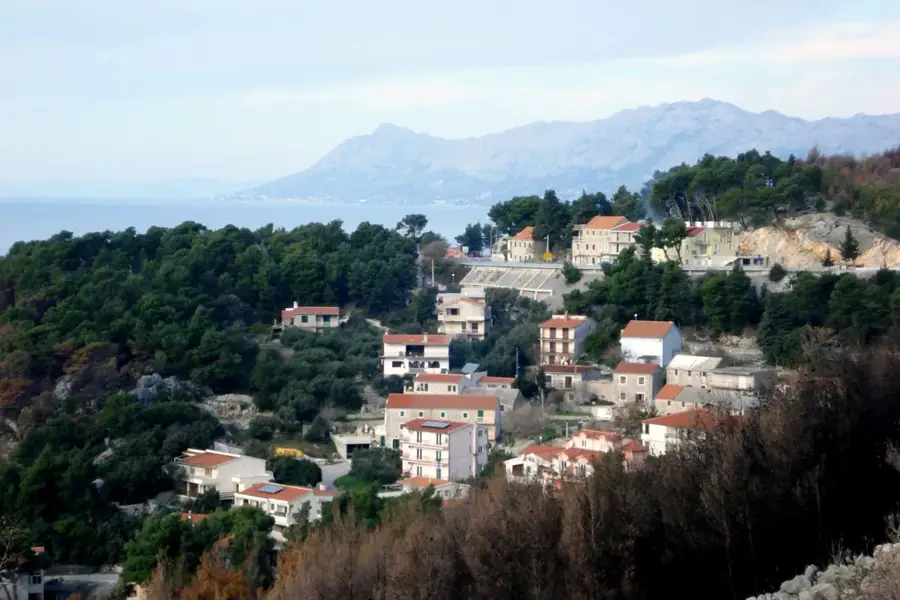
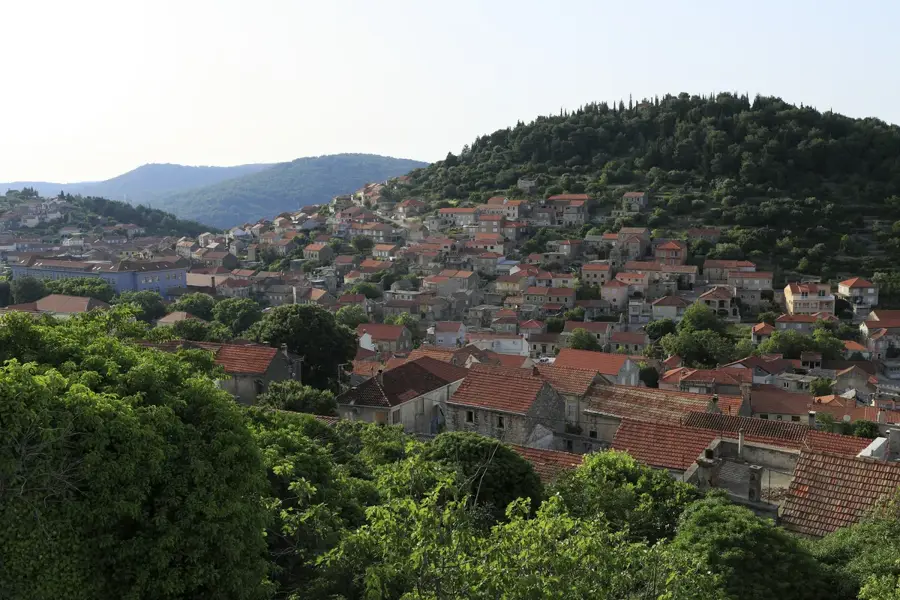
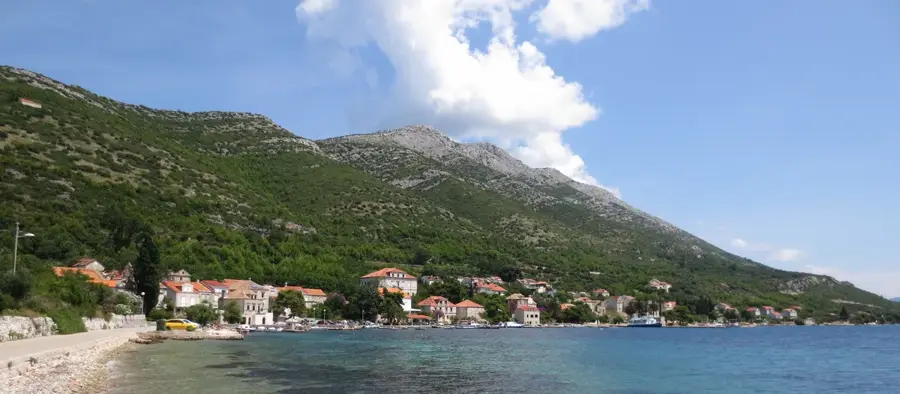
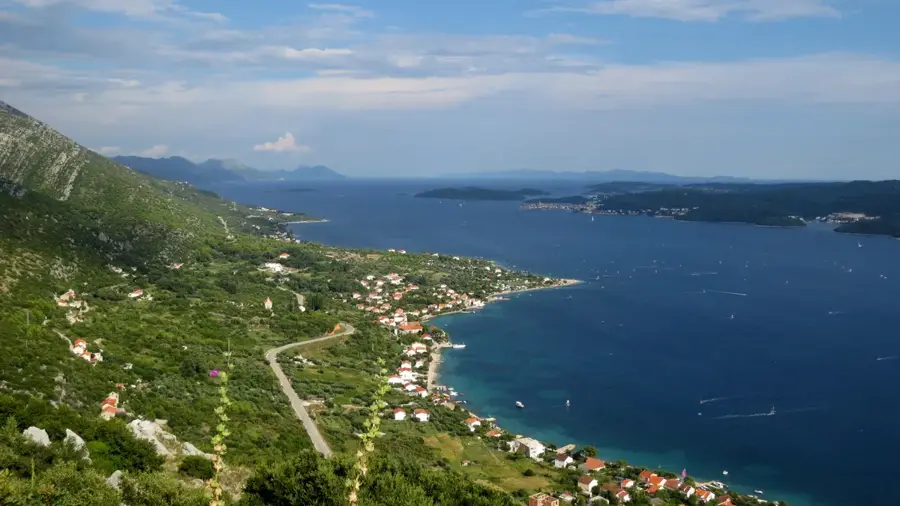
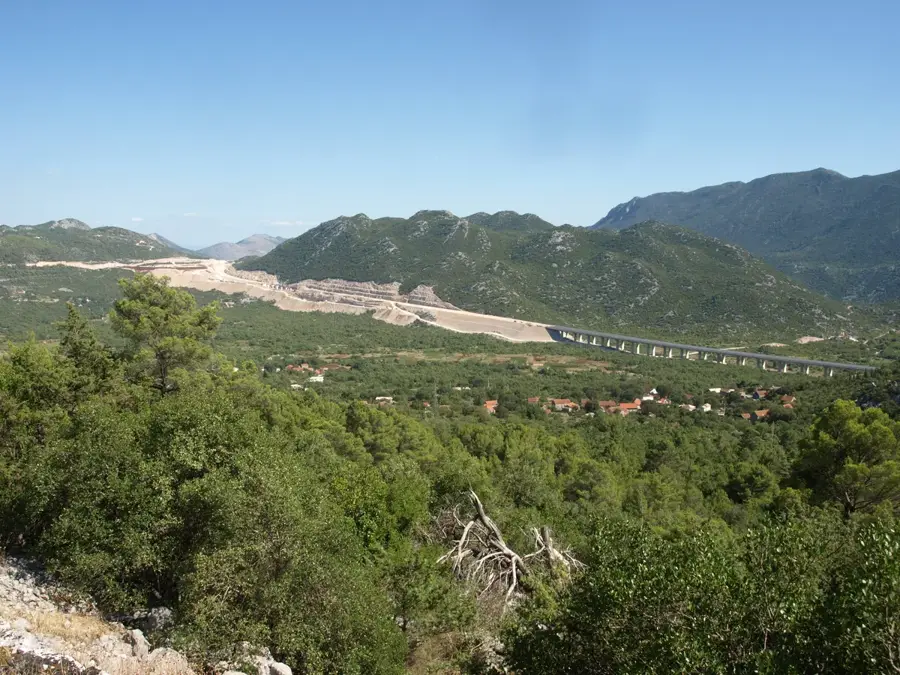
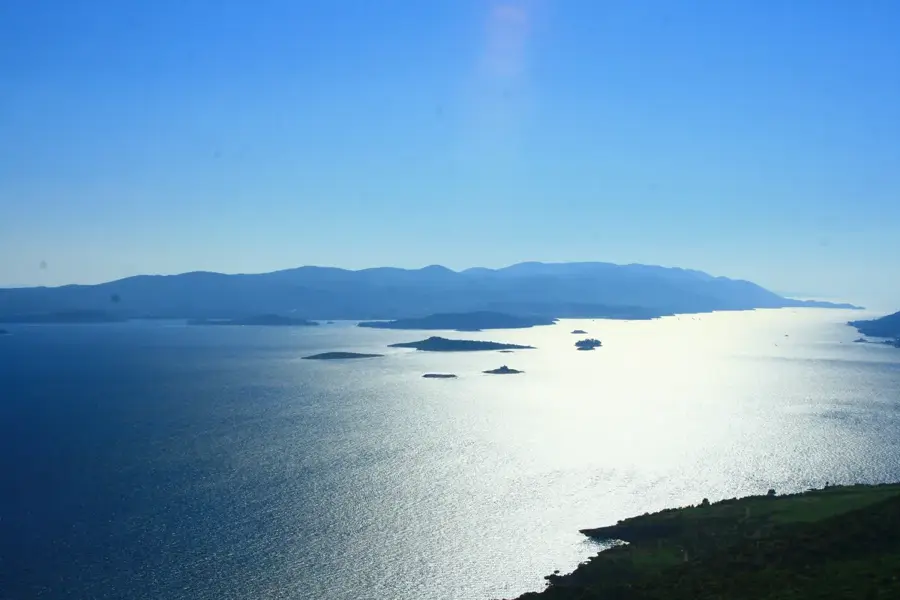
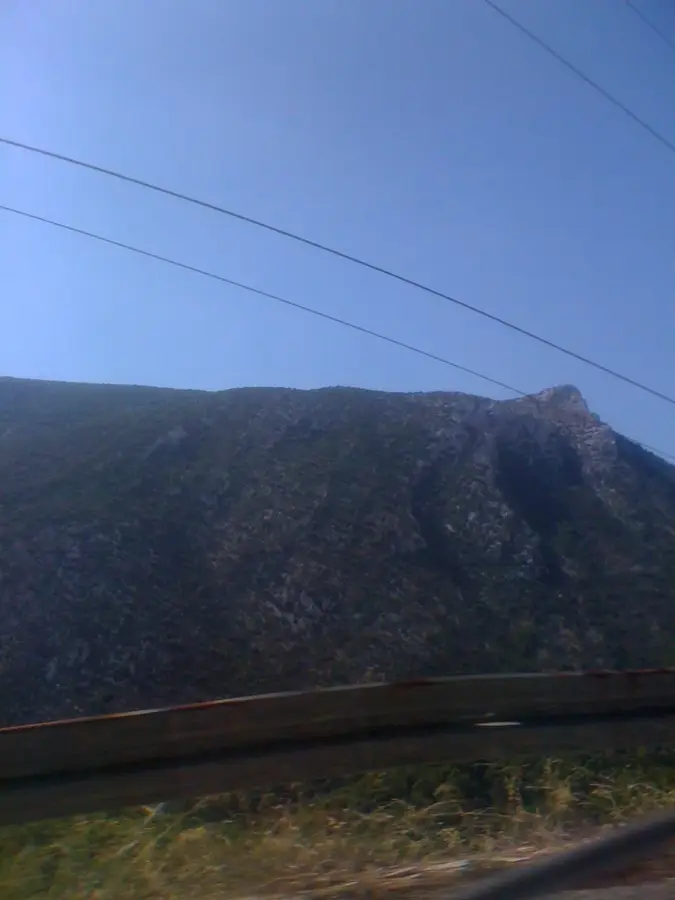
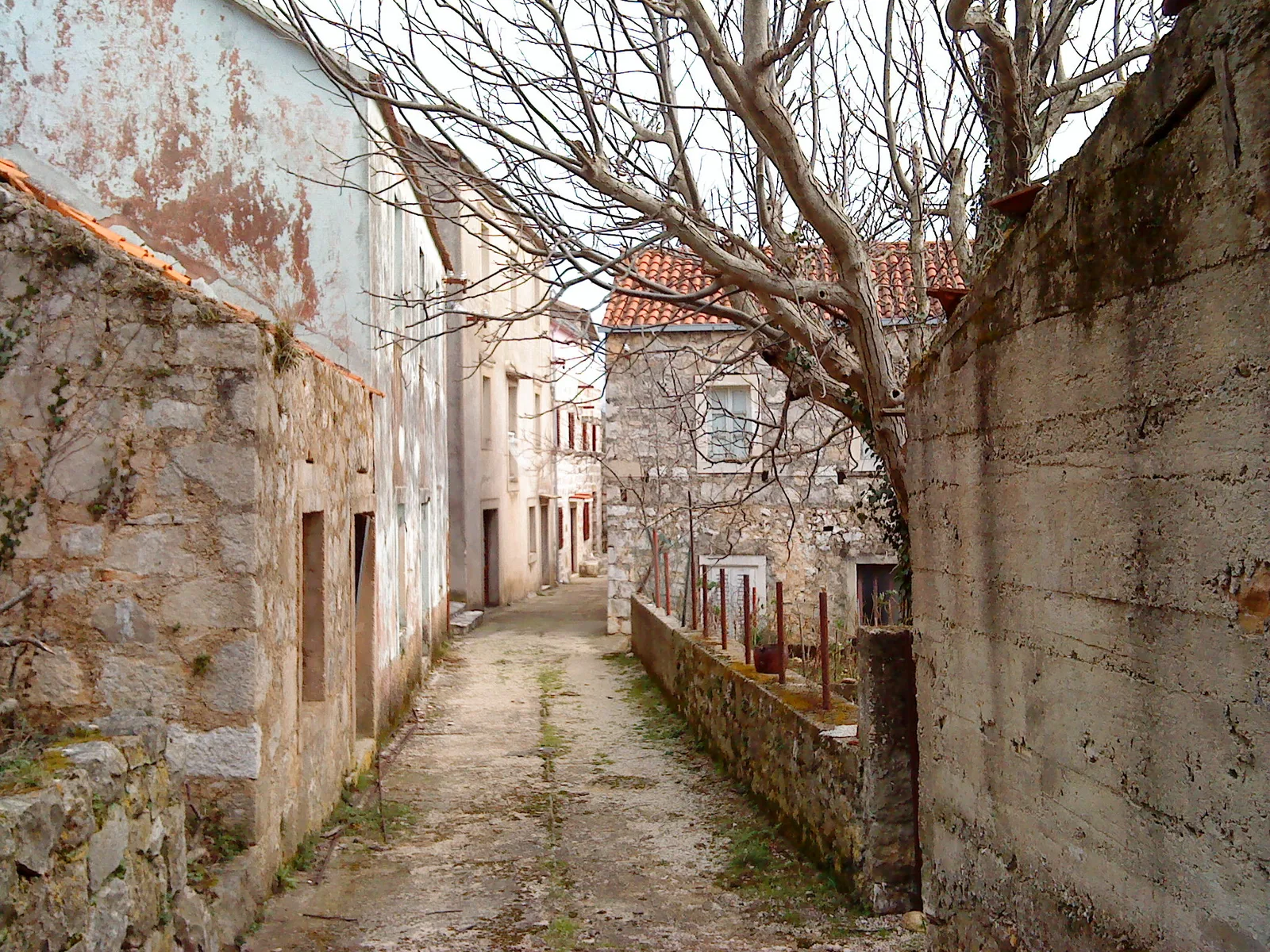
Donja Banda is a notable viticultural region situated on the Pelješac peninsula in southern Croatia, falling within the administrative boundaries of the Orebić municipality. This area is composed of several small hamlets, including Prizdrina, Zakamenje, and Golubinica, which are tucked away along the slopes of the rugged karst terrain. The region is most famous for its exceptional Plavac Mali grapes, which thrive on the sun-drenched, steep southern slopes of the peninsula, producing the globally acclaimed Dingač and Postup red wines. Historically, the area was a vital part of the Republic of Ragusa, benefiting from its stable governance and extensive maritime trade routes that exported local wines to European courts. The geography is characterized by dramatic elevation changes, with vineyards often requiring manual labor due to the impossibility of using machinery on the precipitous inclines. Culturally, Donja Banda preserves a wealth of Dalmatian traditions, reflected in its sturdy stone architecture and the numerous small chapels dedicated to Saint Anthony and other patrons of sailors and farmers. The combination of its unique microclimate, ancient agricultural practices, and impressive vistas of the Adriatic Sea makes Donja Banda a cornerstone of Croatian enology and a destination of profound natural beauty. Visitors to the region can explore the local cellars, which have refined their craft over centuries, offering a sensory journey through the history and flavors of the Pelješac terroir.
- Location: Croatia
- Top sights: Kuna Pelješka · Oskorušno
- Nearby: Trpanj (6 km)
- Population: ~154
Best time to visit & climate
The most pleasant time to visit is May, Jun, Sep.
| Jan | Feb | Mar | Apr | May | Jun | Jul | Aug | Sep | Oct | Nov | Dec | |
|---|---|---|---|---|---|---|---|---|---|---|---|---|
| Avg °C | 6 | 7 | 10 | 14 | 18 | 23 | 27 | 27 | 21 | 17 | 12 | 8 |
| Rain mm | 108 | 102 | 95 | 71 | 56 | 47 | 26 | 34 | 81 | 94 | 121 | 121 |
Geography
Facts
- Administrative part of the Orebić municipality on Pelješac.
- Includes the Dingač wine region, protected since 1961.
- The highest nearby peak, Sveti Ilija, stands at 961 meters.
- Formally integrated into the Republic of Ragusa in 1333.
- The primary grape variety is the red Plavac Mali.
- Consists of the hamlets Prizdrina, Zakamenje, and Golubinica.
Explore nearby
Notable places around
Route planner — Car & Motorhome
Where do you start? We build the route here, with stops and country notes along the way.
© OpenStreetMap contributors · OpenRouteService
Sights in the town Donja Banda (2)
Frequently asked questions
Where is Donja Banda located?
What wine is typical for this area?
Are there wine cellars in Donja Banda?
How far is it to the sea?
What else can you do besides wine tours?
Donja Banda: where is it located?
Donja Banda: what is there to see?
Donja Banda: when is the best time to visit?
Donja Banda: why is it worth visiting?

Nearby cities