Plizio Visual Lab
Imotski
ℹ️Practical info — Imotski
▾
🌤 Weather — 5 days
📍 Nearby
Sights nearby
💡 Tips
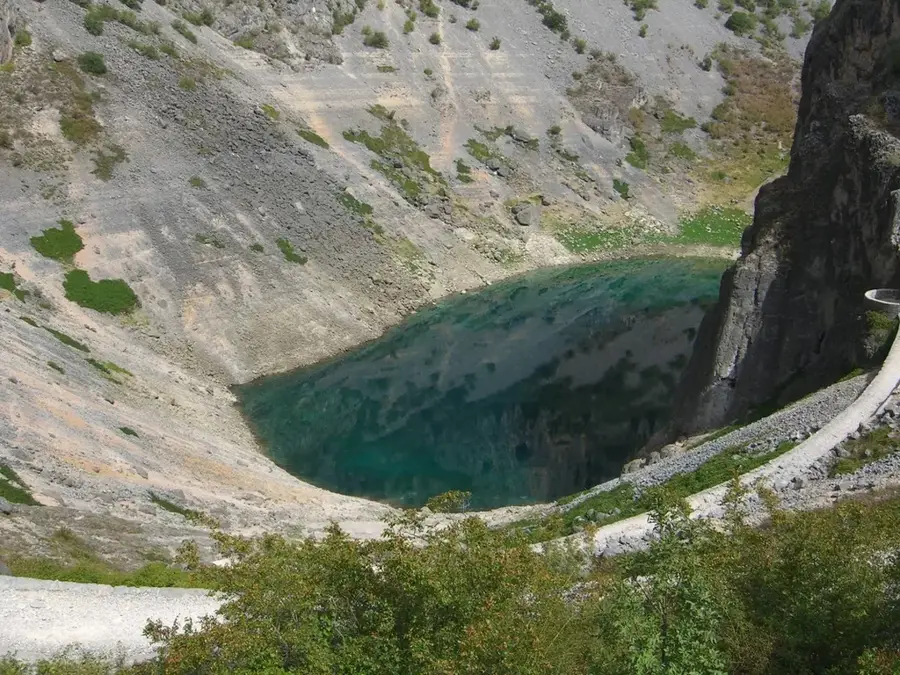
- Visit the Blue Lake (Modro jezero) early in the morning or late afternoon to avoid the intense summer heat and the steepest crowds.
- The walk down to the Blue Lake is rocky; wear sturdy sneakers, not flip-flops.
- Parking near the lakes can be tricky in peak season; consider walking from the town center.
- When the Blue Lake dries up completely in late summer, locals sometimes play football at the bottom-a unique sight if you catch it.
🍽 Food
Look for this traditional dessert in local pastry shops or traditional restaurants.
A famous Dalmatian hinterland treat, easily found in local bakeries.
Pre-order this hearty dish at traditional konobas (taverns) in or around the town.
🛍 Shopping · 🧘 Quiet spots
A crisp local white wine, first-rate to buy directly from vineyards in the Imotski field.
Located in the town center, a great spot for fresh figs, prosciutto, and local honey.
A peaceful and refreshing area outside the town, first-rate for a walk or a summer picnic.
Gives memorable, quiet panoramic views over the Blue Lake and the surrounding region, especially at sunset.
Water temperature…
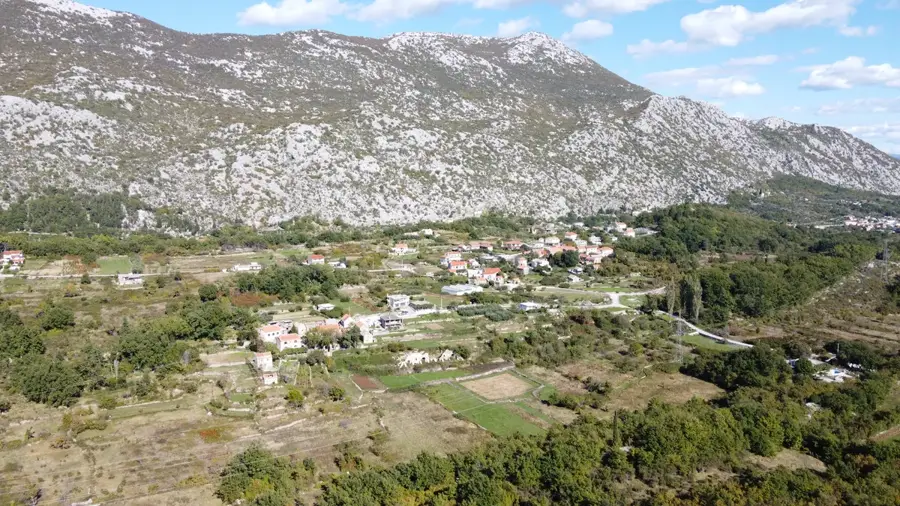
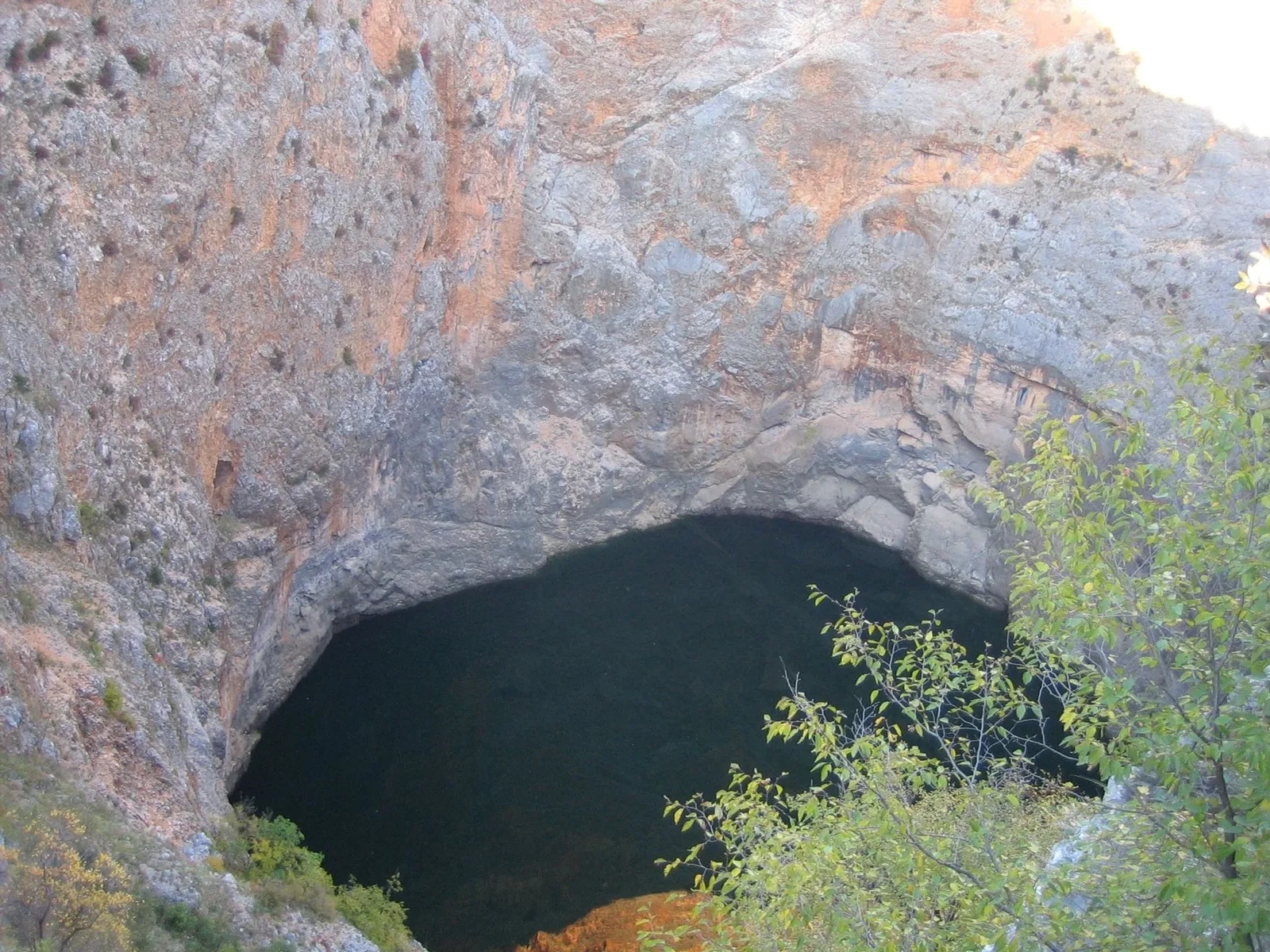
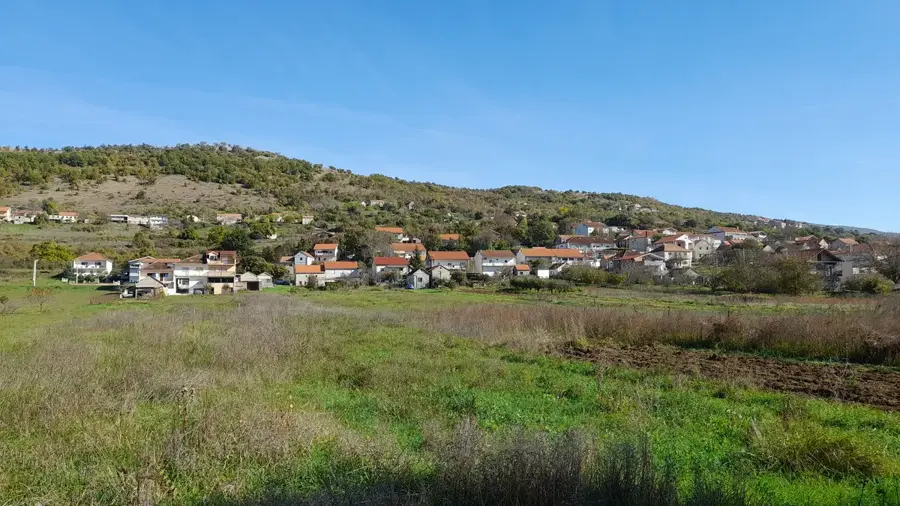
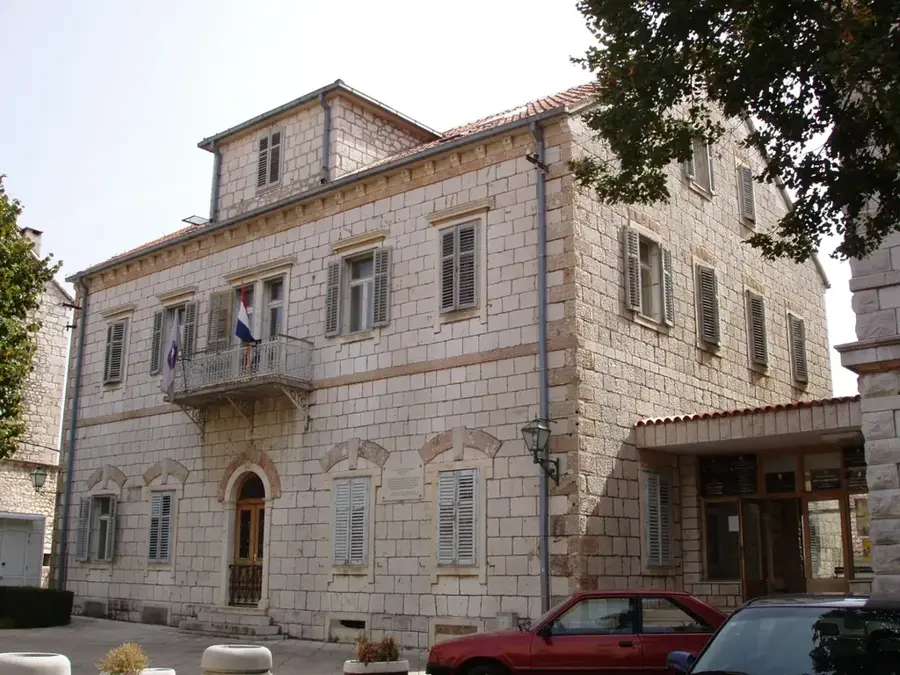
Imotski is a historic town in the Dalmatian hinterland near the border with Bosnia and Herzegovina, world-renowned for its extraordinary karst phenomena. Perched on the slopes above the fertile Imotski Field, the town is crowned by the Topana Fortress, first mentioned in the 10th century by Byzantine Emperor Constantine VII Porphyrogenitus. Immediately below the fortress lies the Blue Lake (Modro jezero), a karst lake located at the bottom of a deep sinkhole; its water level fluctuates seasonally, often drying up completely to host a traditional football match on its bed. A few kilometers away is the Red Lake (Crveno jezero), one of the deepest water-filled sinkholes in the world, with nearly vertical cliffs plunging over 500 meters deep. Imotski's urban architecture is defined by sturdy 19th-century stone houses that give the town a refined, Mediterranean character despite its inland location. The region is famous for its long-standing viticulture, particularly the Kujundžuša grape variety, and its rich oral traditions and folk songs (Ganga). Imotski features a unique blend of wild natural beauty and centuries-old history, standing as a gateway to the authentic spirit of rural Dalmatia.
- Location: Croatia
- Top sights: Tvrđava Topana · Zavičajni muzej Imotski · Ilirska gomila (Illyrian stone pile)
- Nearby: Zmijavci (4 km)
- Population: ~4.008
Best time to visit & climate
The most pleasant time to visit is Jun–Aug.
| Jan | Feb | Mar | Apr | May | Jun | Jul | Aug | Sep | Oct | Nov | Dec | |
|---|---|---|---|---|---|---|---|---|---|---|---|---|
| Avg °C | 3 | 4 | 7 | 11 | 15 | 20 | 24 | 24 | 18 | 13 | 9 | 4 |
| Rain mm | 93 | 88 | 80 | 68 | 57 | 50 | 28 | 38 | 80 | 87 | 123 | 117 |
Geography
Facts
- Red Lake is the third largest sinkhole in the world, with a depth that often goes below sea level.
- The Topana Fortress offers a panoramic view of the entire Imotski field and the nearby Bosnian mountains.
- The football match played on the dry bed of Blue Lake only occurs in exceptionally dry years, roughly once a decade.
- Imotski's stone architecture was largely influenced by Italian masons brought in during the 19th century.
- The town is home to the first monument in the world dedicated to the Mercedes-Benz car, unveiled in 2024.
- The nearby Vrljika river is a unique karst sinking stream that provides water for the surrounding agriculture.
Explore nearby
Notable places around
Route planner — Car & Motorhome
Where do you start? We build the route here, with stops and country notes along the way.
© OpenStreetMap contributors · OpenRouteService
Sights in the town Imotski (7)
Frequently asked questions
What is the Blue Lake?
Can you swim in the Red Lake?
What is the Topana Fortress?
Why is Imotski known for cars?
When does the Blue Lake dry up?
Imotski: where is it located?
Imotski: what is there to see?
Imotski: when is the best time to visit?
Imotski: why is it worth visiting?

Nearby cities