Plizio Visual Lab

Cape Saint-André
Plizio editorial teamData Sources
Relief
—°
Cape Saint-André (Comoros)

Weather…

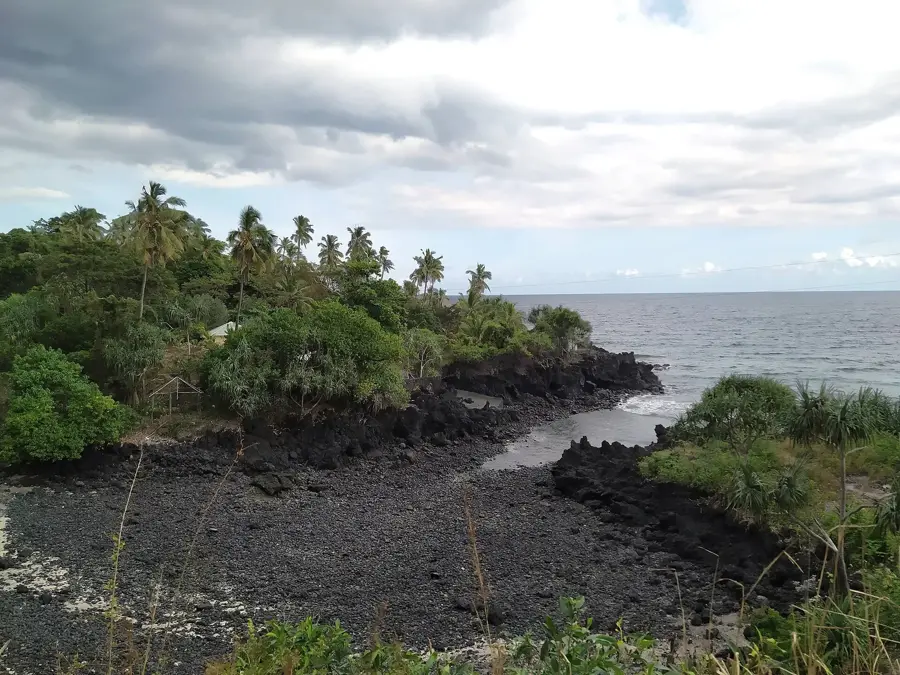
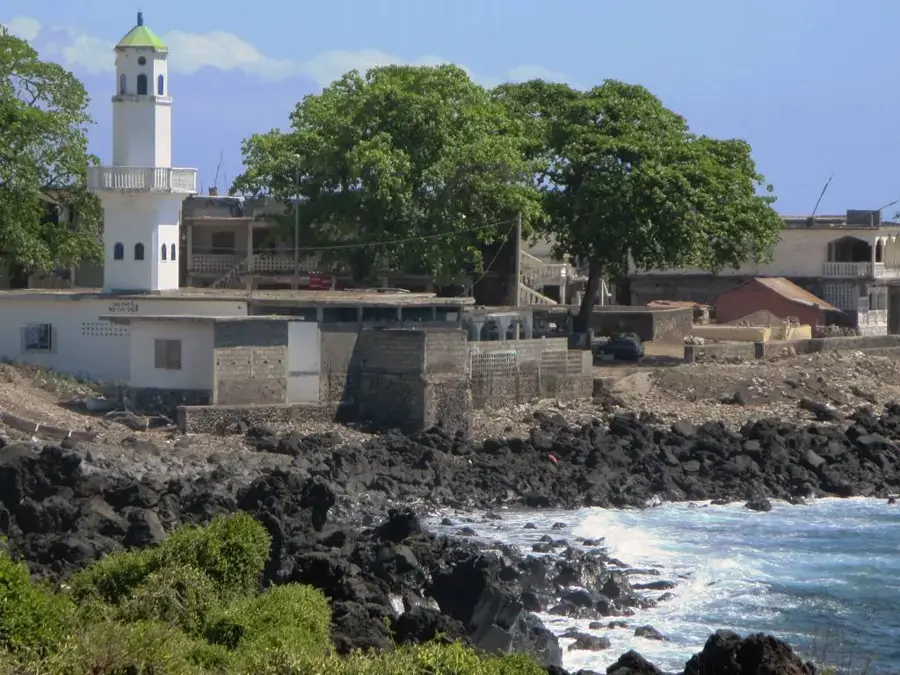
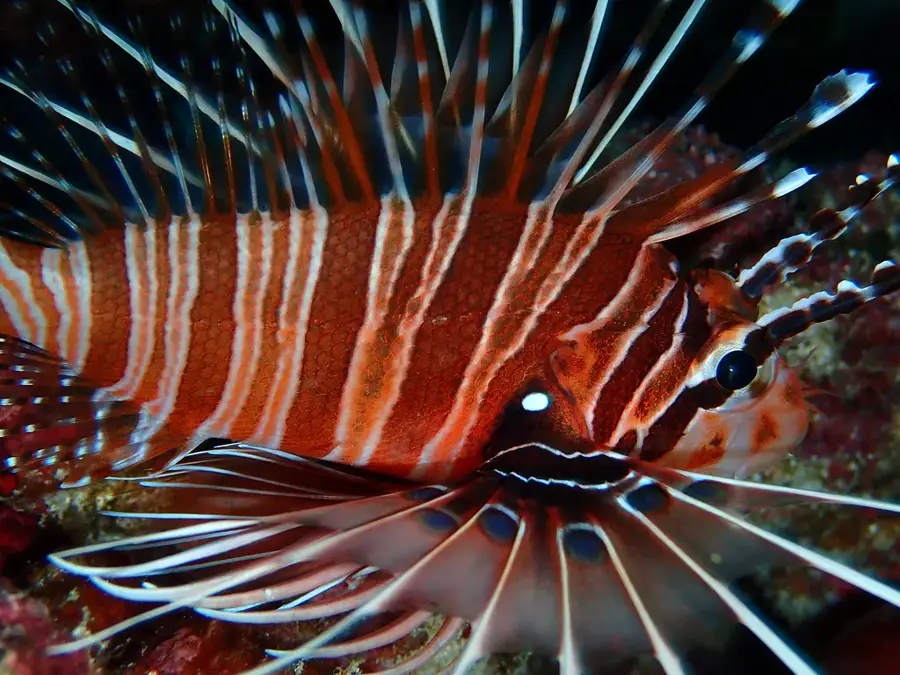
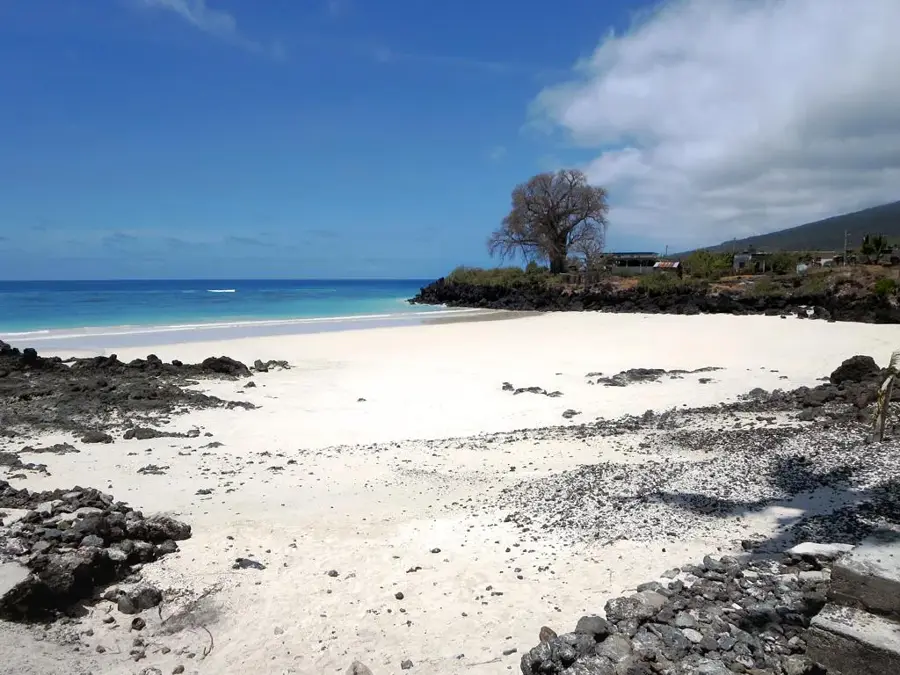
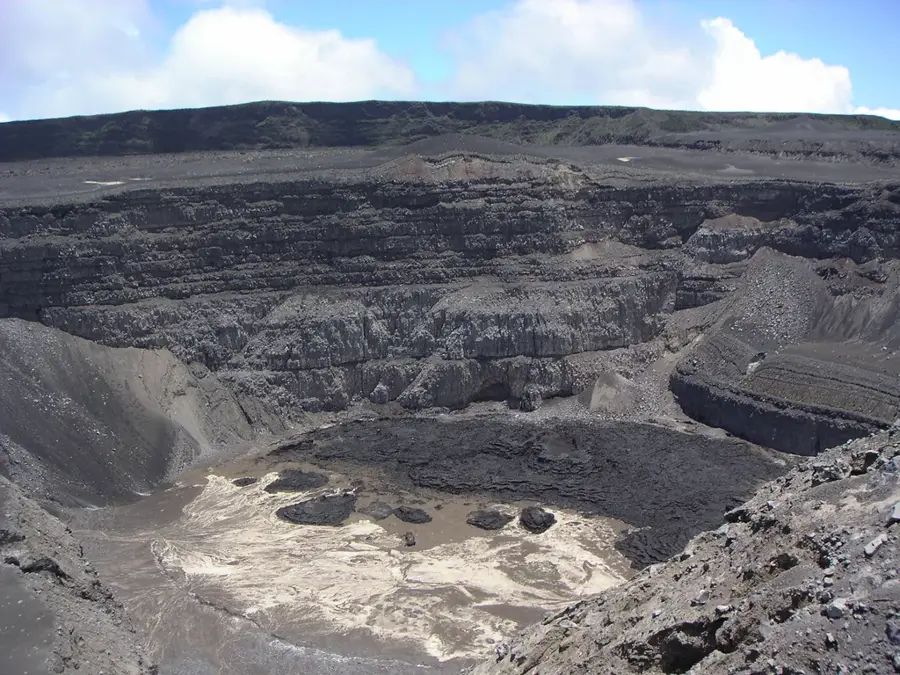
Cape Saint-André is the northwesternmost tip of Grande Comore (Ngazidja), forming a dramatic boundary between the volcanic landmass and the Indian Ocean. Geologically, the cape is composed of rugged, dark basalt cliffs formed by ancient lava flows from the La Grille volcanic massif. Over millennia, the relentless action of the sea has carved these rocks into jagged formations, natural arches, and hidden coves that define its striking aesthetic. The waters surrounding Cape Saint-André are known for their powerful currents and high biodiversity, often serving as a corridor for migrating humpback whales and various shark species. The vegetation on the cape is sparse and wind-swept, featuring resilient shrubs and iconic baobab trees that stand as sentinels along the coast. Historically, this point served as a vital landmark for sailors navigating the Mozambique Channel, marking the entrance to the northern Comorian waters. The area near the cape is a popular spot for eco-tourism, offering some of the best vantage points for watching spectacular sunsets and marine life. Its raw, unblemished beauty represents the wilder side of the Comorian landscape, contrasting with the lush forests of the island's interior.

Best time to visit & climate

The most pleasant time to visit is Feb, Mar, Dec.

JanFebMarAprMayJunJulAugSepOctNovDec
Avg °C10111110998778910
Rain mm80628385110101939383646168

📋 Practical info

🧭
Getting there
This incredibly prominent headland proudly located on the northwest coast of Grande Comore is typically only reached by securely hiring an experienced local driver or rugged taxi starting from Moroni. The rural roads heavily leading north can be exceptionally uneven and deeply rutted.
📅
Best season
The generally cooler, more reliable dry season actively running from May strongly through to October is easily the most favorable time to comfortably visit, offering reliably clear blue skies and notably less oppressive tropical humidity. Heavy sudden rains during the lengthy wet season are problematic.
⛰️
Terrain & paths
The harsh terrain is definitively defined by incredibly dark, sharply jagged volcanic rock formations fiercely meeting the aggressive ocean, creating a deeply dramatic and highly uneven coastal landscape. Walking actively here requires carefully navigating directly over dangerous sharp basalt rocks.
🎒
What to bring
Highly durable, fully closed-toe protective hiking shoes are absolutely, non-negotiably essential to strictly protect your feet securely against the aggressively sharp, abrasive volcanic ground. Always bring remarkably ample drinking water and heavy sun protection, as there is literally zero natural shade.
🅿️
Parking
Any formal established parking facilities are virtually completely nonexistent at this remote location; adventurous visitors usually carefully park their hired vehicles right at the unpaved edge of the nearest barely accessible coastal village. From there, it safely requires a guided short trek directly on foot.
⚠️
Safety
The remarkably sharp jagged volcanic rocks can easily cause terribly serious deep cuts if you accidentally fall, so you must walk slowly and deliberately, constantly keeping a notably safe, wide distance from any cliff edges. The churning ocean currents dynamically crashing around the headland are extremely treacherous.
⏱️
Time needed
Carefully exploring this harsh volcanic headland and fully taking in the remarkably dramatic, isolated oceanic views generally takes an average of about two to three active hours on location. Properly factoring in the heavily rough driving time originating from Moroni, it usually thoroughly constitutes a solid half-day trip.

Geography

Coordinates
-43.25000, 11.55000

Facts

  • Cape Saint-André is the northwestern tip of Ngazidja island.
  • The cape consists of basaltic rocks from ancient lava flows.
  • It serves as a key navigation point in the Mozambique Channel.
  • The area is home to several ancient baobab trees (Adansonia).
  • Humpback whales are frequently spotted off the cape in winter.
  • Coastal erosion has created unique arches and caves in the basalt.

Explore nearby

Notable places around

Route planner — Car & Motorhome

Where do you start? We build the route here, with stops and country notes along the way.

Vehicle
Only stops with (optional):

© OpenStreetMap contributors · OpenRouteService

Sights nearby

Frequently asked questions

Where is Cape Saint-André located?
It is the northwesternmost point of Madagascar, marking the transition to the Mozambique Channel.
How is the cape accessible?
The region is very remote; access is mostly by boat or via very difficult tracks with 4WD vehicles.
What can you see there?
Untouched beaches, mangroves, and a wild coastal landscape far from mass tourism.
Is there accommodation available?
There is almost no infrastructure in the immediate vicinity. Visitors often camp or use distant eco-lodges.
What animals live in the region?
You can observe various seabirds, turtles, and occasionally whales in the Mozambique Channel.
Cape Saint-André: where is it located?
Cape Saint-André is located in Comoros.
Cape Saint-André: when is the best time to visit?
The most pleasant time to visit is Feb, Mar, Dec.
Cape Saint-André: why is it worth visiting?

Cape Saint-André is the northwesternmost tip of Grande Comore (Ngazidja), forming a dramatic boundary between the volcanic landmass and the Indian Ocean.
View on map → The Top 50 Attractions → OpenStreetMap →
Africa
Explore with Plizio Discover more places in Africa
More places in Comoros →

Nearby cities

History & landmarks
More places