Plizio Visual Lab

Port of Santa Marta

Plizio editorial teamData Sources
Port
—°6
Port of Santa Marta (Colombia)

Weather…

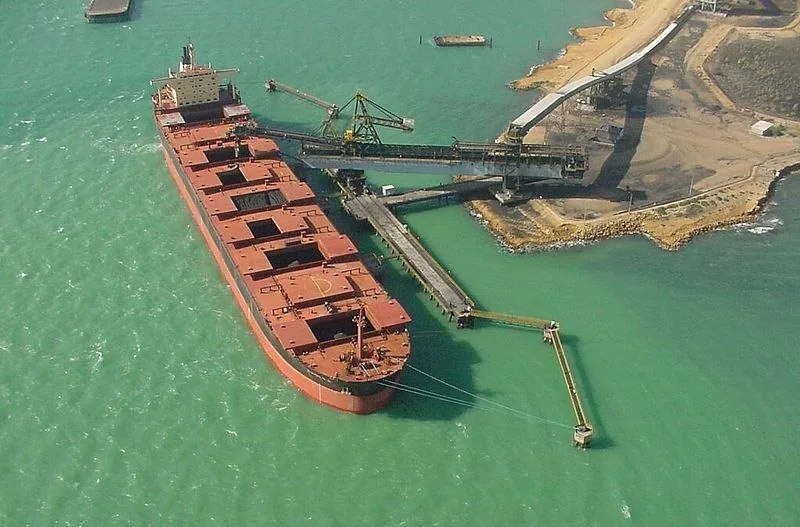
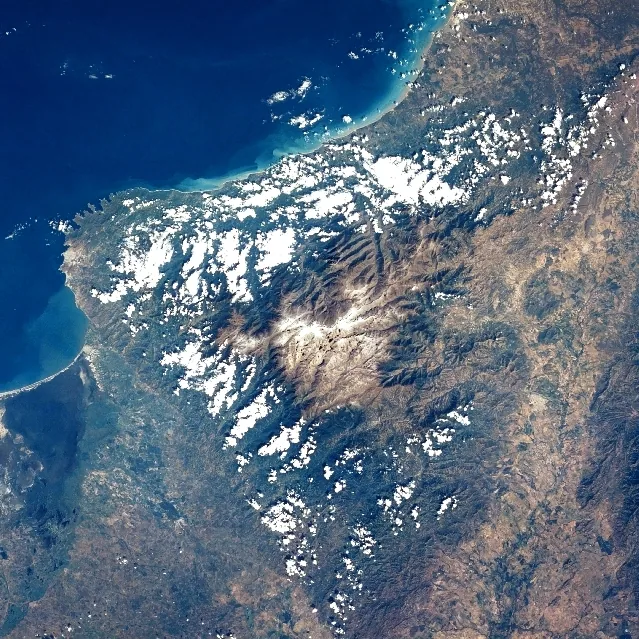
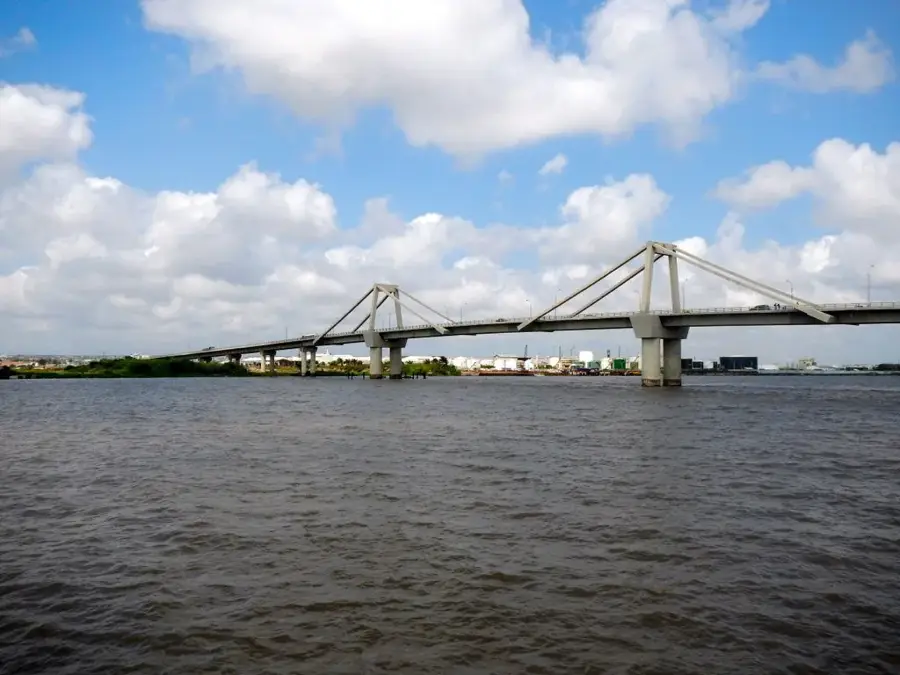
The Port of Santa Marta is renowned as Colombia's deepest natural harbor on the Caribbean Sea, a feature that provides it with a significant competitive advantage. Because it requires no constant dredging, deep-draft vessels can dock easily at its berths. Developed in the oldest European-founded city in Colombia (1525), the port has evolved into an ultra-modern terminal specializing in the export of coal, bananas, and palm oil. The facility is managed by the Sociedad Portuaria de Santa Marta, which emphasizes environmental sustainability, particularly through the use of direct-ship loading systems for coal to minimize dust. In addition to raw materials, the port handles increasing volumes of containerized goods and imported vehicles for the national market. Its location at the foot of the Sierra Nevada de Santa Marta mountains provides a naturally sheltered environment against strong sea currents and winds. The port is a primary employer in the region and a pillar of the economic stability for the Magdalena Department. Its high efficiency makes it a preferred gateway for agricultural exports bound for European and North American markets.

Best time to visit & climate

The most pleasant time to visit is Jan, Feb, Dec.

JanFebMarAprMayJunJulAugSepOctNovDec
Avg °C212222232323232322222121
Rain mm3311341097863841101709729

📋 Practical info

🏭
What is this place?
This deep-water port is a crucial export hub for Colombia's agricultural and mineral wealth, particularly bananas and coal. It drives the regional economy by connecting local producers to global markets, making it a key industrial landmark.
🚪
Visiting
The port's operational areas are generally not open to the public for security reasons. However, visitors can observe the bustling activity from nearby public roads and vantage points along the coast.
👀
Where to view it
A good spot to watch port operations is from the adjacent beaches or the coastal road that runs along the harbor. For a panoramic view, consider the higher ground near the historic center of Santa Marta.
🧺
Local products
Travelers in the region will encounter fresh bananas, plantains, and tropical fruits at local markets, as well as coffee and cacao. Coal exports are less visible, but the port's infrastructure dominates the skyline.
📆
Active season
The port operates year-round, but peak export seasons for bananas often align with the dry months from December to April. Shipping activity intensifies during the agricultural harvest periods, when containers are loaded continuously.
Nearby
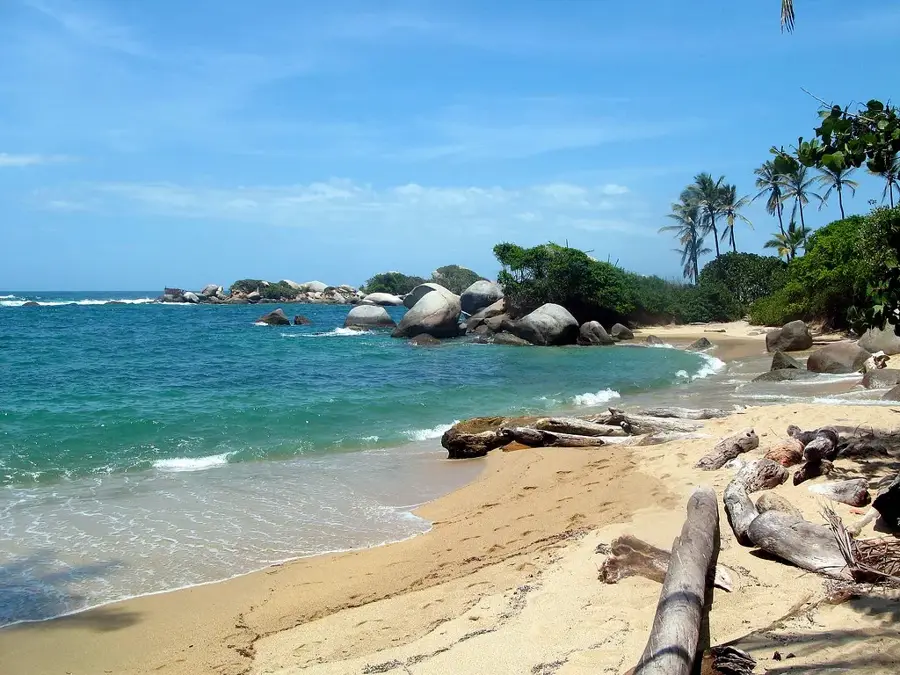
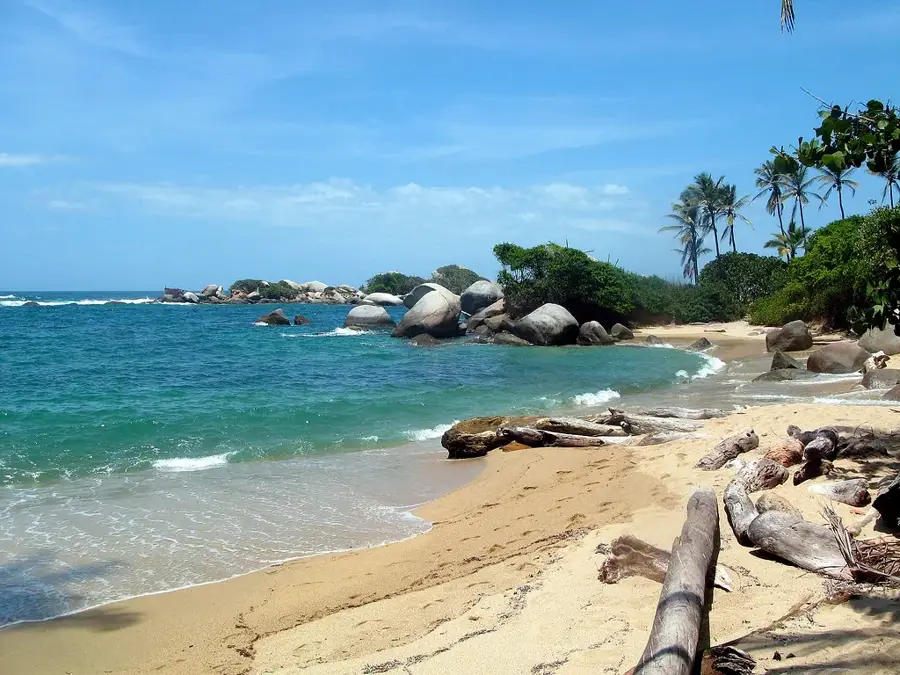
Combine a visit to the port with exploring Santa Marta's colonial old town and the nearby Tayrona National Natural Park. The city's beaches and the Sierra Nevada mountains offer a rich cultural and natural contrast.

Geography

Coordinates
11.24610, -74.21730

Facts

  • Deepest natural port in Colombia, reaching depths of 60 feet.
  • Established in 1525, coinciding with the city's founding.
  • Key port for the international export of bananas and coal.
  • Features a direct-to-ship enclosed conveyor system for coal.
  • Only port on the Caribbean coast with an active rail link.
  • Managed by the Sociedad Portuaria de Santa Marta corporation.

Explore nearby

Notable places around

Route planner — Car & Motorhome

Where do you start? We build the route here, with stops and country notes along the way.

Vehicle
Only stops with (optional):

© OpenStreetMap contributors · OpenRouteService

Sights in the town Port of Santa Marta (6)

Punta Grande🎡 recreation

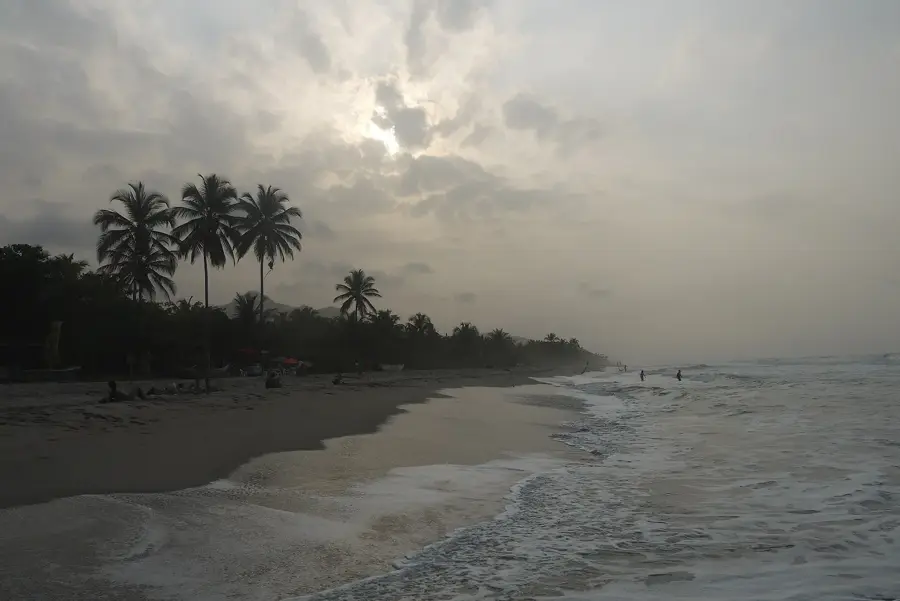
A quiet coastal stretch on the outskirts of Santa Marta, characterized by dark sand and rocks.

Casa de la Aduana🏺 historical

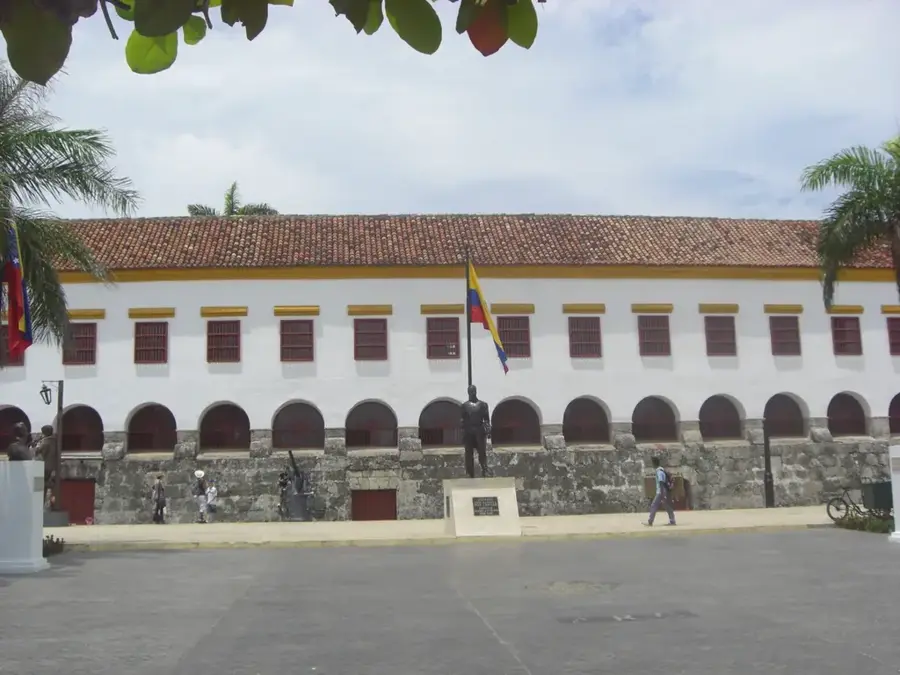
The oldest building in the city, now housing archaeological finds from the indigenous Tayrona culture.

Caribe colombiano diving📍 landmark

A diving center in Santa Marta offering excursions to the coral reefs of the nearby bays.

Faro Isla El Morro📍 landmark

A historic lighthouse on a small island, marking the entrance to Santa Marta's harbor.

Bahía de Santa Marta📍 landmark

A deep natural bay framed by the Sierra Nevada mountains, often called the most beautiful in South America.

Basílica de Santa Marta⛪ religious

An imposing white 18th-century cathedral that once housed the tomb of Simon Bolivar.

Sights nearby

Frequently asked questions

Why is the Port of Santa Marta important?
It is Colombia's only deep-water port, convenient for large coal and banana ships.
Can you see the loading operations?
From the hills of Taganga or the Santa Marta bay, there is a good overview of the traffic.
What products are primarily loaded here?
Coal is the main export item, followed by bananas and palm oil.
Is the port environmentally friendly?
Modern dust suppression technologies are used during coal loading.
What can you do in the area?
The Tayrona National Park and the historic Quinta de San Pedro Alejandrino are nearby.
Port of Santa Marta: where is it located?
Port of Santa Marta is located in Colombia.
Port of Santa Marta: what is there to see?
Highlights include Punta Grande, Casa de la Aduana, Caribe colombiano diving.
Port of Santa Marta: when is the best time to visit?
The most pleasant time to visit is Jan, Feb, Dec.
Port of Santa Marta: why is it worth visiting?
The Port of Santa Marta is renowned as Colombia's deepest natural harbor on the Caribbean Sea, a feature that provides it with a significant competitive advantage.
View on map → The Top 50 Attractions → OpenStreetMap →
South America
Explore with Plizio Discover more places in South America
More places in Colombia →

Nearby cities

History & landmarks
Nature
More places