Plizio Visual Lab
Santa Marta
ℹ️Practical info — Santa Marta
▾
🌤 Weather — 5 days
📍 Nearby
Sights nearby
💡 Tips
- Choose the Historic Center for colonial charm, or El Rodadero for beach resorts.
- Take the bus from the public market to Tayrona National Park to save on transport costs.
- Taxis don't have meters; always negotiate the fare before getting into the vehicle.
- The Caribbean sun is strong; seek out shade and stay well-hydrated during midday.
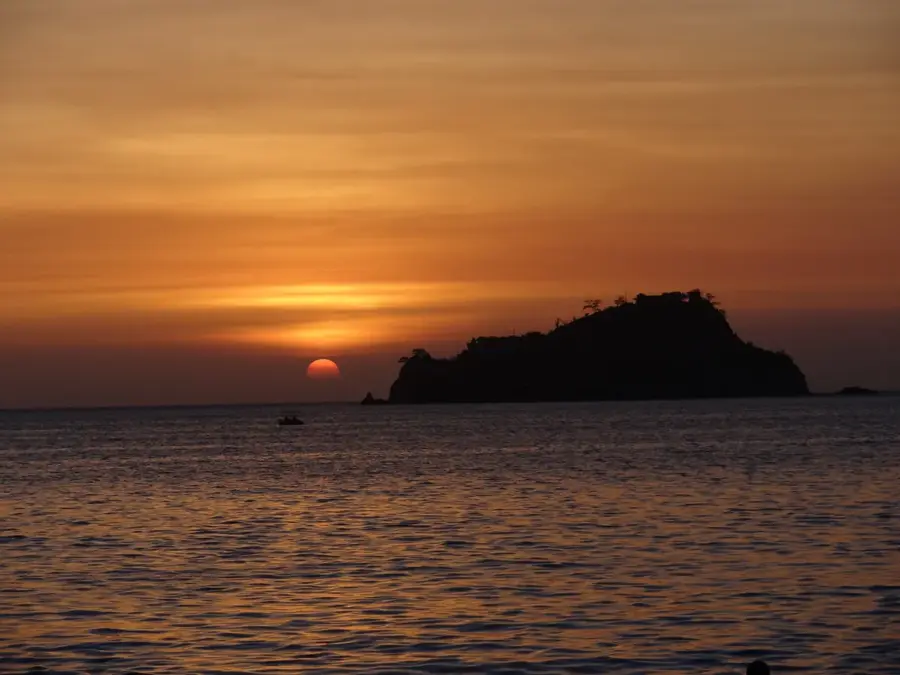
- The sunset at the marina or along the Malecón is a daily highlight.
🍽 Food
Deep-fried cornmeal dough stuffed with an egg, sold at many street food carts.
A rich seafood stew, best enjoyed at a beachfront restaurant in nearby Taganga.
Fresh fruit juices (like lulo or maracuya) sold at stalls around the Parque de los Novios.
🛍 Shopping · 🧘 Quiet spots
The bustling public market is great for fresh produce and an authentic local atmosphere.
Traditionally woven bags by the indigenous people of the Sierra Nevada, available in artisan shops downtown.
A historic estate featuring expansive and quiet botanical gardens.
Take a peaceful stroll along the waterfront promenade away from the busy port area.
Water temperature…
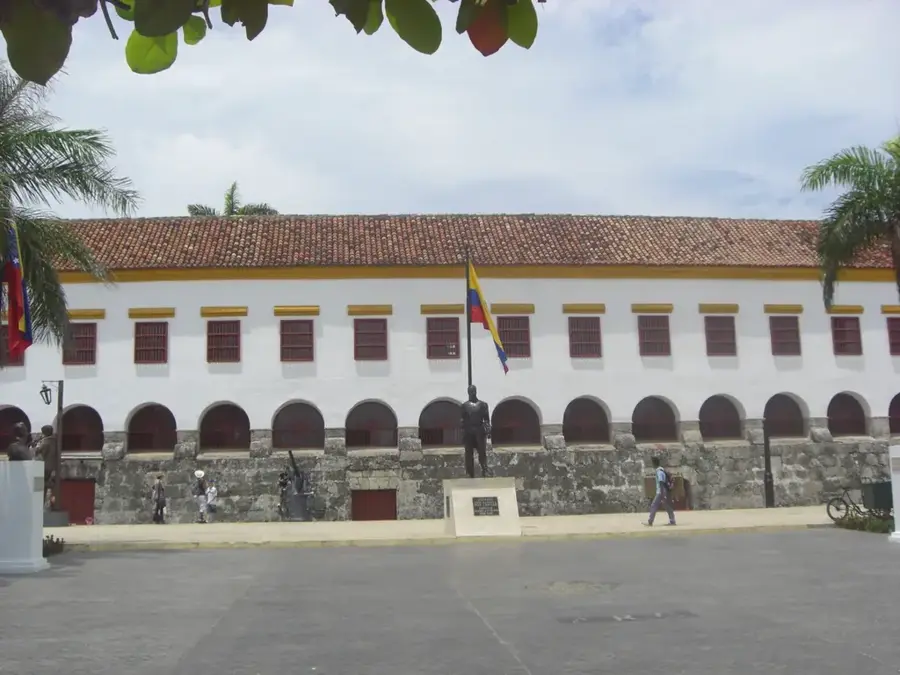
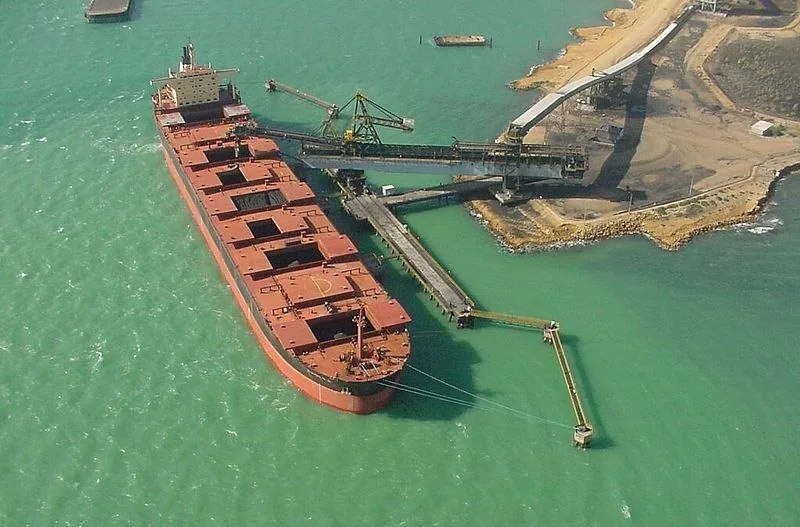
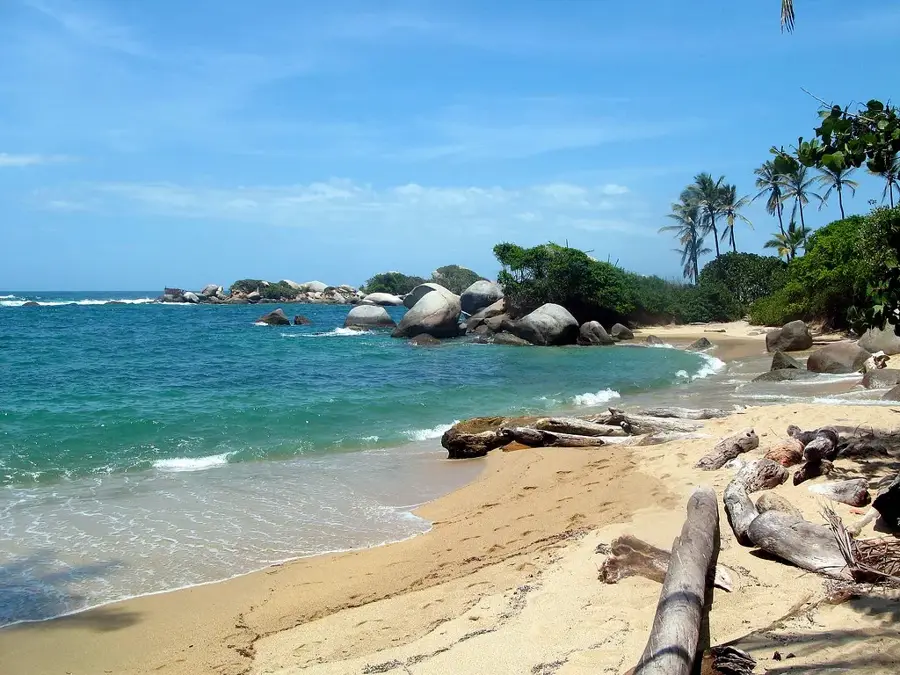
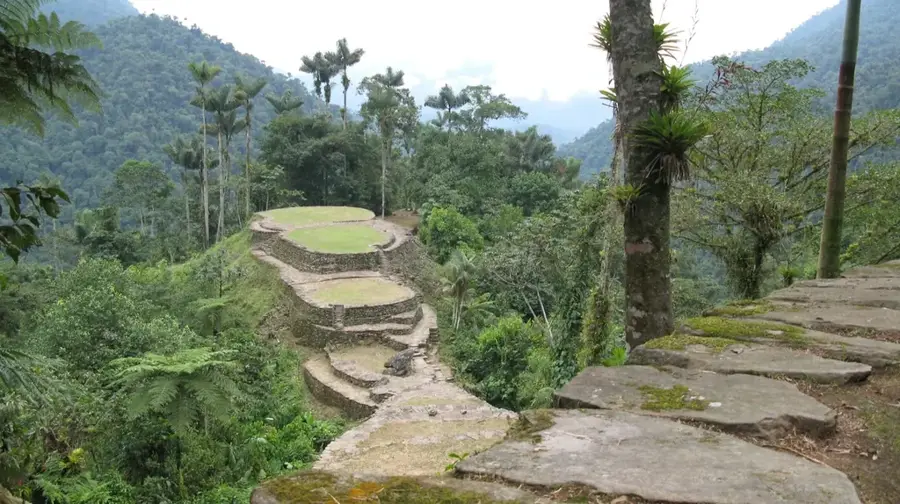
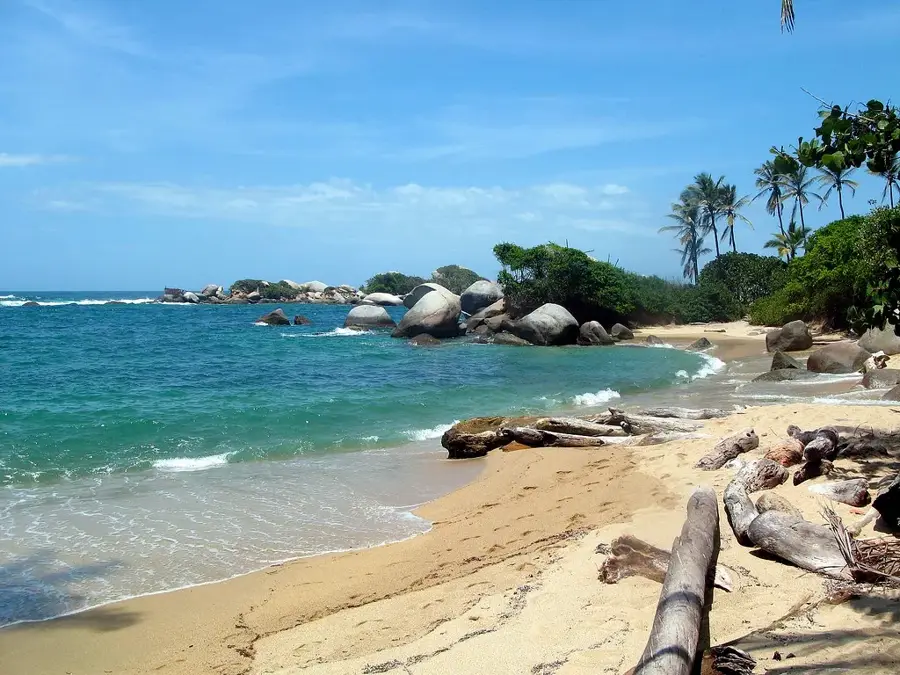
Santa Marta, the capital of the Magdalena Department, is widely recognized as the oldest surviving Spanish-founded city in Colombia, established on July 29, 1525, by Rodrigo de Bastidas. Tucked away between the Caribbean Sea and the foothills of the Sierra Nevada de Santa Marta, the city enjoys a dramatic setting where the highest coastal mountain range in the world plunges into turquoise waters. This unique geography provides a range of microclimates and ecosystems, from arid beaches to snowy peaks just miles apart. Historically, Santa Marta is of paramount importance as the final resting place of Simon Bolivar, the liberator of several South American nations, who passed away in 1830 at the Quinta de San Pedro Alejandrino. The city's economy is powered by its international deep-water port, one of the few in the region capable of handling large-scale coal and fruit exports, and a thriving tourism industry. Santa Marta serves as the main gateway to the Tayrona National Natural Park, famous for its biodiverse jungles and pristine coves, as well as the 'Lost City' (Ciudad Perdida) trek, an ancient Tairona archaeological site. The colonial heart of the city has undergone significant revitalization, with its white-washed Cathedral and the Parque de los Novios becoming social centers filled with Caribbean music and gastronomy. Modern Santa Marta is a growing urban center with a population exceeding half a million, hosting the University of Magdalena and numerous commercial developments. Despite its modernization, the city remains deeply connected to the indigenous groups of the Sierra Nevada, such as the Kogi and Arhuaco, who advocate for the environmental protection of their ancestral lands. Challenges such as seasonal water scarcity and coastal erosion are key focuses for local urban planning. Culturally, the city is a bastion of Caribbean identity, celebrated through festivals, sea-based sports, and a cuisine rich in fried fish and plantains. Santa Marta continues to be a top destination for both domestic and international travelers seeking a blend of deep history, spirited culture, and unparalleled natural beauty.
- Location: Colombia
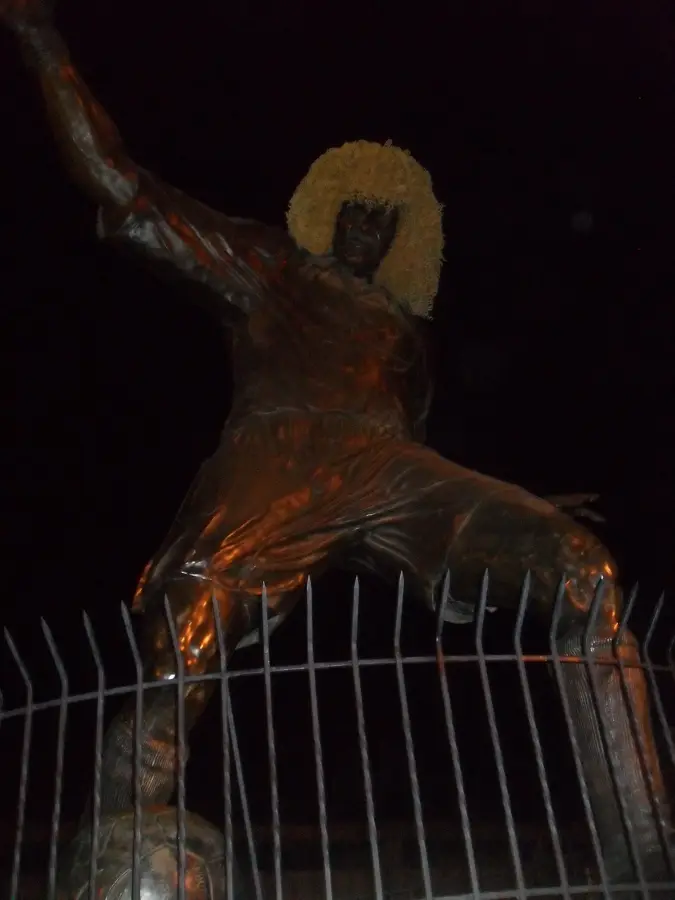
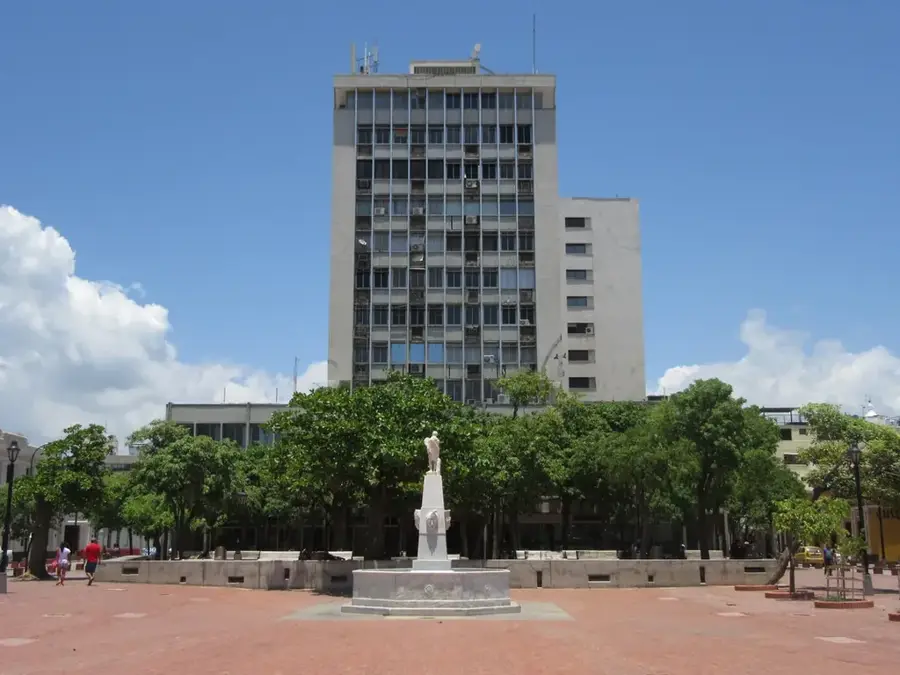
- Top sights: Mirador de Taganga · Monumento Carlos "El Pibe" Valderrama · Playa Sisiguaca
- Nearby: Tayrona (4 km)
- Population: ~499.192 (2026)
Best time to visit & climate
The most pleasant time to visit is Jan, Feb, Dec.
| Jan | Feb | Mar | Apr | May | Jun | Jul | Aug | Sep | Oct | Nov | Dec | |
|---|---|---|---|---|---|---|---|---|---|---|---|---|
| Avg °C | 21 | 22 | 22 | 23 | 23 | 23 | 23 | 23 | 22 | 22 | 21 | 21 |
| Rain mm | 3 | 3 | 11 | 34 | 109 | 78 | 63 | 84 | 110 | 170 | 97 | 29 |
Geography
Facts
- Santa Marta was founded in 1525 by Rodrigo de Bastidas.
- It is the second oldest city in South America.
- The city is located at the foot of the world's highest coastal range.
- The Cathedral is the final resting place of the city's founder.
- The 'Lost City' trek takes 4-5 days starting from the area.
- Santa Marta has a population of over 530,000 residents.
- The port is a major hub for the Colombian banana industry.
- The nearby Sierra Nevada was declared a UNESCO Biosphere Reserve.
Explore nearby
Notable places around
Route planner — Car & Motorhome
Where do you start? We build the route here, with stops and country notes along the way.
© OpenStreetMap contributors · OpenRouteService
Sights in the town Santa Marta (13)
Frequently asked questions
Why is Santa Marta historically important?
How do you get to Tayrona Park?
What is the Quinta de San Pedro Alejandrino?
Is the water warm in Santa Marta?
What is Rodadero?
Santa Marta: where is it located?
Santa Marta: what is there to see?
Santa Marta: when is the best time to visit?
Santa Marta: why is it worth visiting?
Nearby cities
History & landmarks

Nature
More places