Plizio Visual Lab
Caldera
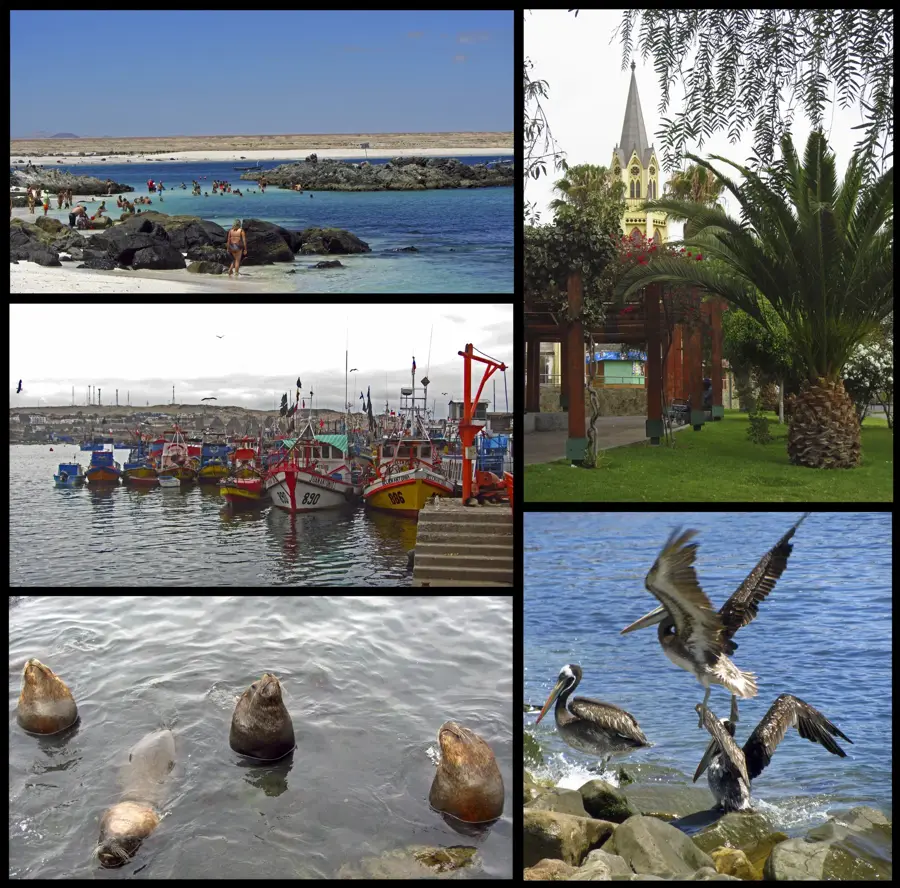
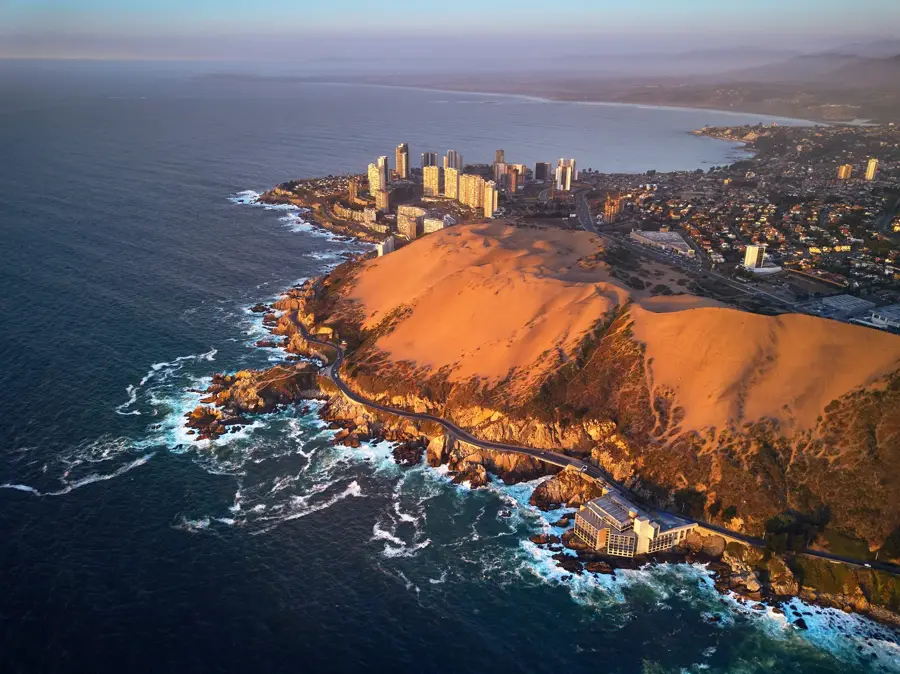
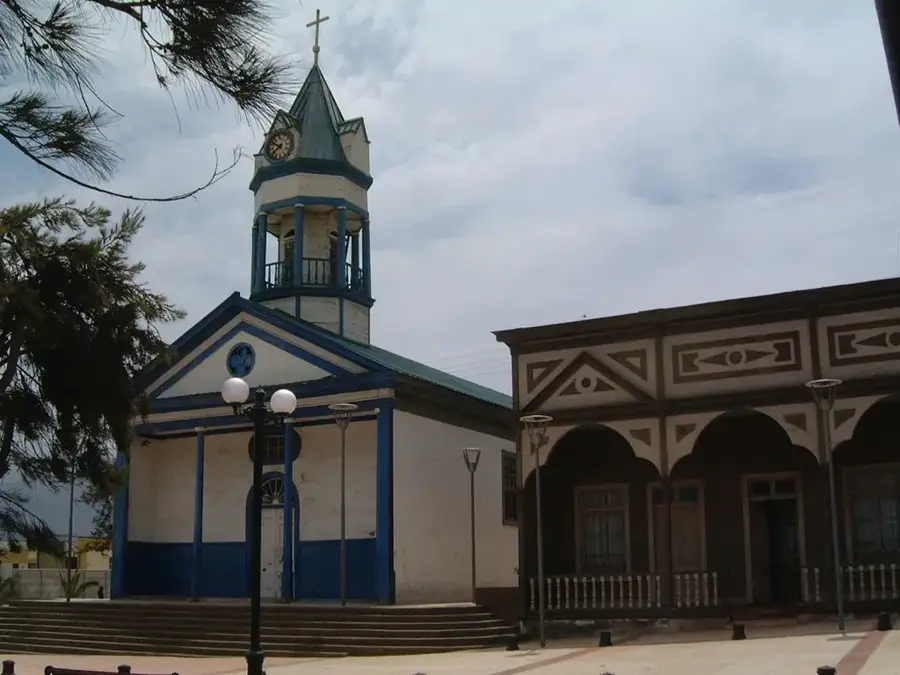
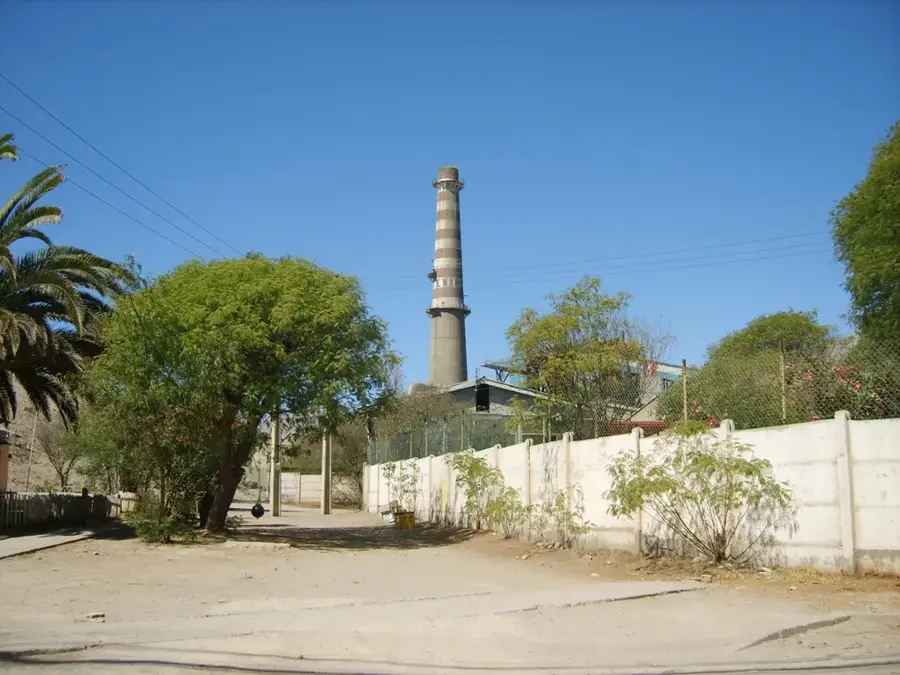
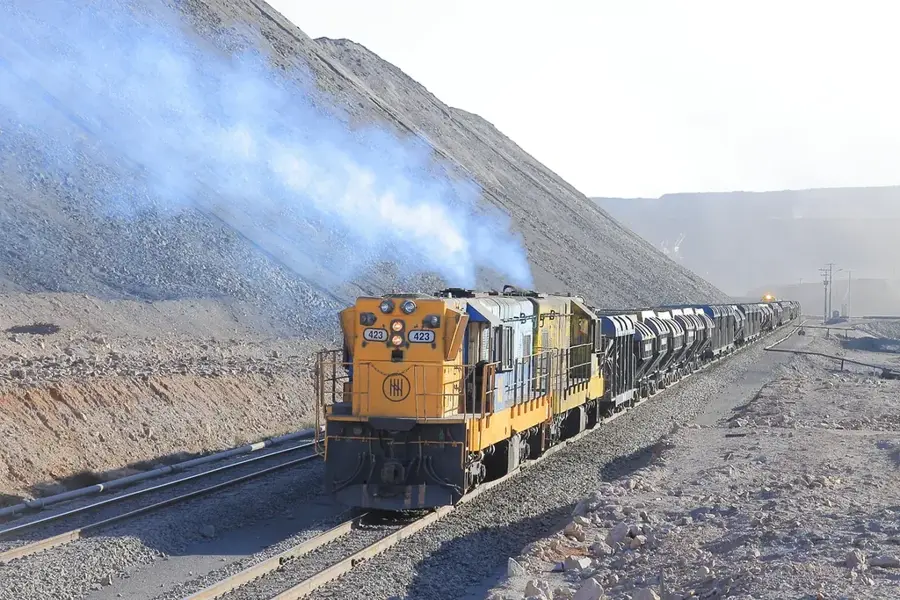
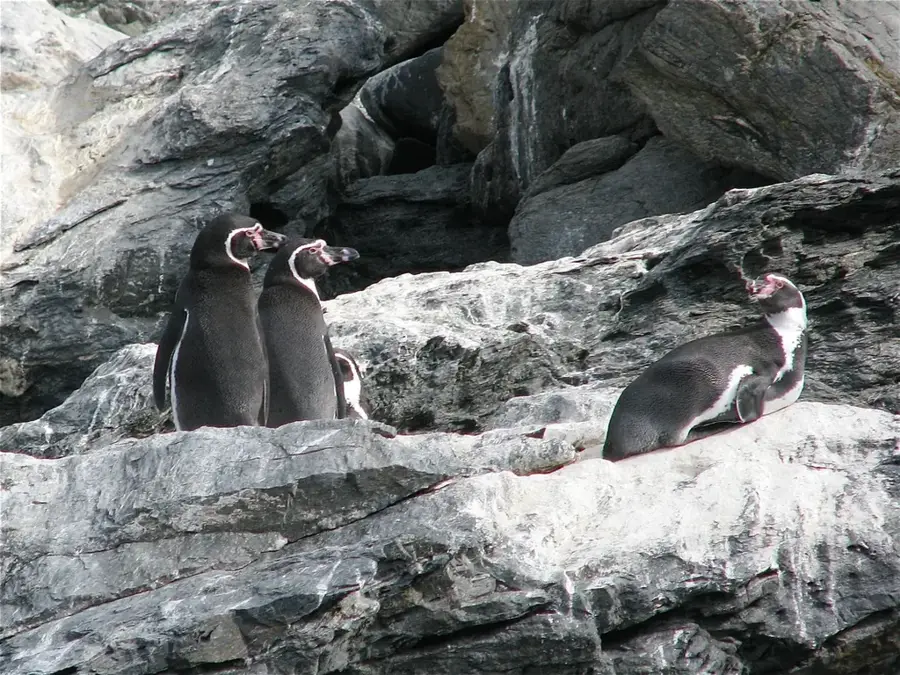
Caldera was established in 1850 to serve as the export port for the booming silver mining industry at Chañarcillo. In 1851, the first railway in Chile departed from here to Copiapó. The town preserves its 19th-century wooden architecture, notably the San Vicente de Paul church, which was built entirely with imported European timber. The coastal waters around Caldera are rich in marine life. The local market located directly on the pier features fresh scallops (ostiones), sea urchins, and various Pacific fish species. Just north of the city lies the Cerro Ballena site, where dozens of intact ancient whale fossils were discovered during highway construction. Access is straightforward via the Pan-American Highway or flights to the nearby Desierto de Atacama Airport. The climate is extremely arid but heavily moderated by the cold Humboldt Current, keeping coastal temperatures mild year-round. Summer (January and February) is the busiest period for tourism.
- Location: Chile
- Top sights: Mirador Bellavista · Museo Casa Tornini · Museo Paleontológico de Caldera
- Nearby: Bahía Inglesa (6 km)
- Population: ~16.150 (2025)
Geography
Facts
- Founded in 1850
- Hosted Chile's first railway in 1851
- Historic silver mining port
- Located in the Atacama region
- Features 19th-century wooden architecture
- Cerro Ballena fossil site nearby
- Known for fresh scallop production
- 75 km from Copiapó
Explore nearby
Notable places around
Route planner — Car & Motorhome
Where do you start? We build the route here, with stops and country notes along the way.
© OpenStreetMap contributors · OpenRouteService
Sights in the town Caldera (16)
Frequently asked questions
Caldera: where is it located?
Caldera: what is there to see?
Caldera: why is it worth visiting?
Nearby cities