Plizio Visual Lab

Pan de Azúcar National Park
Plizio editorial teamData Sources
Animal habitat
—°6
Pan de Azúcar National Park (Chile)

Weather…

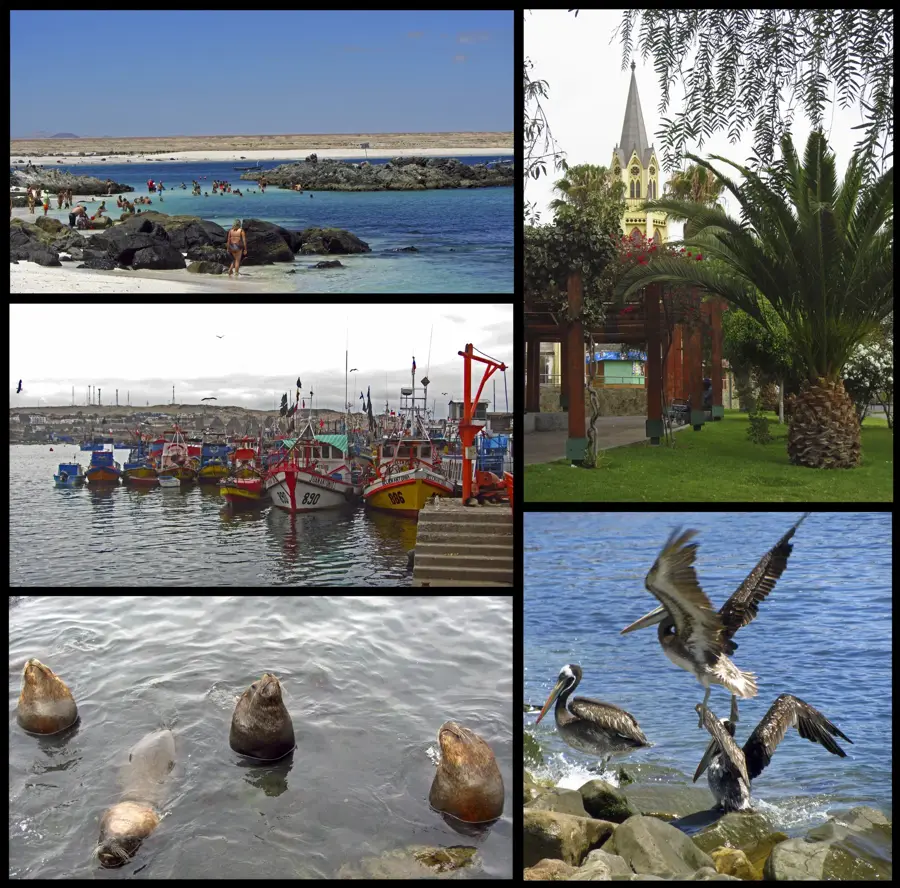
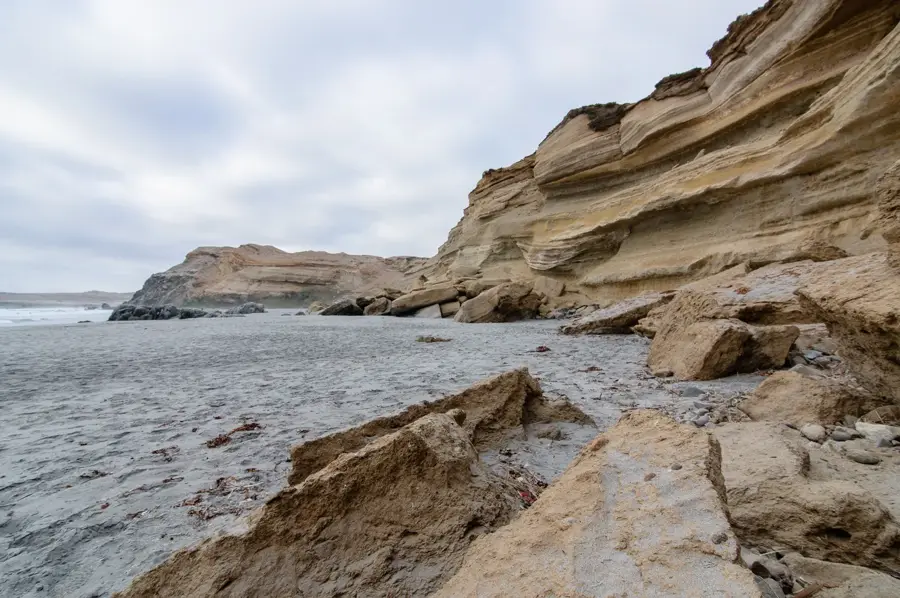
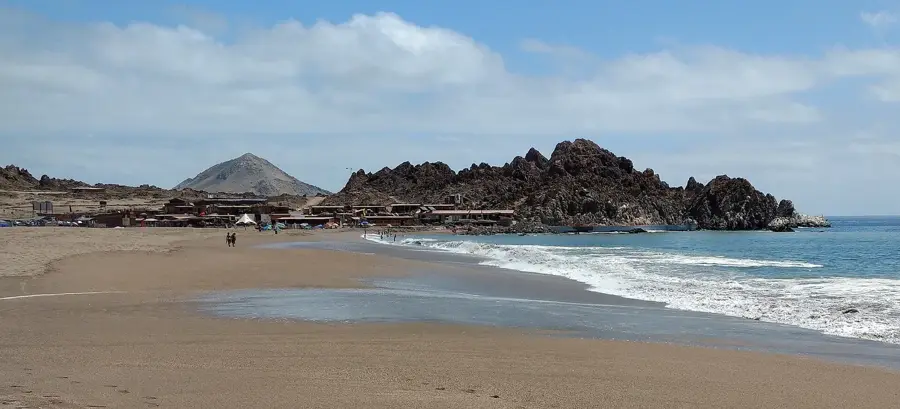
Pan de Azúcar National Park is located on the coast of the Antofagasta and Atacama regions in northern Chile and covers an area of approximately 43,700 hectares. The geography of the park is characterized by a narrow coastal strip, steep cliffs, and the offshore Pan de Azúcar Island. The climate is extremely arid, with the survival of flora and fauna largely depending on the Camanchaca, a dense coastal fog that rolls in from the Pacific. This fog enables the growth of over 20 species of cacti, including the endemic Copiapoa, as well as various lichens and shrubs. Historically, the area was used by the Changos, a people of sea nomads, as fishing grounds, as evidenced by archaeological sites. In terms of wildlife, besides the Humboldt penguin colony on the island, guanacos, desert foxes, and numerous coastal birds are present. The park is an important example of protecting the desert ecosystem and combines geological features with specialized biological diversity.

Best time to visit & climate

The most pleasant time to visit is Jan–Mar.

JanFebMarAprMayJunJulAugSepOctNovDec
Avg °C202019171514131314151618
Rain mm010112320101

📋 Practical info

📅
Best season
The best season for Pan de Azúcar National Park is spring (September to November) and autumn, when mild temperatures and coastal fog benefit wildlife. Summer heat can hinder observation, so the transitional seasons are convenient for trips.
🌅
Best time of day
Early morning is the best time to observe the unique desert fauna, when the camanchaca fog brings moisture to the animals. Dusk also sees foxes and birds become active, while midday heat drives most species into shade.
📜
Etiquette
Stay on designated paths to avoid damaging the fragile desert crust and habitats. Do not feed or disturb animals, and keep a respectful distance, especially around guanacos and nesting sites.
🎒
What to bring
Pack a good pair of binoculars for birdwatching and spotting foxes in the coastal desert. Sun protection, plenty of water, and a hat are essential, along with sturdy footwear for the rocky trails.
🧭
Getting there
The park is reachable from Chañaral via Route 5 and a gravel access road of about 30 kilometers. A regular car usually suffices, but consider a 4x4 during the rainy season.
🦌
What to expect
Desert animals are adapted to harsh conditions and often shy; spend time near water sources or along the coast. Be patient and watch your surroundings closely - wildlife often appears only after a while.

Geography

Coordinates
-26.15000, -70.65000

Facts

  • The national park was established on October 25, 1985.
  • The highest elevation in the park is about 800 meters above sea level.
  • Over 20 different species of cacti have been identified in the park.
  • Archaeological shell mounds (conchales) prove early settlement by indigenous people.
  • Pan de Azúcar Island is located about 2 kilometers from the coast.
  • The Camanchaca coastal fog occurs mainly in the early morning hours.

Explore nearby

Notable places around
Route planner — Car & Motorhome

Where do you start? We build the route here, with stops and country notes along the way.

Vehicle
Only stops with (optional):

© OpenStreetMap contributors · OpenRouteService

Sights in the town Pan de Azúcar National Park (6)

El Mirador🌿 nature

A high-altitude viewpoint in Pan de Azúcar National Park providing views of the coastal desert and ocean.

Cerro Soldado🌿 nature

A desert mountain peak located within the rugged terrain of Pan de Azúcar National Park.

Parque Nacional Pan de Azúcar🌿 nature

A coastal national park renowned for its arid desert landscapes and colonies of Humboldt penguins.

Playa Piqueros🎡 recreation

A sandy beach located within the protected coastal environment of Pan de Azúcar National Park.

Playa Soldado🎡 recreation

A coastal beach set against the desert backdrop of the Pan de Azúcar National Park.

Playa Blanca🎡 recreation

A pristine white-sand beach set within the natural reserve of Pan de Azúcar.

Sights nearby

Frequently asked questions

What is special about Pan de Azúcar Park?
It combines desert and sea with a unique cactus landscape that lives off the coastal fog (Camanchaca).
Which animals can be spotted there?
Guanacos, desert foxes, and on the offshore island, Humboldt penguins.
Are there beaches in the park?
Yes, Playa Blanca is beautiful for hiking, but the water is often quite cold.
Can you stay overnight in the park?
There are campsites and simple cabins near the Pan de Azúcar bay.
What should you definitely bring?
Plenty of water and sunscreen, as there is little shade and no drinking water sources in the park.
Pan de Azúcar National Park: where is it located?
Pan de Azúcar National Park is located in Chile.
Pan de Azúcar National Park: what is there to see?
Highlights include El Mirador, Cerro Soldado, Parque Nacional Pan de Azúcar.
Pan de Azúcar National Park: when is the best time to visit?
The most pleasant time to visit is Jan, Mar.
Pan de Azúcar National Park: why is it worth visiting?
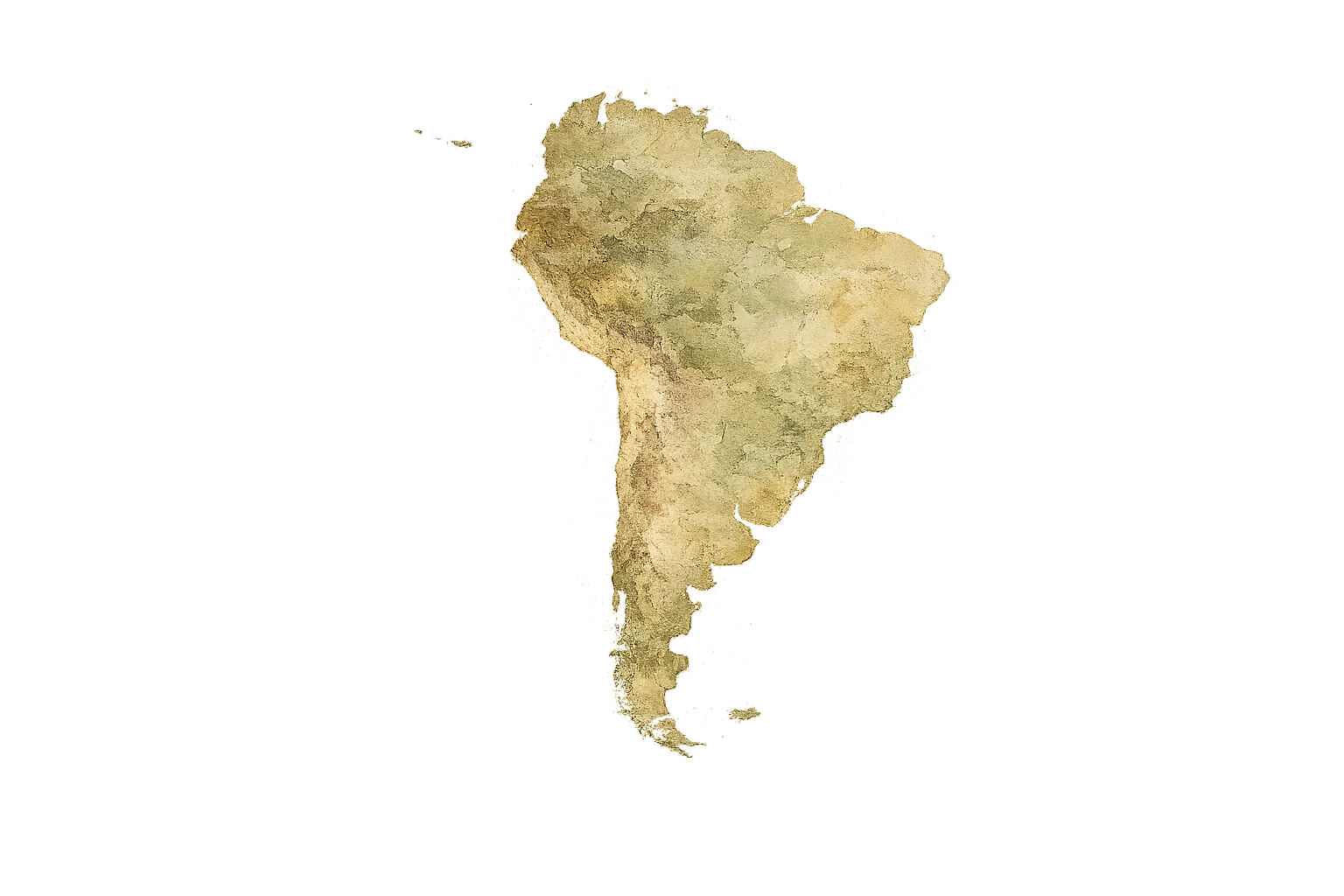
Pan de Azúcar National Park is located on the coast of the Antofagasta and Atacama regions in northern Chile and covers an area of approximately 43,700 hectares.
View on map → The Top 50 Attractions → OpenStreetMap →
South America
Explore with Plizio Discover more places in South America
More places in Chile →

Nearby cities

More places