Plizio Visual Lab
Kyabé

ℹ️Practical info — Kyabé
▾
🌤 Weather — 5 days
📍 Nearby
Sights nearby
💡 Tips
- Travel during the dry season, as dirt roads become largely impassable when it rains.
- Basic French or Sara phrases are essential, as English is rarely spoken.
- Visit the local markets early in the morning for the best selection of goods.
- Be prepared for limited tourist infrastructure and rustic conditions.
- Always ask for permission before taking photographs of locals or their property.
🍽 Food
A staple millet or sorghum porridge served with peanut or okra sauce.
Freshly caught fish from local rivers, often grilled or cooked in stews.
A traditional dish made with okra, tomatoes, and peanut butter, available at small local eateries.
🛍 Shopping · 🧘 Quiet spots
A bustling rural market selling agricultural produce and local textiles.
Look for locally made pottery and woven baskets in the town center.
Take a walk on the outskirts of town to see the fertile lands of the Moyen-Chari.
Find a calm spot along the nearby rivers for a peaceful afternoon.
Water temperature…
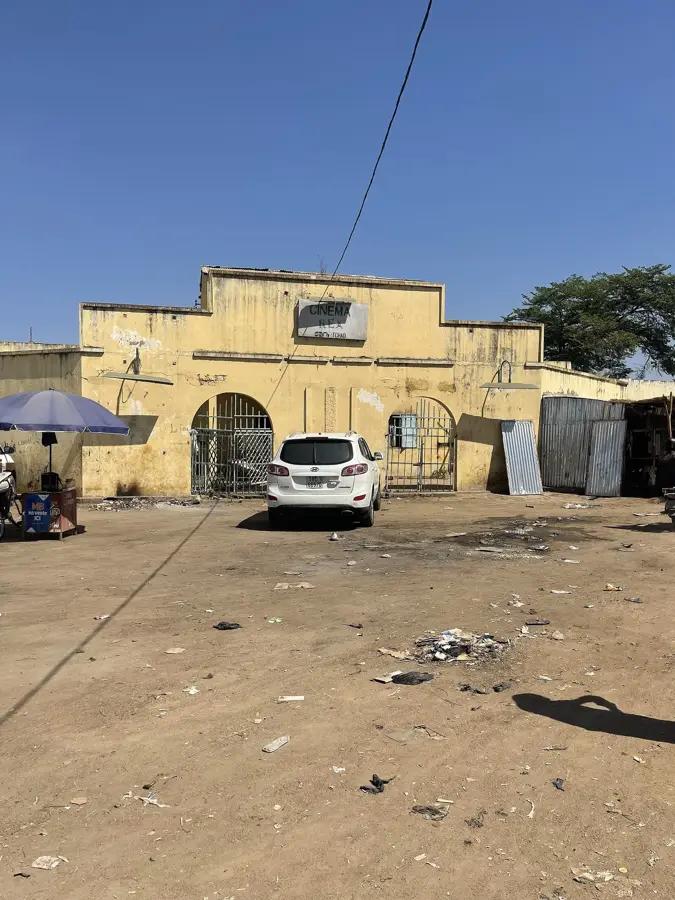
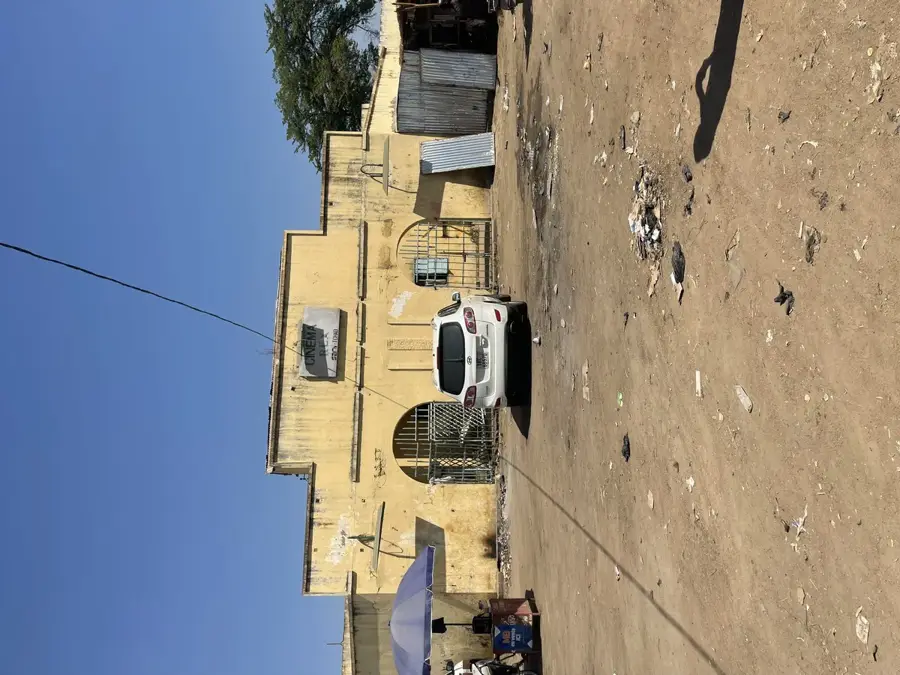
Kyabé is a significant town in southern Chad, belonging to the Moyen-Chari Province. The town is located northeast of Sarh, the country's third-largest city, and is set within a fertile savanna landscape. Kyabé is the cultural center of the Goulay people and plays an essential role in Chad's cotton production, which forms the backbone of the local economy. The region surrounding Kyabé is known for its rich agricultural tradition, producing large quantities of millet, sorghum, and cassava in addition to cotton. Geographically, the area is influenced by the Chari River system, which enhances soil fertility for farming. Culturally, Kyabé is distinguished by its traditional dances and social rites, which are meticulously maintained by the local population. The town serves as the administrative headquarters of the Kyabé sub-prefecture and is a vital commercial hub in the Moyen-Chari region. Recent improvements in local infrastructure, particularly the road connections to Sarh, have further strengthened the town's economic standing in recent years.
- Location: Chad
- Nearby: Sarh (69 km)
- Population: ~22.806 (2023)
Best time to visit & climate
The most pleasant time to visit is Jan, Nov, Dec.
| Jan | Feb | Mar | Apr | May | Jun | Jul | Aug | Sep | Oct | Nov | Dec | |
|---|---|---|---|---|---|---|---|---|---|---|---|---|
| Avg °C | 28 | 31 | 33 | 34 | 31 | 28 | 26 | 25 | 26 | 26 | 27 | 27 |
| Rain mm | 0 | 1 | 6 | 18 | 86 | 161 | 229 | 269 | 196 | 88 | 4 | 0 |
Geography
Facts
- Located in the Moyen-Chari Province in southern Chad.
- Situated northeast of the city of Sarh in a fertile region.
- A key hub for cotton cultivation and processing in Chad.
- Acts as the cultural heartland for the Goulay ethnic group.
- Agriculture includes the production of cassava, millet, and sorghum.
- Serves as the administrative seat for the Kyabé sub-prefecture.
Explore nearby
Notable places around


Route planner — Car & Motorhome
Where do you start? We build the route here, with stops and country notes along the way.
© OpenStreetMap contributors · OpenRouteService
Frequently asked questions
What is Kyabé?
Is a tourist stop worth it?
What is the vegetation like?
What should I keep in mind when traveling?
Are there accommodations there?
Kyabé: where is it located?
Kyabé: when is the best time to visit?
Kyabé: why is it worth visiting?

Nearby cities
History & landmarks
Nature
More places