Plizio Visual Lab

Tiradentes
Plizio editorial teamData Sources
Historical site
—°10
Tiradentes (Brazil)

Weather…

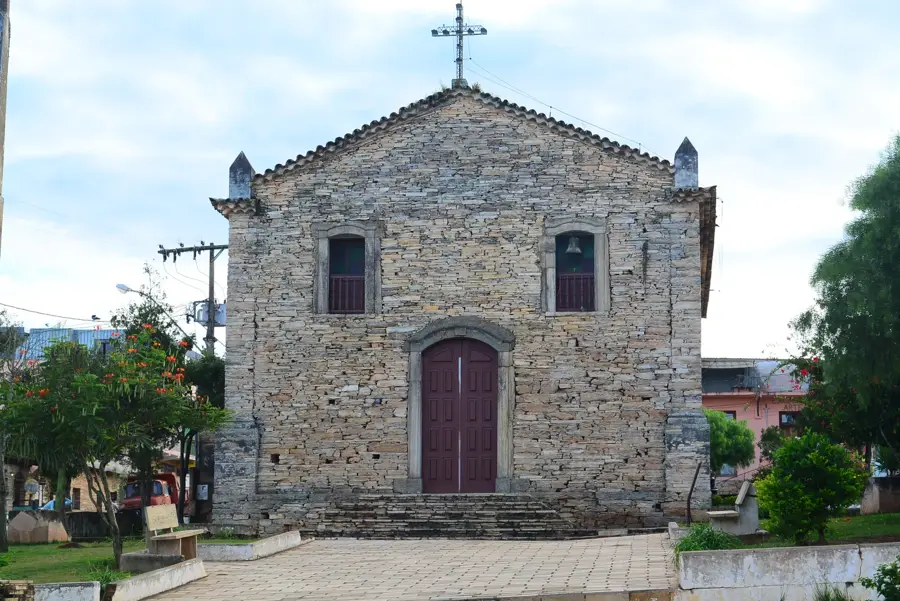
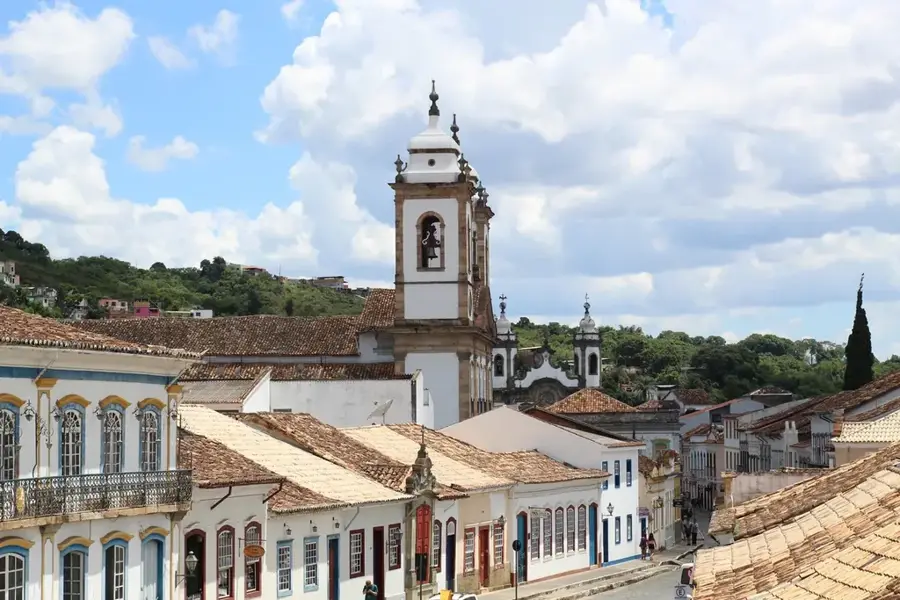
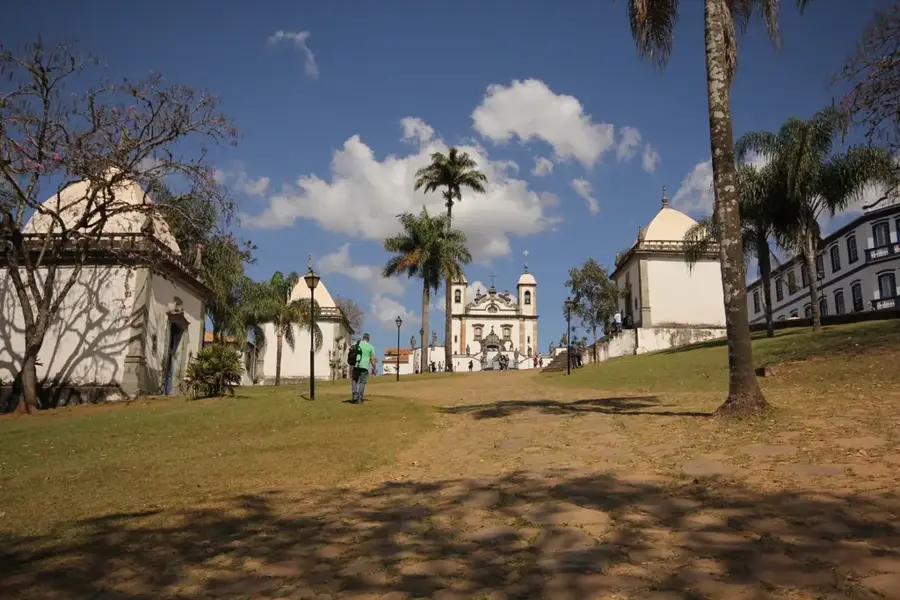
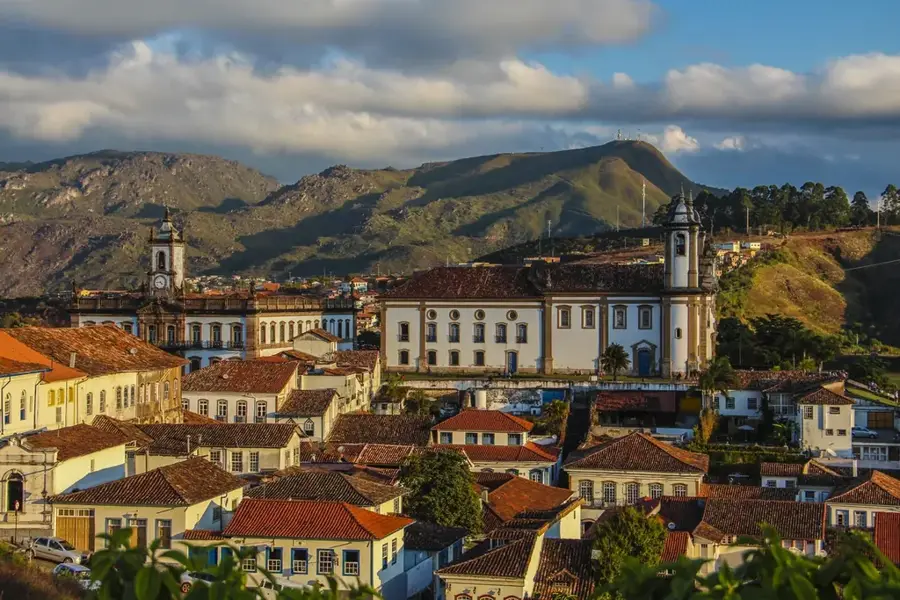
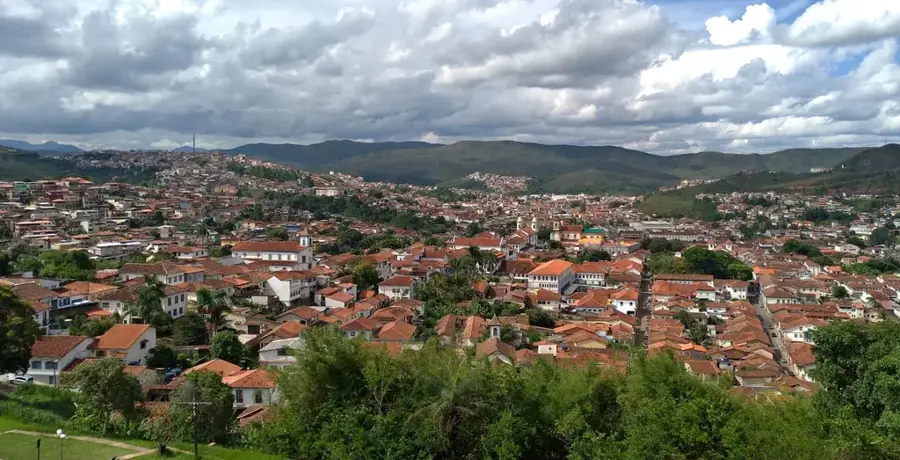
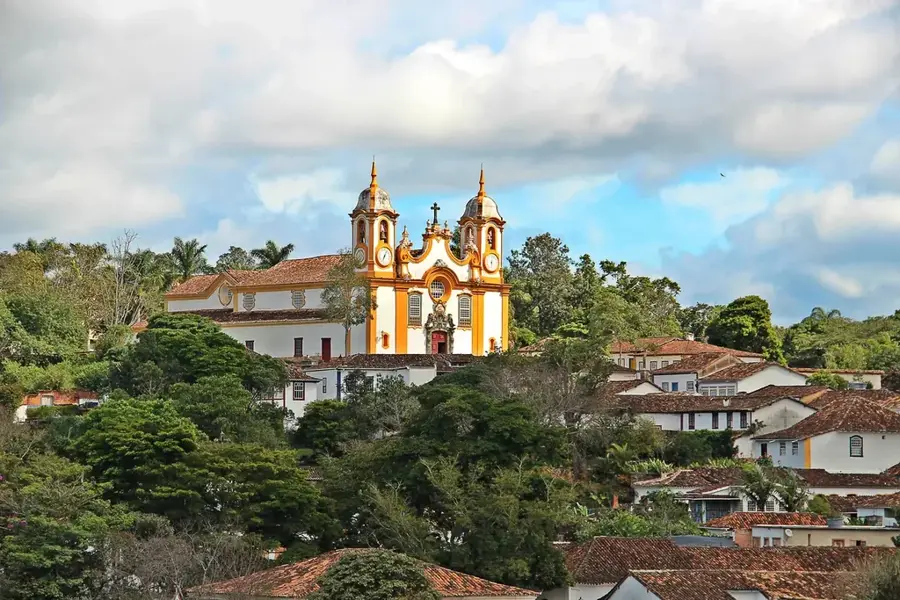
Tiradentes is one of the best-preserved gold-mining towns in the state of Minas Gerais and a national monument of Brazilian history. The settlement was founded in 1702 as Santo Antônio do Rio das Mortes and was later renamed after the independence hero Tiradentes, who was born in the area. The town is distinguished by its magnificent Baroque architecture and its scenic location at the foot of the Serra de São José mountain range. The Matriz de Santo Antônio Church, the town's landmark, features one of the richest interior decorations in Brazil, using over 480 kilograms of gold. Unlike the steep slopes of Ouro Preto, Tiradentes is relatively flat, making it easy to navigate its cobblestone streets on foot. Every year, the town hosts significant cultural events, including the Tiradentes Film Festival and a prestigious gastronomy festival. Strict regulations ensure the preservation of the historical urban fabric, maintaining its colonial charm. A historic steam locomotive, known as the Maria Fumaça, connects Tiradentes to the nearby city of São João del Rei. Today, it is a premier destination for those seeking history, art, and high-quality Brazilian cuisine.

Best time to visit & climate

The most pleasant time to visit is Apr, Aug, Sep.

JanFebMarAprMayJunJulAugSepOctNovDec
Avg °C212121201817171820212121
Rain mm22714616256341711174795201261

📋 Practical info

🚪
Visiting
Tiradentes is a beautifully preserved colonial town with cobblestone streets and baroque churches. The entire town is open to explore on foot. Many historic buildings can be visited, such as the Matriz de Santo Antonio church and the jail museum. There is no entrance fee to the town itself.
🕒
Typical hours
Churches and museums typically open from 9 AM to 5 PM, with some closing for lunch. The town is lively year-round, but exact hours vary. Check at the tourist office for individual opening times. Some sites are closed on Mondays.
📷
Photography
Photography is welcome in the streets and squares. Inside churches, flash photography may be restricted. The colorful colonial architecture and mountain backdrop provide excellent photo opportunities. Early morning light is best for empty streets.
⏱️
Time needed
You can see the main highlights in half a day, but a full day is recommended to soak in the atmosphere. Allow 1-2 hours for the main church and museum. Strolling the streets can take another couple of hours.
Combine with
Tiradentes is near other colonial towns like São João del-Rei and Ouro Preto. You can do a day trip from Belo Horizonte. Also consider the nearby Serra de São José for hiking. The Maria Fumaça steam train connects to São João del-Rei.
🧭
Getting there
Tiradentes is about 3 hours by car from Belo Horizonte. There are also buses from the capital's rodoviária. The town is small and walkable. Parking is available outside the historic center.
💡
Insider tip
Try the local cuisine, especially the Minas cheese and candies. Visit on a Sunday when the town is livelier with markets. If you are into crafts, shop at the artisans' fair near the church.

Geography

Coordinates
-21.11020, -44.17720

Facts

  • Founded in the year 1702 during the gold rush
  • The Matriz church features 480kg of gold ornamentation
  • Renamed in 1889 to honor the national hero
  • Steam train line was inaugurated in 1881 by Pedro II
  • Historic center protected by IPHAN since 1938
  • Birthplace of Joaquim José da Silva Xavier (Tiradentes)

Explore nearby

Notable places around

Route planner — Car & Motorhome

Where do you start? We build the route here, with stops and country notes along the way.

Vehicle
Only stops with (optional):

© OpenStreetMap contributors · OpenRouteService

Sights in the town Tiradentes (10)

Museu do Automóvel da Estrada Real🏛 museum

This museum displays a private collection of over 50 vintage cars from the mid-20th century.

🕒 We-Sa 09:00-18:00

Casa Torta🎭 culture

A whimsical, brightly painted crooked house used as a playful cultural space and theater.

Cachoeira do Mangue📍 landmark

A scenic waterfall with natural rock pools that are handy for swimming.

Moitara Arte Indígena🏛 museum

This gallery is dedicated to the preservation and exhibition of crafts from various Brazilian indigenous tribes.

Museu da Liturgia🏛 museum

This museum displays over 400 sacred colonial-era objects and rare liturgical garments.

🕒 We-Sa 10:00-17:00; Su 10:00-14:00💶

Mirante das Ariquemes🌿 nature

An elevated viewpoint offering panoramic views of the historic town and the São José mountains.

Jardim das Pedras📍 landmark

A sculpture garden featuring artistic stonework and various mineral specimens from the region.

Pedra do Sapo📍 landmark

A distinctive natural granite formation resembling a frog on the mountain trail.

Área de Proteção Ambiental São José🌿 nature

A forested mountain area protected since 1990 to preserve the Atlantic Forest's biodiversity.

Refúgio Estadual de Vida Silvestre Libélulas da Serra de São José🌿 nature

A nature reserve established in 2004, famous for its high diversity of dragonfly species.

Sights nearby

Frequently asked questions

What makes Tiradentes special?
It is one of Brazil's best-preserved colonial towns.
Is there an old railway?
Yes, the Maria Fumaça, a steam train, runs to São João del-Rei.
What is the main church?
The Matriz de Santo Antônio, with its magnificent gold interior.
How is the gastronomic offer?
Excellent; the town is known for high-quality traditional Mineiro cuisine.
When is the famous gastronomy festival held?
Usually in August, attracting foodies from all over the country.
Tiradentes: where is it located?
Tiradentes is located in Brazil.
Tiradentes: what is there to see?
Highlights include Museu do Automóvel da Estrada Real, Casa Torta, Cachoeira do Mangue.
Tiradentes: when is the best time to visit?
The most pleasant time to visit is Apr, Aug, Sep.
Tiradentes: why is it worth visiting?
Tiradentes is one of the best-preserved gold-mining towns in the state of Minas Gerais and a national monument of Brazilian history.
View on map → The Top 50 Attractions → OpenStreetMap →
South America
Explore with Plizio Discover more places in South America
More places in Brazil →

Nearby cities

History & landmarks

More places