Plizio Visual Lab

Sabará
Plizio editorial teamData Sources
Historical site
—°12
Sabará (Brazil)

Weather…

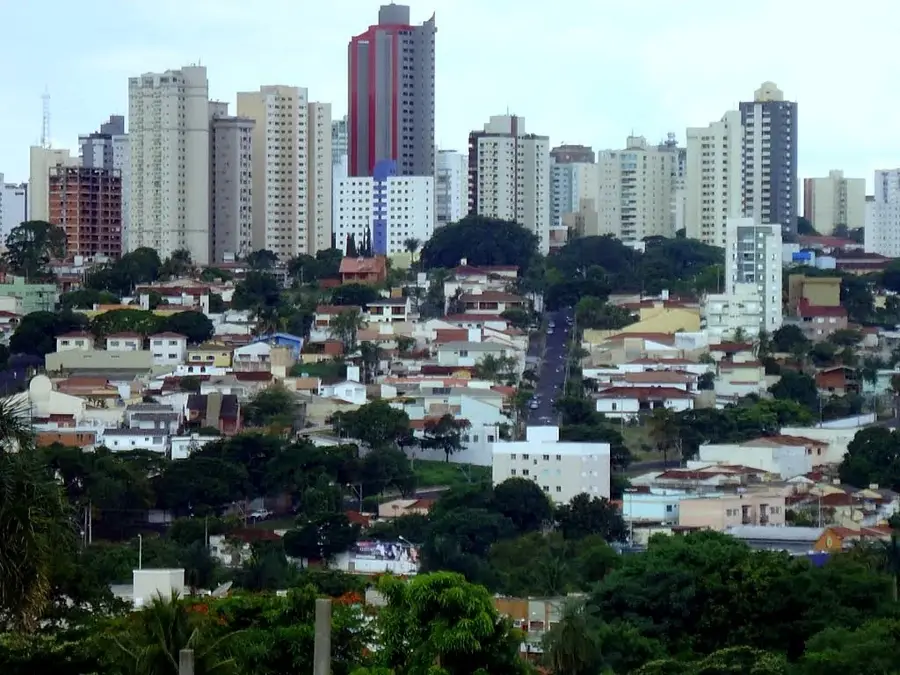
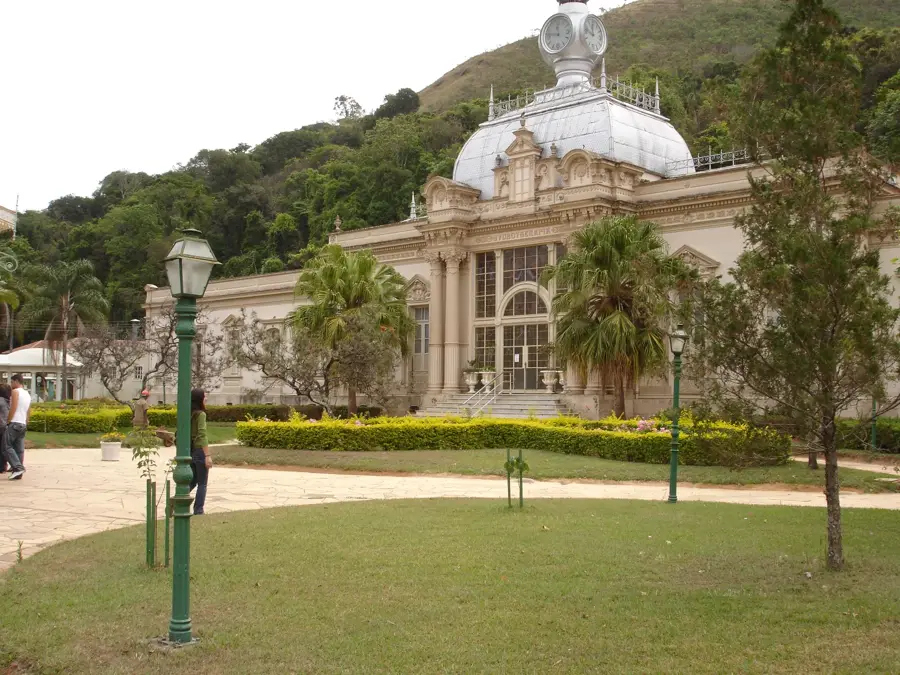
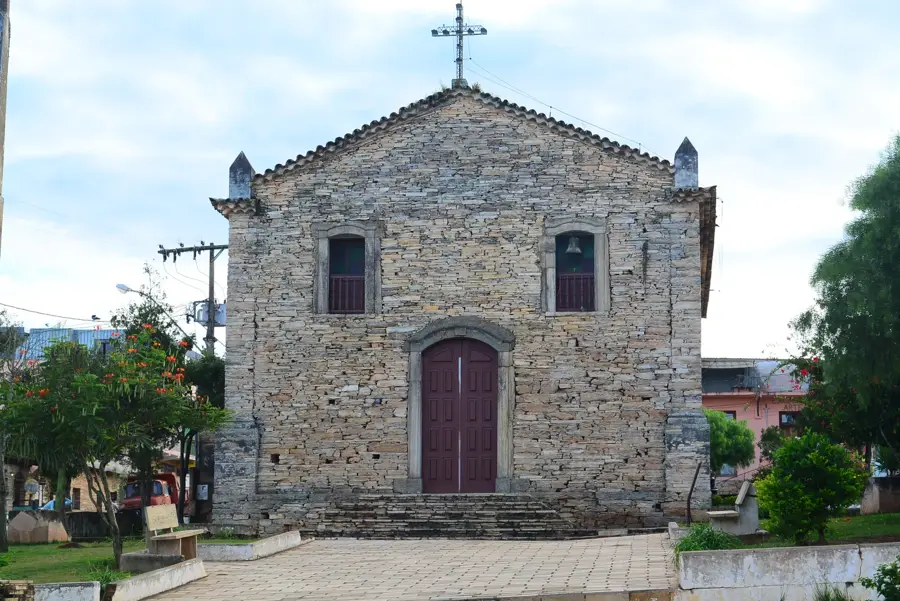
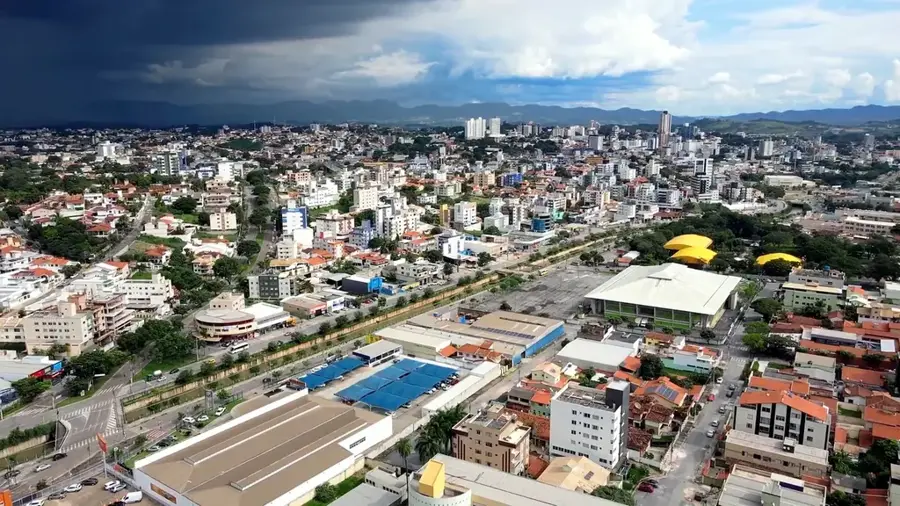
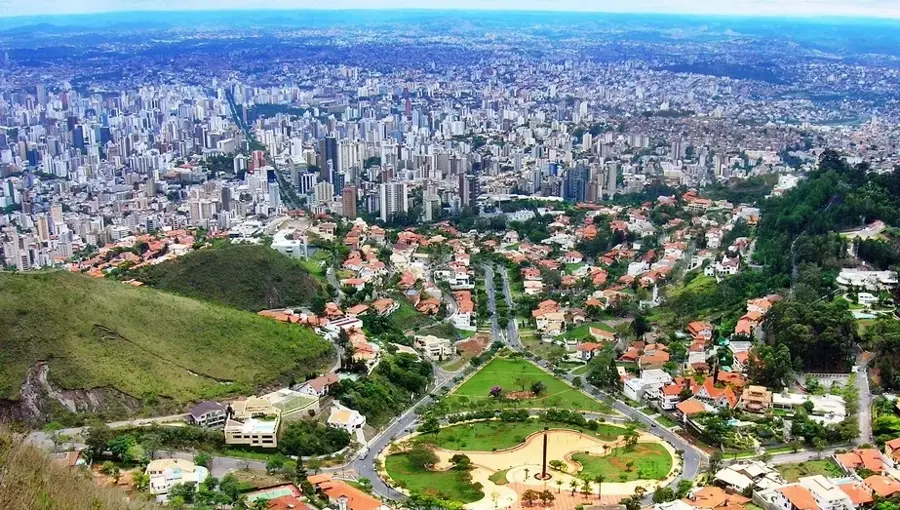
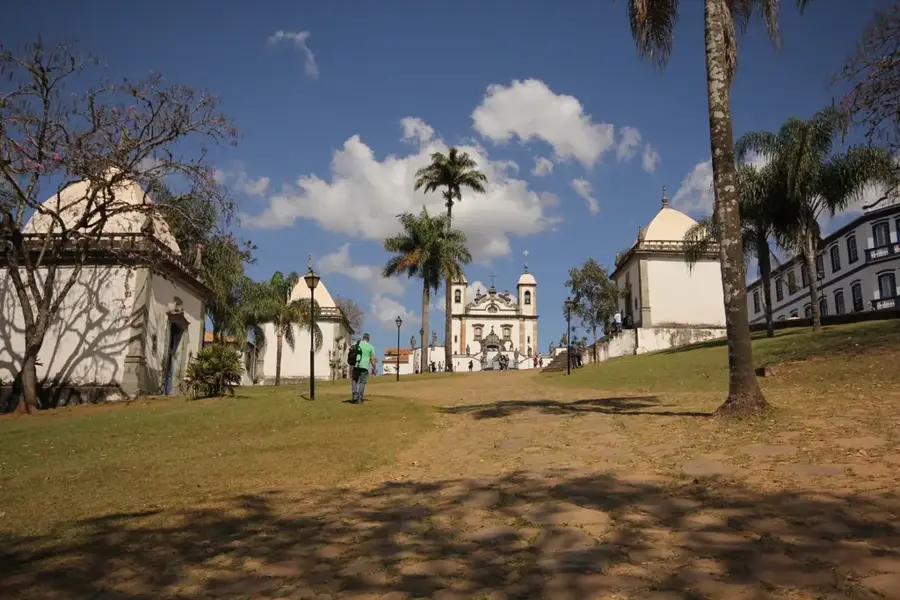
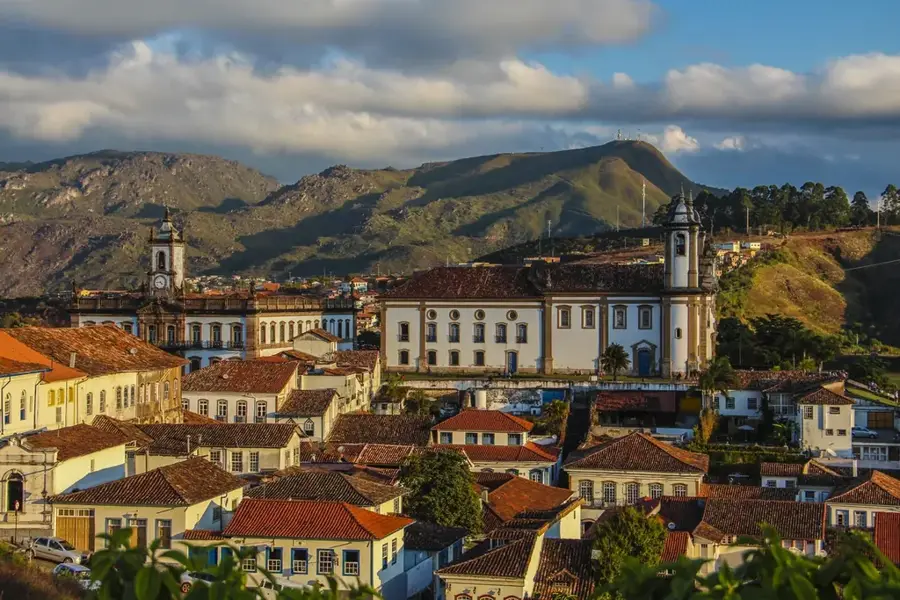
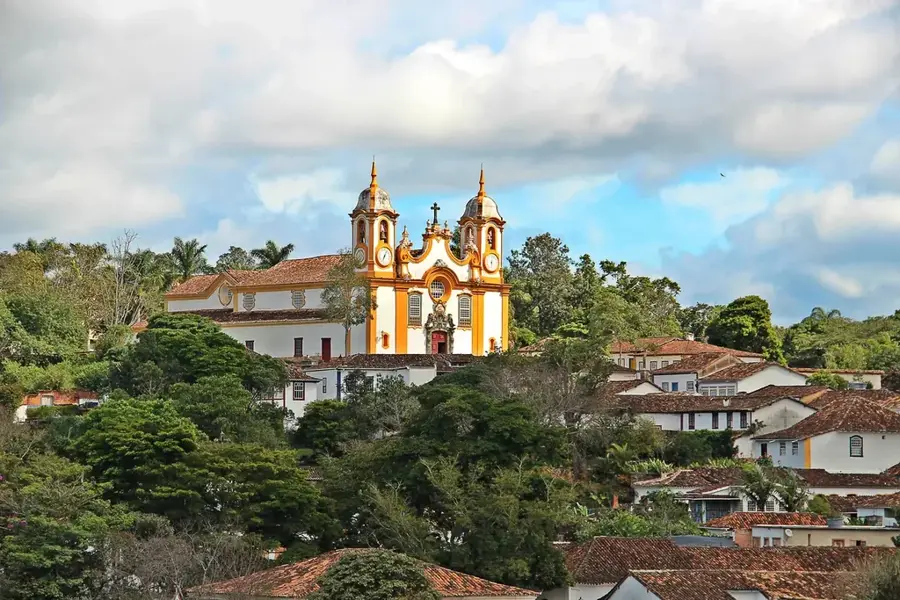
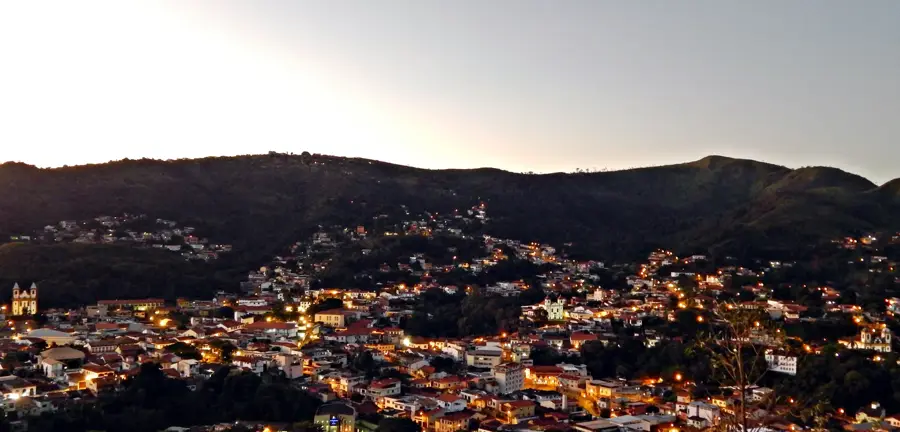
Sabará, located near the modern capital of Belo Horizonte, is one of the most significant 18th-century mining towns in Minas Gerais. Founded at the end of the 17th century by Bandeirantes explorers like Manuel de Borba Gato, it quickly became a prosperous center for gold extraction. In 1711, it was officially incorporated as a town, growing into a key commercial and administrative point for the surrounding mines. The city is renowned for its exceptional collection of Baroque and Rococo churches, which showcase the evolution of Brazilian colonial art. Most notable is the Church of Nossa Senhora do Ó, famous for its intricate 'chinoiserie' decorations reflecting early global trade influences. During the 19th century, as gold reserves dwindled, Sabará transitioned into a pioneer of the Brazilian iron and textile industries. The historic center maintains its colonial integrity with numerous preserved mansions, stone fountains, and public squares. Currently, the city blends its industrial heritage with spirited cultural tourism, hosting famous events like the Jabuticaba Festival and maintaining deep-rooted religious traditions.

Best time to visit & climate

The most pleasant time to visit is Jul–Sep.

JanFebMarAprMayJunJulAugSepOctNovDec
Avg °C222121201818181921222222
Rain mm2231321535327117184288190266

📋 Practical info

🚪
Visiting
Sabará is a historic city near Belo Horizonte, Brazil, known for its Baroque heritage and the Jabuticaba festival. The city can be freely visited, especially the old town with its churches and museums.
🕒
Typical hours
The churches and museums in Sabará are typically open from Tuesday to Sunday during the day, with many closed on Mondays. Exact hours vary by location, so it's wise to check in advance.
📷
Photography
In churches, photography is often allowed without flash to protect sacred artworks. The Baroque facades and cobblestone streets provide excellent opportunities for atmospheric shots.
⏱️
Time needed
A walk through the old town takes about two to three hours, depending on how many churches and museums you visit. For the entire urban ensemble including the Jabuticaba festival, allow half a day.
Combine with
Combine the visit with a trip to Belo Horizonte, only 30 kilometers away, offering many cultural attractions. The historic town of Ouro Preto is also reachable for a day trip.
🧭
Getting there
Sabará lies about 30 kilometers northeast of Belo Horizonte and is accessible by car or bus via the BR-040 highway. Regular bus services from Belo Horizonte take about 40 minutes.
💡
Insider tip
Plan your visit during the Jabuticaba Festival in November to taste local specialties made from this fruit. Visit the Church of Nossa Senhora do Rosário, known for its Baroque gold decoration.

Geography

Coordinates
-19.88630, -43.81300

Facts

  • The settlement was established around 1675 by the explorer Manuel de Borba Gato.
  • The Church of Nossa Senhora do Ó is famous for its rare Baroque decorations with Chinese motifs.
  • Sabará was home to a major Casa de Intendência for taxing and smelting gold.
  • The Municipal Theatre, opened in 1819, is one of the oldest operational theaters in Brazil.
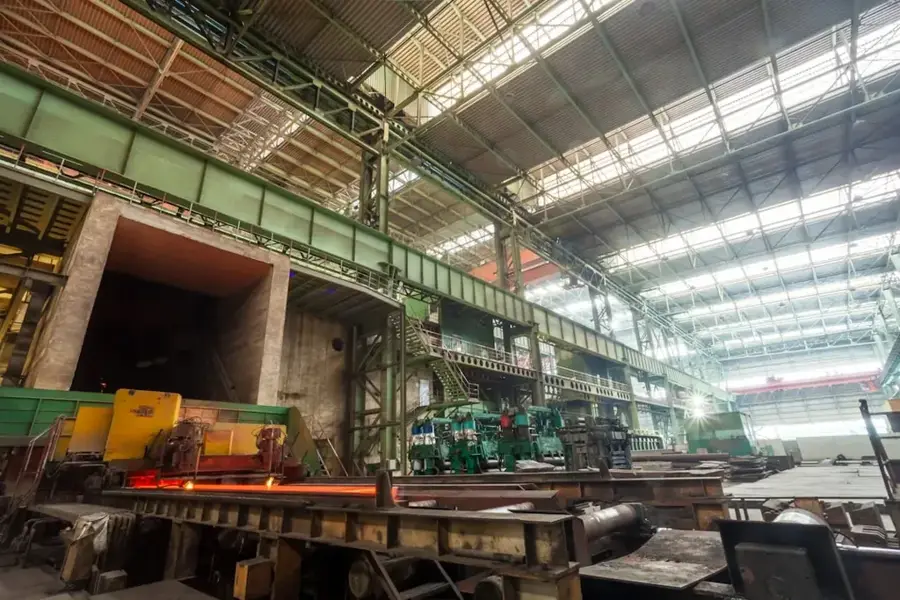
  • In the 19th century, the city became a pioneer in the Brazilian iron smelting industry.
  • Sabará is widely known for its annual Jabuticaba Festival, celebrating the native Brazilian fruit.

Explore nearby

Notable places around

Route planner — Car & Motorhome

Where do you start? We build the route here, with stops and country notes along the way.

Vehicle
Only stops with (optional):

© OpenStreetMap contributors · OpenRouteService

Sights in the town Sabará (12)

Túnel desativado🏺 historical

This abandoned tunnel is a remnant of the ambitious 'Ferrovia do Aço' railway project, which was left unfinished in 1983.

Chafariz do Rosário📍 landmark

Built in 1752, this imposing colonial fountain features ornate soapstone sculpted heads known as 'carrancas'.

Monte do Renovo🌿 nature

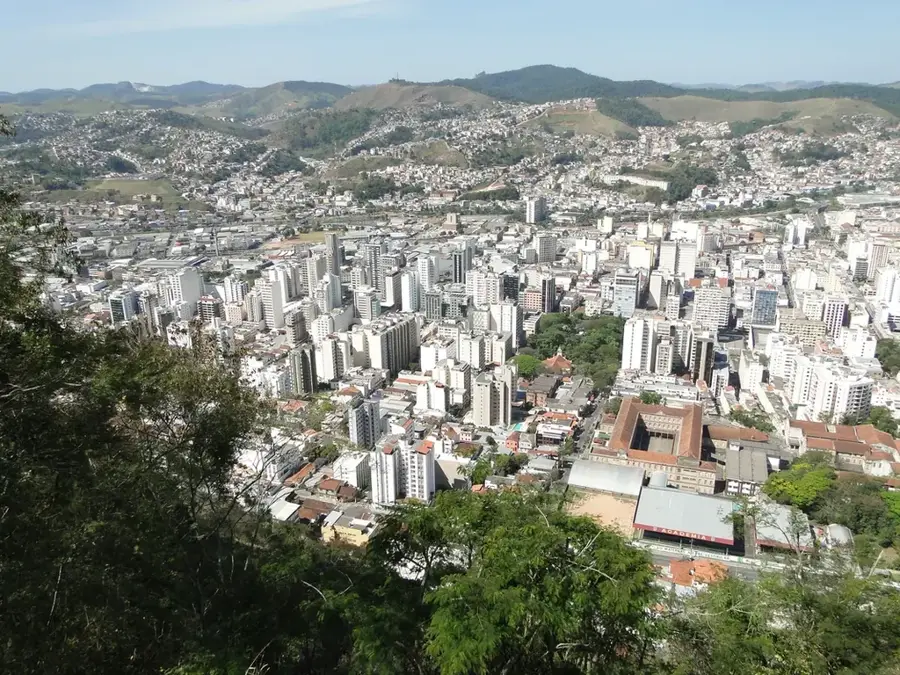
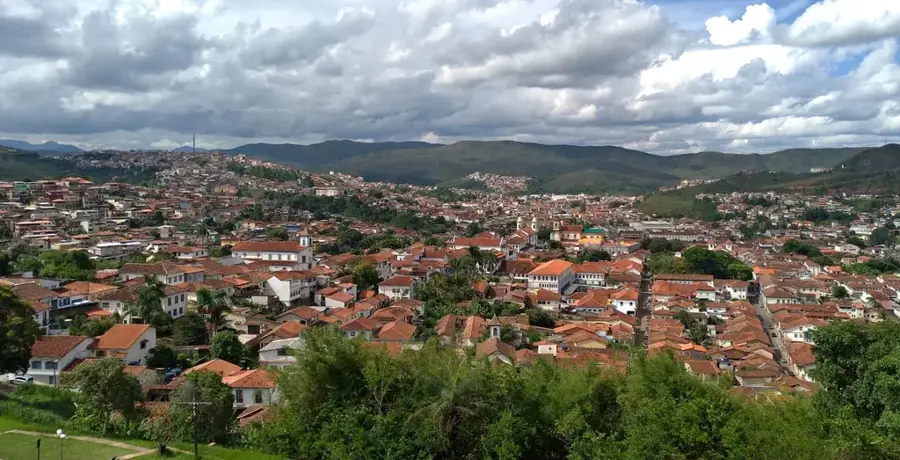
This hilltop pilgrimage site gives a panoramic view of Sabará’s colonial architecture and the surrounding mountains.

Cascata dos Túneis📍 landmark

Small waterfall located near the historic railway tunnels of Sabará.

Mirante🌿 nature

Viewpoint offering a panoramic vista over the colonial churches of Sabará.

Musel do Ouro🏛 museum

Gold museum housed in the 1770 Royal Foundry, displaying mining artifacts.

Igreja de São Francisco de Assis📍 landmark

18th-century church featuring facade sculptures by the master Aleijadinho.

Centro Cultural José Costa Sepúlveda🎭 culture

Cultural center in a historic building hosting local art and music events.

Teatro Municipal de Sabará🎭 culture

1819 theater with a horseshoe-shaped hall and remarkable wooden acoustics.

Igrejas das Merces⛪ religious

18th-century hillside church with a simple facade and views of the valley.

Capela de São Pedro e São Paulo⛪ religious

Modest place of worship with a simple whitewashed colonial facade.

Fonte de água🎡 recreation

Historic stone fountain that formerly served as a public water source.

Sights nearby

Frequently asked questions

What is there to see in Sabará?
Magnificent churches like the Igreja de Nossa Senhora do Ó.
Which fruit is typical for Sabará?
The Jabuticaba; there is even an annual festival for it.
Is Sabará near Belo Horizonte?
Yes, it's part of the metropolitan area, only about 20 km from the center.
What is the Gold Museum?
The Gold Museum documents the gold extraction techniques of the 18th century.
When is the best time to visit?
Weekends are lively; churches are usually open for visitors then.
Sabará: where is it located?
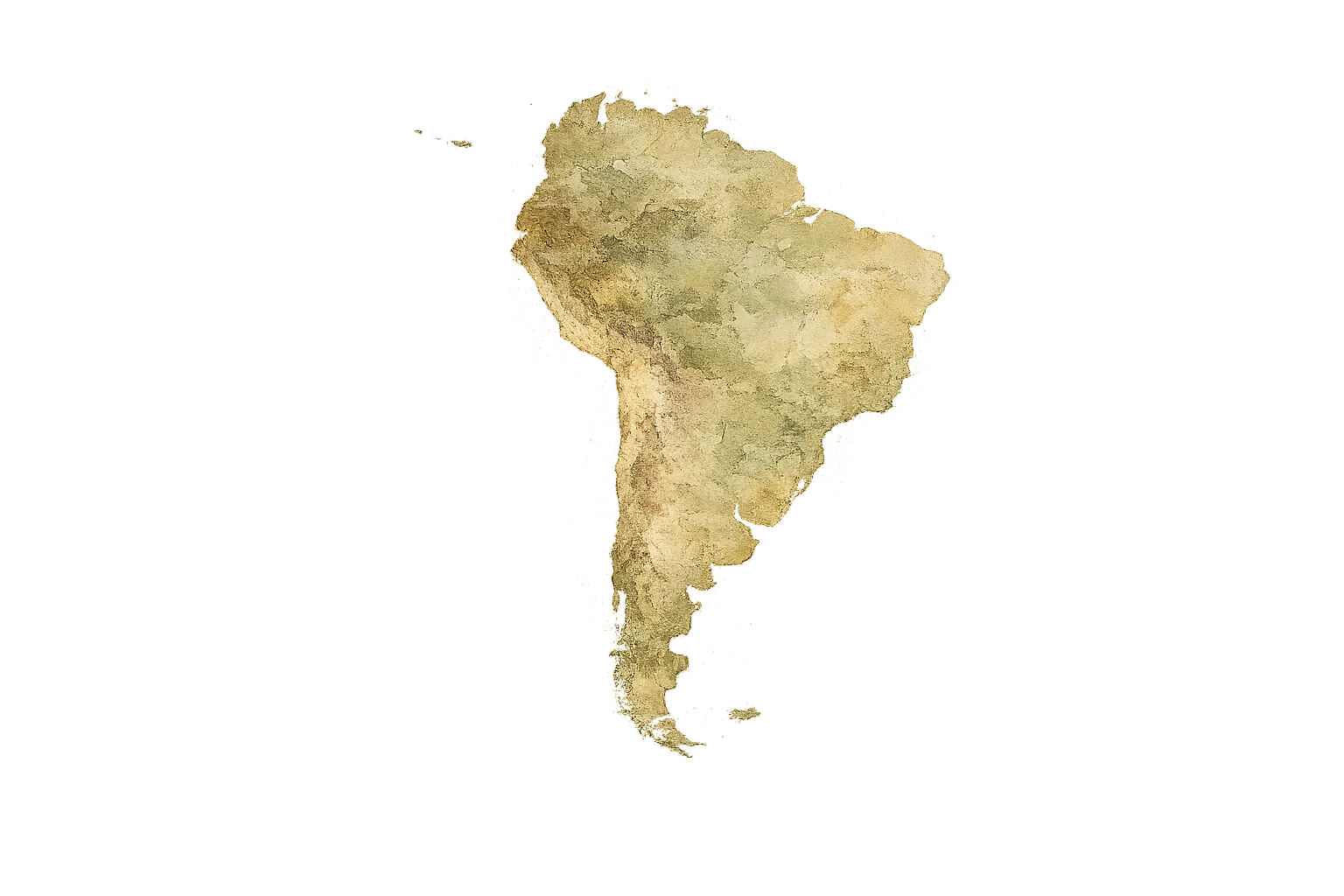
Sabará is located in Brazil.
Sabará: what is there to see?
Highlights include Túnel desativado, Chafariz do Rosário, Monte do Renovo.
Sabará: when is the best time to visit?
The most pleasant time to visit is Jul, Sep.
Sabará: why is it worth visiting?
Sabará, located near the modern capital of Belo Horizonte, is one of the most significant 18th-century mining towns in Minas Gerais.
View on map → The Top 50 Attractions → OpenStreetMap →
South America
Explore with Plizio Discover more places in South America
More places in Brazil →

Nearby cities

History & landmarks

More places