Plizio Visual Lab
Linyanti Swamp
Weather…
Water temperature…
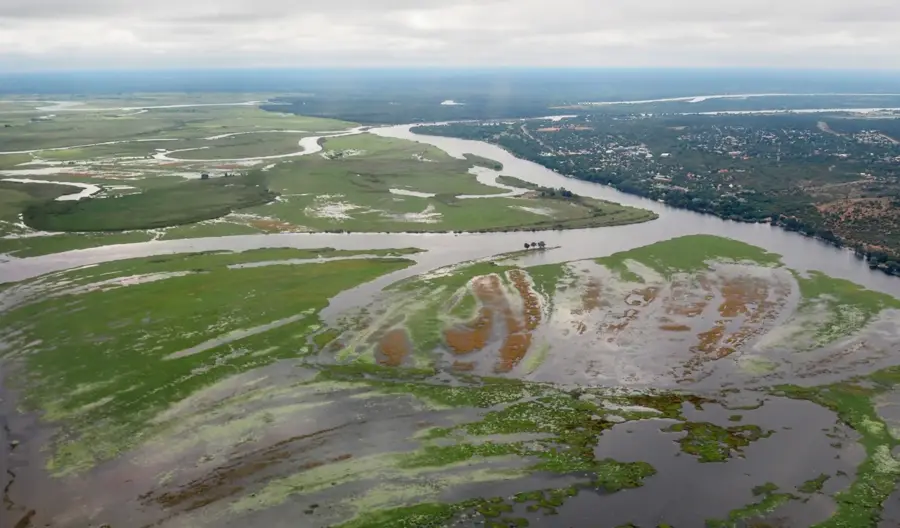
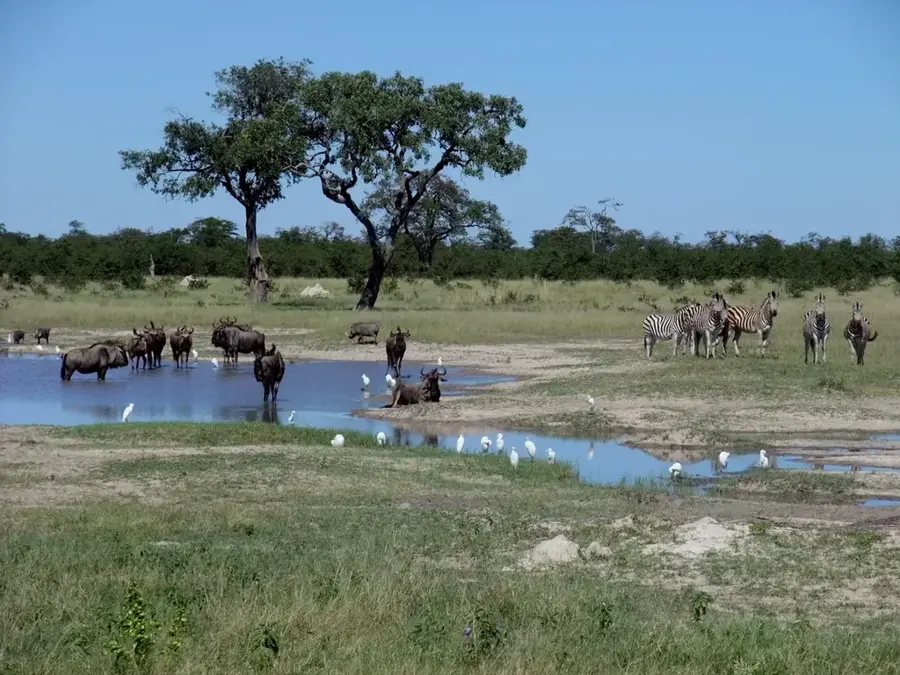
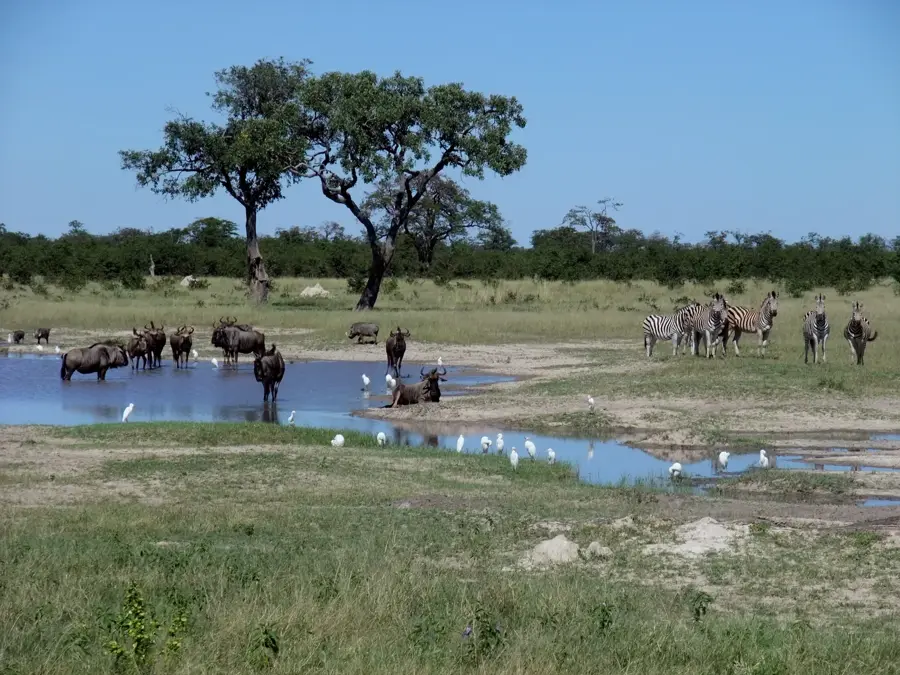
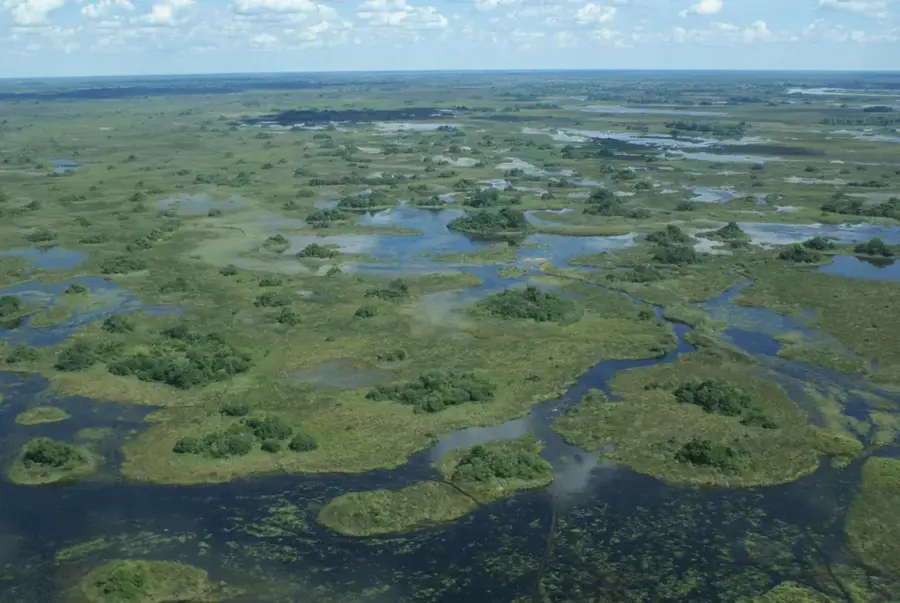
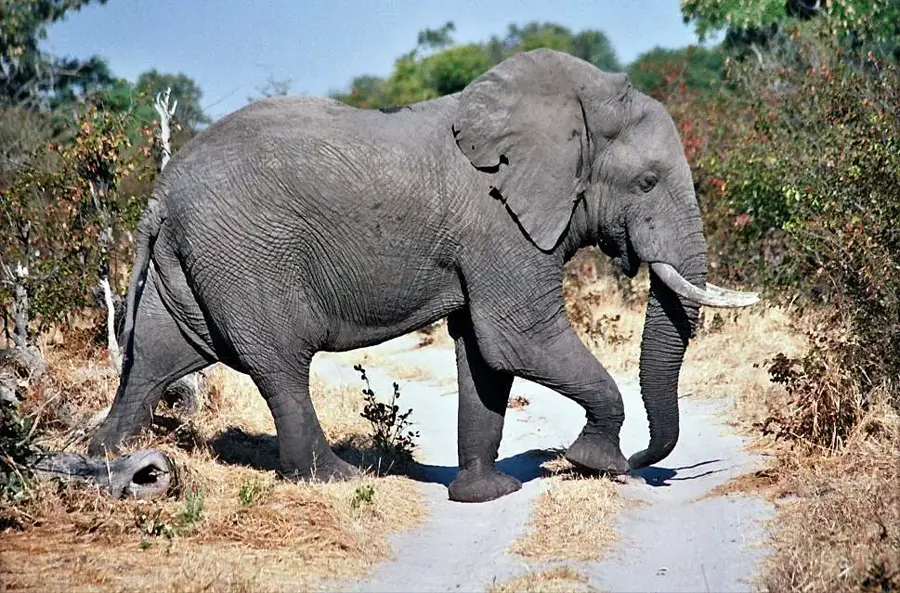
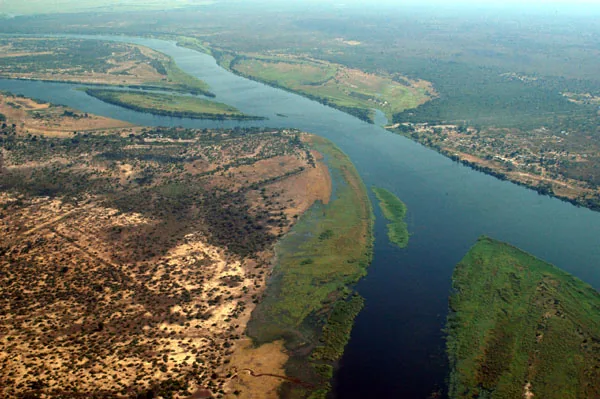
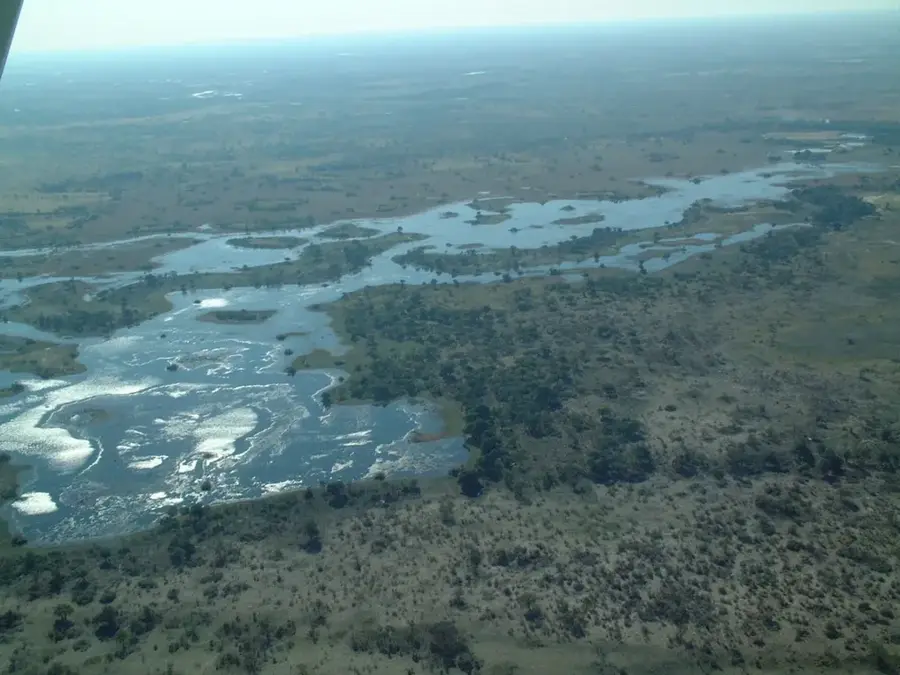
The Linyanti Swamp is an extensive wetland ecosystem in northern Botswana, created by the Kwando River's interaction with a major tectonic fault line. Geomorphologically, this region is a smaller and less-explored analogue to the Okavango Delta. The swamps consist of a labyrinth of papyrus-lined channels, reed beds, and open lagoons covering several hundred square kilometers. The area is globally renowned for its exceptionally high density of elephants, particularly during the dry season when herds migrate from the interior toward the permanent water. In addition to elephants, the swamp provides habitat for rare species such as the African wild dog, lions, and the aquatic sitatunga antelope. Hydrologically, the system is complex, receiving water from Angola via the Kwando and channeling it through the Linyanti River. The region's remote nature has ensured that its wilderness remains in a nearly pristine state, free from significant human impact.
Best time to visit & climate
The most pleasant time to visit is May, Jun, Aug.
| Jan | Feb | Mar | Apr | May | Jun | Jul | Aug | Sep | Oct | Nov | Dec | |
|---|---|---|---|---|---|---|---|---|---|---|---|---|
| Avg °C | 26 | 25 | 25 | 24 | 21 | 18 | 18 | 21 | 26 | 29 | 29 | 27 |
| Rain mm | 163 | 125 | 108 | 42 | 3 | 2 | 0 | 0 | 2 | 8 | 62 | 149 |
📋 Practical info
Geography
Facts
- The swamps are formed along the tectonic Linyanti Fault.
- The area is a key stronghold for the endangered African wild dog.
- Thousands of elephants congregate here during the dry months.
- It is hydrologically part of the Kwando-Linyanti-Chobe system.
- The sitatunga, a semi-aquatic antelope, is a resident species.
- It forms the northern boundary of the Chobe National Park.
Explore nearby
Notable places around


Route planner — Car & Motorhome
Where do you start? We build the route here, with stops and country notes along the way.
© OpenStreetMap contributors · OpenRouteService
Sights nearby
Frequently asked questions
What is the Linyanti Swamp?
Why is the area so remote?
Which predators are found here?
Are there lodges in the area?
When is the best time for wildlife viewing?
Linyanti Swamp: where is it located?
Linyanti Swamp: when is the best time to visit?
Linyanti Swamp: why is it worth visiting?

History & landmarks
More places