Plizio Visual Lab
Caprivi Wildlife Area
Weather…
Water temperature…
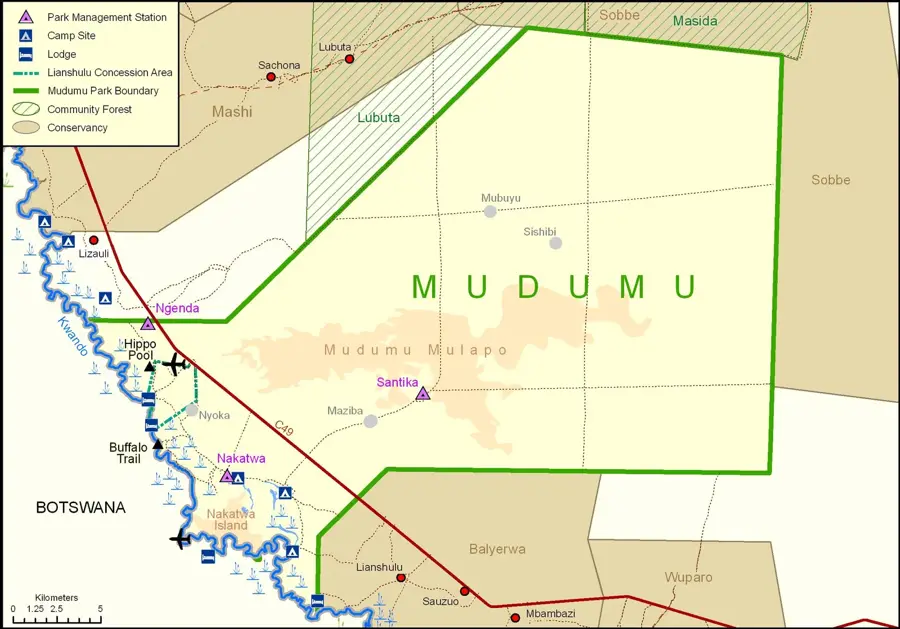
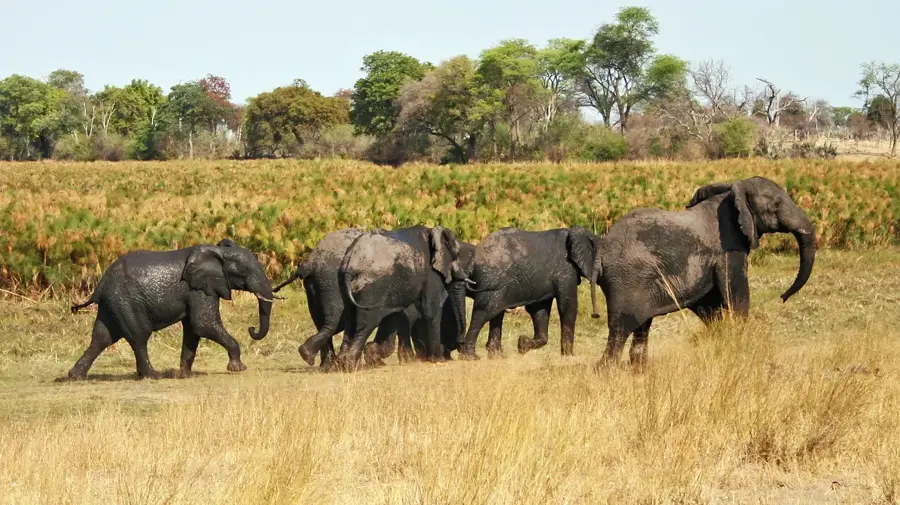
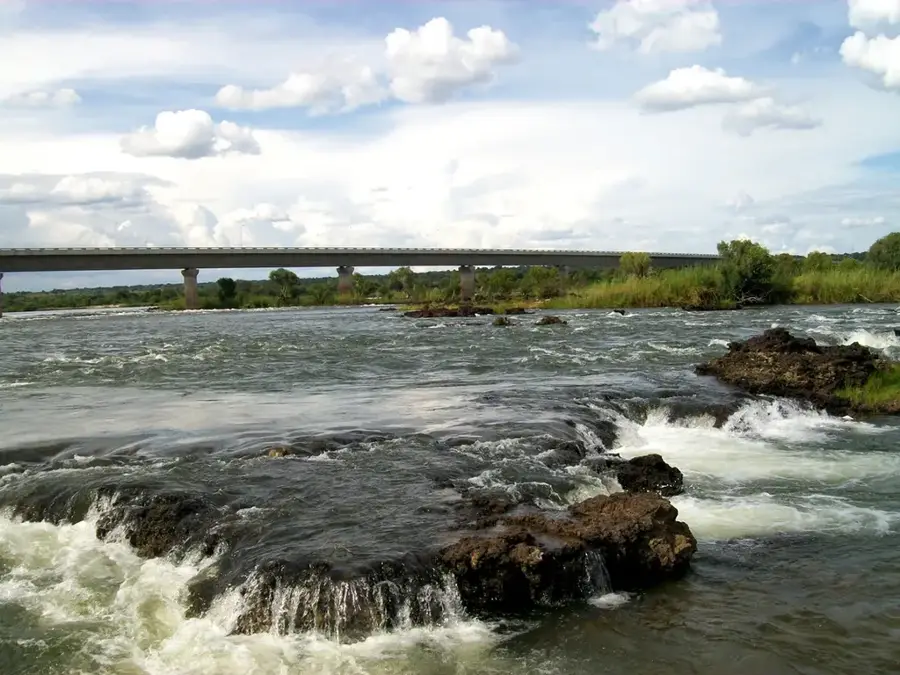
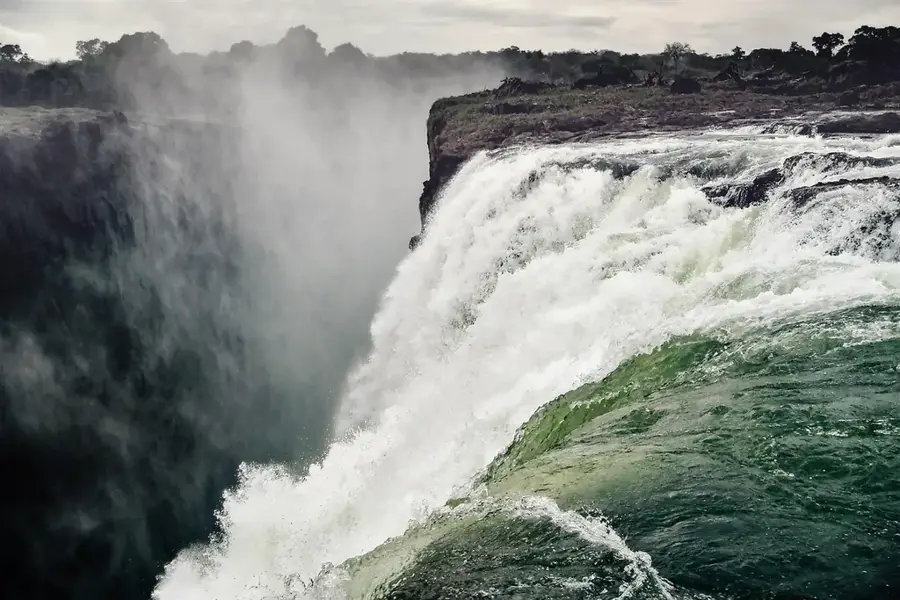
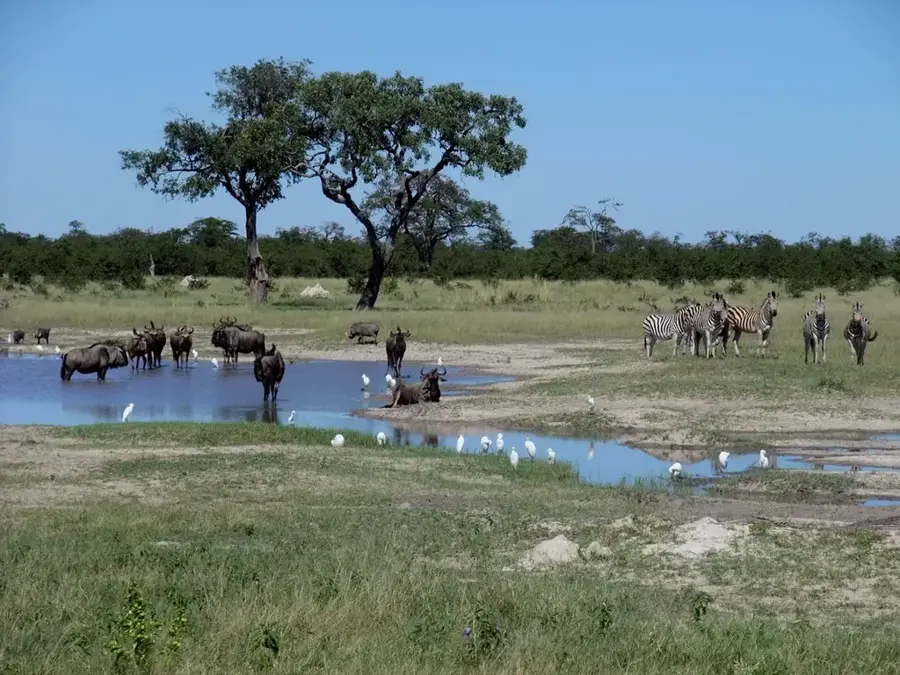
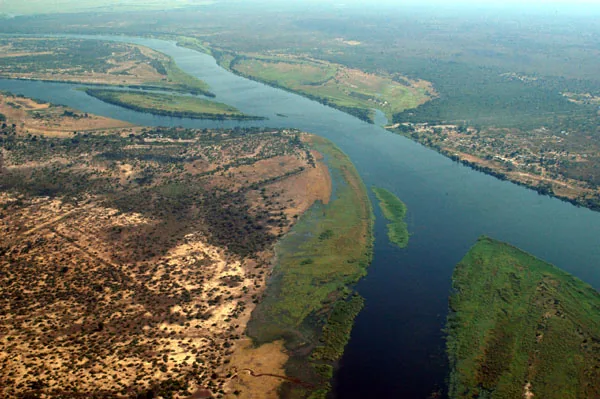
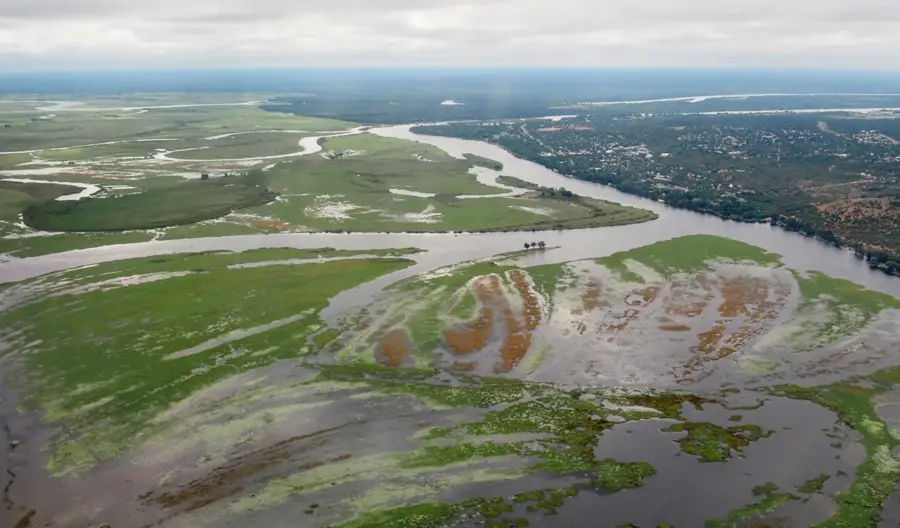
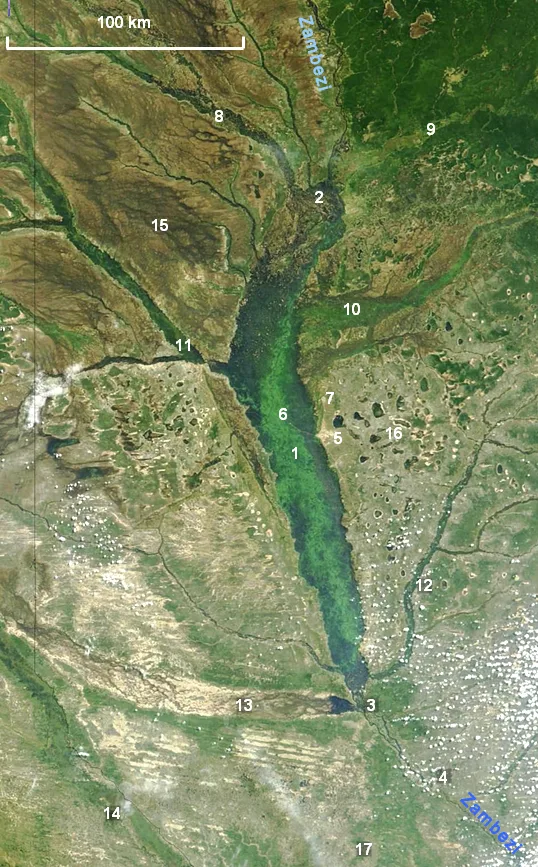
The Caprivi Strip, now officially known as the Zambezi Region, is a narrow panhandle in northeastern Namibia characterized by an ecology entirely distinct from the rest of the country. Defined by major perennial rivers such as the Zambezi, Kwando, and Okavango, the region consists of lush wetlands, floodplains, and dense woodlands. This water-rich habitat supports enormous biodiversity and hosts wildlife species not found in Namibia's more arid regions, including hippos, Nile crocodiles, and large herds of Cape buffalo. The region also serves as a critical migratory corridor for elephant herds moving between Namibia, Botswana, and Zambia. Several national parks, such as Bwabwata, Mudumu, and Nkasa Rupara (formerly Mamili), protect this sensitive ecosystem. For the local communities, fishing and farming on fertile riverine soils provide a primary livelihood. Caprivi is a paradise for birdwatchers, with over 450 different species documented in the area. The unique blend of waterways and pristine wilderness makes this region one of Southern Africa's most valuable and diverse natural treasures.
- Location: Namibia
- Nearby: Katima Mulilo (30 km)
Best time to visit & climate
The most pleasant time to visit is May, Jun, Aug.
| Jan | Feb | Mar | Apr | May | Jun | Jul | Aug | Sep | Oct | Nov | Dec | |
|---|---|---|---|---|---|---|---|---|---|---|---|---|
| Avg °C | 25 | 25 | 24 | 23 | 21 | 18 | 18 | 21 | 25 | 29 | 28 | 26 |
| Rain mm | 184 | 132 | 111 | 41 | 3 | 1 | 0 | 0 | 2 | 10 | 74 | 166 |
📋 Practical info
Geography
Facts
- The region shares borders with four different countries.
- It receives the highest annual rainfall in all of Namibia.
- Over 450 bird species have been recorded in the Caprivi area.
- Bwabwata National Park covers an area of 6,274 square kilometers.
- The region became German in 1890 via the Heligoland-Zanzibar Treaty.
- Tigerfish are a highly sought-after catch for sport fishers on the Zambezi.
Explore nearby
Notable places around
Route planner — Car & Motorhome
Where do you start? We build the route here, with stops and country notes along the way.
© OpenStreetMap contributors · OpenRouteService
Sights nearby
Frequently asked questions
What makes the area special?
Do I need a 4x4 vehicle?
When is the best time to travel?
Is malaria prophylaxis necessary?
Can I camp there?
Caprivi Wildlife Area: where is it located?
Caprivi Wildlife Area: when is the best time to visit?
Caprivi Wildlife Area: why is it worth visiting?