Plizio Visual Lab
Gran Chaco (Bolivia)
Weather…
Water temperature…
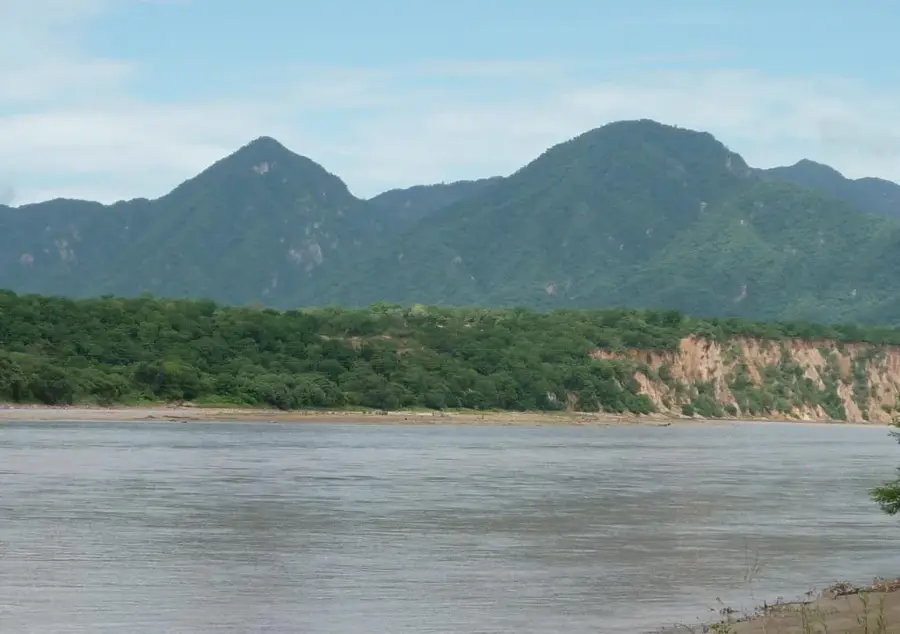
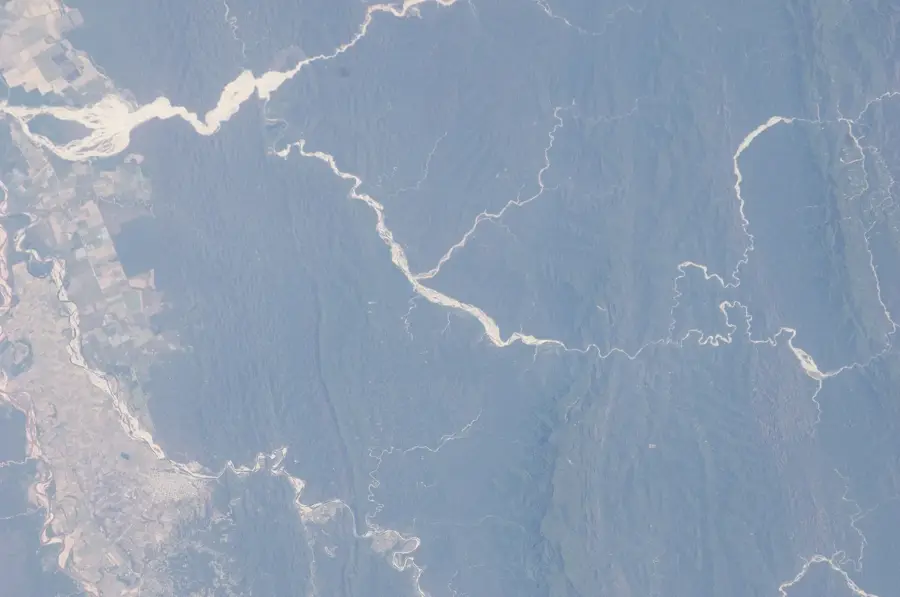
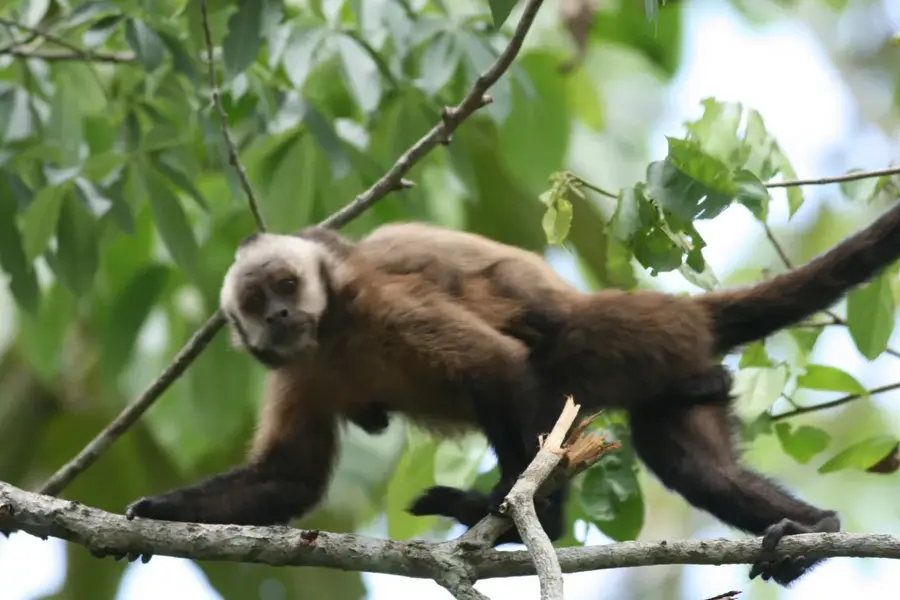
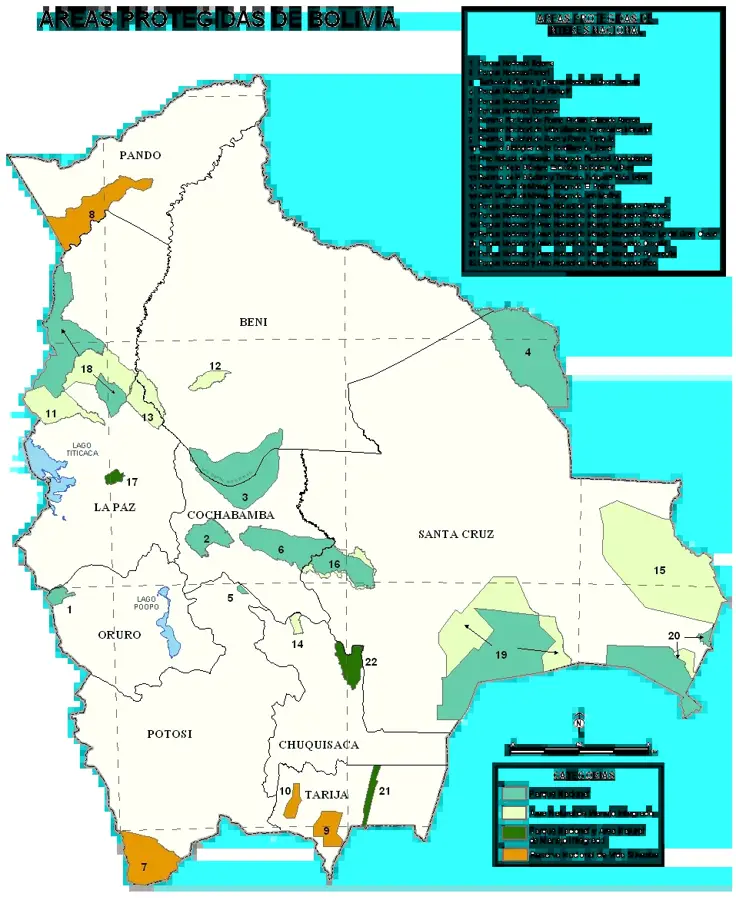
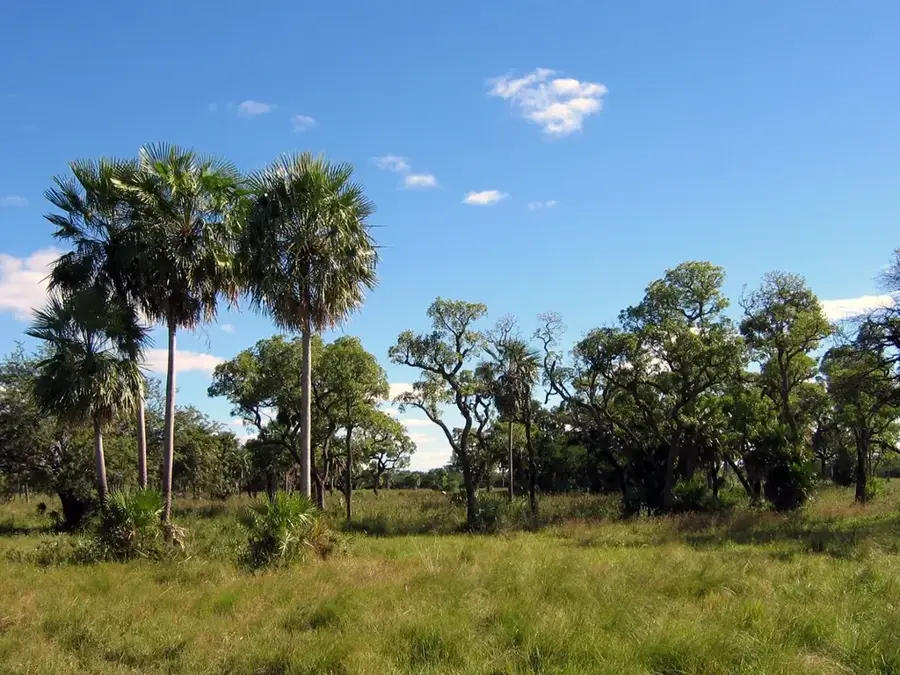
The Bolivian portion of the Gran Chaco spans the departments of Santa Cruz, Chuquisaca, and Tarija in the country's southeast. This semi-arid lowland is characterized by thorny dry forests, savannas, and extreme climatic conditions, including some of the highest summer temperatures in South America. Geographically, the Chaco is a sedimentary basin located between the Andes Mountains to the west and the Brazilian Shield to the east. The region's history is dominated by the Chaco War (1932-1935) fought between Bolivia and Paraguay over suspected oil reserves, a conflict that resulted in tens of thousands of casualties. Today, the Chaco is indeed one of Bolivia's most vital natural gas production regions, significantly impacting the national economy. It is home to indigenous peoples such as the Guarani and Weenhayek, whose livelihoods depend on the fragile environment. The Kaa-Iya del Gran Chaco National Park protects a vast area of this ecosystem and is famous for its jaguar populations and the rare Chacoan peccary.
Best time to visit & climate
The most pleasant time to visit is May–Jul.
| Jan | Feb | Mar | Apr | May | Jun | Jul | Aug | Sep | Oct | Nov | Dec | |
|---|---|---|---|---|---|---|---|---|---|---|---|---|
| Avg °C | 28 | 27 | 27 | 25 | 22 | 21 | 21 | 24 | 27 | 29 | 29 | 29 |
| Rain mm | 122 | 124 | 100 | 62 | 29 | 16 | 10 | 7 | 17 | 43 | 69 | 117 |
📋 Practical info
Geography
Facts
- Part of the second-largest forest ecosystem in South America
- Highest temperatures in Bolivia, reaching up to 48 °C
- The Chaco War took place between 1932 and 1935
- Source of over 80% of Bolivia's natural gas production
- Kaa-Iya National Park covers 3.4 million hectares
- Home to the Chacoan peccary, rediscovered in 1975
Explore nearby
Notable places around
Route planner — Car & Motorhome
Where do you start? We build the route here, with stops and country notes along the way.
© OpenStreetMap contributors · OpenRouteService
Sights nearby
Frequently asked questions
What can visitors expect in the Chaco?
Is the region developed for tourism?
Which period is best?
Are there accommodations?
What dangers are in the scrub?
Gran Chaco (Bolivia): where is it located?
Gran Chaco (Bolivia): when is the best time to visit?
Gran Chaco (Bolivia): why is it worth visiting?
Nature
More places