Plizio Visual Lab
Zomachi Monument
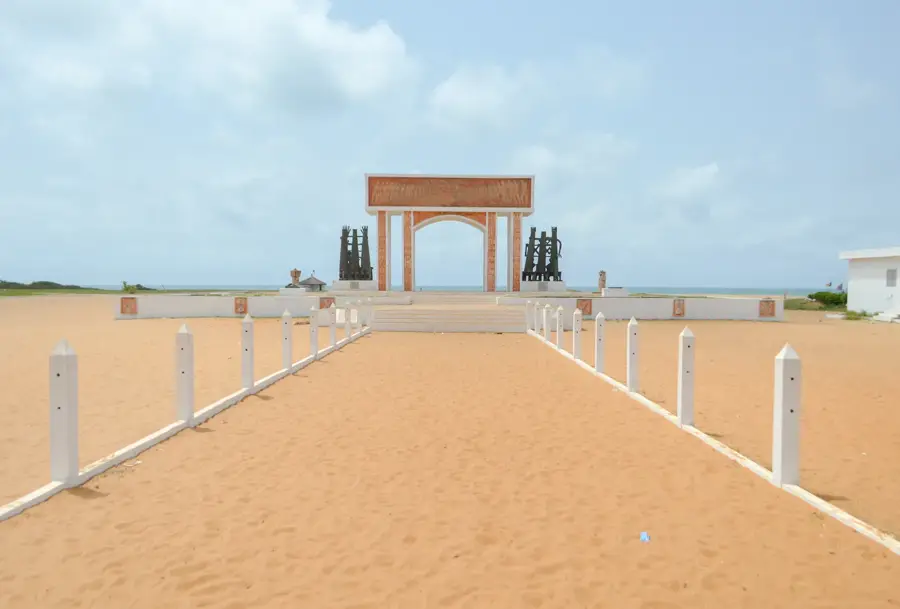
The Zomachi Monument in Ouidah stands as a profound symbol of reconciliation and remembrance regarding the transatlantic slave trade in Benin. Its name, Zomachi, translates to the fire that is never extinguished, representing the enduring memory of the millions who were forcibly displaced. Unlike many memorials that focus solely on the victims, Zomachi was established to acknowledge the local participation in the trade and to seek forgiveness through spiritual repentance. The monument was inaugurated in 1992 as part of the landmark Ouidah 92 festival, aimed at preserving Beninese heritage. Today, it serves as a site for annual ceremonies where descendants of both the enslaved and the traders come together to promote healing. The structure itself is minimalist but carries a heavy emotional weight, situated at the beginning of the historic Slave Route. It plays a crucial role in Benin's modern cultural landscape, bridging the gap between a painful historical past and a collaborative future for the African diaspora.
- Location: Benin
- Top sights: Carrefour Vasseho · Place CHACHA · Musée d'histoire de Ouidah
- Nearby: Azizakouè (7 km)
Best time to visit & climate
The most pleasant time to visit is Jan, Nov, Dec.
| Jan | Feb | Mar | Apr | May | Jun | Jul | Aug | Sep | Oct | Nov | Dec | |
|---|---|---|---|---|---|---|---|---|---|---|---|---|
| Avg °C | 27 | 28 | 28 | 28 | 27 | 26 | 25 | 25 | 25 | 26 | 27 | 27 |
| Rain mm | 16 | 33 | 83 | 112 | 159 | 185 | 143 | 84 | 161 | 143 | 39 | 16 |
📋 Practical info
Geography
Facts
- Inaugurated in 1992 during the Ouidah 92 cultural festival
- The name means the fire that never goes out in the local Fon language
- Serves as a memorial for local acknowledgement of the slave trade
- Located near the starting point of the historic Slave Route in Ouidah
- Site of annual reconciliation ceremonies involving the African diaspora
- Part of the UNESCO Slave Route Project initiated in the 1990s
Explore nearby
Notable places around


Route planner — Car & Motorhome
Where do you start? We build the route here, with stops and country notes along the way.
© OpenStreetMap contributors · OpenRouteService
Sights in the town Zomachi Monument (3)
Sights nearby
Frequently asked questions
What does the name Zomachi mean?
What is the purpose of the monument?
Where is the monument located in Ouidah?
Are ceremonies held there?
Is entry free?
Zomachi Monument: where is it located?
Zomachi Monument: what is there to see?
Zomachi Monument: when is the best time to visit?
Zomachi Monument: why is it worth visiting?

Nearby cities
Nature
More places