Plizio Visual Lab

Yser Valley
Plizio editorial teamData Sources
valley
—°5
Yser Valley (Belgium)

Weather…

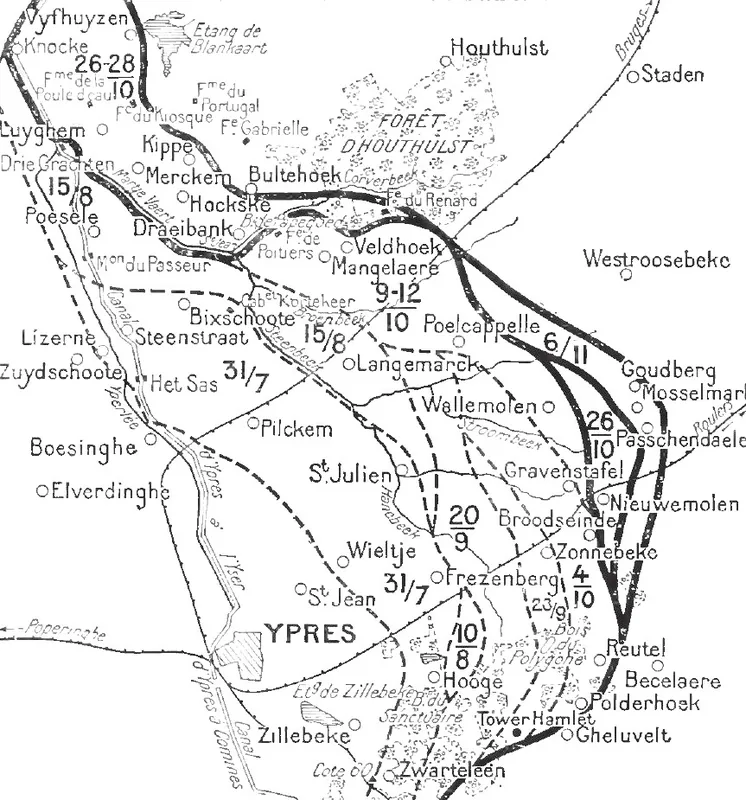
The Yser Valley is a low-lying alluvial region in West Flanders, shaped by the only river in Belgium that discharges directly into the North Sea. The landscape is characterized by its exceptionally flat relief, often situated just a few meters above or even below sea level, necessitating a complex network of dikes and canals for drainage management. Historically, the valley gained international renown during the Battle of the Yser in 1914, when the intentional flooding of the polders successfully halted the German military advance. This man-made water barrier transformed the valley into a static, marshy frontline for the duration of the war. Today, the area is a vital nature reserve, serving as a key sanctuary and resting point for numerous migratory bird species. The fertile clay soils support intensive agriculture, while the river's estuary at Nieuwpoort forms a crucial ecological link to the North Sea. Visitors value the expansive, open scenery, which is defined by historic windmills and traditional Flemish villages.

Best time to visit & climate

The most pleasant time to visit is Jun–Aug.

JanFebMarAprMayJunJulAugSepOctNovDec
Avg °C346913161818151274
Rain mm675954395862748058717779

📋 Practical info

🧭
Getting there
The valley is incredibly accessible by bicycle or car, thanks to a well-connected network of quiet rural roads crossing West Flanders. Many visitors prefer to use the local train stations in surrounding towns as a first-rate starting point for cycling tours.
📅
Best season
Spring and summer are widely considered the convenient seasons, offering pleasant, warm weather well-suited for long cycling trips along the river. These milder months also provide fantastic opportunities for avid bird watchers to observe wildlife in the open polders.
⛰️
Terrain & paths
The surrounding landscape is exceptionally flat, defined almost entirely by expansive polders, deep drainage ditches, and grassy riverbanks. Visitors will navigate mostly on smooth, paved cycling paths and well-maintained earthen dikes offering very easy going.
🎒
What to bring
A bicycle is undoubtedly the most recommended mode of transport to fully appreciate the vast, sweeping scale of this flat region. Bringing a solid windbreaker jacket is always a smart choice, as the completely open plains can frequently experience strong gusts.
🅿️
Parking
Drivers can easily find free and convenient parking options in larger nearby towns like Diksmuide, or utilize smaller rest stops scattered along the roads. The rural nature of the area ensures that finding a safe spot to leave a vehicle is rarely an issue.
⚠️
Safety
Given the remarkably flat terrain, natural hazards are virtually non-existent for cautious visitors. The primary safety consideration involves sharing the sometimes narrow rural roads with large agricultural machinery and local vehicular traffic during farm seasons.
⏱️
Time needed
Visitors can easily tailor their stay, ranging from a brisk two-hour bicycle ride to a fully immersive, all-day exploration of the extensive canal network. The leisurely pace of the environment encourages unhurried, extended stays to take in the local scenery.

Geography

Coordinates
51.00000, 2.80000

Facts

  • The Yser River flows for 78 kilometers, originating in northern France.
  • The river's gradient in its Belgian section is less than 10 centimeters per kilometer.
  • The strategic flooding in October 1914 covered an area approximately 15 kilometers long.
  • The Ganzepoot lock complex in Nieuwpoort regulates the water levels throughout the valley.
  • Portions of the valley floor sit only 2 to 4 meters above the mean sea level.
  • The IJzermonding Nature Reserve covers 130 hectares of ecologically significant salt marshes.

Explore nearby

Notable places around
Route planner — Car & Motorhome

Where do you start? We build the route here, with stops and country notes along the way.

Vehicle
Only stops with (optional):

© OpenStreetMap contributors · OpenRouteService

Sights in the town Yser Valley (5)

Sint-Pieterskerk⛪ church

Church in Nieuwkapelle, Belgium, dedicated to Saint Peter.

Sint-Jan-Baptistkerk

Saint John the Baptist church in Oudekapelle, Belgium.

Fot'oeil🏛 museum

Museum focusing on 100 years of photography.

🕒 Sa 14:00+; Su 11:00-20:00

Fort de Cnocke

Historic fortification in Belgium.

Sint-Jacobskerk

Church in Sint-Jacobs-Kapelle, Belgium, dedicated to Saint James.

Sights nearby

Frequently asked questions

Why is the Yser Valley so important historically?
Here, during World War I, the Belgian army was saved from the German advance by flooding the polders.
Which monument is particularly famous in the Yser Valley?
The IJzertoren in Diksmuide is a prominent peace monument and museum.
Can you go on bike tours in the valley?
Yes, the valley is very flat and has excellent cycle paths along the river and canals.
What birds can be observed here?
The wetlands are a paradise for wading birds, geese, and various species of ducks.
What is the terrain like for hiking?
The terrain is extremely flat and open, which can be tiring in windy weather.
Yser Valley: where is it located?
Yser Valley is located in Belgium.
Yser Valley: what is there to see?
Highlights include Sint-Pieterskerk, Sint-Jan-Baptistkerk, Fot'oeil.
Yser Valley: when is the best time to visit?
The most pleasant time to visit is Jun, Aug.
Yser Valley: why is it worth visiting?

The Yser Valley is a low-lying alluvial region in West Flanders, shaped by the only river in Belgium that discharges directly into the North Sea.
View on map → The Top 50 Attractions → OpenStreetMap →
Europe
Explore with Plizio Discover more places in Europe
More places in Belgium →

Nearby cities