Plizio Visual Lab

Samur River
Plizio editorial teamData Sources
River
—°5
Samur River (Azerbaijan)

Weather…

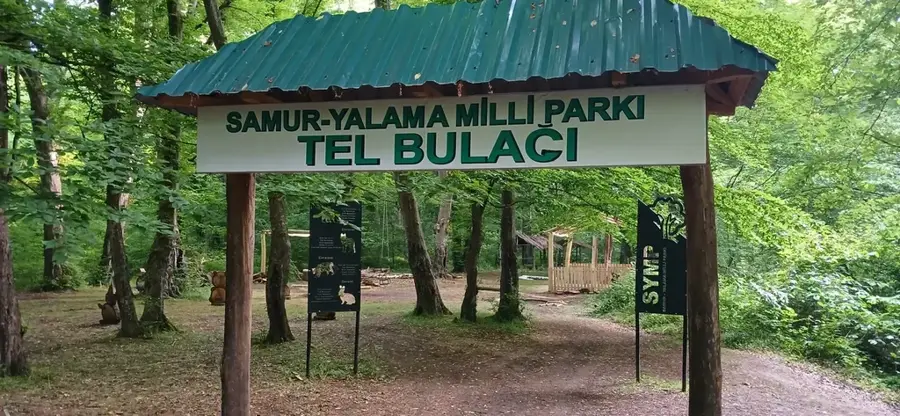
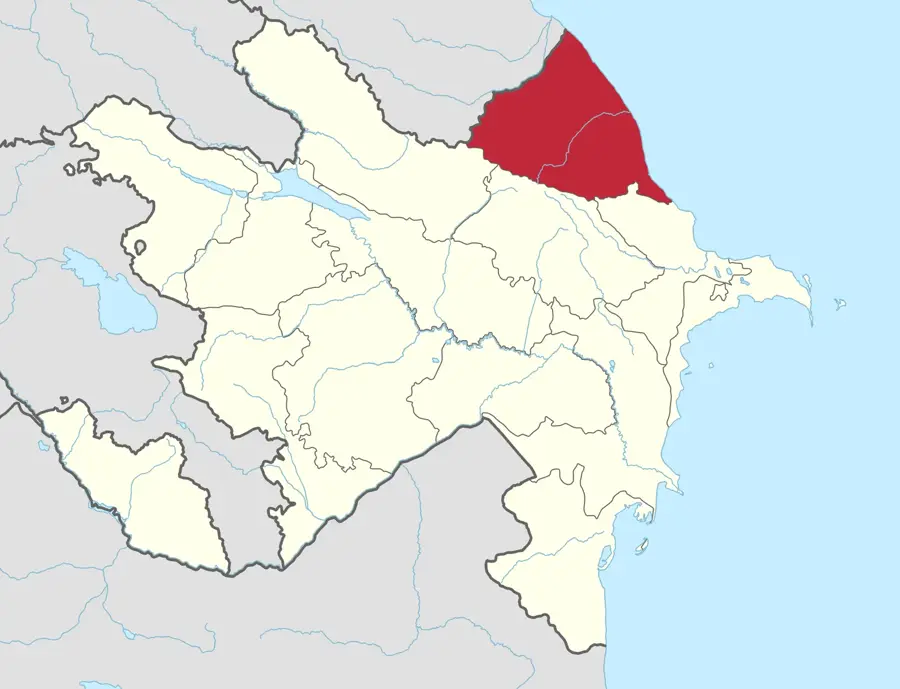
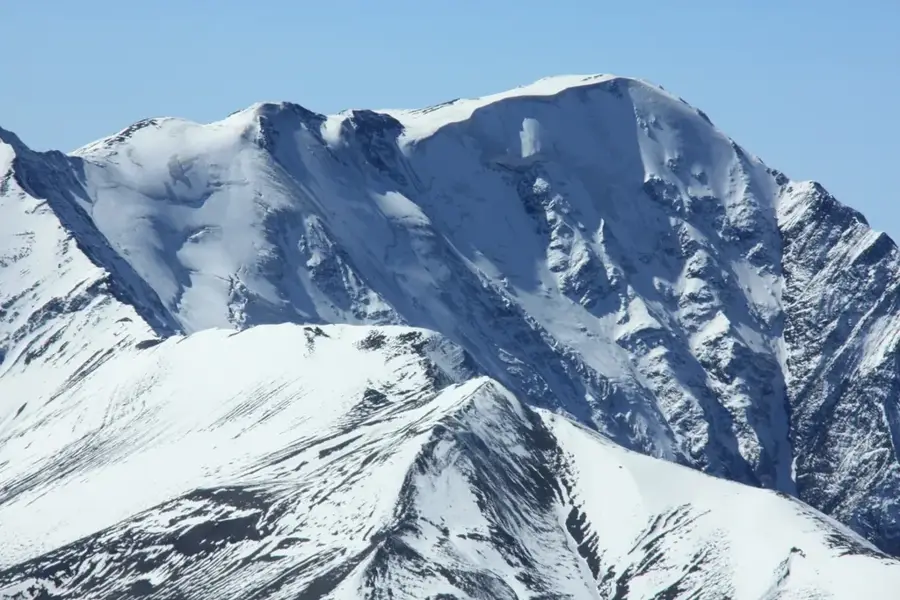
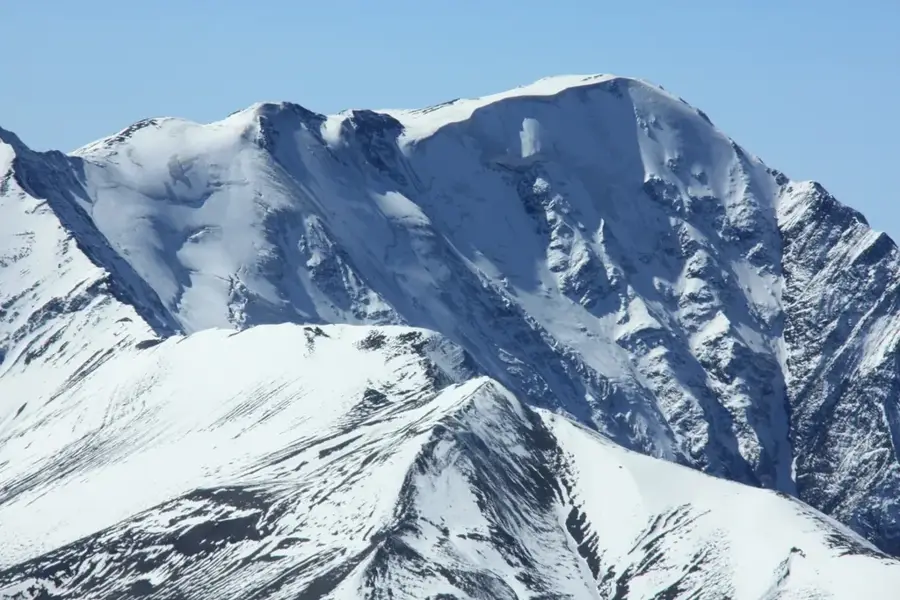
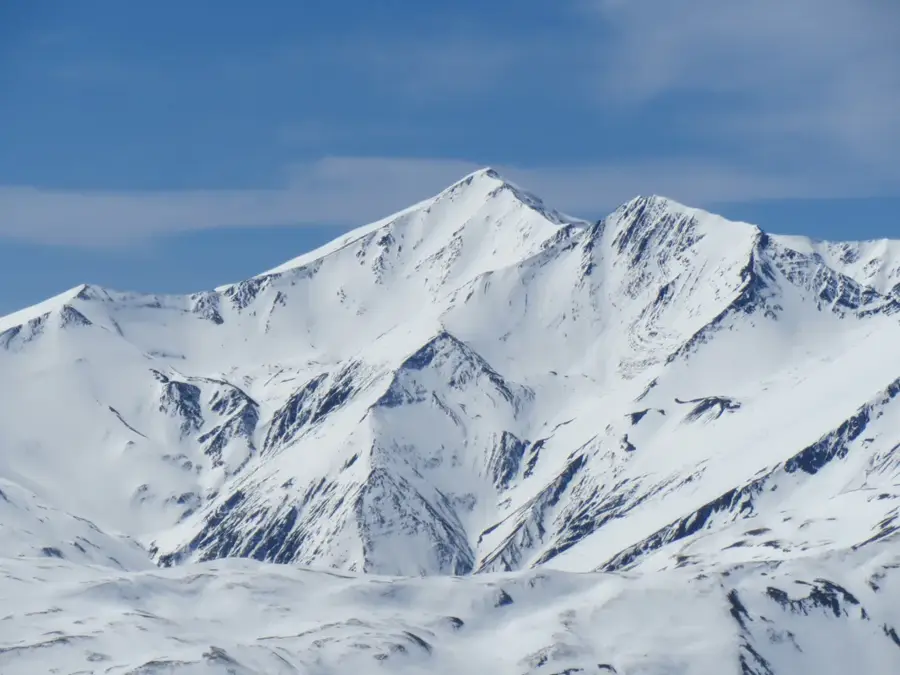
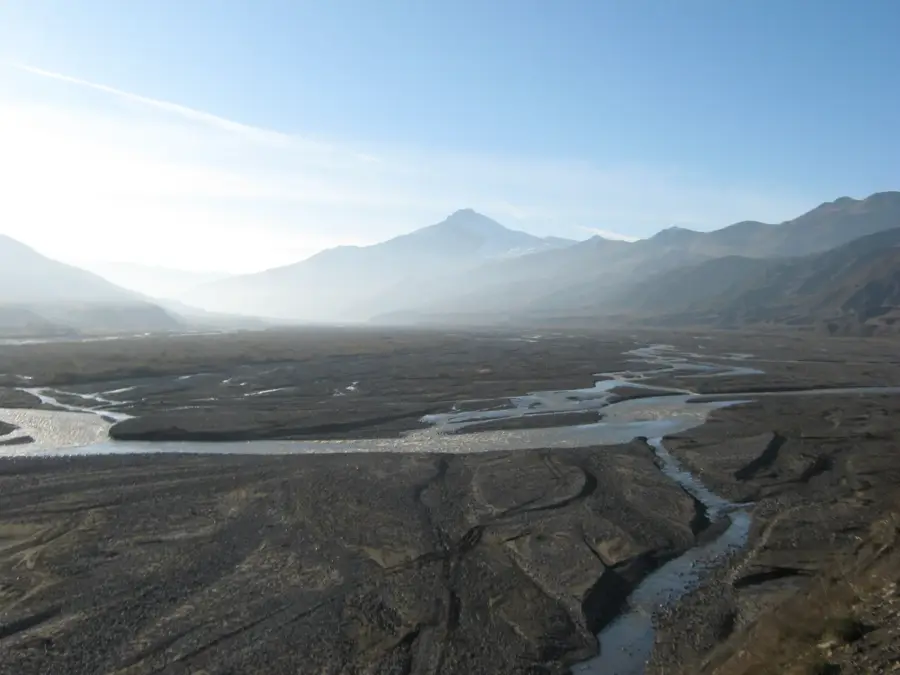
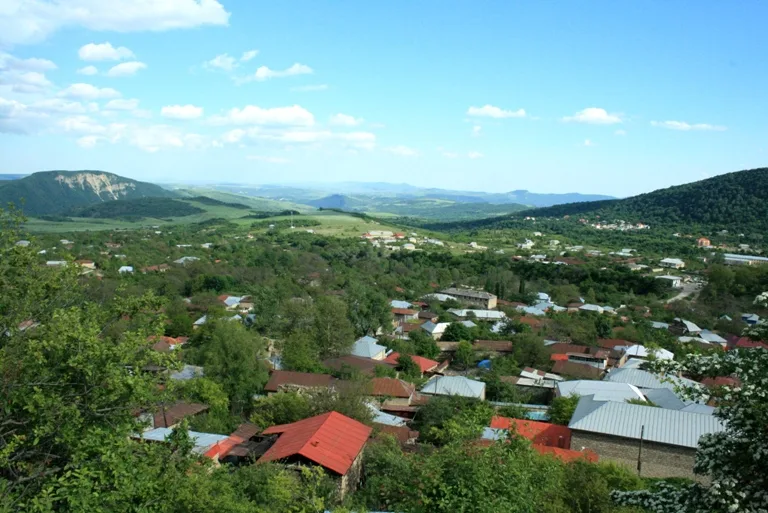
The Samur River is a significant transboundary river forming part of the border between northeastern Azerbaijan and the Republic of Dagestan in Russia. Stretching for approximately 213 kilometers, it originates from the slopes of the Greater Caucasus Mountains at elevations exceeding 3,000 meters and flows into the Caspian Sea. The river basin covers about 7,330 square kilometers and is essential for the irrigation of the surrounding arid coastal plains. Its delta is home to the Samur-Yalama National Park, featuring unique tertiary forests that represent the last remaining temperate rainforests in the region. The Samur-Absheron Canal diverts water from the river to provide a crucial supply for the industrial and residential needs of Baku and Sumgait. Water allocation between the two neighboring countries is strictly managed by an intergovernmental agreement signed in 2010 to ensure environmental sustainability. It is the only river in Azerbaijan that creates such a distinct and densely forested delta system.

Best time to visit & climate

The most pleasant time to visit is Jun, Jul, Sep.

JanFebMarAprMayJunJulAugSepOctNovDec
Avg °C65710162125262217128
Rain mm273126242721191929443629

📋 Practical info

🧭
Getting there
The river can typically be reached from the northern border regions of Azerbaijan, with local roads leading to various points along the watercourse. Travelers often start from nearby towns heading towards the Russian border, utilizing regional transport options.
📅
Best season
The most favorable time for a visit is usually from late spring to early autumn when the weather is warm and the water levels are more predictable. Winter visits might face harsh conditions, strong winds, and significantly limited accessibility.
⛰️
Terrain & paths
The riverbanks generally feature a mix of rocky areas, sandy stretches, and dense riparian vegetation, requiring careful and attentive navigation. The surrounding landscape can be quite uneven, especially near the more mountainous sections of the valley.
🎒
What to bring
Sturdy waterproof footwear and comfortable outdoor clothing are highly recommended for exploring the riverside environment safely. It is also advisable to carry sufficient drinking water, sun protection, and a reliable map or GPS device.
🅿️
Parking
Parking is usually informal and can often be found in the nearby villages or at designated spots along the rural access roads. It is best to avoid leaving vehicles in completely isolated areas and to ask locals for safe parking locations.
⚠️
Safety
As this is a sensitive border river, it is absolutely crucial to stay away from restricted zones and carry proper identification at all times. Be mindful of sudden changes in water currents and respect any instructions from local border patrols.
⏱️
Time needed
Most visitors spend anywhere from a couple of hours to a half-day exploring the scenic views and enjoying the natural surroundings. A full day might be needed if you plan to hike extensively along the permitted and safe sections of the river.

Geography

Coordinates
41.81670, 48.48330

Facts

  • The total length of the Samur River is approximately 213 kilometers.
  • Its drainage basin covers an area of 7,330 square kilometers.
  • The river's source is located at an altitude of 3,600 meters.
  • A major water-sharing agreement was signed in September 2010.
  • The river defines the national border for nearly 150 kilometers.
  • The Samur delta contains over 11,000 hectares of protected forest.

Explore nearby

Notable places around
Route planner — Car & Motorhome

Where do you start? We build the route here, with stops and country notes along the way.

Vehicle
Only stops with (optional):

© OpenStreetMap contributors · OpenRouteService

Sights in the town Samur River (5)

Subtropicheskii lianovyi les📍 landmark

A rare subtropical liana forest in the Samur River delta, notable for its dense, jungle-like vegetation.

Mesto dlia perekhoda/pereezda reki vbrod📍 landmark

A natural fording point on the Samur River, traditionally used by vehicles and livestock for crossing.

Plotina📍 landmark

A dam on the Samur River used for water level regulation and irrigation of the surrounding region.

Pamiatnik Saidu Kuchkhiuru🏺 historical

A monument honoring Said Kochkhyursky, a prominent 18th-century Lezgin poet and ashik.

Armianskaia tserkov' Sviatogo Grigorisa⛪ religious

A 19th-century Armenian church in Nyugdi, built on the site of the martyrdom of Saint Grigoris.

Sights nearby

Frequently asked questions

What characterizes the Samur River?
It is a significant mountain river with a unique delta forest.
Can you hike at the river mouth?
Yes, the floodplains are handy for nature walks.
Is the Samur a border river?
Yes, it marks part of the border between Russia and Azerbaijan.
Are there camping opportunities there?
In designated areas yes, otherwise caution is advised.
When is the water clearest?
In summer, outside of the snowmelt period.
Samur River: where is it located?
Samur River is located in Azerbaijan.
Samur River: what is there to see?
Highlights include Subtropicheskii lianovyi les, Mesto dlia perekhoda/pereezda reki vbrod, Plotina.
Samur River: when is the best time to visit?
The most pleasant time to visit is Jun, Jul, Sep.
Samur River: why is it worth visiting?
The Samur River is a significant transboundary river forming part of the border between northeastern Azerbaijan and the Republic of Dagestan in Russia.
View on map → The Top 50 Attractions → OpenStreetMap →
Asia
Explore with Plizio Discover more places in Asia
More places in Azerbaijan →

Nearby cities

History & landmarks
Nature

More places