Plizio Visual Lab

Silvretta
Plizio editorial teamData Sources
Mountain
—°3
Silvretta (Austria)

Weather…

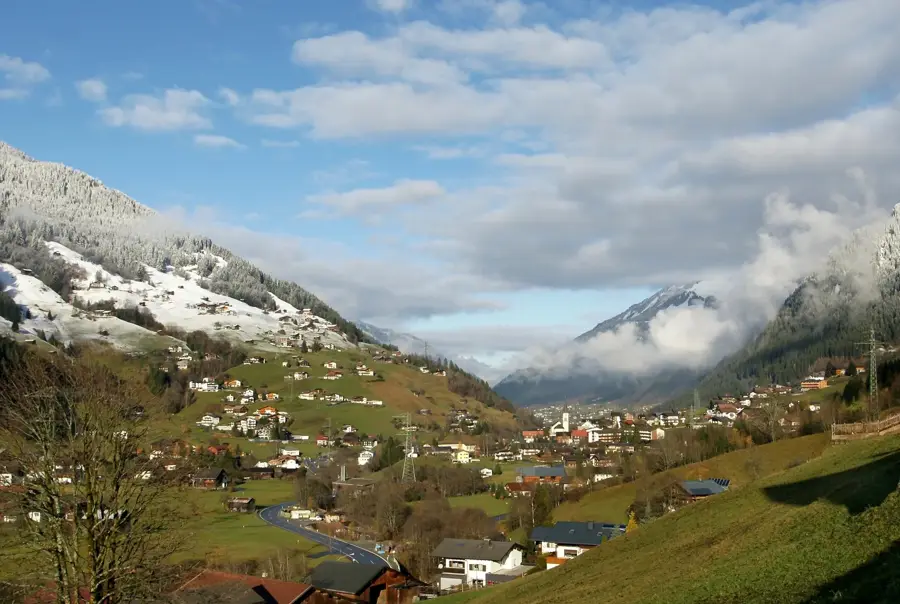
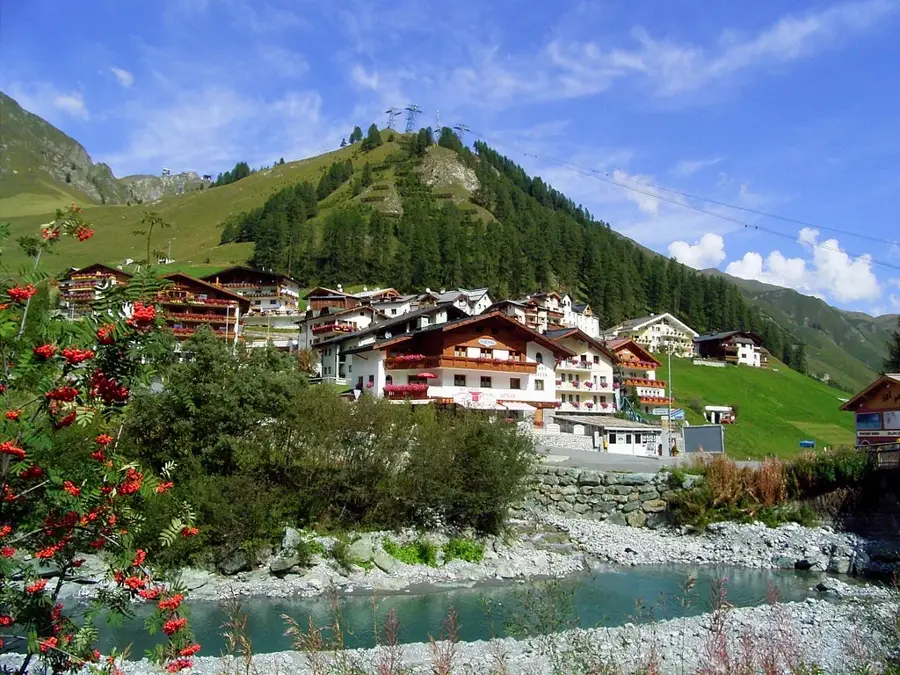
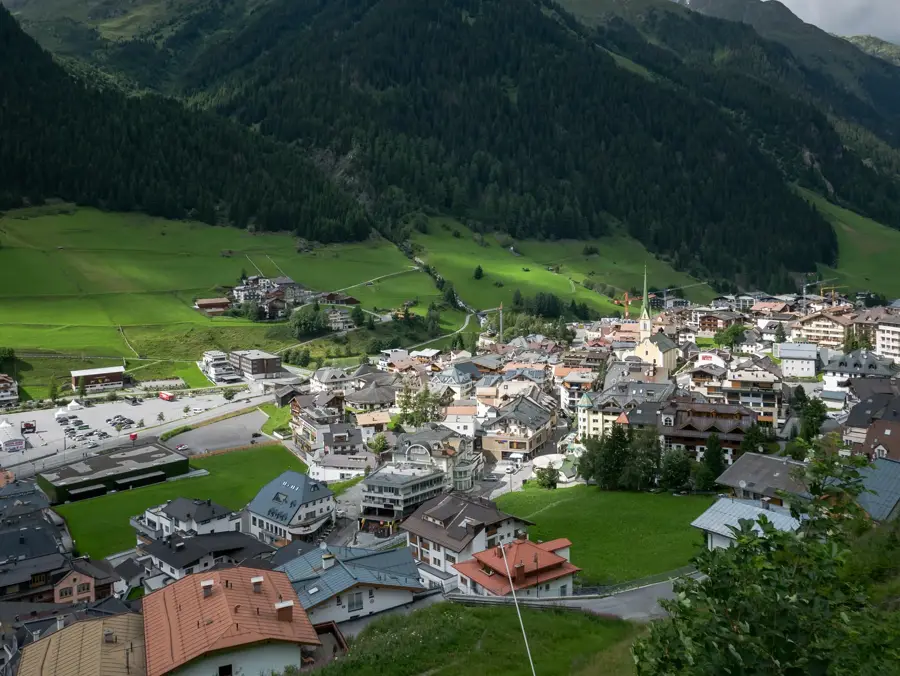
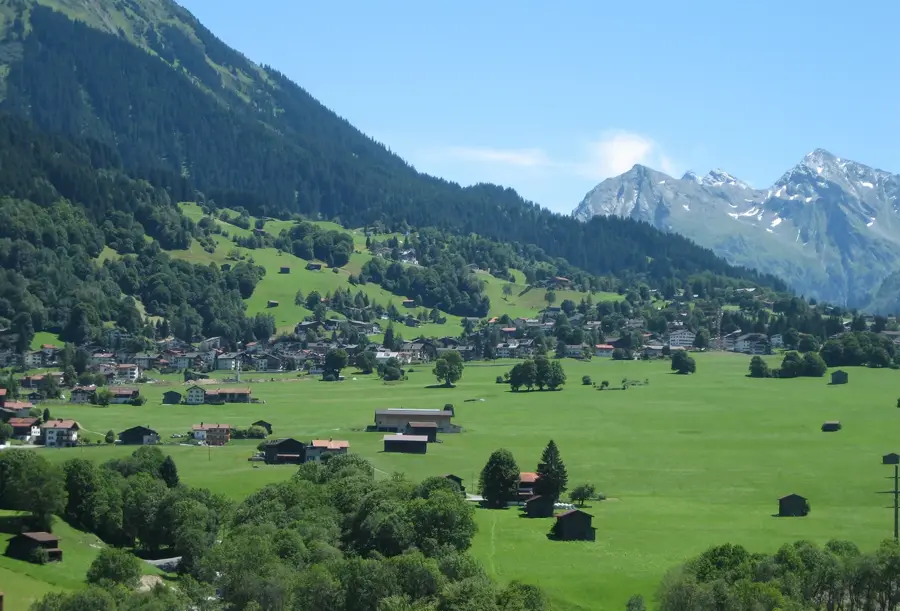
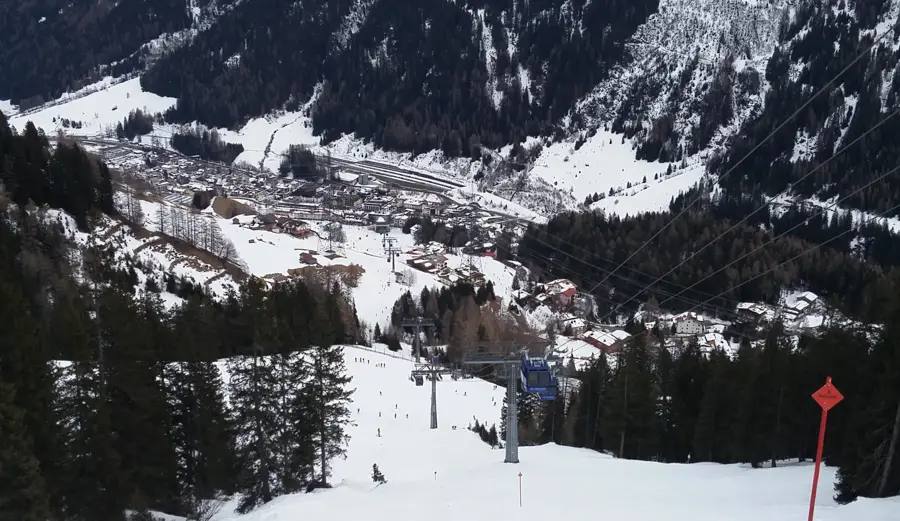
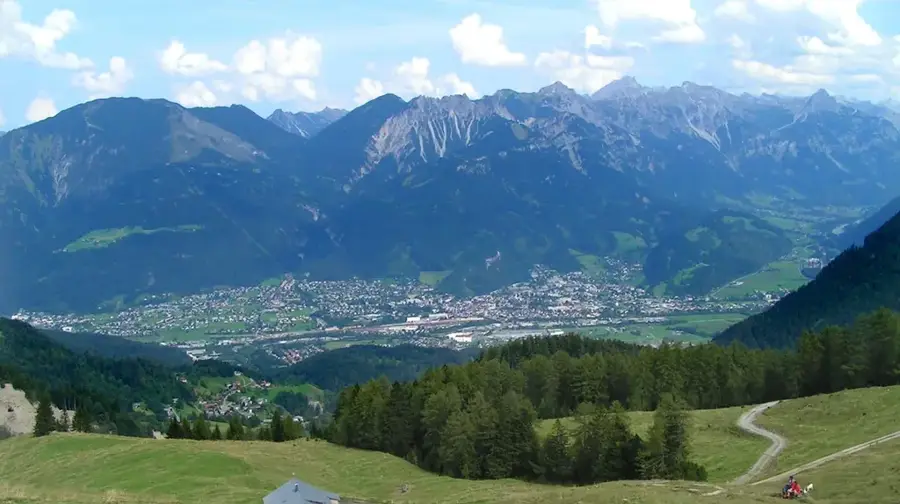
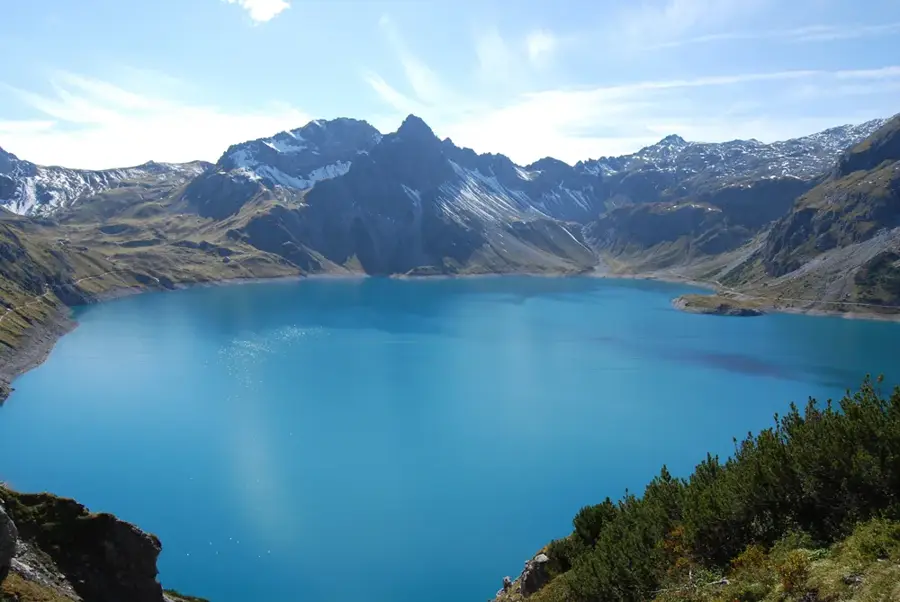
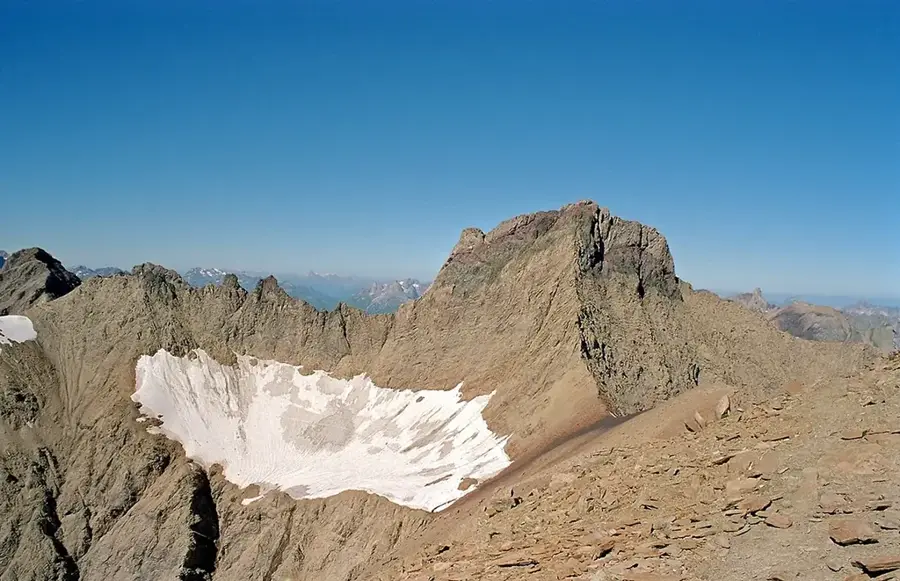
The Silvretta is a high mountain group in the Central Eastern Alps, forming the border between the Austrian states of Tyrol and Vorarlberg and the Swiss canton of Grisons. It is famously known as the 'Blue Silvretta', a name referring to the region's intense glaciation, although glacier areas have significantly receded in recent decades. The highest peak on Austrian soil is the Fluchthorn at 3399 meters, while Piz Linard in Switzerland towers over the entire group at 3411 meters. Geologically, the massif consists mainly of crystalline rocks such as gneiss and granite, resulting in a massive and feature-rich mountain world. The Silvretta High Alpine Road is one of Austria's most spectacular mountain pass roads, connecting the Montafon valley with the Paznaun valley and reaching its peak at Bielerhöhe. This tourism development has made the region a center for mountaineering and winter sports, with resorts like Ischgl being world-famous. In summer, numerous reservoirs, especially the Silvretta Reservoir, provide not only energy for the region but also an impressive backdrop for hikers. Fauna includes ibexes, chamois, and marmots, which are widespread across the high alpine meadows.

Best time to visit & climate

The most pleasant time to visit is Jul–Sep.

JanFebMarAprMayJunJulAugSepOctNovDec
Avg °C-8-8-41610121173-2-7
Rain mm937090881461701671841221019093

📋 Practical info

🧭
Getting there
The spectacular Silvretta mountain group is classically accessed via the tolled Silvretta High Alpine Road, which beautifully connects the Montafon and Paznaun valleys. Numerous alpine tours commence directly from the Bielerhöhe pass, widely regarded as the primary staging area for glacier and summit expeditions.
📅
Best season
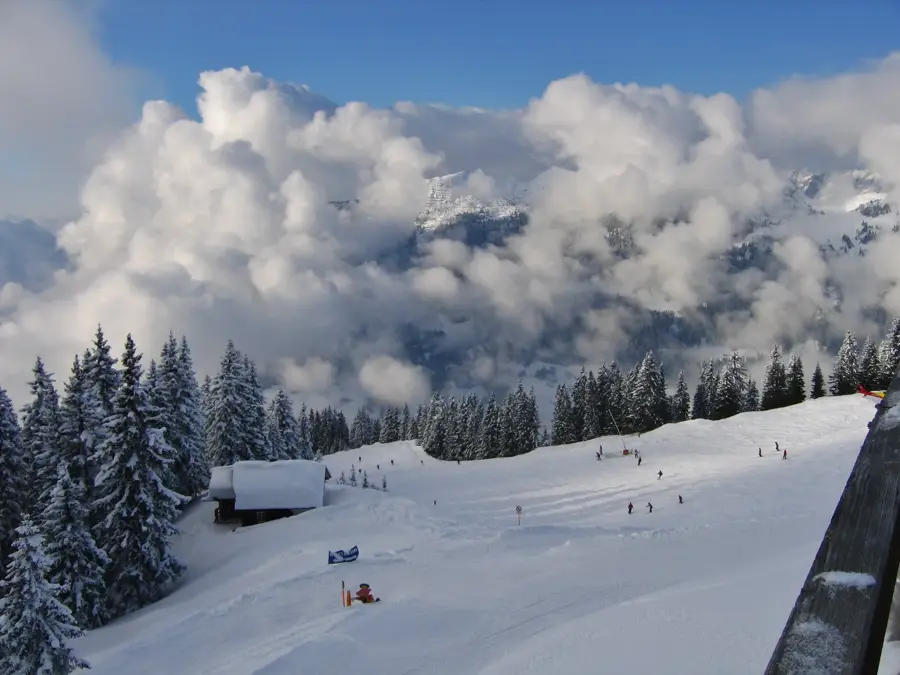
For summer mountain hiking and high-alpine tours, the window from July to September is generally considered the most well-suited time to visit. The high alpine road is typically only open during these warmer months, while late winter and spring transform the region into a prime destination for ski touring.
⛰️
Terrain & paths
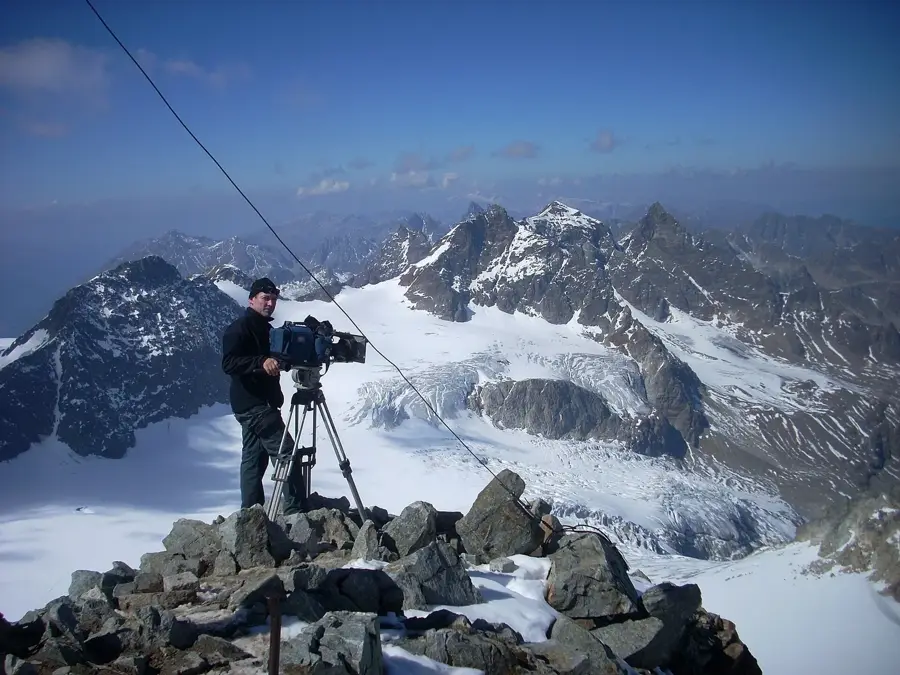
The dramatic landscape is heavily characterized by glaciated three-thousand-meter peaks, striking rocky summits, and deep blue reservoirs. While easier hiking paths can be found closer to the valleys, the terrain at higher elevations largely demands solid alpine experience and surefootedness on rock and ice.
🎒
What to bring
Anyone venturing into the glaciated zones must carry comprehensive mountaineering equipment, including crampons, an ice axe, and a rope. For hikes remaining below the glacier line, sturdy, crampon-compatible mountain boots, warm weatherproof clothing, and ample food supplies are still absolutely vital.
🅿️
Parking
Substantial parking facilities are typically located directly at the Bielerhöhe pass as well as at the valley stations of the cable cars in surrounding villages. Because the high alpine road is a hugely popular tourist attraction, arriving as early as possible on sunny days is strongly advised to secure parking.
⚠️
Safety
The Silvretta is a true high-mountain environment; hidden crevasses, unpredictable rockfall, and extremely sudden weather deterioration pose serious alpine hazards here. Glacier crossings should fundamentally only be attempted by those with appropriate experience or when accompanied by a certified mountain guide.
⏱️
Time needed
A scenic drive up to the Bielerhöhe pass paired with a gentle stroll around the reservoir can easily be accomplished within a half day. However, for serious summit climbs such as scaling Piz Buin or undertaking extensive hut-to-hut treks, visitors must anticipate dedicating at least one or two full days.

Geography

Coordinates
46.90000, 10.15000

Facts

  • Piz Linard is the highest peak of the group at 3411 meters.
  • The Fluchthorn is the highest mountain in Vorarlberg at 3399 m.
  • The Silvretta High Alpine Road features a total of 34 hairpins.
  • The Silvretta Reservoir is located at an altitude of 2030 meters.
  • Ernest Hemingway spent winters in the Montafon region of Silvretta.
  • There are over 70 glaciers within the Silvretta group.

Explore nearby

Notable places around
Route planner — Car & Motorhome

Where do you start? We build the route here, with stops and country notes along the way.

Vehicle
Only stops with (optional):

© OpenStreetMap contributors · OpenRouteService

Sights in the town Silvretta (3)

Hohes Rad📍 landmark

A prominent mountain peak in the Silvretta group on the border between Austria and Switzerland.

Hennekopf📍 landmark

A mountain peak in the Silvretta region offering expansive views of the Alps.

Henne Spitze📍 landmark

An alpine peak in the Silvretta mountains, handy for hiking and mountaineering.

Sights nearby

Frequently asked questions

Where is the Silvretta located?
The mountain group is located on the border between Tyrol, Vorarlberg, and Switzerland.
What is the Silvretta High Alpine Road?
A famous scenic road with 34 hairpin bends connecting Montafon with the Paznaun Valley.
Which peak is the most famous?
Piz Buin (3,312 m) is the highest peak in Vorarlberg and a symbol of the region.
Why is it called 'Blue Silvretta'?
The name refers to the numerous glaciers that give the mountains a bluish shimmer in the sunlight.
Can you ski in summer?
Classic summer skiing is not available, but glacier tours are possible for alpinists.
Silvretta: where is it located?
Silvretta is located in Vorarlberg, Austria.
Silvretta: what is there to see?
Highlights include Hohes Rad, Hennekopf, Henne Spitze.
Silvretta: when is the best time to visit?
The most pleasant time to visit is Jul, Sep.
Silvretta: why is it worth visiting?
The Silvretta is a high mountain group in the Central Eastern Alps, forming the border between the Austrian states of Tyrol and Vorarlberg and the Swiss canton of Grisons.
View on map → The Top 50 Attractions → OpenStreetMap →
Europe
Explore with Plizio Discover more places in Europe
More places in Austria →

Nearby cities

Nature

More places