Plizio Visual Lab

Lechtal Alps
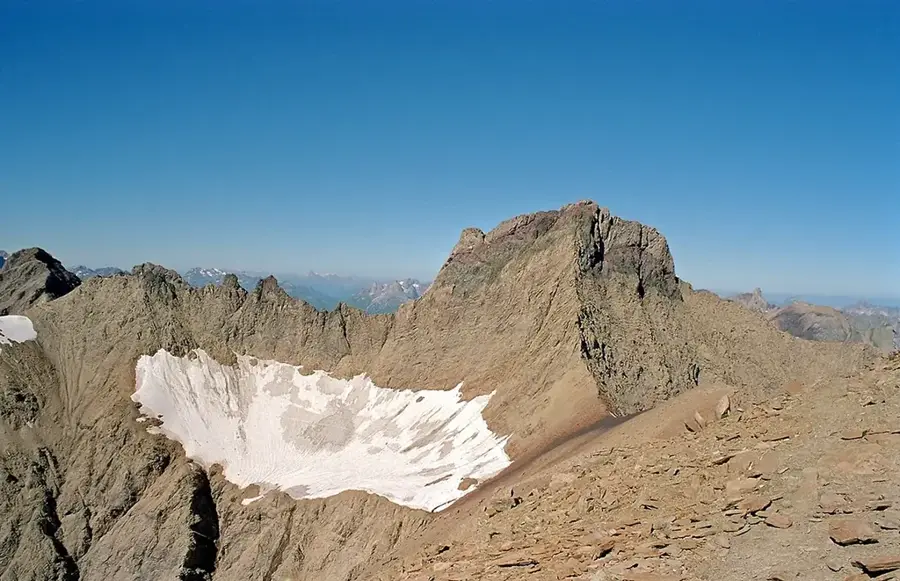
Plizio editorial teamData Sources
Mountain
—°6
Lechtal Alps (Austria)

Weather…

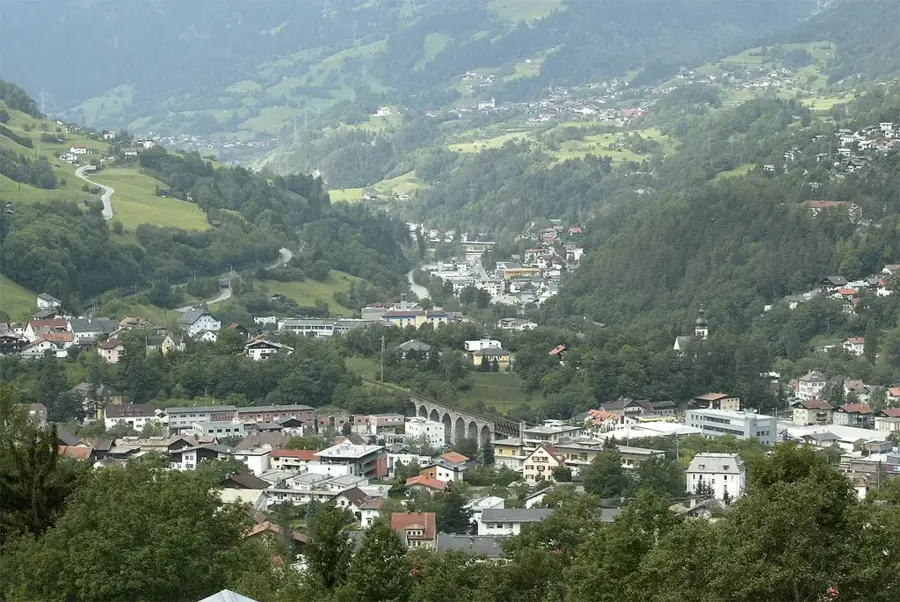
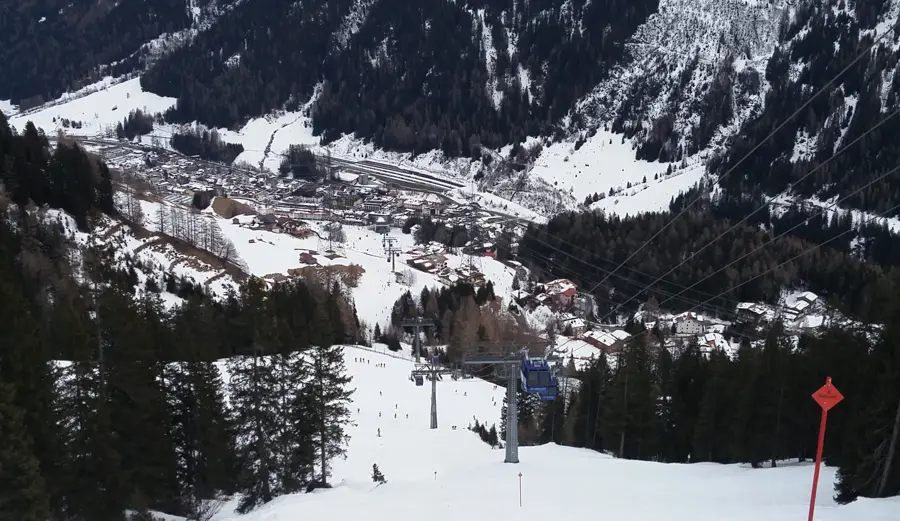
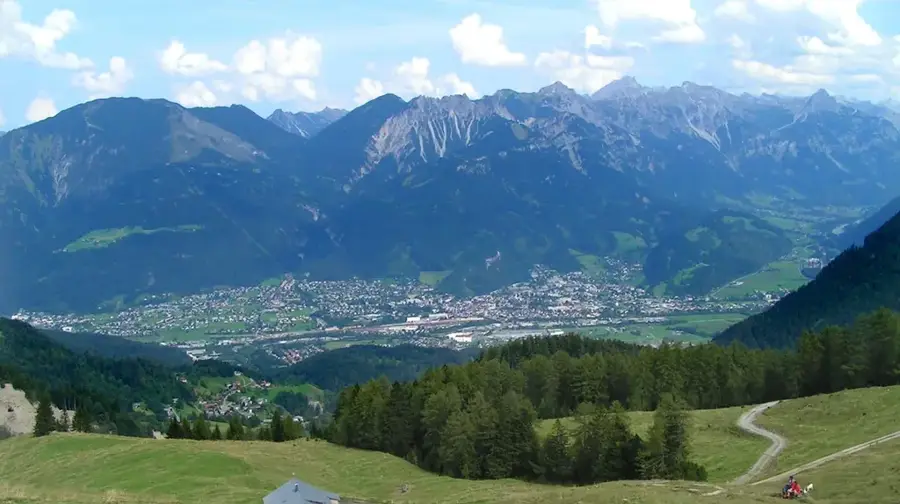
The Lechtal Alps are the longest and highest mountain group of the Northern Limestone Alps, located in the Austrian federal states of Tyrol and Vorarlberg. With the Parseierspitze reaching an altitude of 3036 meters, they host the only three-thousand-meter peak in this mountain region. Geologically, the group is very diversely structured, with main dolomite being the dominant rock, though spotted marl and radiolarite also occur. This complex structure leads to a varied topography with rugged peaks, deeply cut valleys, and vast alpine meadows. The area is sparsely populated and has thus preserved a very primal character, making it a popular destination for long-distance hikers on the Adlerweg trail. Flora and fauna are typically alpine, with the golden eagle and the marmot finding well-suited living conditions here. Tourism development focuses on mountain hiking and climbing, with numerous alpine club huts serving as bases. Accessibility is provided by the Lechtal road in the north and the Arlberg region in the south, facilitating access to various starting points. Due to the steepness of the slopes, the mountain range is a challenge for ski tourers in winter, requiring great experience in avalanche assessment.

Best time to visit & climate

The most pleasant time to visit is Jun–Aug.

JanFebMarAprMayJunJulAugSepOctNovDec
Avg °C-9-9-5159111173-3-8
Rain mm64506775126152151167106857265

📋 Practical info

🧭
Getting there
Exploring this vast mountain group typically begins from the surrounding valley communities located across both Tyrol and Vorarlberg. Numerous well-marked and maintained trailheads lead directly from these photogenic villages deep into the rugged alpine valleys.
📅
Best season
For safe hiking and mountaineering, the prime season generally extends from late June through September when most high trails are free of winter snow. Early summer can still present dangerous, treacherous snow bridges in higher, deeply shaded mountain gullies.
⛰️
Terrain & paths
This expansive northern limestone range is widely celebrated for its exceptionally rugged peaks, deeply carved valleys, and challenging steep ridges. Hikers will navigate extensive networks of loose rocky paths that strictly require an excellent sense of balance.
🎒
What to bring
Serious alpine equipment is strictly required, including rigid trekking boots with strong grip, comprehensive rain protection, and detailed physical maps. Because natural water sources can be extremely scarce on the limestone ridges, carrying ample fluids is vital.
🅿️
Parking
Visitors can generally find dedicated paid or free hiker parking areas in the base communities scattered throughout the broad valley region. Multi-day trekkers often leave their vehicles safely parked for days at these highly central, well-connected valley access points.
⚠️
Safety
Given the massive scale of these rugged mountains, extremely thorough route planning and absolute respect for unpredictable alpine weather changes are critical. Many of the higher trails are highly exposed to the elements and become life-threatening during thunderstorms.
⏱️
Time needed
Adventures here can vary immensely, from extremely strenuous single-day peak ascents to extensive week-long trekking tours between remote high alpine huts. Visitors should strictly plan their overall timeline based on the specifically chosen route and personal fitness level.

Geography

Coordinates
47.23330, 10.50000

Facts

  • Parseierspitze is the highest peak of the group at 3036 meters.
  • It is the only mountain group in the Northern Limestone Alps with a 3000m peak.
  • The Adlerweg long-distance trail passes through the Lechtal Alps in several stages.
  • The mountain range extends over a length of approximately 60 kilometers.
  • The Muttekopf is a well-known panoramic peak above the town of Imst.
  • The region is known for its particularly steep grassy slopes.

Explore nearby

Notable places around
Route planner — Car & Motorhome

Where do you start? We build the route here, with stops and country notes along the way.

Vehicle
Only stops with (optional):

© OpenStreetMap contributors · OpenRouteService

Sights in the town Lechtal Alps (6)

Zwölferspitze📍 landmark

Zwölferspitze is a peak in the Lechtal Alps.

Seekogel📍 landmark

A peak in the Lechtal Alps that is a popular destination for hikers.

Leiterspitze📍 landmark

The highest mountain peak in the main chain of the Lechtal Alps.

Blick zur Saxerwand🌿 nature

A viewpoint offering a wide vista of the distinctive Saxerwand in the Alps.

Bitterscharte 2525 m🌿 nature

A high-altitude viewpoint at a mountain notch in the Lechtal Alps at 2525 meters.

Maria-Hilf-Kapelle⛪ religious

A small chapel in the Lechtal Alps serving as a place of worship.

Sights nearby

Frequently asked questions

What is the highest mountain in the Lechtal Alps?
The Parseierspitze, with a height of 3,036 meters.
Are the Lechtal Alps developed for tourism?
They are considered rather solitary and untouched compared to other regions.
Is there a long-distance hiking trail?
Yes, the Lechtaler Höhenweg is a well-known alpine trail.
When is the best time for hiking?
The huts are usually open from July to September.
Which rock type dominates here?
The mountains consist predominantly of limestone and dolomite.
Lechtal Alps: where is it located?
Lechtal Alps is located in Vorarlberg, Austria.
Lechtal Alps: what is there to see?
Highlights include Zwölferspitze, Seekogel, Leiterspitze.
Lechtal Alps: when is the best time to visit?
The most pleasant time to visit is Jun, Aug.
Lechtal Alps: why is it worth visiting?

The Lechtal Alps are the longest and highest mountain group of the Northern Limestone Alps, located in the Austrian federal states of Tyrol and Vorarlberg.
View on map → The Top 50 Attractions → OpenStreetMap →
Europe
Explore with Plizio Discover more places in Europe
More places in Austria →

Nearby cities

Nature

More places