Luschnouar Kilbi (Lustenau Fair)
Vorarlberg's largest folk fair on the second Sunday of October, with around 160 market stalls, a funfair, carousels and food.
PlizioGo
Try this traditional Vorarlberg cheese tart specialty at a local gasthaus.
Stop by a local bakery and enjoy fresh, crispy pastries with a cup of coffee.
Accompany your local meals with a glass of refreshing, regional apple cider.
Buy fresh regional produce, such as local cheeses and apples, at the farmers' market.
Explore the smaller shops and boutiques in the center for an afternoon of shopping.
The riverside paths are great for a quiet escape close to nature.
A modern architectural setting located within a spacious and well-maintained park.
Water temperature…
Vorarlberg's largest folk fair on the second Sunday of October, with around 160 market stalls, a funfair, carousels and food.
Western Austria's largest festival, held annually since 1990 in early August at the Alter Rhein, drawing around 30,000 visitors over several days of stage acts.
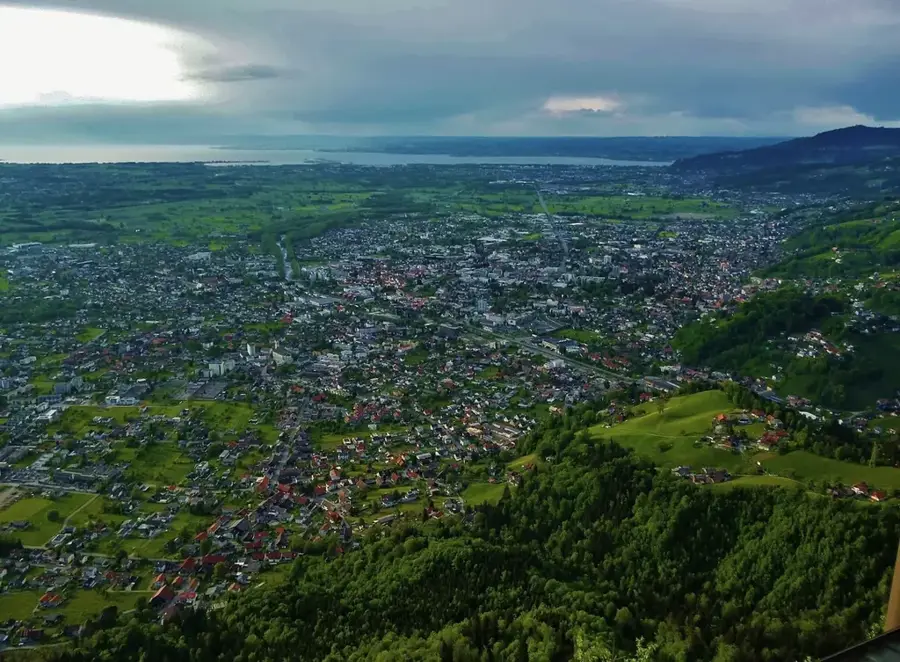
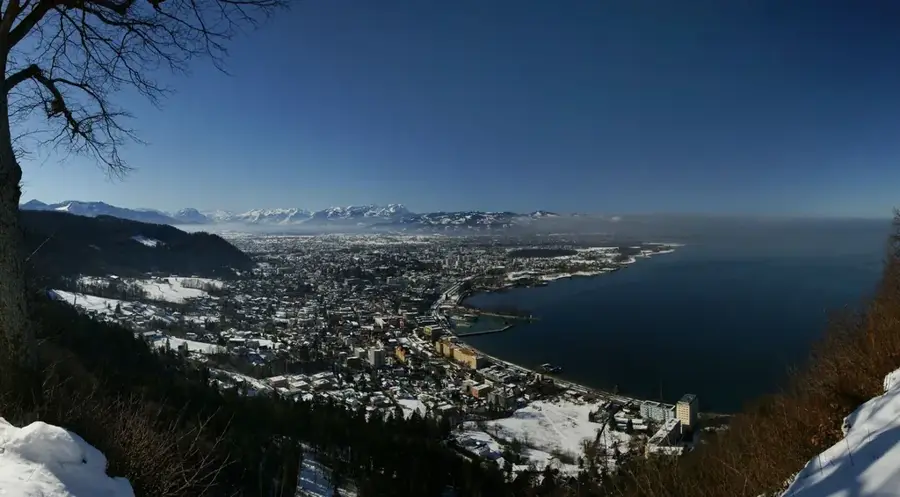
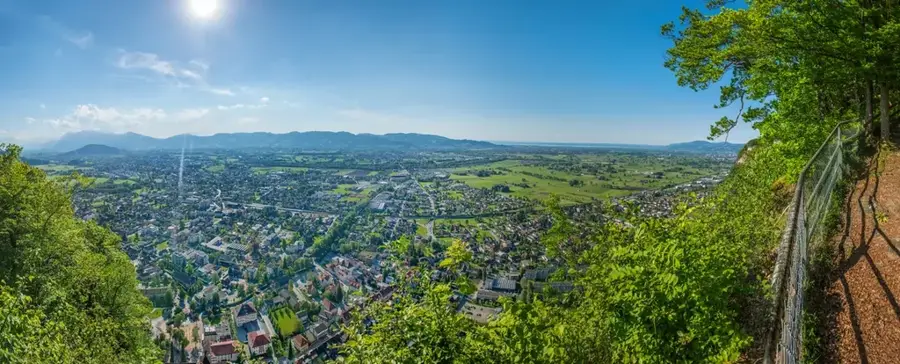
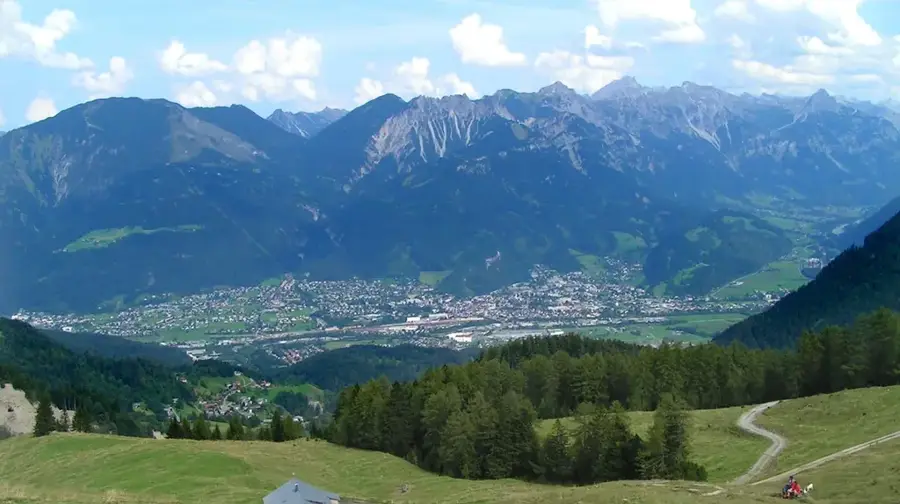
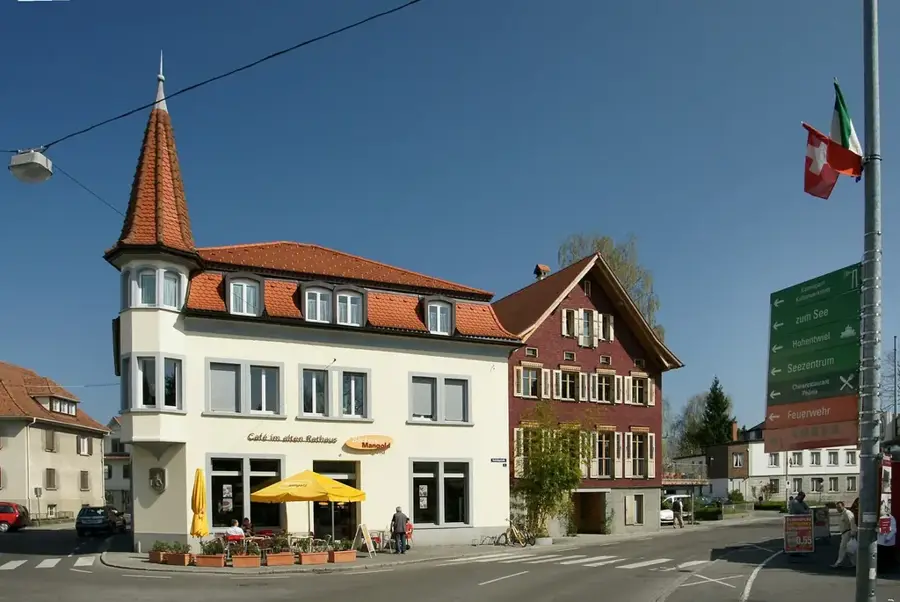
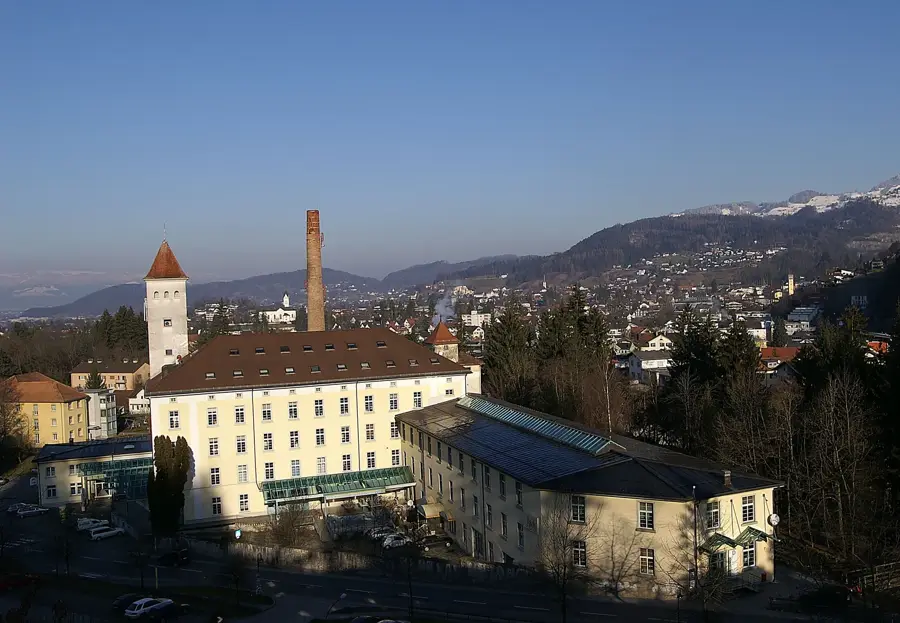
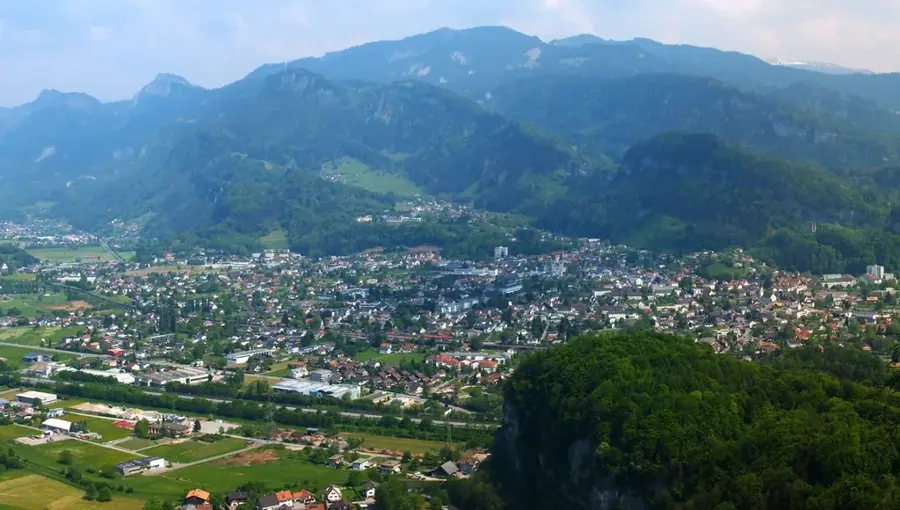
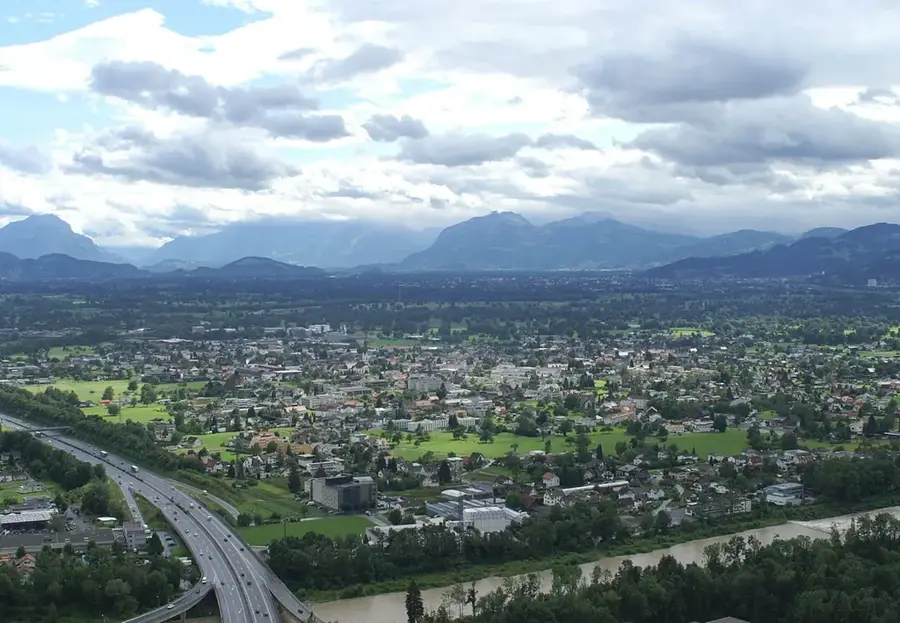
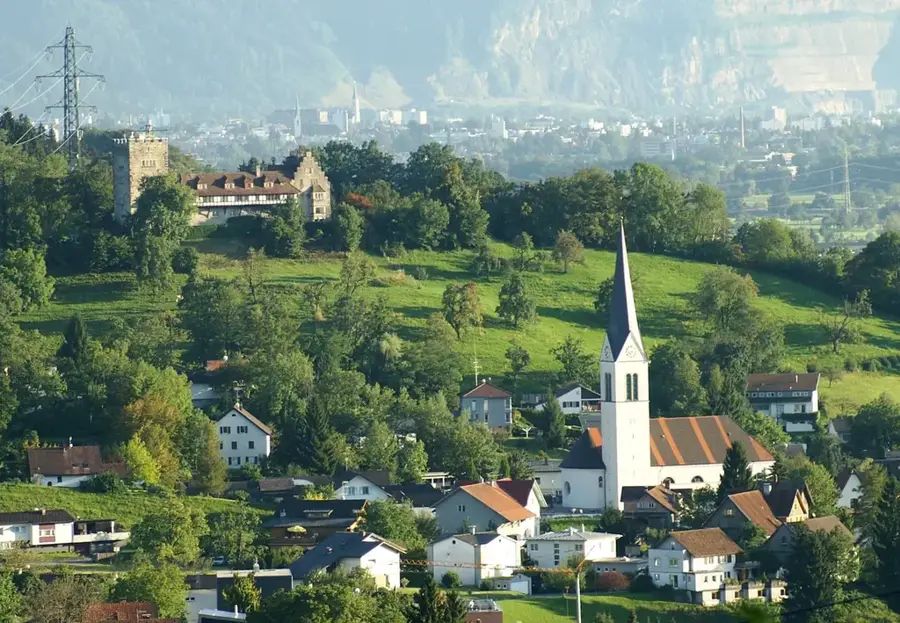
Lustenau is the most populous market town in Vorarlberg, situated directly on the Alpine Rhine at the border with Switzerland. The history of the town is inextricably linked to the textile industry, which brought Lustenau international fame in the 19th and 20th centuries, particularly through high-quality embroidery production. This economic tradition continues to shape the social fabric and architecture of the community, with many former factory owners' villas enriching the townscape. Geographically, Lustenau is characterized by its location in the Rhine Valley, making the town an important hub for cross-border traffic and trade. Culturally, Lustenau gives a bustling scene with museums such as the Embroidery Museum or the Rhein-Schauen, which documents the history of Rhine regulation. In terms of sports, the community enjoys high standing in Austria through its successful football clubs, notably SC Austria Lustenau. The proximity to Lake Constance and the natural landscapes along the Rhine offer diverse leisure opportunities. Lustenau has managed to largely preserve its village character despite its considerable size and economic significance.
The most pleasant time to visit is Jun–Aug.
| Jan | Feb | Mar | Apr | May | Jun | Jul | Aug | Sep | Oct | Nov | Dec | |
|---|---|---|---|---|---|---|---|---|---|---|---|---|
| Avg °C | -1 | -1 | 4 | 8 | 12 | 17 | 18 | 18 | 14 | 10 | 4 | 0 |
| Rain mm | 99 | 77 | 95 | 92 | 147 | 156 | 158 | 166 | 116 | 101 | 89 | 104 |
See what it looks like near Lustenau right now.
Diepoldsau › East · 3.6 km · Open webcam on Windy · Webcams provided by Windy.com
Notable places around
Where do you start? We build the route here, with stops and country notes along the way.
© OpenStreetMap contributors · OpenRouteService
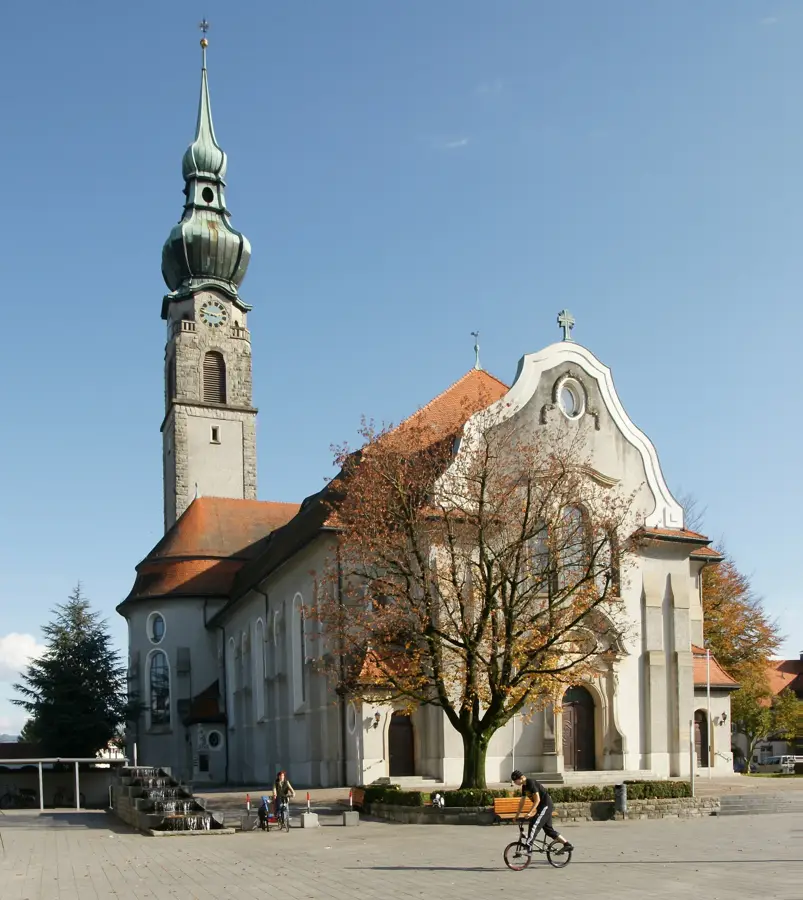
A walk through Lustenau begins at the lively Church Square. From there, the path leads to the majestic parish church, a masterpiece of architecture. At midday, you'll delve into the history of embroidery that made the town rich. In the afternoon, the modern Blue House contrasts with tradition before the day ends relaxingly in the green Millennium Park. A day full of culture and recreation in the heart of Vorarlberg.
In the morning, we visit the Church Square and the parish church, providing great shelter from the rain. At noon, we dive into textile history at the Embroidery Museum while staying dry. In the afternoon, we take a quick look at the Blue House, ending the day with a brisk walk through Millennium Park, where modern architecture offers some cover from the showers.
The winter morning starts fresh at Church Square and the heated parish church. At noon, the Embroidery Museum provides cozy warmth and fascinating exhibits. In the afternoon, we view the Blue House in soft winter light. Since the sun sets around 4:30 PM, we enjoy the blue hour in the illuminated Millennium Park before the evening chill sets in.
The bike tour starts in the center and quickly leads to the Embroidery Museum. After this cultural dose, it's westward to the Rhine. At noon, you'll experience technical history at the Rhein-Schauen Museum. The afternoon belongs to nature in the Rohr Nature Reserve, a paradise for birds and those seeking peace. The tour concludes with a long ride to the Reichshofstadion, showcasing Lustenau's sporty side. A varied day on two wheels.
Despite the rain, we start at Church Square. The ride to the Embroidery Museum is short and sheltered by buildings. Next, we cycle to the Rhein-Schauen Museum to stay dry indoors. We shorten the Rohr Nature Reserve visit if the rain is heavy, ending at Reichshofstadion where the grandstand roof offers some cover.
Early morning, we cycle carefully through wintry Lustenau. The Embroidery Museum offers the first warming break. The route to the Rhein-Schauen Museum is windy but flat. In the Rohr Nature Reserve, we enjoy the frozen silence of the Rhine. We end the day at Reichshofstadion before twilight and night chills arrive.
The car makes the day flexible. The morning is dedicated to the historic center, conveniently explored on foot: Church Square, the church, and the Embroidery Museum form the first cultural cluster. After lunch, the car takes you west to the Rhine. A second cluster awaits there: the Rhein-Schauen Museum with its technical history and the quiet Rohr Nature Reserve. A perfect mix of urban culture and nature experience.
We park conveniently in the center and explore Church Square during rain breaks. At noon, we spend a relaxed time in the Embroidery Museum. By car, we reach the Rhein-Schauen Museum dry and directly. The visit to the Rohr Nature Reserve offers beautiful views of the rainy Rhine from the car.
The winter tour starts at the central parking lot. After a brief visit to Church Square, we warm up inside the church. The Embroidery Museum offers a long, warm lunch break. In the afternoon, we drive to the Rhein-Schauen Museum and on to the frosty Rohr. The return drive at twilight shows Lustenau's snowy streets in a festive light.
Rauch's Radiomuseum displays a comprehensive collection of historic radio devices.